EXECUTIVE SUMMARY
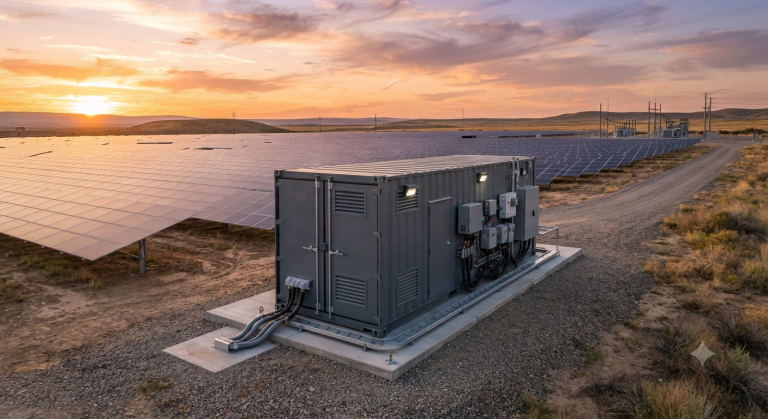
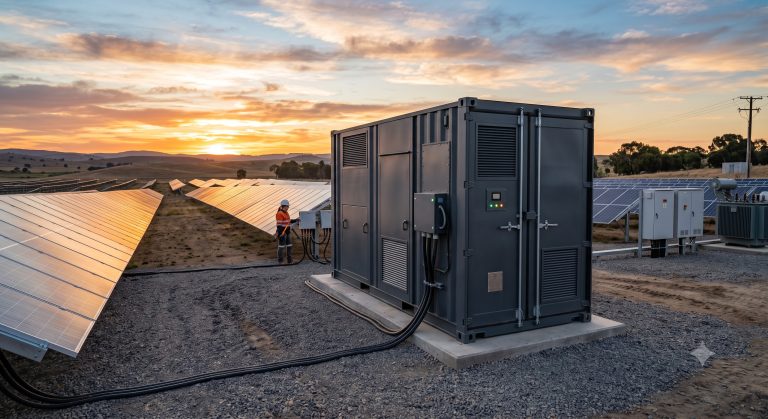
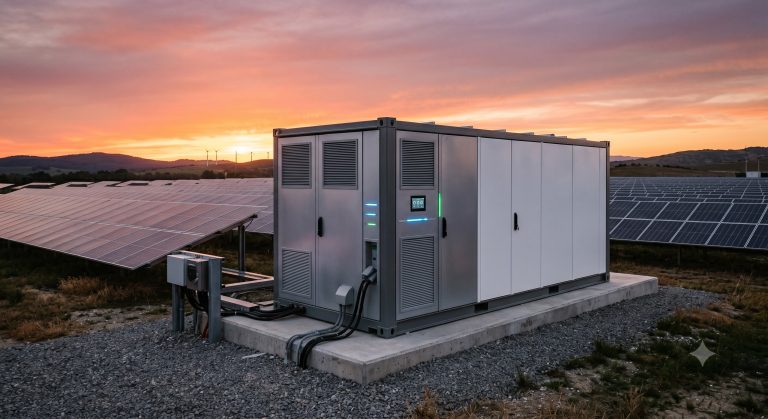
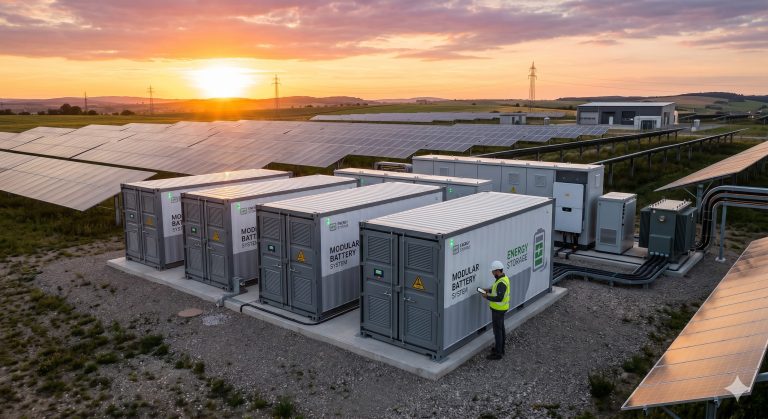
The Containerized Battery Lifting and Handling Guide serves as the authoritative reference for the safe, efficient, and compliant movement of containerized Battery Energy Storage System (BESS) units. As utility-scale and commercial & industrial (C&I) energy storage deployments accelerate globally, the logistical challenges of transporting, lifting, and positioning multi-tonne battery containers have become critical to project success. This document provides a comprehensive technical overview of the lifting and handling protocols, structural design considerations, and safety mechanisms engineered into our containerized BESS platform. It is intended for project developers, EPC contractors, logistics providers, and site engineers who require precise, OEM-validated guidance to ensure equipment integrity and personnel safety throughout the deployment lifecycle.
SYSTEM ARCHITECTURE & SAFETY
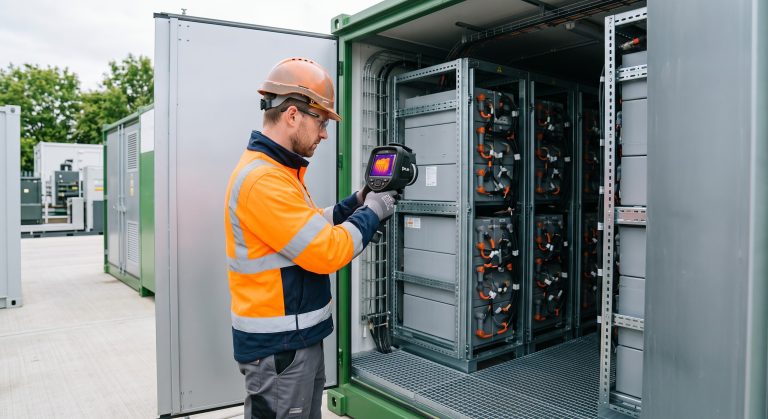
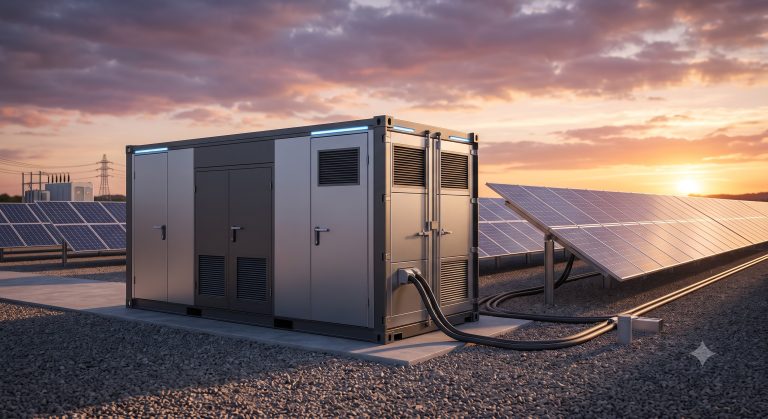
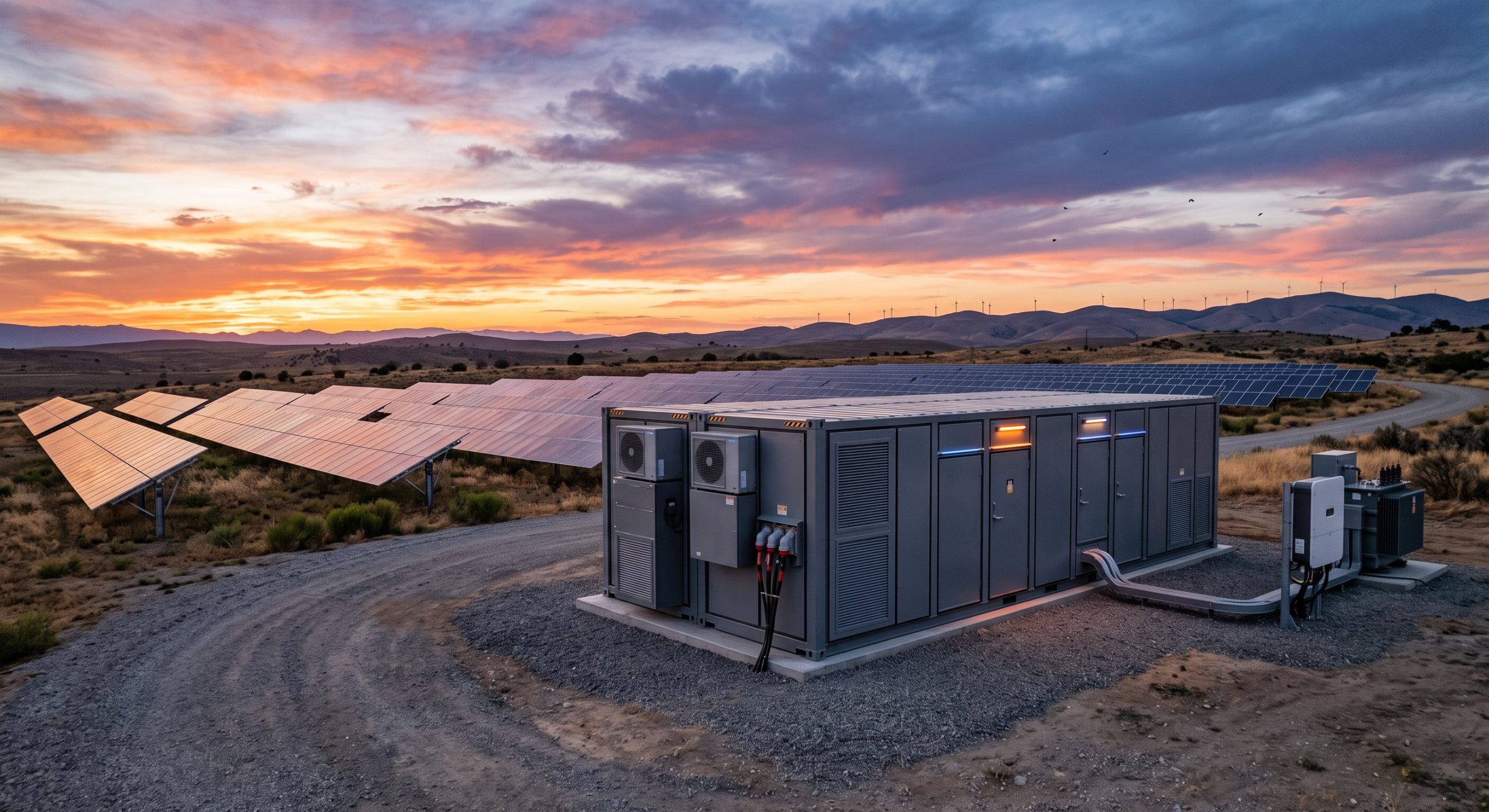
The containerized BESS platform is engineered with a robust structural chassis that integrates certified lifting points, corner castings, and reinforced floor beams. The system architecture prioritizes mechanical stability during crane operations and transport, with a design that withstands dynamic loads encountered during lifting, transit, and final positioning. The battery enclosure is fabricated from high-strength steel with anti-corrosion coatings, ensuring durability in diverse environmental conditions. Internally, the battery racks, thermal management system, and electrical components are mounted on vibration-isolated supports to prevent damage during handling. Safety systems include mechanical interlocks, pressure relief valves, and a comprehensive fire suppression interface, all designed to remain functional and accessible throughout the lifting and handling process.
KEY FEATURES
– Certified Lifting Points: Four ISO 1496-1 corner castings and additional dedicated lifting lugs rated for the full system weight, with clear markings for crane attachment.
– Structural Reinforcement: High-strength steel base frame with FEA-optimized cross members to distribute lifting stresses evenly and prevent deformation.
– Integrated Shock Absorption: Elastomeric mounts and dampers protect battery modules and power electronics from vibration and impact during transport.
– Weatherproof Enclosure: IP54-rated container with sealed cable entries and ventilation ports that remain secure during lifting and handling.
– Safety Signage: High-visibility warning labels and lifting diagrams affixed to the container exterior for quick reference by rigging crews.
– Modular Design: Standardized container dimensions and weight distribution allow for compatibility with common spreader bars and crane configurations.
– Real-Time Monitoring: Optional IoT sensors provide tilt, shock, and temperature data during handling to ensure adherence to operational limits.
COMPLIANCE & STANDARDS
Our containerized BESS platform is designed and tested in accordance with international standards governing lifting and handling of heavy equipment, including ISO 1496-1 for series 1 freight containers, ISO 3874 for handling and securing, and EN 13001 for crane safety. The structural integrity of the lifting points is validated through rigorous static and dynamic load tests, with certified safe working load (SWL) ratings provided for each configuration. Additionally, the system complies with IEC 62933 for electrical energy storage systems, UL 9540 for energy storage systems and equipment, and NFPA 855 for stationary energy storage installation. All lifting and handling procedures outlined in this guide are aligned with OSHA and EU-OSHA requirements for crane operations and load securing.
TECHNICAL SPECIFICATIONS
The following specification matrix details the physical, structural, and handling parameters of the standard containerized BESS unit. Note that exact values may vary based on configuration and battery capacity.
| Parameter | Specification |
|---|---|
| Nominal Capacity | 215 kWh / 372 kWh per cabinet |
| Cooling Method | Smart Liquid Cooling |
| Cell Chemistry | Tier-1 LFP |
| Container Dimensions (L x W x H) | 6058 mm x 2438 mm x 2896 mm (20 ft ISO) |
| Gross Weight (Standard Configuration) | Approximately 18,000 kg |
| Lifting Point Rating | 4 x 10,000 kg SWL corner castings |
| Ingress Protection | IP54 |
| Operating Temperature Range | -20°C to +55°C |
| Certifications | IEC 62933, UL 9540, NFPA 855, ISO 1496-1 |
INDUSTRIAL DEPLOYMENT
Proper lifting and handling are paramount during the installation of containerized BESS units at industrial sites, renewable energy farms, and grid substations. This guide recommends pre-lift site surveys to confirm ground bearing capacity, crane access, and overhead clearance. Spreader bars and lifting beams must be rated for the total gross weight, including any ancillary equipment. During lifting, the container must remain level, with tilt angles not exceeding 5 degrees to prevent internal shifting. Once positioned, the unit should be secured to the foundation using the designated anchor points, and all lifting equipment removed before electrical connections are made. For multi-unit installations, maintain minimum clearances as specified in the site layout plan to ensure adequate airflow and maintenance access.
📥 Download Technical Specification
Click the button below to view or download the full official PDF datasheet.