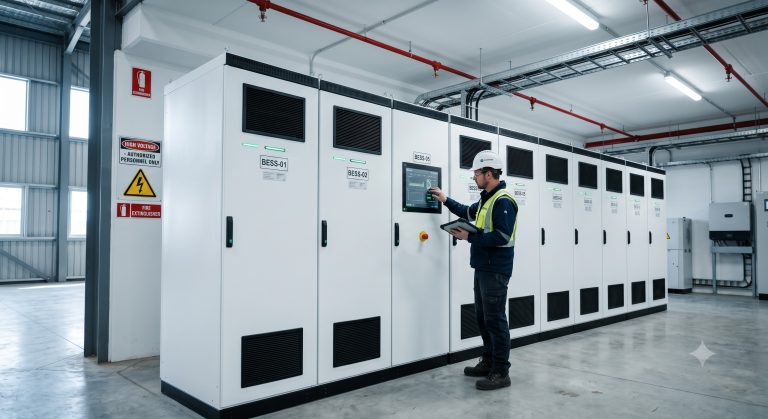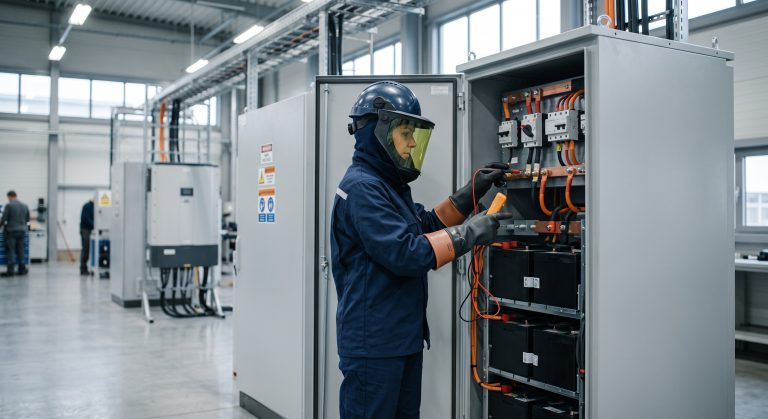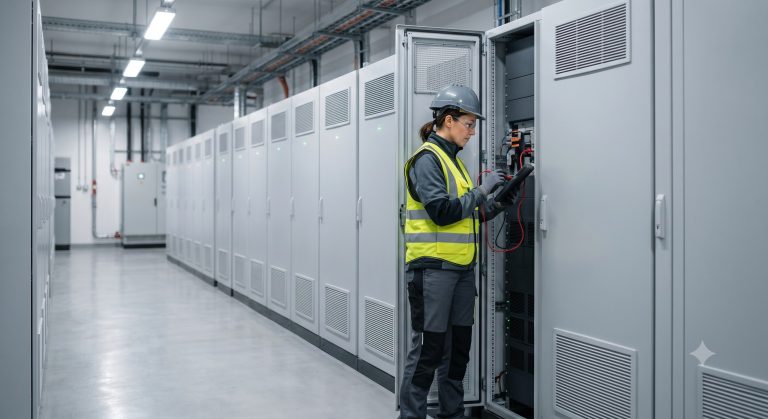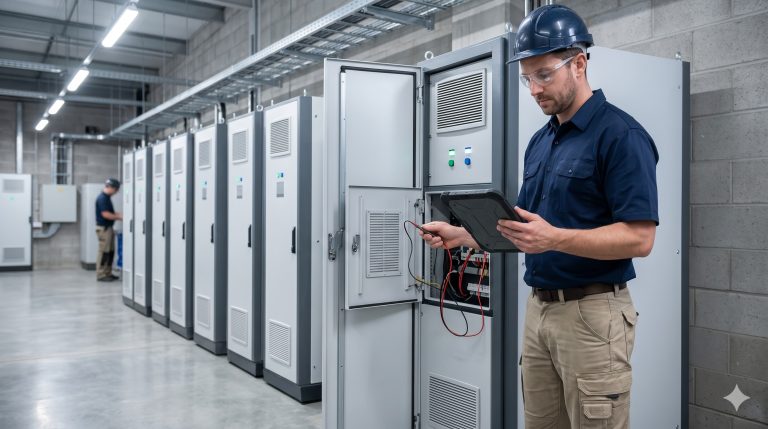
Overview
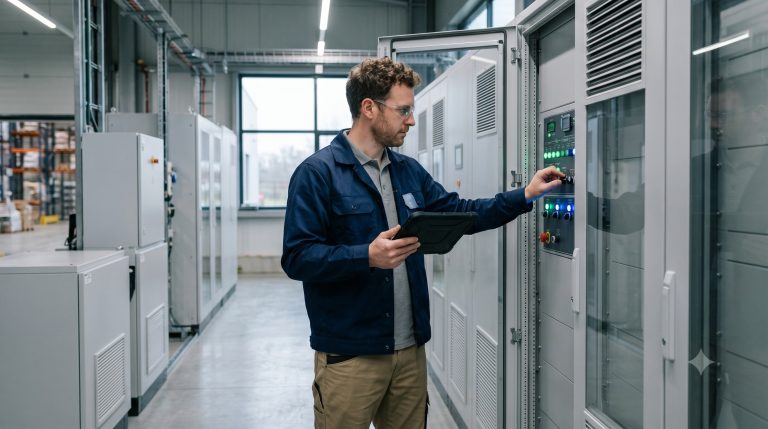
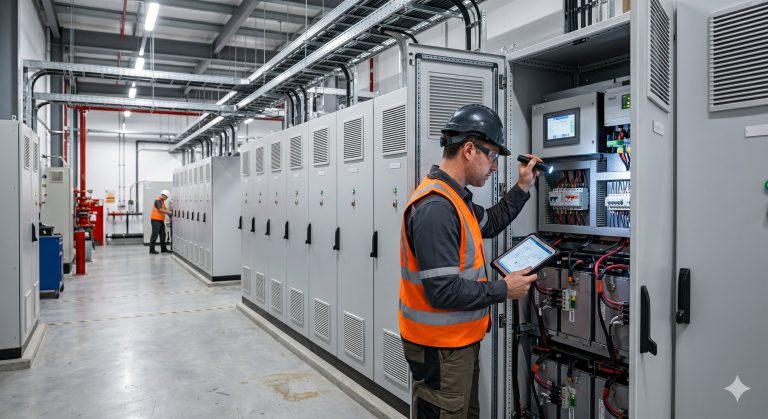
For B2B buyers and plant engineers, understanding the grid connection requirements of a Battery Energy Storage System (BESS) is critical for project feasibility and ROI. This FAQ addresses the most high-intent technical questions, from grid-tie versus off-grid configurations to advanced safety protocols, helping you make an informed procurement decision for your commercial or industrial facility.
Frequently Asked Questions
- Q1: Do I need a grid connection to use your home energy storage system?
- Yes, our BESS is designed as a grid-tie system, requiring a standard connection to operate efficiently and export surplus energy. However, the system features an advanced islanding mode that can seamlessly disconnect from the grid during outages to provide backup power, making it a hybrid solution for energy resilience.
- Q2: What is the standard cycle life and depth of discharge (DoD) of the LFP cells?
- The standard cycle life of our LFP (Lithium Iron Phosphate) cells is 6,000 cycles at 90% Depth of Discharge (DoD) under standard operating conditions. This is achieved through advanced liquid cooling that maintains optimal cell temperature, ensuring minimal degradation and a 10-year performance guarantee.
- Q3: How does the liquid cooling system prevent thermal runaway?
- The liquid cooling system is a critical safety component that maintains uniform cell temperatures, preventing hotspots that can lead to thermal runaway. It works in tandem with our multi-tier fire safety mechanism, which includes early gas and smoke detection sensors that immediately isolate affected modules to suppress any potential incident.
- Q4: What is the process for monitoring the BMS and inter-cell balancing?
- The proprietary Battery Management System (BMS) monitors cell voltage, temperature, and state of charge (SOC) at the individual cell level in real-time. This ensures proactive inter-cell balancing during charge/discharge cycles, maximizing overall system capacity and extending the lifespan of the entire energy storage system.
- Q5: Can the system be scaled up to increase capacity in the future?
- Yes, our modular cabinet design allows for parallel connectivity and custom DC busbar linkage, enabling straightforward scalability from 100 kWh to multi-MWh capacities. This allows you to start with a smaller investment and expand as your facility’s power demands and budget grow.
- Q6: What is the typical ROI and peak shaving arbitrage potential?
- The ROI for a commercial BESS is realized through peak shaving, which reduces demand charges, and energy arbitrage, where the system charges during low-cost off-peak hours and discharges during peak tariff periods. Payback periods typically range between 3 to 5 years, depending on regional utility rate structures and peak demand charges.
- Q7: What international safety and interconnection standards does the system comply with?
- Our BESS is fully certified to meet strict international interconnection standards, including UL 9540 and UL 9540A for fire safety, IEC 62619 for industrial battery safety, and CE certification. This ensures a safe, compliant deployment for any commercial, industrial, or utility-scale application.
- Q8: What does the post-sales O&M support and warranty cover?
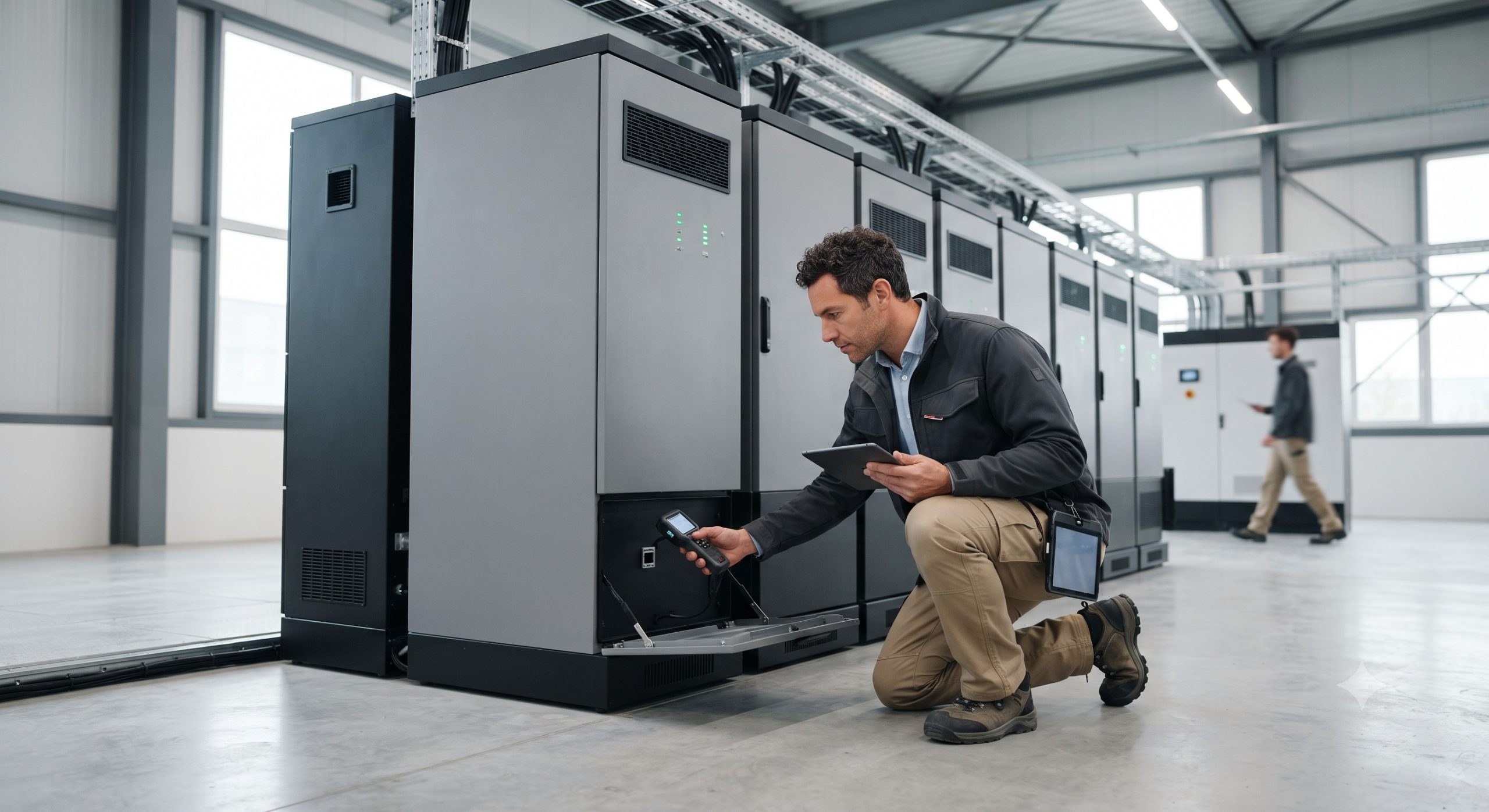
- The comprehensive post-sales O&M (Operations and Maintenance) package includes a 10-year product warranty, 24/7 remote monitoring, and annual on-site preventive maintenance visits. Our global sea freight and logistics support also ensure rapid replacement part availability to minimize system downtime.