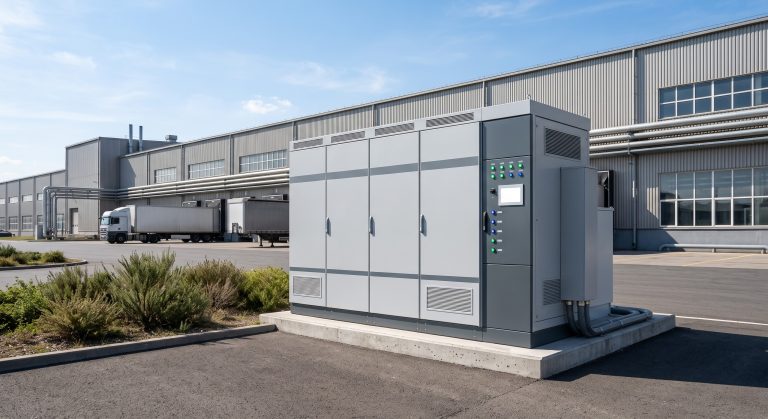
Overview
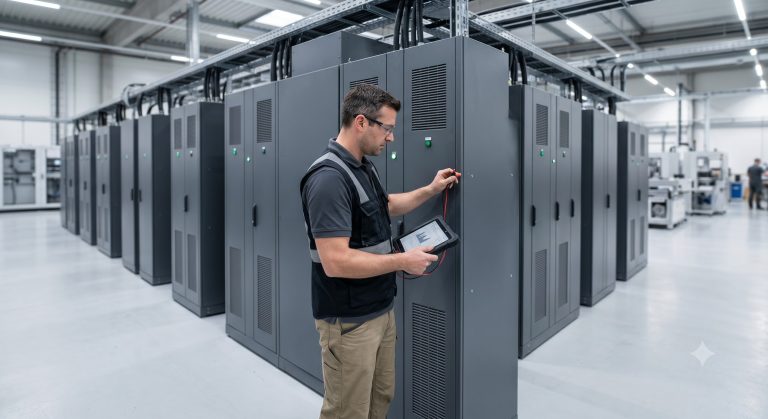
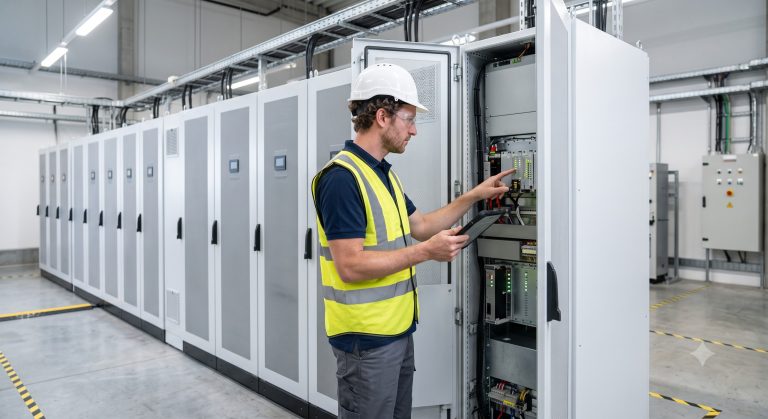
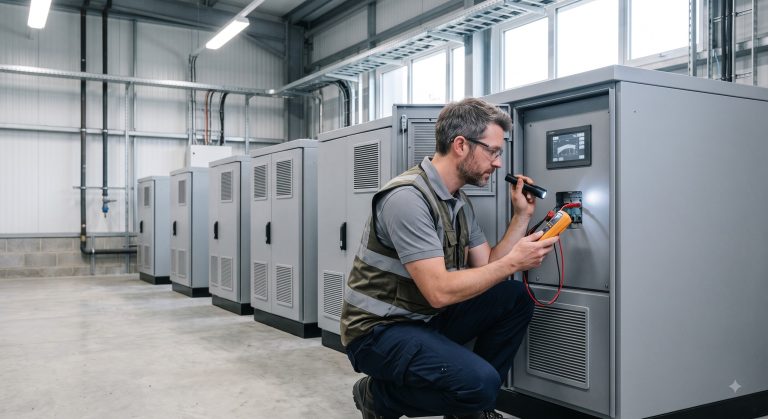
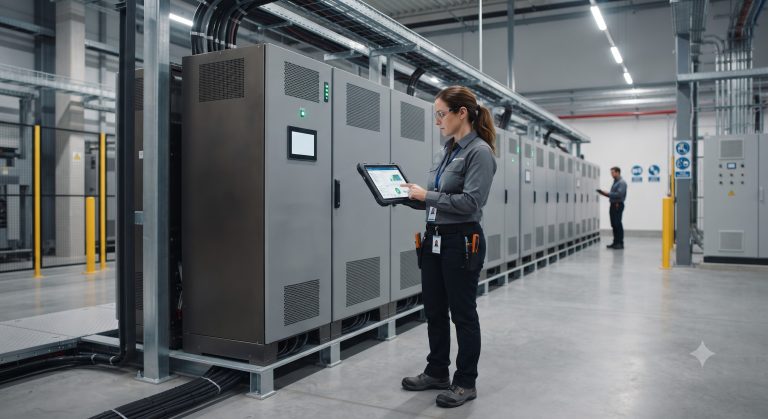
The ST5015kWh-2500kW-MV-2h is a high-capacity utility-scale Battery Energy Storage System (BESS) featuring LFP chemistry, liquid thermal management, and a 2-hour discharge configuration. Designed for peak shaving, grid stabilization, and renewable integration, this system addresses critical safety, operational, and financial concerns for industrial and utility clients. Below are expert answers to the most frequently asked technical questions.
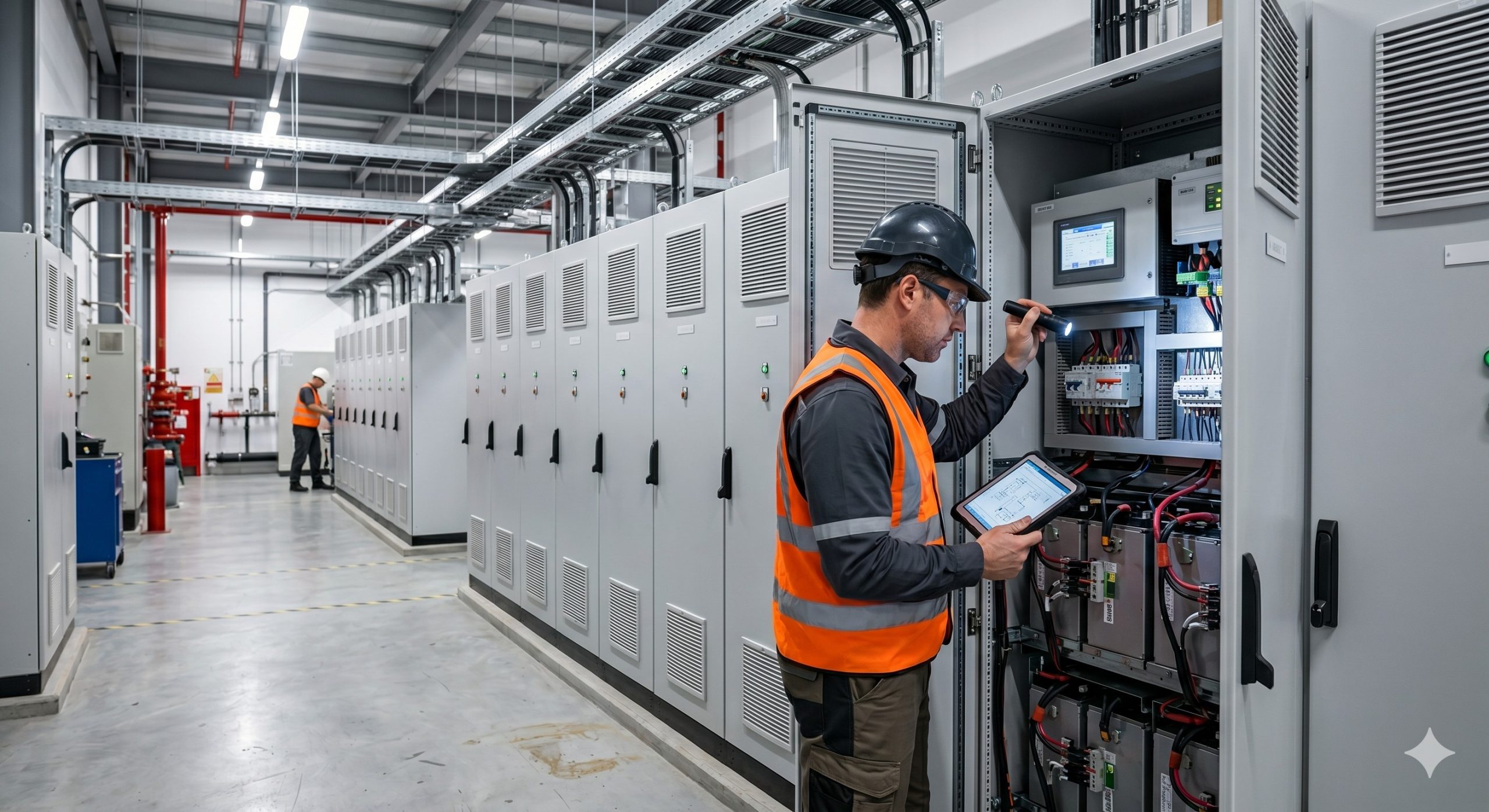
Frequently Asked Questions
- Q1: What battery chemistry does the ST5015kWh-2500kW-MV-2h use, and what is its guaranteed cycle life?
- The ST5015kWh-2500kW-MV-2h uses Tier-1 prismatic LFP (Lithium Iron Phosphate) cells. The guaranteed cycle life is 8,000 cycles at 80% Depth of Discharge (DoD), extending to 12,000 cycles at 70% DoD under standard operating temperatures (15°C–35°C). This longevity is achieved through the integrated liquid cooling system that maintains cell temperature variance below ±2°C, preventing accelerated degradation.
- Q2: How does the liquid cooling system prevent thermal runaway in the ST5015kWh-2500kW-MV-2h?
- The system employs multi-stage active thermal management with dielectric coolant circulating through cold plates attached to each battery module. Temperature sensors at the cell, module, and rack levels trigger three responses: Stage 1 (45°C) increases pump flow; Stage 2 (55°C) reduces charge/discharge current; Stage 3 (65°C) initiates controlled shutdown and releases aerosol fire suppressant. LFP chemistry inherently has an oxygen-free cathode, reducing thermal runaway risk by 90% compared to NMC cells.
- Q3: What fire safety certifications and suppression systems are integrated?
- The ST5015kWh-2500kW-MV-2h holds UL 9540A (thermal runaway fire propagation), UL 1973 (stationary storage), and IEC 62619 (industrial safety) certifications. The fire safety stack includes: (1) Early gas detection sensors (CO, H2, VOC) with exhaust fans; (2) Aerosol-based suppression at module level (condensed aerosol generators); (3) Water mist deluge at container level; (4) Explosion venting panels compliant with NFPA 855. All systems are monitored by the BMS with remote alerting.
- Q4: How does the BMS monitor cell balancing and overall system health?
- The distributed master-slave BMS monitors voltage, temperature, and current for each of the 4,608 cells in the ST5015kWh configuration. Passive balancing (shunt resistor) activates when cell voltage variance exceeds 25mV, equalizing during charging. Active balancing (capacitor-based) engages for persistent variance above 15mV. The BMS generates daily health reports including SoC (state of charge), SoH (state of health), internal resistance trends, and predicted remaining useful life accessible via Modbus TCP or IEC 61850 protocols.
- Q5: Can the ST5015kWh-2500kW-MV-2h operate in both grid-tied and off-grid (island) modes?
- Yes, the system supports seamless transition between grid-tied and off-grid (island mode) via the bi-directional PCS with grid-forming capability. In grid-tied mode, it provides peak shaving, frequency regulation (response <40ms), and demand charge management. In off-grid mode, it acts as the primary voltage source with black-start capability (cold start in <2 seconds). Transition time between modes is typically <200ms, compatible with diesel generator backup synchronization. The EMS automatically controls this based on grid voltage/frequency sensing.
- Q6: How do I calculate ROI for a 5MWh ST5015kWh-2500kW-MV-2h installation?
- Typical ROI calculation uses three revenue streams: (1) Energy arbitrage: (peak price – off-peak price) × 4,500 kWh usable (90% DoD) × 500 cycles/year; (2) Demand charge reduction: peak kW reduction × utility demand rate × 12 months; (3) Grid service payments: frequency regulation ($3–$8/kW-month) or capacity market. Example: With $0.15/kWh arbitrage spread, 2,250MWh annual throughput generates $337,500; plus $150,000 demand savings; total annual revenue ~$487,500. At $0.35–$0.45/Wh installed cost ($1.75M–$2.25M), simple payback is 3.6–4.6 years before O&M costs (typically $15–$20/kW-year).
- Q7: What are the scalability options for the ST5015kWh-2500kW-MV-2h system?
- The system supports modular parallel expansion up to 100MWh+ using a shared DC busbar or AC-coupled architecture. Each additional ST5015kWh container (20-foot ISO) adds 5MWh/2.5MW capacity with independent PCS and BMS. Up to 8 units can be paralleled on the AC side via a master EMS coordinating charge/discharge cycles. For larger installations, DC-coupling through a common 1500V DC busbar allows up to 32 units with a central 10MW PCS. Expansion requires no downtime for existing units, and all settings are retained in the programmable logic controller (PLC).
- Q8: What communication protocols and remote monitoring interfaces are supported?
- The ST5015kWh-2500kW-MV-2h supports Modbus TCP/IP (standard), IEC 61850 MMS/GOOSE, DNP3, and CAN 2.0B for SCADA integration. The web-based EMS dashboard provides real-time SoC, SoH, power output, cell temperature distribution maps, and fault logs. Remote firmware updates and alarm notifications (email/SMS) are available via 4G or Ethernet. API access (RESTful JSON) allows custom integration with third-party energy management platforms or utility demand response signals.