Introduction: The Grid Instability Imperative & the AC EV Charger as a Strategic Asset
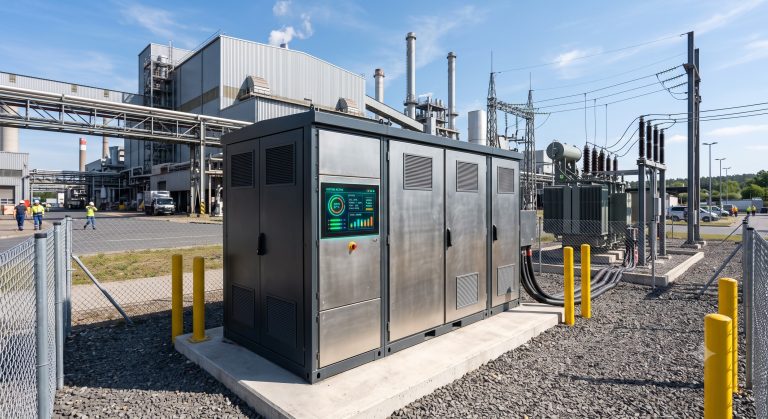
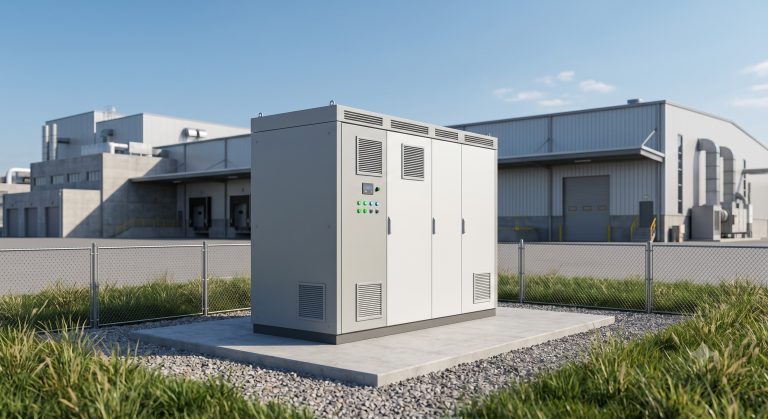
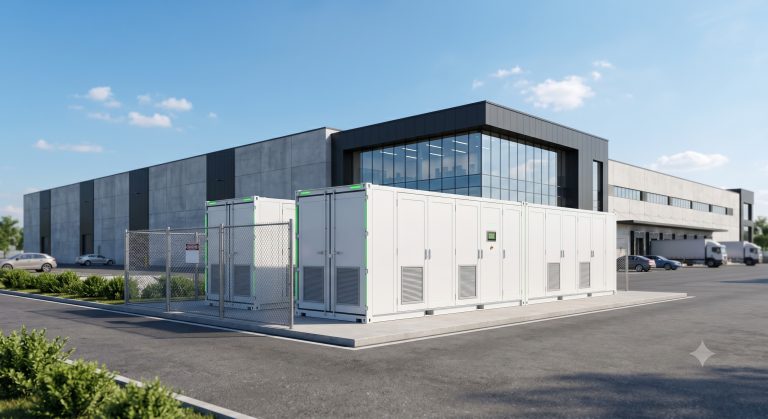
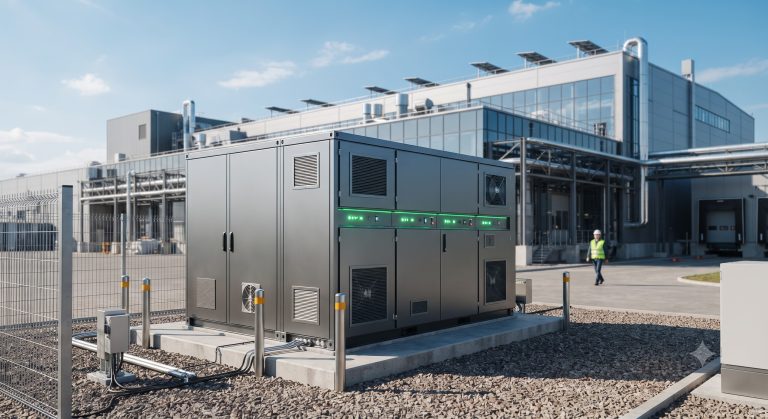
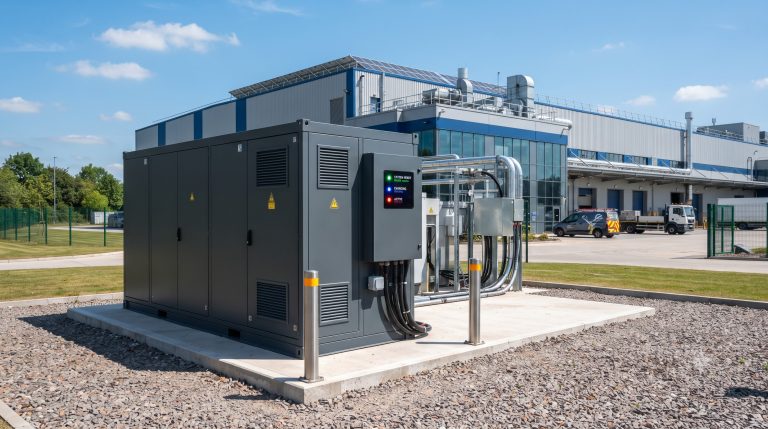
Industrial electricity costs have surged by an average of 18-22% across EU and NA markets since 2023, driven by carbon border adjustments and volatile fossil fuel prices. For commercial fleets and C&I facilities, traditional AC EV Charger infrastructure often exacerbates peak demand charges. However, when integrated with a Battery Energy Storage System (BESS) of 250 kWh to 5 MWh capacity, the AC EV Charger transforms from a simple load into a peak-shaving, grid-supporting, and revenue-generating asset. This deep-dive covers liquid-cooled thermal control, IEC 62619-certified battery management, and commercial ROI models that beat diesel generators by 40% on LCOE.
Core Architecture & Battery Management for AC EV Charger Integration
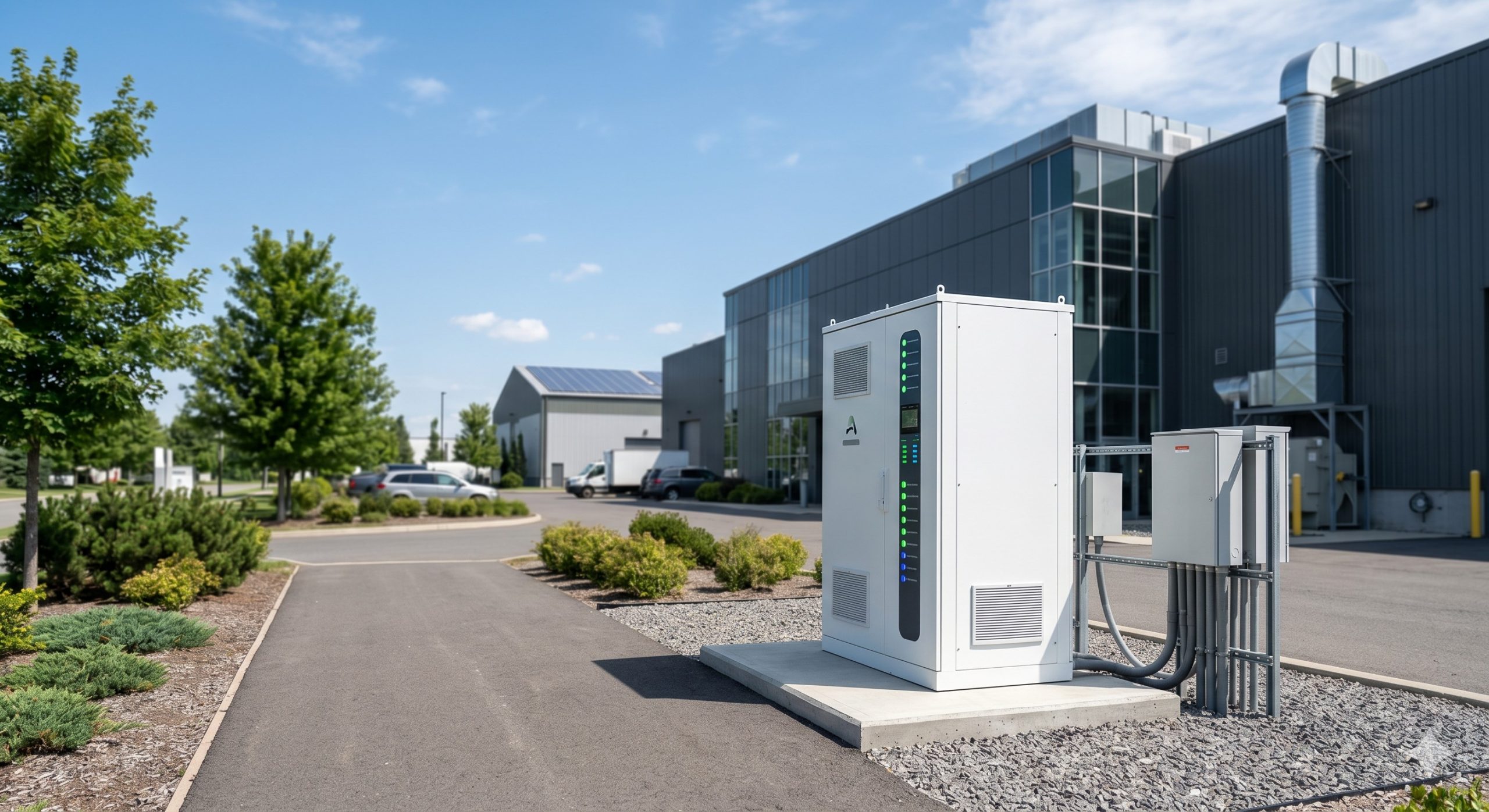
Power Conversion System (PCS) & Bi-Directional Topology
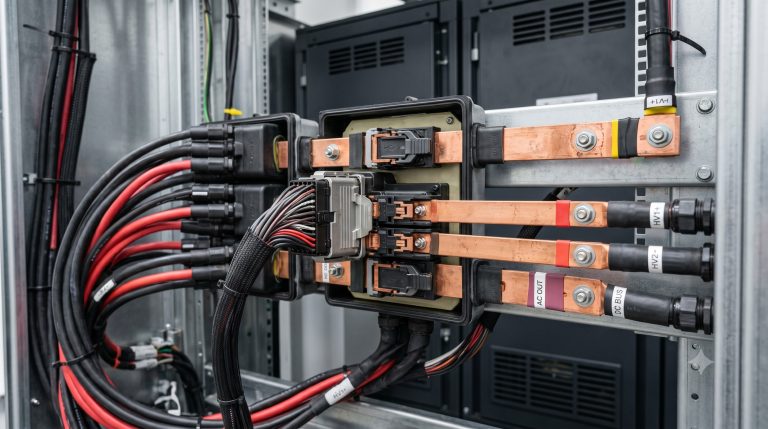
Modern AC EV Charger arrays require a PCS with 1500V DC bus architecture, achieving 98.5% round-trip efficiency. For V2G (Vehicle-to-Grid) readiness, the PCS must support UL 1741 SA and IEEE 1547-2025 grid-forming modes.
Battery Management System (BMS) & Safety Standards
The BMS executes cell balancing within ±5mV, monitors temperature gradients (rejecting >2°C deviation), and enforces Depth of Discharge (DoD) limits typically 90-95% for LFP chemistry. Compliance with IEC 62619 (industrial safety), UL 9540 (energy storage system), and UN38.3 (transport) is mandatory. Thermal management uses liquid cooling (ΔT < 3°C across pack) instead of air cooling to maintain cycle life >8,000 cycles under 1C charge/discharge.
Energy Management System (EMS) & Fire Suppression
The EMS integrates demand forecasting, real-time tariff response (sub-second), and PV-storage-charging optimization. Passive protection includes aerosol or Novec 1230 fire suppression systems meeting NFPA 855. A Grade-A fire suppression system includes multi-layer smoke detection and gas release.
Technical Specifications
The following parameters define Tier-1 commercial energy storage systems paired with AC EV Chargers for C&I depots and public fast-charging hubs.
| Key Parameter | Technical Specification |
|---|---|
| Battery Type | LFP (Lithium Iron Phosphate) with cell-to-pack technology |
| Usable Capacity Range | 250 kWh – 5 MWh (scalable) |
| Cycle Life (80% EoL) | >8,000 cycles @ 90% DoD, 25°C |
| Round-trip Efficiency | 94.5% (DC) / 91% (AC, including PCS & aux losses) |
| Thermal Management | Liquid cooling (coolant: water-glycol), ±2°C cell uniformity |
| Safety Compliance | IEC 62619, UL 9540, CE, UN38.3, NFPA 855 ready |
| Fire Suppression | Aerosol / Novec 1230, dual smoke & gas detection |
Commercial ROI & Grid Support: Beyond Diesel Generators
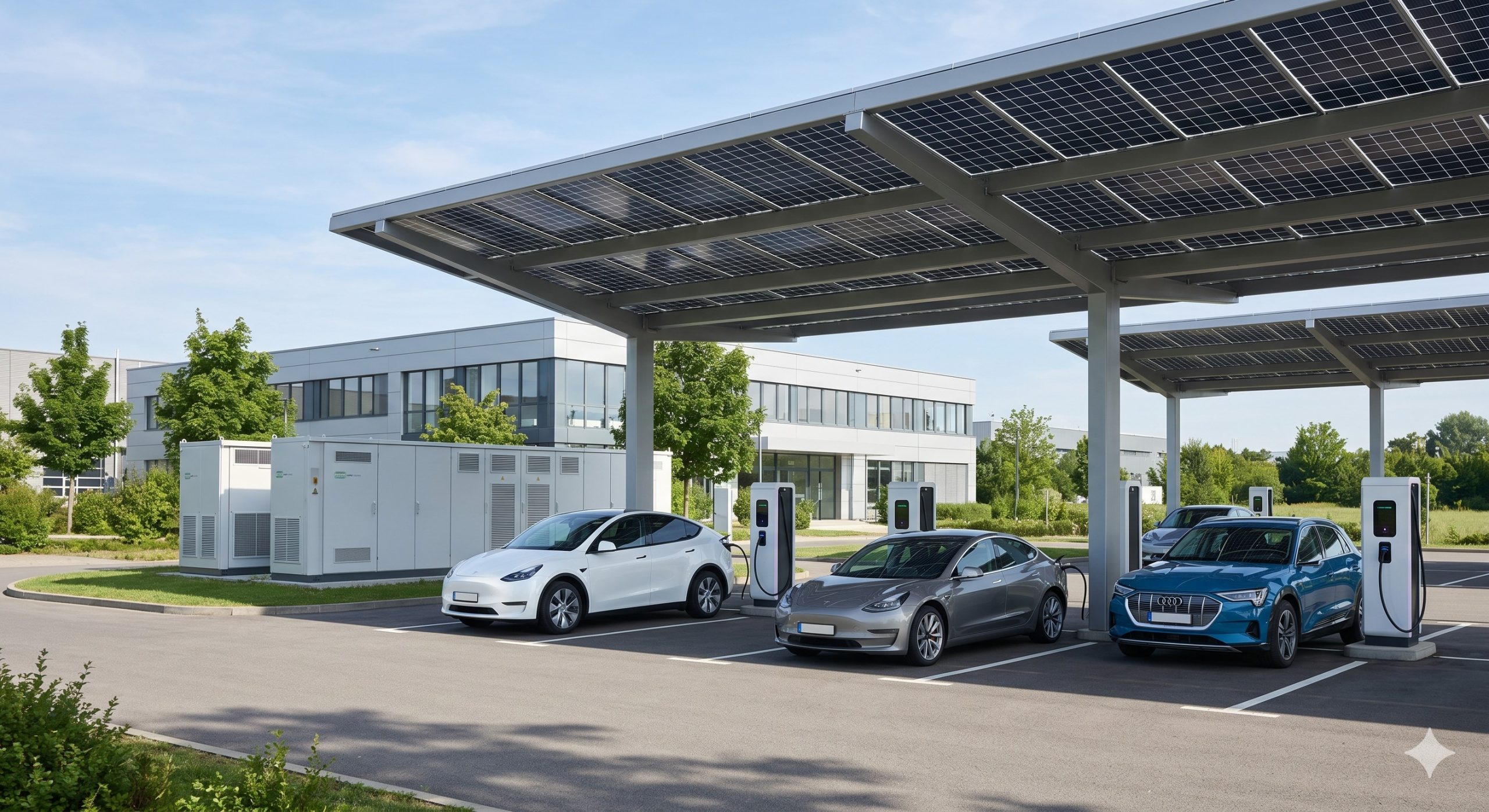
For a typical industrial park with 10x 22kW AC EV Chargers, peak demand alone can be $18-25/kW monthly. A 500 kWh BESS reduces 95% of peak draw, saving $2,400+/month. Levelized Cost of Energy (LCOE) from a BESS-backed AC EV Charger sinks to $0.11-0.14/kWh vs grid $0.28/kWh (industrial peak). Demand response programs pay $150-300/kW/year for frequency regulation. Moreover, PV-Storage-Charging integration (solar canopies + BESS + AC EV Chargers) achieves 90% self-consumption, cutting carbon footprint by 78% compared to diesel backup.
Deployment Scenarios
- C&I Facilities & Logistics Depots: Heavy-duty electric fleets (e.g., 50+ EVs) use overnight AC EV Charger clusters paired with 2 MWh BESS for peak shaving and green energy arbitrage.
- EV Supercharging Stations: With 150-350 kW DC chargers, an integrated BESS reduces transformer upgrade costs (e.g., from 2 MVA to 1 MVA) and captures low-rate overnight energy for daytime AC EV Charger and DC charging.
- Industrial Microgrids: Islandable systems with generator support, providing grid independence and black-start capability.
Conclusion: Zero-Carbon Commercial Energy Independence
The AC EV Charger, when architected inside a BESS ecosystem with liquid cooling, high-cycle LFP cells, and smart EMS, delivers payback under 3 years for most C&I segments. As carbon tariffs rise by 2028, the total cost of ownership gap between grid-only and storage-backed EV charging will exceed 35%. Future-ready systems must adopt modular designs supporting UL 9540A thermal runaway propagation testing and V2G bidirectional power flow. Commercial energy buyers should prioritize vendors offering full-cell traceability and on-site cycle life guarantees >8,000 cycles at 90% DoD.