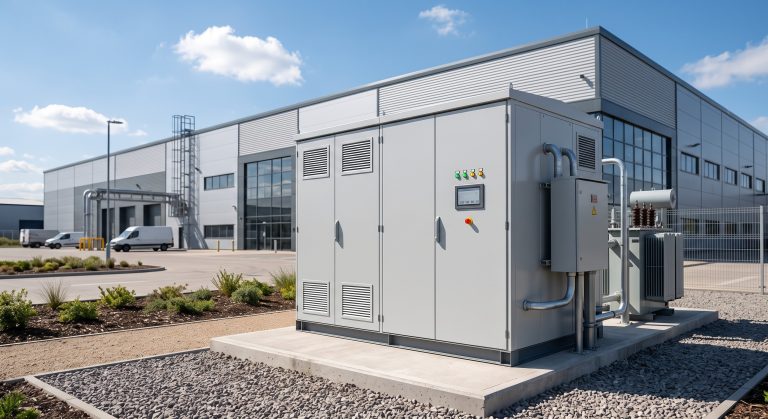
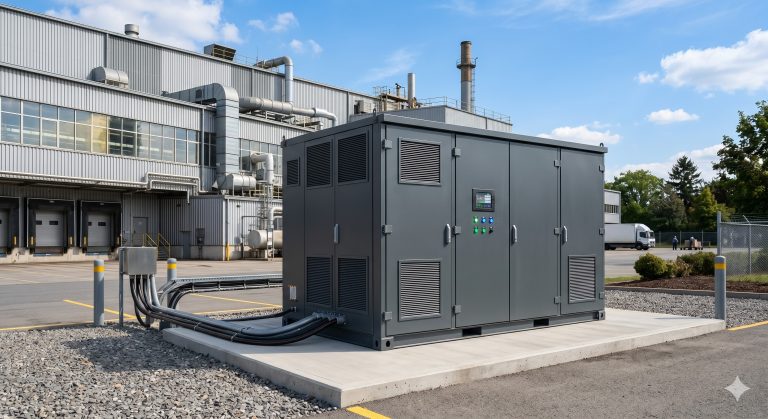
The High-Stakes Challenge of Thermal Safety in C&I BESS
For commercial and industrial (C&I) facility managers, the transition to renewable energy is fraught with a critical non-negotiable: safety. As energy storage systems (ESS) scale to megawatt-hour capacities, the potential energy density raises the stakes of thermal runaway. However, modern engineering has evolved to meet this challenge head-on. Today’s advanced commercial energy storage systems are fortified with multi-layered defense mechanisms, from intelligent Battery Management Systems (BMS) to military-grade fire suppression, fundamentally redefining safety standards for the corporate carbon footprint reduction journey. This guide dissects the critical safety architectures ensuring that your C&I facility’s decarbonization strategy is as secure as it is profitable.
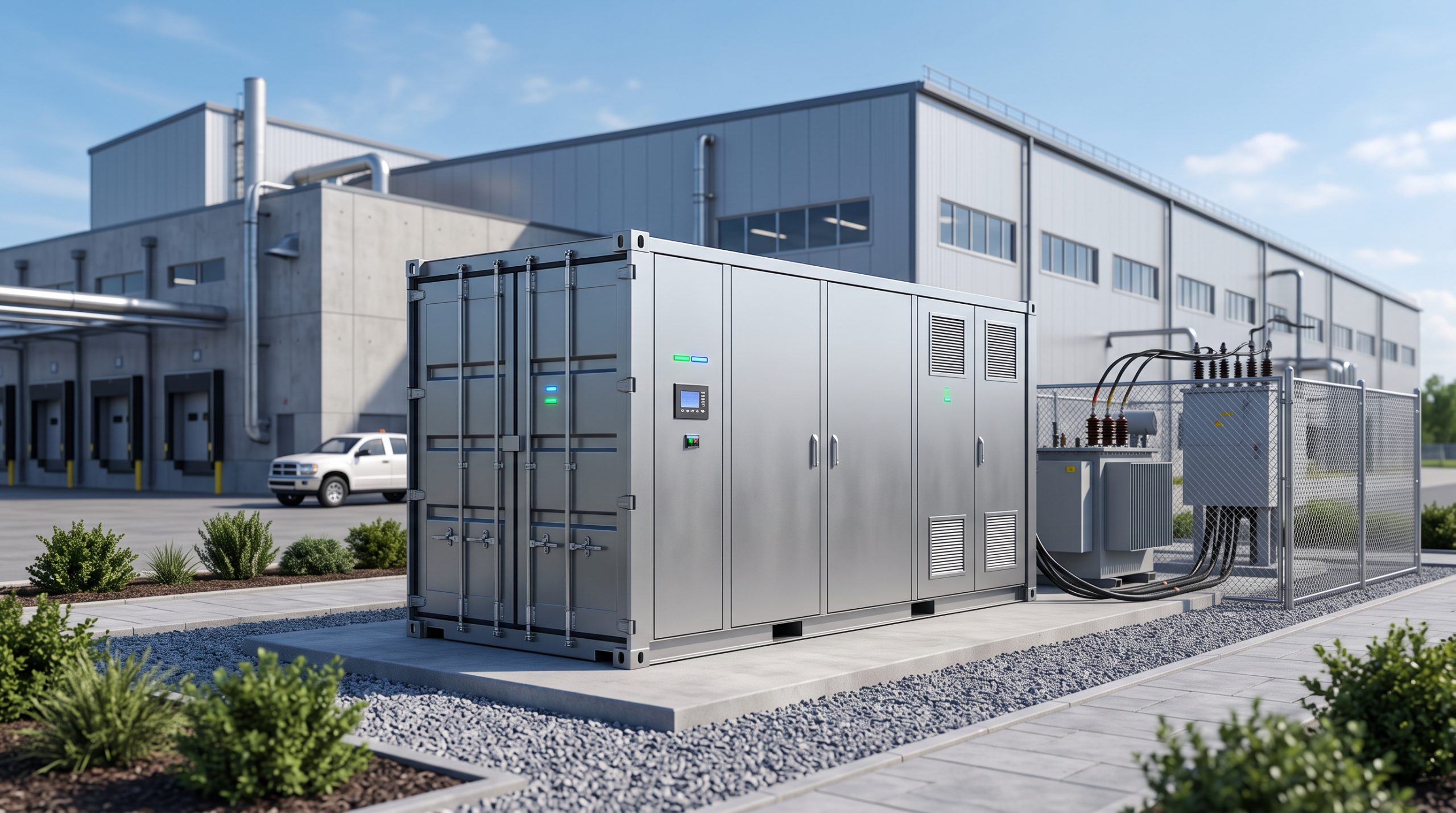
Multi-Level Fire Suppression & Thermal Management Systems
The cornerstone of a safe ESS is a holistic approach that combines prevention, detection, and suppression. A single point of failure is unacceptable; therefore, a comprehensive system employs a cascade of protective measures.
Active Fire Prevention: The BMS First Line of Defense
Before a fire can start, the system must prevent the conditions that create it. The heart of this prevention lies in a robust Battery Management System (BMS). A Tier-1 BMS continuously monitors individual cell voltage, current, and temperature at millisecond intervals. Advanced algorithms perform cell balancing to ensure uniform charge/discharge states, preventing overcharging or deep discharging that can lead to internal shorts. When the system detects anomalies—such as a rapid temperature rise (dT/dt) or sudden voltage drop—it immediately disconnects the faulty string via high-voltage DC contactors, isolating the risk before it can escalate.
Suppression and Containment: Aerosol and Gas-Based Systems
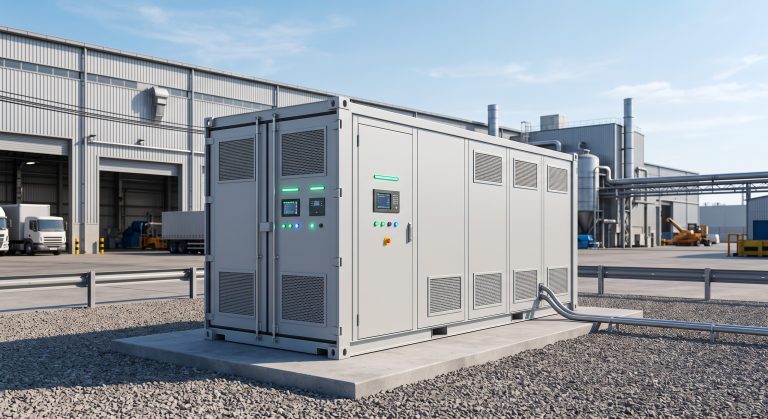
In the rare event of a cell failure, the system deploys passive and active suppression. Modern C&I ESS cabinets are equipped with aerosol-based fire suppression or NOVEC 1230 (fluorinated ketone) gas systems. These agents are highly effective at extinguishing electrical fires without damaging sensitive electronics. The system is triggered by a combination of smoke detectors, temperature sensors, and gas sensors (CO, VOC) that create a ‘voting’ logic to prevent false alarms. Upon activation, the agent floods the cabinet, reducing oxygen and removing heat to quench the fire instantly. Additionally, physical barriers and fire-rated partitions between battery racks contain any potential incident to a single module, protecting the entire facility’s investment.
Technical Specifications & Safety Engineering
To achieve bankable safety, an ESS must adhere to rigorous international standards. The engineering specifications below represent the baseline for a system designed to minimize risk while maximizing operational uptime and ROI.
| Key Parameter | Technical Specification |
|---|---|
| Battery Chemistry | Tier-1 LFP (Lithium Iron Phosphate) – Prismatic Cells |
| Cell Capacity | e.g., 280Ah – 314Ah |
| System Capacity | e.g., 500 kWh to 2 MWh per cabinet |
| Nominal Voltage | 768V DC – 1500V DC |
| Round-Trip Efficiency | ≥ 92% (DC) – Up to 88% (AC) including PCS |
| Cycle Life | >8,000 cycles @ 90% DoD (End of Life 70% SOH) |
| Depth of Discharge (DoD) | Up to 95% |
| BMS Protocol | 3-Level Management (Module, Cluster, System) |
| Thermal Management | Intelligent Liquid Cooling (Coolant: Water/Ethylene Glycol) |
| Fire Suppression | Aerosol / NOVEC 1230 Gas System + Multi-Sensor Detection |
| PCS Topology | Bi-directional, 4-Quadrant IGBT |
| Safety Certifications | UL 9540, UL 9540A, IEC 62619, CE, UN38.3 |
| Ingress Protection | IP54 – IP55 (Outdoor Rated) |
Auditing Compliance: UL 9540, IEC 62619 & UN38.3
Certifications are not just pieces of paper; they are testament to a system’s resilience. When sourcing a BESS, procurement managers must demand compliance with the following standards to ensure insurance coverage and grid interconnection approvals.
UL 9540: The Standard for Safety of Energy Storage Systems
This is the fundamental safety standard for ESS in North America. It evaluates the entire system—including the batteries, BMS, PCS, and fire suppression—for fire and electrical hazards. A UL 9540 listing confirms the system has undergone rigorous Factory Acceptance Tests (FAT) and design reviews to prevent thermal runaway propagation. For installations in sensitive areas, look for systems that have also passed the UL 9540A test method, which evaluates the risk of fire propagation between individual cells within the battery pack.
IEC 62619 & UN38.3: Global Safety and Transport
For international operations or shipping, IEC 62619 certification is crucial. It focuses on the safety requirements for secondary lithium cells and batteries, covering aspects like overcharge protection, short-circuit protection, and thermal stability. Meanwhile, UN38.3 is the mandatory standard for the safe transport of lithium batteries, ensuring the cells can withstand altitude, vibration, temperature, and shock tests without compromising structural integrity.
Maximizing ROI Through Risk Reduction
Investing in advanced safety features is not a cost center; it is a critical profit-protecting measure. The financial implications of a thermal event extend far beyond the hardware cost. A single fire incident can lead to:
- Business Interruption: Extended downtime for manufacturing or data center operations.
- Insurance Premium Hikes: Significant increases in liability and property insurance.
- Regulatory Fines: Penalties from local fire marshals and environmental agencies.
- Reputational Damage: Loss of customer trust and stakeholder confidence in your corporate carbon footprint reduction goals.
By contrast, a UL 9540-compliant system with intelligent liquid cooling reduces the Levelized Cost of Storage (LCOS) by ensuring consistent performance and extending the cycle life (>8000 cycles) of the LFP cells. This translates to a lower Total Cost of Ownership (TCO) over the asset’s 15+ year lifespan, ensuring your peak-shaving and demand response strategies deliver maximum cash flow without the Sword of Damocles of safety concerns.
Deployment Scenarios and Secure Integration
The safety architecture must adapt to diverse deployment scenarios. Whether integrating into an existing industrial park or a greenfield micro-grid, the physical integration protocol is paramount.
Industrial Facilities and Data Centers
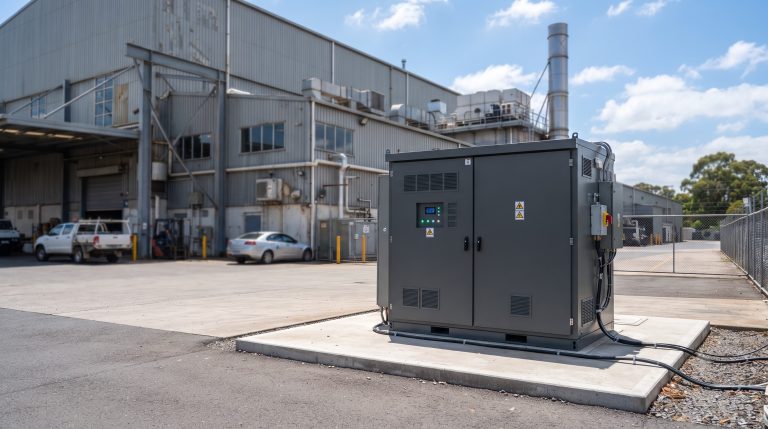
For high-density energy environments like data centers and manufacturing plants, the ESS is often placed adjacent to critical loads. Here, the liquid cooling system’s precise thermal control becomes a safety feature as much as an efficiency one. Maintaining cell temperatures within a strict 15°C-35°C range prevents the formation of lithium plating and dendrites, which are precursors to internal shorts. The cabinet is typically deployed on a reinforced concrete pad with fire-rated walls and dedicated drainage to handle any potential coolant leaks.
PV-Storage-Charging (光储充) Stations
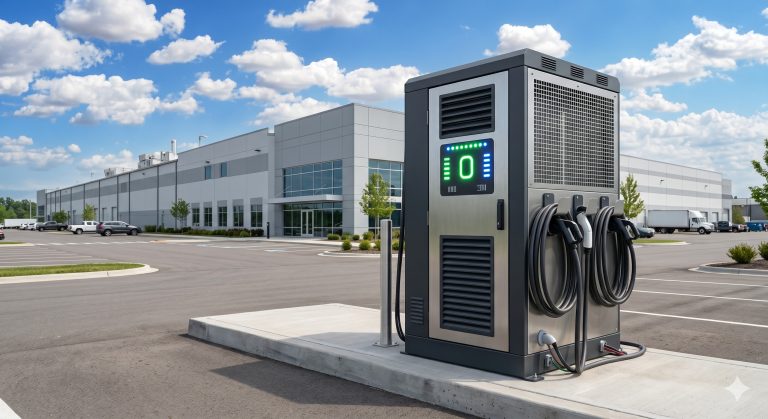
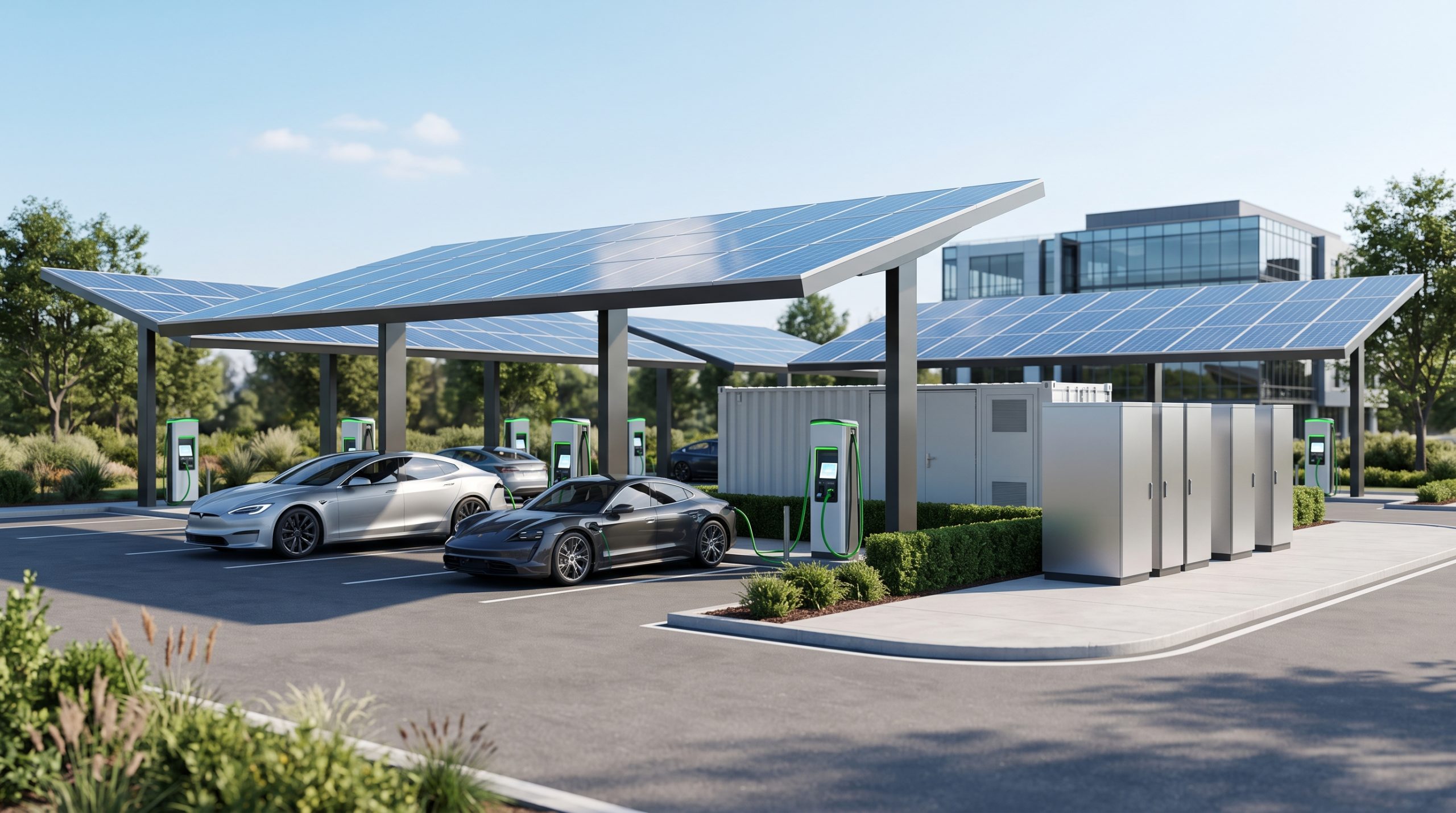
In EV supercharging hubs, the ESS must manage rapid, high-power discharges that generate significant heat. The safety system here requires even faster response times. The PCS (Power Conversion System) must work in perfect sync with the BMS to limit ramp rates during grid fluctuations, preventing overloading. The fire suppression zone is typically expanded to cover the charging station’s electrical rooms, ensuring a unified safety perimeter.
Conclusion: A Safe Pathway to Zero-Carbon Operations
As C&I entities accelerate their corporate carbon footprint reduction plans, the dialogue around energy storage is shifting from ‘if it is safe’ to ‘how safe it is.’ The industry has responded with an unparalleled focus on engineering robust safety protocols that do not compromise on performance or ROI. By demanding systems with advanced BMS logic, certified fire suppression, and compliance with UL 9540 and IEC 62619, facility managers can confidently deploy MWh-scale storage. The future of commercial energy is secure, resilient, and undeniably green.