Introduction: The Strategic Imperative of Custom BESS Manufacturing
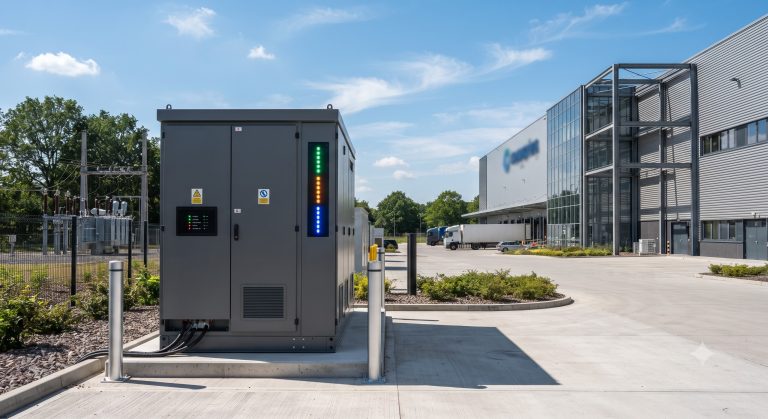
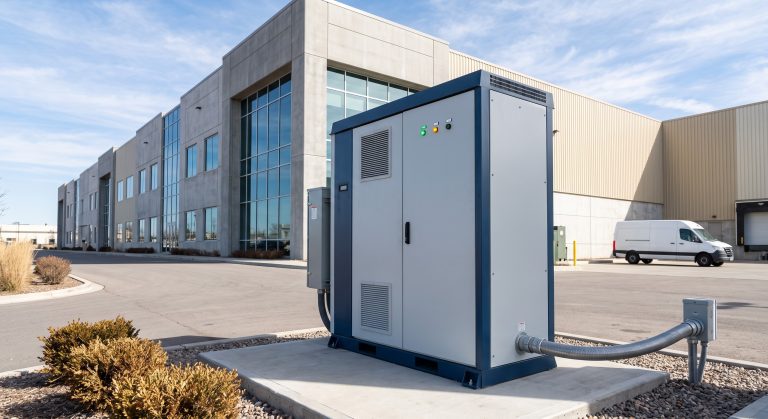
As global electricity costs surge and supply chain volatility threatens operational continuity, commercial and industrial (C&I) enterprises are rapidly pivoting toward custom Battery Energy Storage Systems (BESS) as a cornerstone of energy resilience. Unlike off-the-shelf solutions, custom BESS manufacturing offers tailored capacity, smart software integration, and lifecycle optimization that directly align with facility-specific load profiles. For procurement managers and system architects, sourcing a custom BESS is no longer a simple hardware purchase—it is a strategic decision impacting total cost of ownership (TCO), carbon compliance, and grid independence for the next 15 years.
This guide provides a definitive, data-driven roadmap for B2B buyers. We dissect core BESS manufacturing architectures, benchmark technical metrics against international safety standards, and quantify the commercial ROI of peak-shaving and demand response participation. We will explore the vital role of liquid cooling in optimizing round-trip efficiency, the critical importance of UL 9540 and IEC 62619 compliance, and how a modular design facilitates seamless scaling from 500 kWh to multi-MWh deployments.
Core Architecture & Battery Management in Custom BESS
Battery Chemistry & Cell Selection: Why LFP Dominates C&I
The foundation of any high-performance custom BESS is the cell chemistry. Current industry consensus favors Tier-1 Lithium Iron Phosphate (LFP) cells due to their inherent thermal stability, superior cycle life, and absence of cobalt—factors that reduce both fire risk and supply chain ethical concerns. Unlike Nickel Manganese Cobalt (NMC) variants, LFP cells exhibit a lower voltage plateau but offer a significantly higher Depth of Discharge (DoD) ceiling, routinely achieving 90% DoD without accelerating degradation. When sourcing custom BESS manufacturing, specify cells with a guaranteed cycle life exceeding 6,000 cycles at 80% DoD and 8,000+ cycles at 90% DoD under standard ambient conditions (25°C).
Battery Management System (BMS): The Brain of the Custom ESS
The BMS is the mission-critical component responsible for cell balancing, state-of-charge (SoC) estimation, state-of-health (SoH) tracking, and real-time protection against over-voltage, under-voltage, and over-temperature conditions. In advanced custom BESS configurations, the BMS integrates machine learning algorithms to predict cell degradation patterns and adjust charging/discharging parameters dynamically. This precision directly influences the system’s Round-Trip Efficiency (RTE), with top-tier systems achieving >92% RTE at nominal power. Ensure your manufacturing partner provides full access to BMS data logs and APIs for integration with your facility’s building management system (BMS).
Technical Specifications: A Data-Driven Evaluation
To validate the engineering integrity of a custom BESS, buyers must scrutinize performance parameters against standardized test conditions. The following table outlines the critical specifications that define industry-leading systems, ensuring compliance with IEC 62619 (safety requirements for industrial batteries) and UL 9540 (safety of energy storage systems).
| Parameter | Industry Best Practice Specification |
|---|---|
| Battery Chemistry | Prismatic LFP (Lithium Iron Phosphate) – Tier-1 Grade A Cells |
| Nominal Capacity (Configurable) | 100 kWh to 5 MWh+ (Parallel Cabinet Expansion) |
| Cycle Life @ 90% DoD | >8,000 cycles to 60% EOL (End of Life) |
| Round-Trip Efficiency (RTE) | >92% (DC/AC, at Nominal Power and 25°C) |
| Depth of Discharge (DoD) | Up to 95% (Recommended 90% for optimal lifespan) |
| Thermal Management System | Advanced Liquid Cooling (ΔT ≤ 3°C between cells) with Active Chiller |
| Protection & Safety Certification | UL 9540, UL 1973, IEC 62619, CE, UN38.3 |
| IP Rating (Enclosure) | IP54 (Outdoor) / IP65 (High-Dust/Water Resistance) |
| BMS Architecture | 3-Tier Distributed BMS with Cell-Level Balancing (±5mV accuracy) |
| PCS (Power Conversion System) | Bi-directional, 1500Vdc, Grid-Forming capable, IEEE 1547 compliant |
| Operating Temperature Range | -20°C to +50°C (Derated above 45°C) |
Commercial ROI & Grid Support: Quantifying the Custom BESS Advantage
Total Cost of Ownership (TCO) and LCOE Optimization
For C&I facilities facing demand charges exceeding $15/kW and time-of-use (TOU) tariffs with peak rates of $0.35/kWh or higher, a custom BESS delivers compelling returns. The core financial lever is peak-shaving—discharging stored energy during the most expensive tariff windows to reduce utility bills. A properly sized custom BESS can reduce peak demand charges by 30-40%, cutting annual electricity costs by 15-25%. When amortizing capital expenditure (CapEx) over a 10-year period, the Levelized Cost of Storage (LCOS) often ranges between $0.10 and $0.15/kWh, making it highly competitive against grid retail rates in most developed markets.
Demand Response and Virtual Power Plant (VPP) Readiness
Advanced custom BESS units feature bi-directional Power Conversion Systems (PCS) that support grid-forming capabilities and frequency regulation. By participating in utility demand response programs, system owners can unlock additional revenue streams, earning $50–$150 per kW per year for grid stabilization services. Furthermore, VPP-enabled BESS deployments allow aggregation of distributed storage assets, enabling the facility to sell capacity and energy into wholesale markets. When specifying your system, ensure the EMS includes IEEE 1547 and UL 1741 SA grid interconnection compliance.
Deployment Scenarios: Real-World Industrial Applications
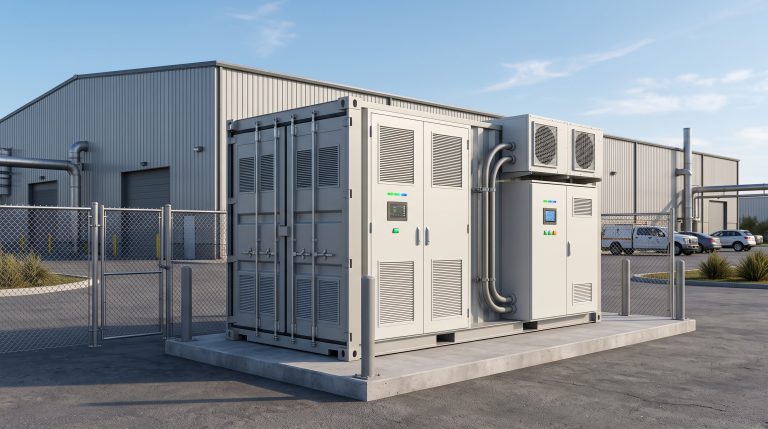
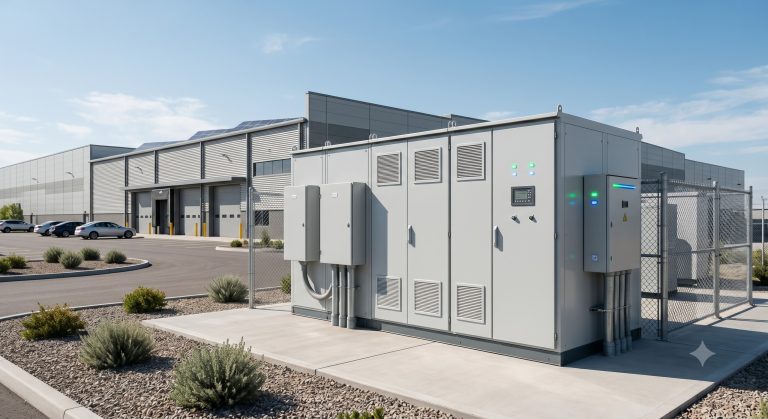
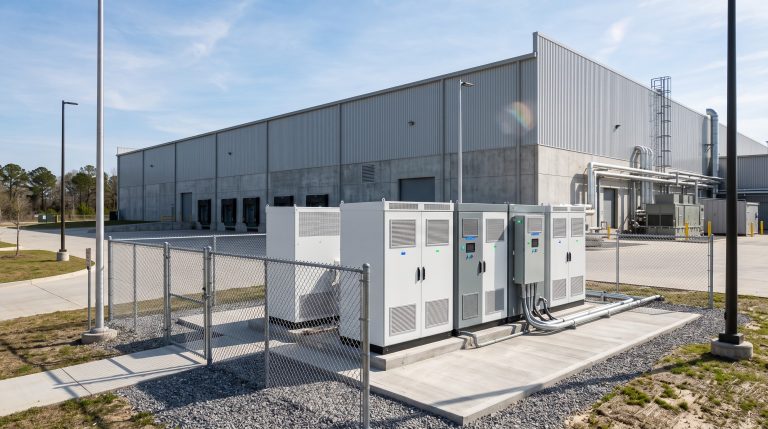
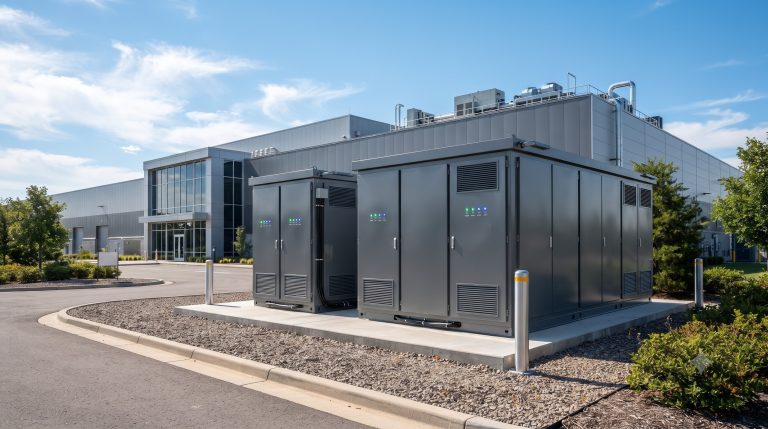
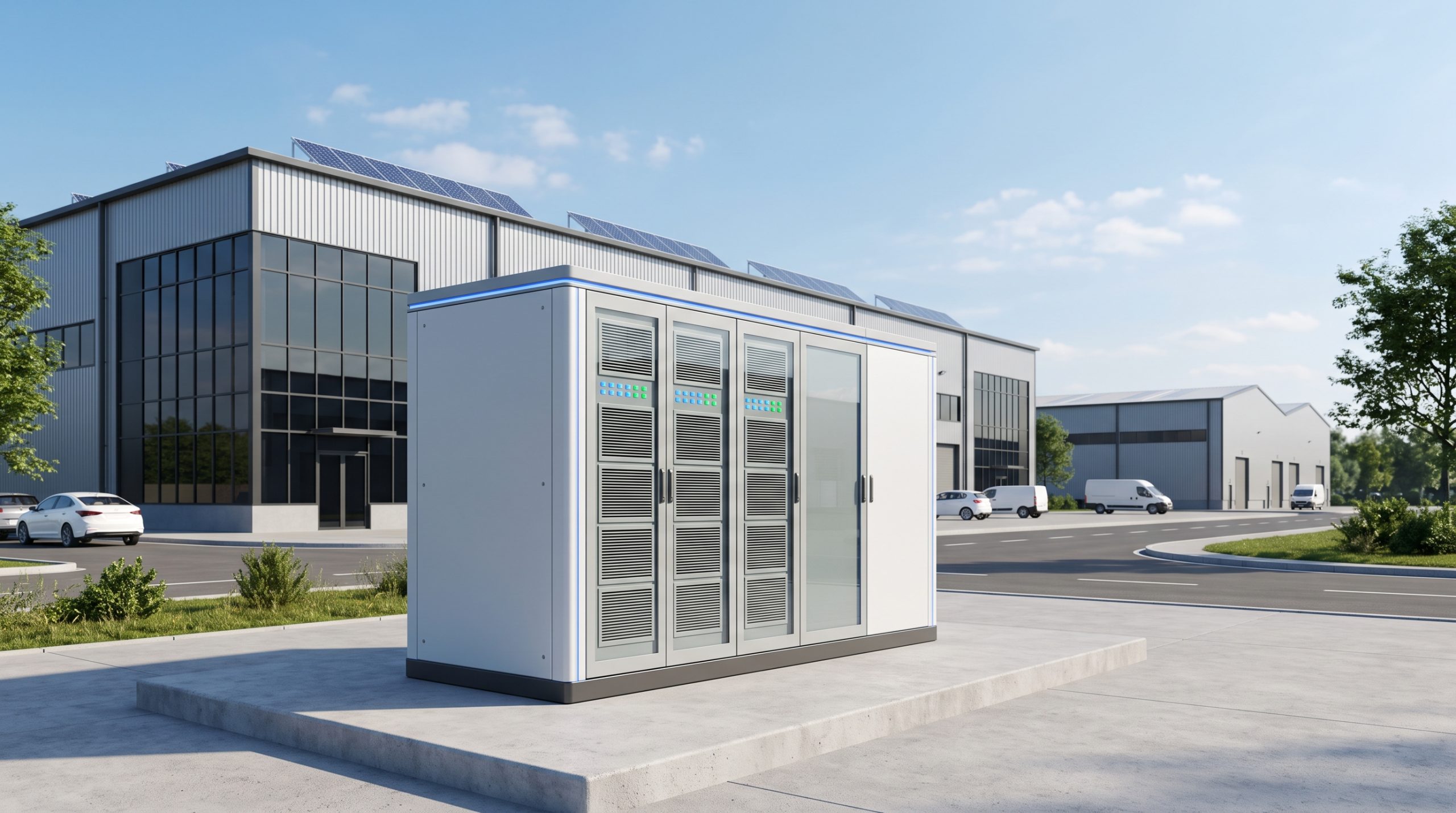
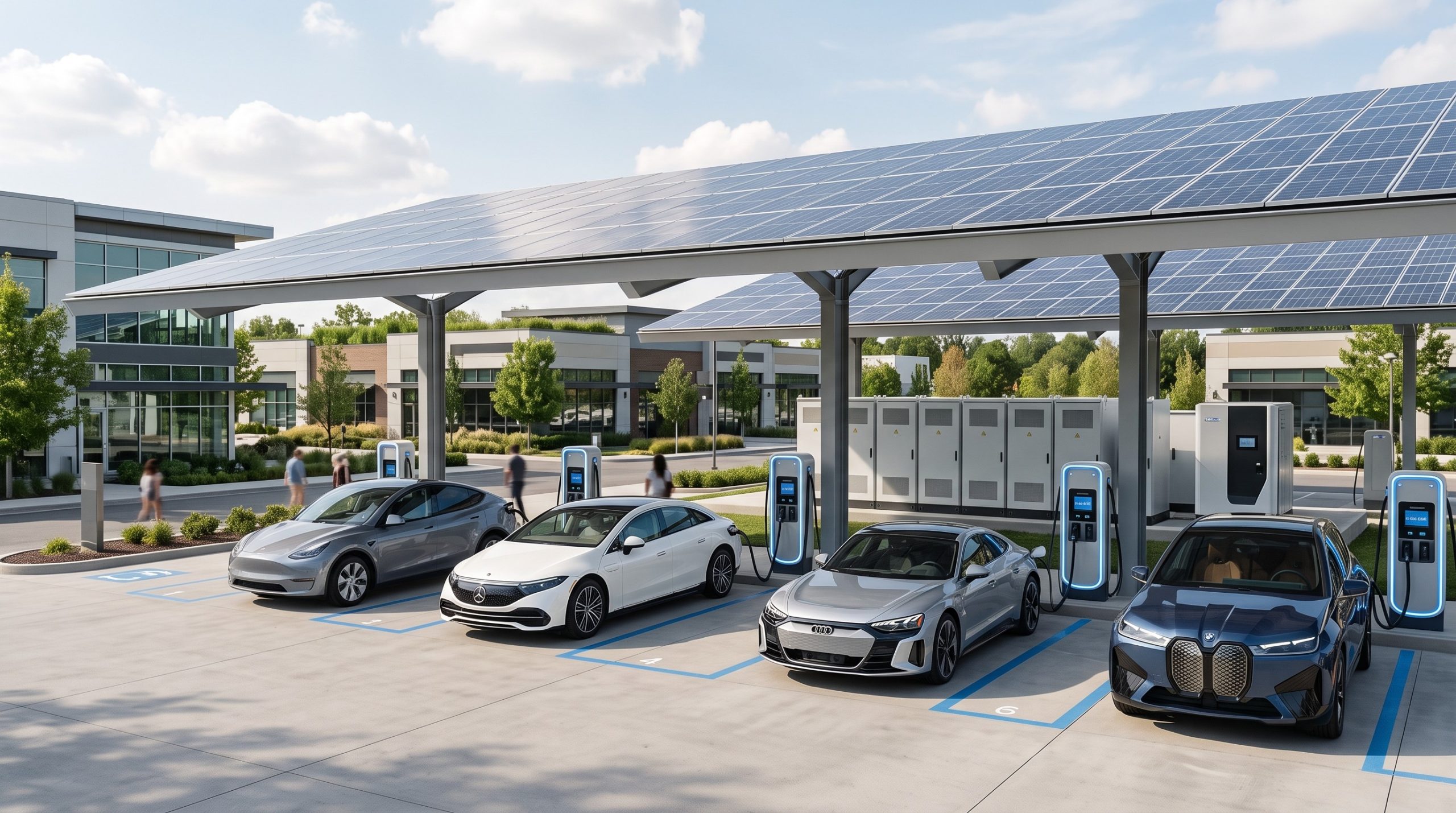
The versatility of custom BESS manufacturing is best illustrated through targeted deployment scenarios. In industrial parks, containerized systems provide behind-the-meter backup during grid outages, ensuring production line continuity and preventing costly downtime. In EV supercharging stations, a custom BESS coupled with PV canopies buffers grid demand, allowing ultra-fast charging (150 kW+ per vehicle) without expensive grid upgrades. Data centers benefit from liquid-cooled BESS units that provide uninterruptible power with a smaller footprint, while microgrids in remote mining operations utilize robust outdoor cabinets (IP54/IP65 rated) that withstand extreme temperatures from -20°C to 50°C.
Conclusion: Securing a Future-Ready Custom BESS Partnership
The transition to a decentralized, decarbonized energy future demands more than standard equipment—it requires a custom BESS engineered for your specific load curve, climate, and commercial objectives. As we have outlined, success hinges on selecting Tier-1 LFP cells, demanding rigorous BMS and PCS integration, and mandating full compliance with UL 9540 and IEC 62619 frameworks. Beyond hardware, the partnership with a manufacturer that offers turnkey delivery, factory acceptance testing (FAT), site acceptance testing (SAT), and remote O&M support is non-negotiable. By anchoring your procurement in the technical and financial metrics presented here, you position your facility not only to withstand grid volatility but to thrive as an active participant in the energy transition.