COMMERCIAL SYSTEMS ENGINEERING REFERENCE MANUAL: LITHIUM BATTERY MATERIAL SAFETY DATA SHEET (MSDS)
1. EXECUTIVE SUMMARY
This document serves as the definitive Material Safety Data Sheet (MSDS) reference for the lithium iron phosphate (LFP) battery systems utilized within our commercial and industrial (C&I) energy storage platforms. In alignment with global regulatory frameworks, including OSHA Hazard Communication Standards, GHS, and REACH, this datasheet provides comprehensive technical guidance on material identification, potential hazards, safe handling protocols, and emergency response procedures.
Our Tier-1 LFP cell chemistry is engineered for intrinsic thermal stability and a reduced risk of thermal runaway compared to conventional lithium-ion chemistries. The cell-level architecture incorporates ceramic-coated separators and flame-retardant electrolytes, delivering a best-in-class safety profile. This MSDS is a mandatory component of the product shipment package and must be retained and accessible to all operational personnel.
2. PRODUCT IDENTIFICATION & COMPOSITION
PRODUCT NAME: Rechargeable Lithium Iron Phosphate (LFP) Battery Module
CHEMICAL SYSTEM: LiFePO4 / Graphite with LiPF6-based electrolyte
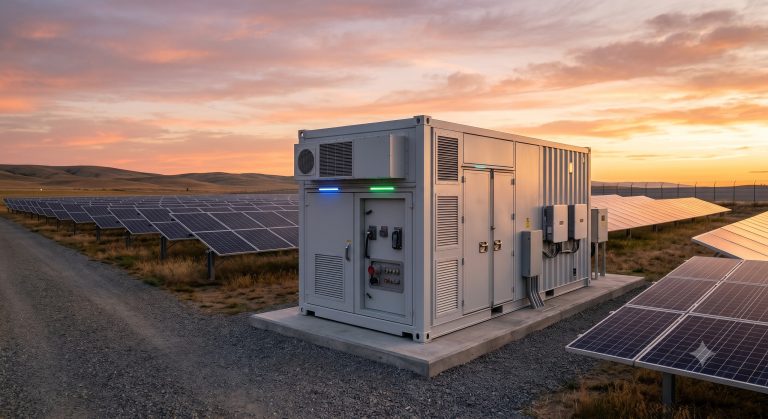
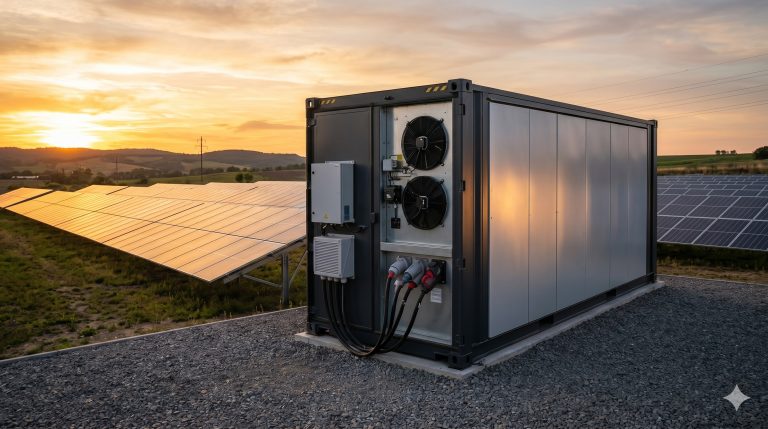
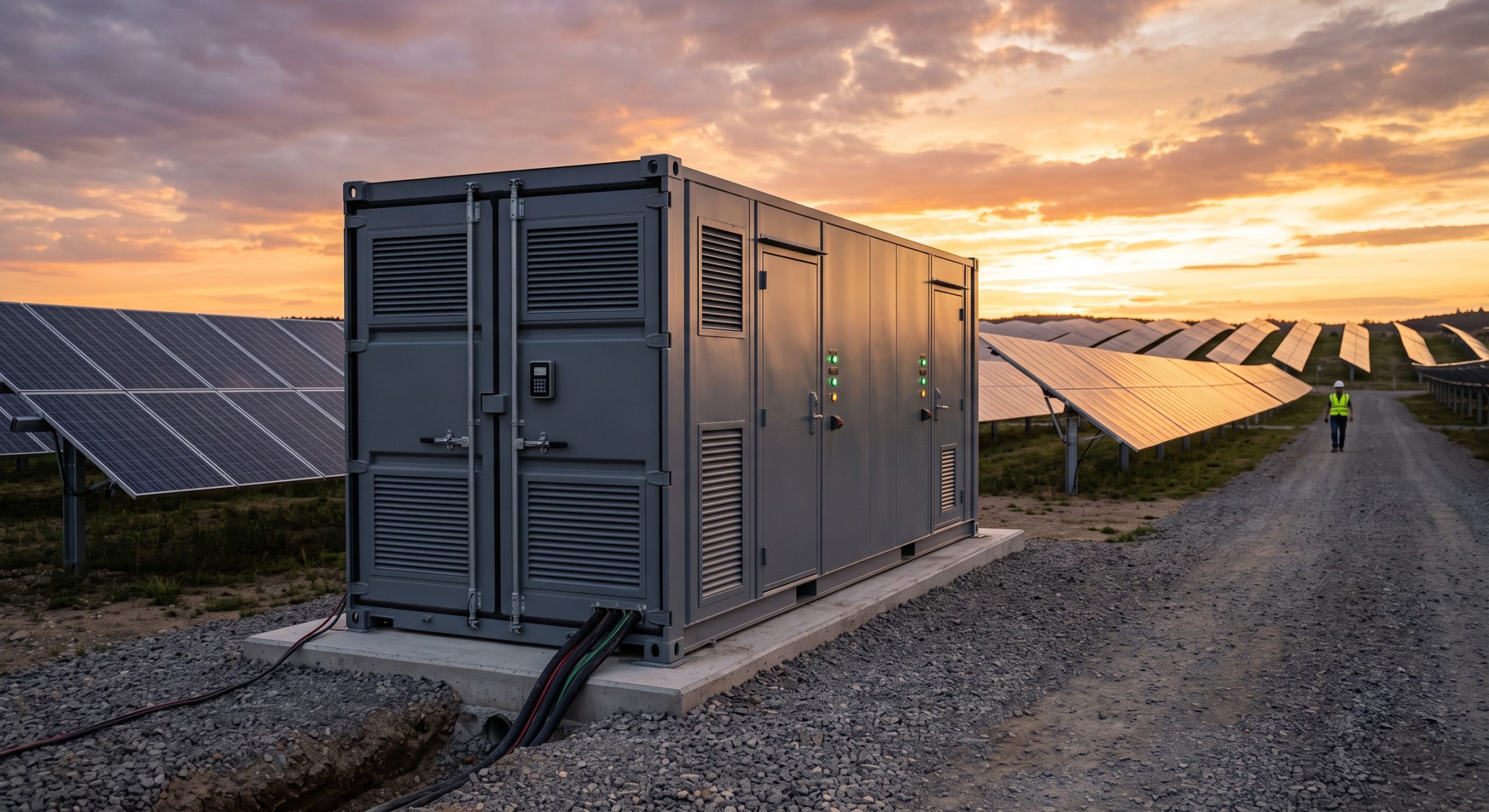
PHYSICAL FORM: Rigid prismatic aluminum-cased cells, assembled into IP66-rated modular enclosures.
HAZARDOUS INGREDIENTS:
– Lithium Iron Phosphate (LiFePO4): 30-45%
– Graphite (C): 15-25%
– Polyvinylidene Fluoride (PVDF) Binder: 2-5%
– Electrolyte (LiPF6 in organic carbonates): 10-15%
– Aluminum and Copper Foils (current collectors): 20-30%
NOTE: The electrolyte is the primary material of concern, classified as Flammable Liquid (Category 3) and Acute Toxicity (Oral, Category 4).
3. INTERNAL BESS TOPOLOGY & HAZARD IDENTIFICATION
The battery system is composed of series-parallel strings connected to a high-voltage DC bus (up to 1500Vdc). The principal hazards are:
– FIRE / EXPLOSION: In the event of severe mechanical abuse (crushing, penetration) or thermal runaway, flammable gases (including hydrogen, carbon monoxide, and volatile organic compounds) may be released. Combustion can generate toxic fumes containing hydrogen fluoride (HF).
– ELECTRICAL SHOCK: The system operates at high voltage and current. Even when disconnected, capacitors retain a hazardous charge.
– CHEMICAL EXPOSURE: The electrolyte is corrosive and can cause severe irritation. In cases of cell rupture, personnel are at risk of dermal and ocular exposure to LiPF6 and solvent vapors.
– THERMAL HAZARD: Operating temperatures exceeding 60°C (140°F) accelerate aging and may trigger protective shutdowns; sustained overtemperature indicates a systemic fault.
4. THERMAL PROTECTION MECHANISMS & RUNAWAY SUPPRESSION
Our integrated Multi-Level Protection Architecture directly mitigates the risks identified in the MSDS:
– CELL-LEVEL: Each cell features a Current Interrupt Device (CID) and a Positive Temperature Coefficient (PTC) thermistor for overcurrent and overtemperature protection.
– MODULE-LEVEL: High-temperature-resistant insulation and flame-retardant (UL94 V-0) plastic frames isolate individual cells.
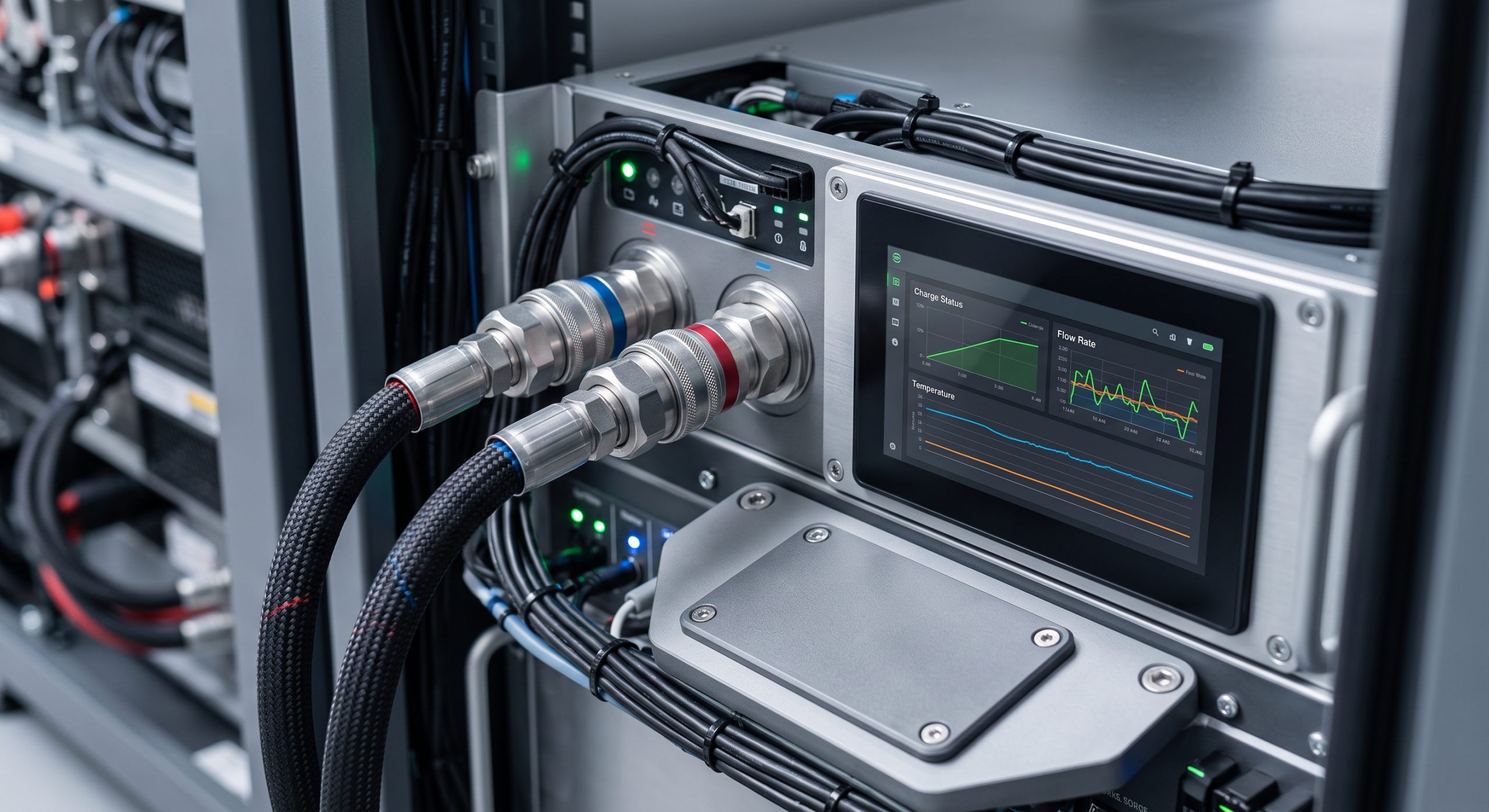
– SYSTEM-LEVEL: The Battery Management System (BMS) provides continuous monitoring of voltage, current, and temperature, initiating a soft-shutdown or hard-disconnect via the DC contactor.
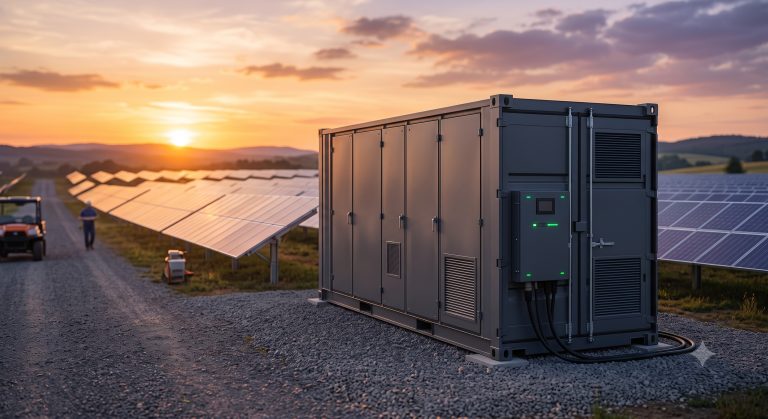
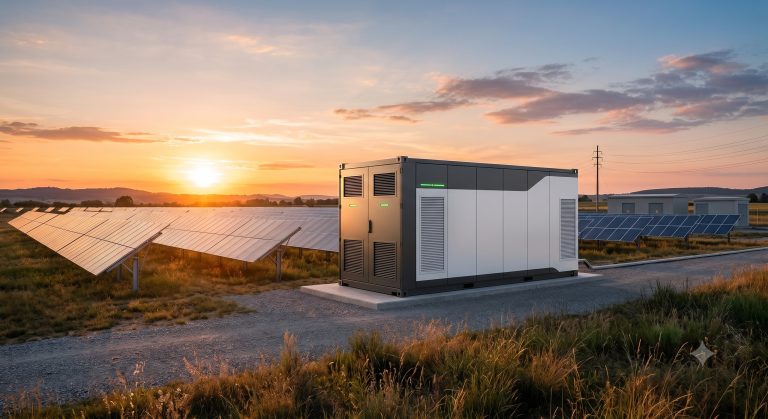
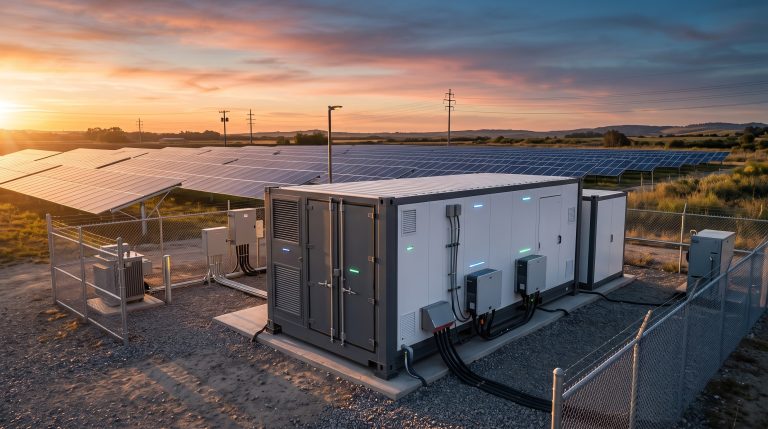
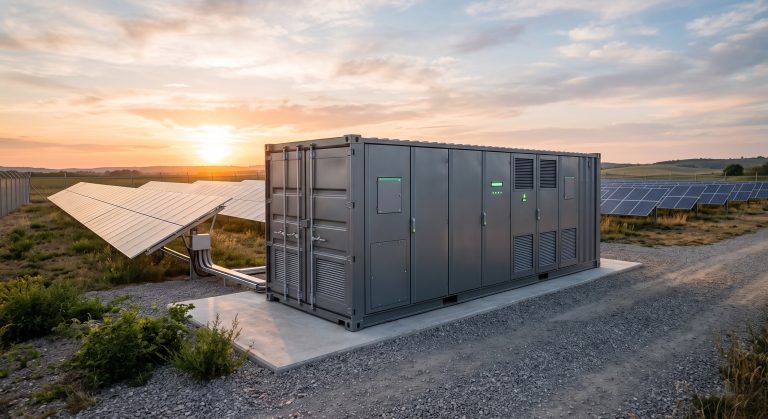
– SUPPRESSION ENGINE: The container/cabinet is equipped with an Aerosol or FM-200 fire suppression system, triggered by dual-sensor (heat/smoke) detection.
OPERATIONAL ADVANTAGES: The LFP chemistry offers exceptional safety. The [PO4] tetrahedral structure provides strong covalent bonds, releasing oxygen only at temperatures exceeding 800°C, providing a significant safety margin over NMC chemistry which can react exothermically at lower temperatures.
5. FIRST-AID & FIRE-FIGHTING MEASURES
EYE CONTACT: Flush immediately with copious amounts of water for at least 15 minutes. Seek immediate medical attention.
SKIN CONTACT: Remove contaminated clothing. Wash affected area with soap and water. If irritation persists, seek medical advice.
INHALATION: Move to fresh air. Administer oxygen if breathing is difficult. If symptoms (coughing, wheezing) develop, seek medical attention immediately.
INGESTION: Do not induce vomiting. Rinse mouth. Seek immediate medical attention.
FIRE-FIGHTING GUIDANCE:
– EXTINGUISHING MEDIA: Use Class D extinguishers (for metal fires) or water fog/spray. DO NOT use CO₂ or dry chemical extinguishers, as they are ineffective for metal fires.
– SPECIAL PROCEDURES: Firefighters should wear Self-Contained Breathing Apparatus (SCBA) and full protective gear. Evacuate downwind areas due to risk of toxic fumes.
– RUNOFF: Contaminated firefighting water must be contained and prevented from entering waterways.
6. SPECIFICATION MATRIX & TECHNICAL PARAMETERS
| Parameter | Specification / Value |
|---|---|
| Nominal Capacity (per module) | 5.4 kWh |
| System Capacity (per cabinet) | 215 kWh / 372 kWh (configurable) |
| Nominal Cell Voltage | 3.22 Vdc |
| Electrolyte Composition | LiPF6 in organic carbonates |
| Cooling Method | Forced Air / Active Liquid Cooling (Optional) |
| Cell Chemistry | Tier-1 LFP (LiFePO4) |
| Enclosure Protection Rating | IP66 (Cabinet) / IP67 (Battery Pack) |
TECHNICAL SPECIFICATIONS (Detailed)
– NOMINAL CELL VOLTAGE: 3.22 Vdc
– NOMINAL SYSTEM VOLTAGE: 768 Vdc (Standard configuration)
– OPERATING VOLTAGE RANGE: 648 Vdc ~ 876 Vdc
– MAXIMUM DISCHARGE CURRENT: 1C (Continuous for 1 hour), 1.5C (Peak for 10 min)
– OPERATING TEMP RANGE: -30°C ~ +55°C (Derated above 45°C)
– STORAGE TEMP RANGE: -20°C ~ +45°C (Recommended 15°C ~ 35°C)
– ROUND-TRIP EFFICIENCY: > 94% (at 0.5C, +25°C)
– EXPECTED CALENDAR LIFE: 15+ years (at 25°C, 80% EOL retention)
7. REGULATORY COMPLIANCE & STANDARDS
This MSDS and the associated product are compliant with the following international directives and standards:
– TRANSPORTATION: UN 38.3 (Lithium batteries tested for safe transport).
– SAFETY: UL 1973 (Standard for Batteries for Use in Stationary, Vehicle Auxiliary Power, and Light Electric Rail Applications), UL 9540 (Energy Storage Systems and Equipment).
– PERFORMANCE: IEC 62619 (Secondary cells and batteries for ESS – Safety requirements).
– EMC: EN 61000-6-2 (Industrial immunity) / EN 61000-6-4 (Industrial emissions).
– HAZMAT: Compliant with GHS (Globally Harmonized System) regulations.
8. HANDLING, STORAGE, AND DISPOSAL
HANDLING: Use insulated tools and PPE (insulated gloves, safety glasses, voltage-rated boots). Ensure polarity is observed before connecting. Avoid short circuits. Keep away from water and excessive heat sources.
STORAGE: Store in a cool, dry, and well-ventilated area, away from direct sunlight, corrosive atmospheres, and combustibles. Maintain state-of-charge (SoC) between 30% and 50% for long-term storage (≥ 3 months).
DISPOSAL: This product contains hazardous components. DO NOT incinerate or landfill. It must be collected, segregated, and recycled through a licensed and qualified WEEE (Waste Electrical and Electronic Equipment) or battery recycling facility. The product contains valuable materials (Li, Cu, Al, Fe) suitable for recovery.
9. CONCLUSION
This MSDS is an integral part of the product documentation, emphasizing the rigor of our engineering and commitment to operational safety. Users must ensure that all personnel involved in installation, operation, and maintenance are fully trained on the contents of this document. For further details, please contact the Global Technical Support team at support@energy-storage.com.
📥 Download Technical Specification
Click the button below to view or download the full official PDF datasheet.