Overview
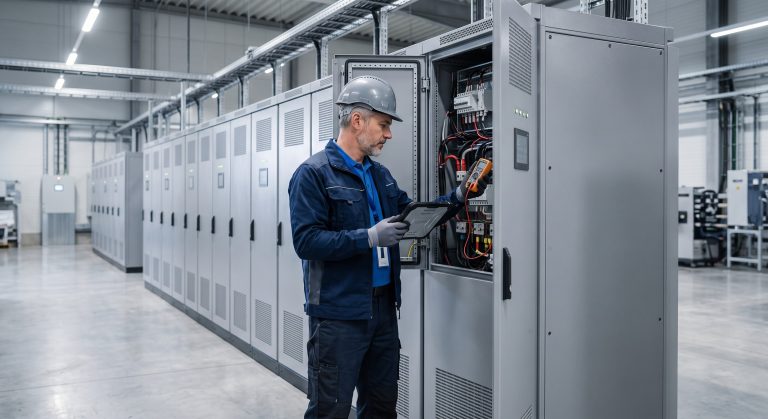
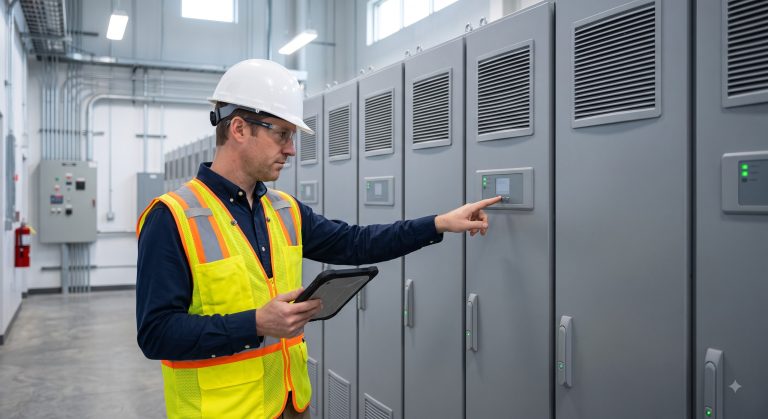
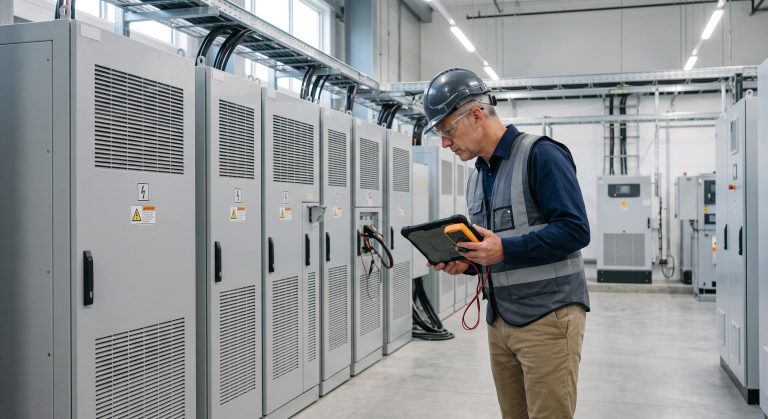
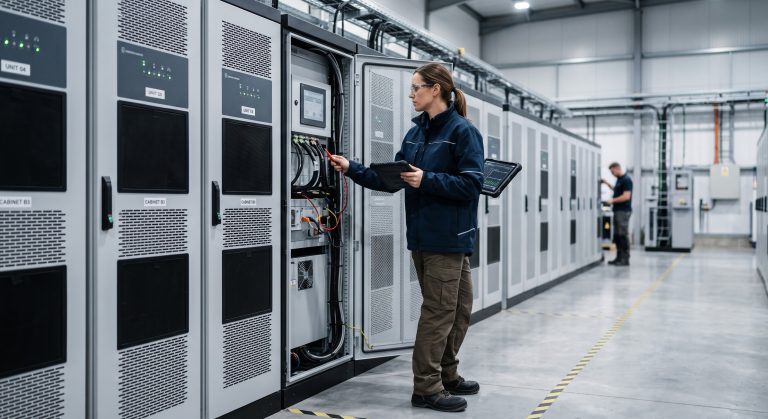
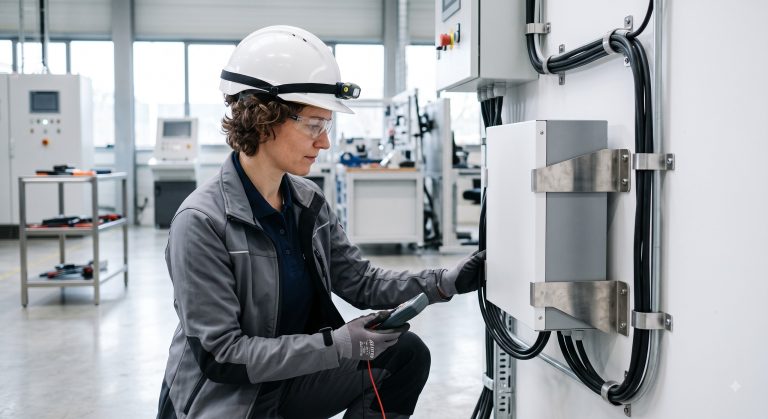
For B2B buyers and engineering procurement teams, supply chain transparency is non-negotiable. At Wantage, we not only permit third-party quality inspections at our R&D center but actively encourage them as part of our commitment to full disclosure and technical excellence. This FAQ addresses the most common pre-sales and post-sales questions we receive from plant engineers, procurement officers, and system integrators regarding inspection protocols, battery chemistry, safety, and system performance.
Frequently Asked Questions
- Q1: Are third-party quality inspections allowed at the Wantage R&D center?
- Yes, third-party quality inspections are not only allowed but are a standard part of our project management protocol. Buyers may arrange for independent inspectors (e.g., SGS, TÜV, or Bureau Veritas) to visit our R&D center to audit production lines, witness cell testing, and verify BMS calibration before shipment. We require a 5-day advance notice and a signed NDA, but we do not charge inspection fees or restrict access to any relevant manufacturing or testing areas.
- Q2: What is the standard cycle life and depth of discharge (DoD) for Wantage BESS?
- The standard cycle life is 6,000 cycles at 90% DoD, with a degradation limit of 80% capacity retention. This is achieved through the use of Tier-1 LFP cells, advanced liquid cooling that maintains cell温差 below 3°C, and an active cell-balancing BMS that prevents over-discharge. At 80% DoD, the cycle life extends to 8,000 cycles, making it ideal for daily peak-shaving applications.
- Q3: How does the liquid cooling system prevent thermal runaway and enhance fire safety?
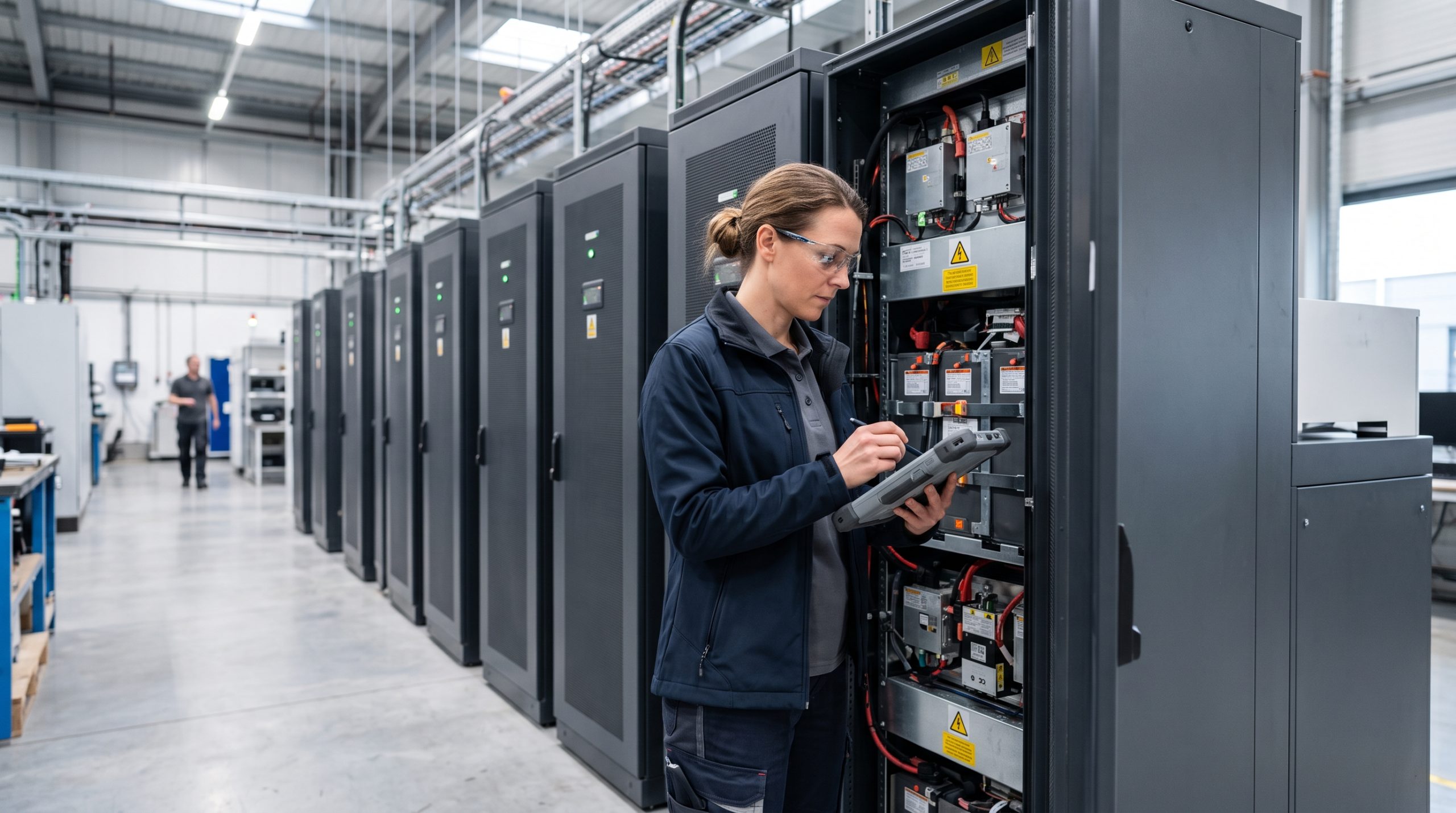
- Our liquid cooling system actively manages cell temperature to prevent thermal runaway, maintaining operating temps between 15°C and 35°C even at 1C charge/discharge rates. In addition, each cabinet is equipped with a multi-tier fire safety mechanism that includes early gas detection (H2, CO), aerosol-based suppression, and automatic isolation of affected modules. This is in full compliance with UL 9540A and NFPA 855 standards.
- Q4: Can the Wantage BESS scale from 500kW to 10MW+ without replacing the core EMS?
- Yes, our system is designed for modular expansion via parallel cabinet connectivity and a custom DC busbar linkage. You can start with a 500kW/1MWh unit and scale up to 10MW+ by simply adding cabinets in parallel. The Local Energy Management System (EMS) automatically detects new cabinets and optimizes dispatch accordingly, supporting both AC-coupled and DC-coupled PV-storage-charging configurations.
- Q5: How do I calculate ROI and peak-shaving arbitrage for my facility?
- ROI is calculated by comparing the Levelized Cost of Energy (LCOE) of the BESS against your local utility’s time-of-use rates. Our system achieves a round-trip efficiency of 94%, minimizing conversion losses. For a typical 1MW/2MWh system, you can expect to shave peak demand by 30-40%, yielding a payback period of 3-5 years depending on regional arbitrage spreads. We provide a detailed ROI modeling tool during the pre-sales stage.
- Q6: What is the difference between grid-tie and off-grid configuration for the BESS?
- The grid-tie configuration is designed for peak-shaving and demand response, operating in parallel with the utility grid. The off-grid (islanding) configuration uses the bi-directional PCS to form a local micro-grid, providing seamless backup power during grid outages. Our system supports both modes and can switch automatically via the EMS, making it ideal for industrial facilities that require high reliability.
- Q7: How does the BMS monitor inter-cell balancing and what alerts are provided?
- The active BMS monitors each cell’s voltage, temperature, and internal resistance in real-time, performing passive or active balancing to keep cell-to-cell variance within ±5mV. Alerts are categorized into three levels: Warning (e.g., imbalance >10mV), Alarm (e.g., over-temperature), and Critical (e.g., isolation fault). All alerts are pushed to the cloud-based monitoring platform and can be integrated with your existing SCADA via Modbus or API.
- Q8: What international standards does the Wantage BESS comply with for safety and interconnection?
- Our systems are fully certified to UL 9540 (energy storage systems), UL 9540A (thermal runaway fire propagation), IEC 62619 (safety requirements for secondary lithium cells), and CE (European Conformity). For grid interconnection, we comply with IEEE 1547 and VDE-AR-E 2510-2. All certifications are available for review during your inspection visit.