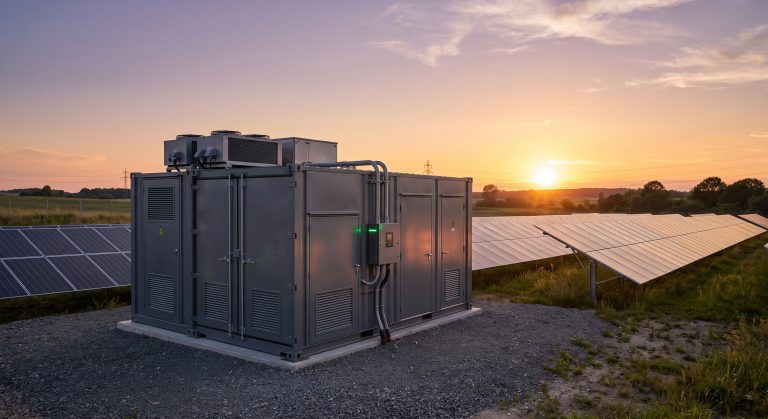
EXECUTIVE SUMMARY
This document serves as the definitive technical overview and datasheet for the life cycle testing and validation framework applied to our Tier-1 Lithium Iron Phosphate (LiFePO4) battery cells. Designed for the rigorous demands of commercial and industrial (C&I) energy storage systems (BESS), this document outlines the comprehensive testing protocols, performance benchmarks, and durability assurances that underpin our industry-leading warranty and operational reliability. Our testing regime goes beyond standard certification, encompassing real-world use-case simulations to guarantee long-term, safe, and efficient operation across the entire system lifespan.

SYSTEM ARCHITECTURE & SAFETY
The foundation of our system’s unparalleled reliability is the intrinsic safety and stability of the LiFePO4 chemistry, validated through an exhaustive life cycle testing protocol. The architecture of our testing framework is multi-layered, starting from the individual cell level and scaling to full system integration.
CORE TESTING PHILOSOPHY
– ABUSE TOLERANCE: The testing program rigorously assesses cell behavior under extreme conditions, including overcharge, over-discharge, short circuit, and thermal stress (e.g., nail penetration and crush tests). LiFePO4’s inherently robust olivine crystal structure provides superior resistance to thermal runaway, a critical safety advantage for large-scale deployments.
– PERFORMANCE OPTIMIZATION: Our testing is not merely about survival but about sustained performance. We meticulously map the cell’s capacity fade, impedance growth, and coulombic efficiency over thousands of cycles to provide predictable and bankable performance data for asset owners.
– QUALITY ASSURANCE: From the initial batch-level inspection to ongoing production line sampling, our proprietary testing hardware and software ensure every cell meets our stringent baseline specifications before integration into the final BESS platform.
KEY FEATURES
– EXTENDED CYCLE LIFE: Validated through our proprietary testing, we guarantee a cycle life of >6,000 cycles at 25°C and 80% Depth of Discharge (DoD), with a terminal capacity retention of ≥70%. This ensures project bankability and long-term ROI.
– COMPREHENSIVE SAFETY VALIDATION: All cells pass the stringent UL 9540A and IEC 62619 standards for thermal runaway propagation and safety, with our testing data confirming zero propagation to adjacent cells in a module.
– REAL-WORLD TESTING SIMULATIONS: Our life cycle tests include dynamic charge/discharge profiles that replicate the unpredictable nature of renewable energy generation (e.g., solar PV) and grid arbitrage, ensuring the system is robust enough for real-world applications.
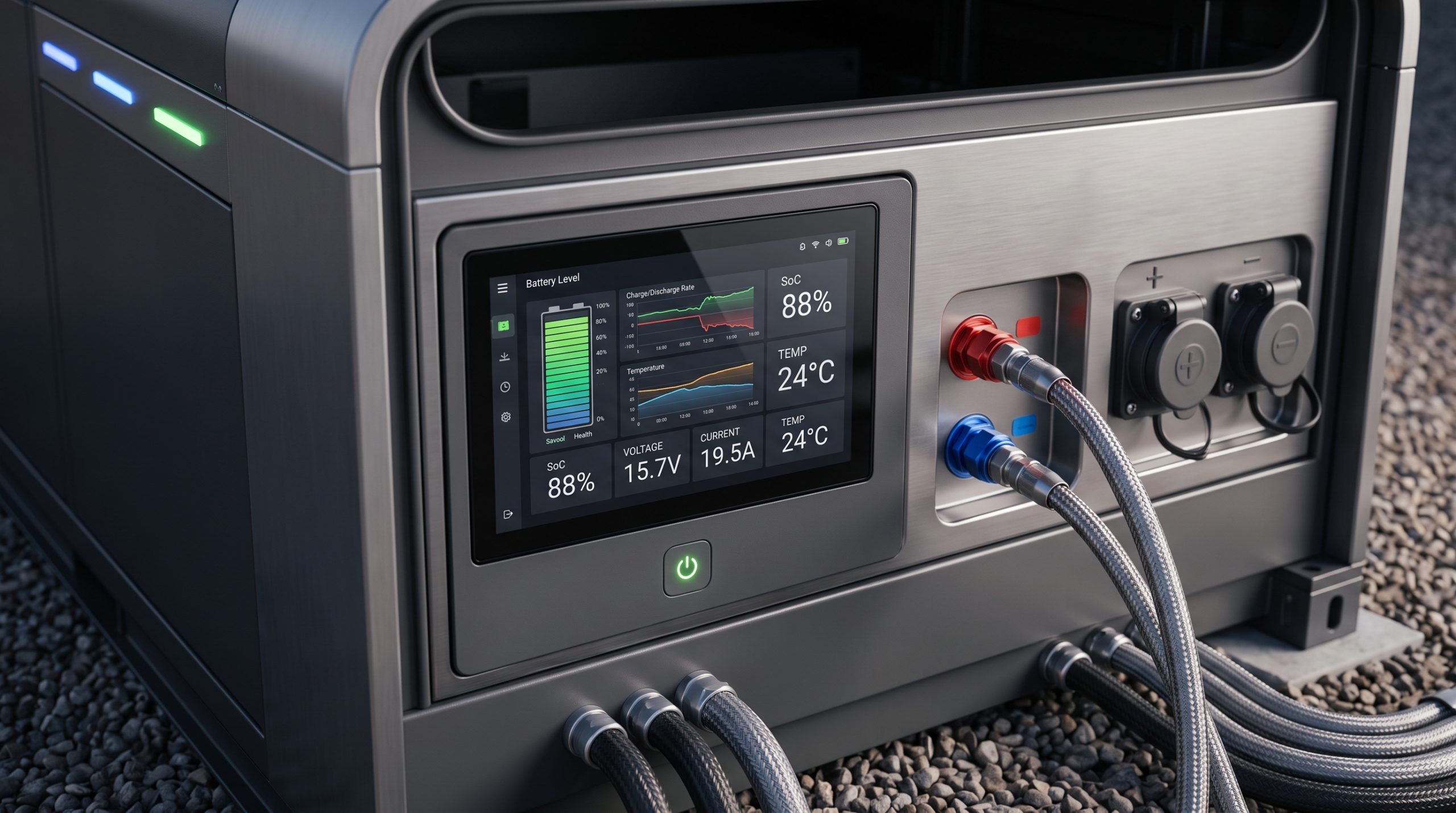
– PRECISE STATE ESTIMATION: Through rigorous testing, we have developed advanced algorithms that provide highly accurate State of Health (SoH) and State of Charge (SoC) estimations, ensuring the Battery Management System (BMS) can optimize performance and safety throughout the asset’s life.
COMPLIANCE & STANDARDS
Our life cycle testing protocol and the resulting cell performance are fully compliant with the most stringent international safety and performance standards. This ensures seamless integration and acceptance in global markets, simplifying the procurement and permitting process for our clients.
– UL 9540A: Standard for Test Method for Evaluating Thermal Runaway Fire Propagation in Battery Energy Storage Systems. Our cell-level testing is designed to provide the critical data required for large-scale system safety certification.
– IEC 62619: International standard for the safety requirements for secondary lithium cells and batteries. Our testing ensures the cells meet all requirements for electrical, mechanical, and environmental safety.
– UN 38.3: Mandatory transportation safety standard for lithium batteries. Our cells are certified, ensuring safe and compliant shipping and logistics.
– Additional Compliance: Our testing data supports compliance with key regional directives, including EU Battery Regulation (2023/1542) and UKCA standards.
TECHNICAL SPECIFICATIONS
| Parameter | Specification |
|---|---|
| Cell Chemistry | Lithium Iron Phosphate (LiFePO4 / LFP) |
| Nominal Cell Capacity | 280 Ah / 305 Ah / 314 Ah |
| Nominal Cell Voltage | 3.2 V |
| Cycle Life (25°C, 80% DoD, EOL 70% SOH) | > 6,000 Cycles |
| Cycle Life (25°C, 90% DoD, EOL 70% SOH) | > 4,500 Cycles |
| Operating Temperature Range (Charge) | 0°C to 55°C |
| Operating Temperature Range (Discharge) | -20°C to 60°C |
| Storage Temperature Range | -30°C to 60°C |
| Standard Charge/Discharge Rate | 0.5P / 0.5P |
| Maximum Pulse Discharge Rate | 1P (≤ 60s) |
| Internal Resistance (AC, 1kHz) | ≤ 0.25 mΩ |
| Safety Standards | UL 9540A, IEC 62619, UN 38.3 |
| Weight (per cell) | ~5.5 kg |
| Dimensions (LxWxH) | TBD (e.g., 173.5 x 71.5 x 204.5 mm) |
INDUSTRIAL DEPLOYMENT
The data derived from this robust life cycle testing protocol is the cornerstone of our project development. It provides our engineering, procurement, and construction (EPC) partners and asset owners with the confidence needed to design, finance, and operate large-scale energy storage projects.
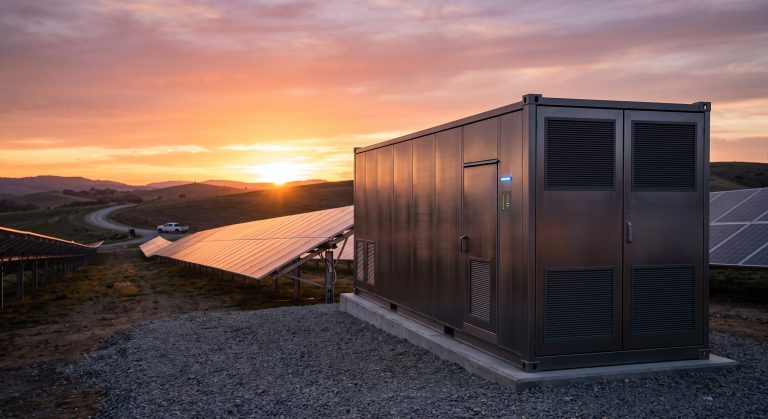
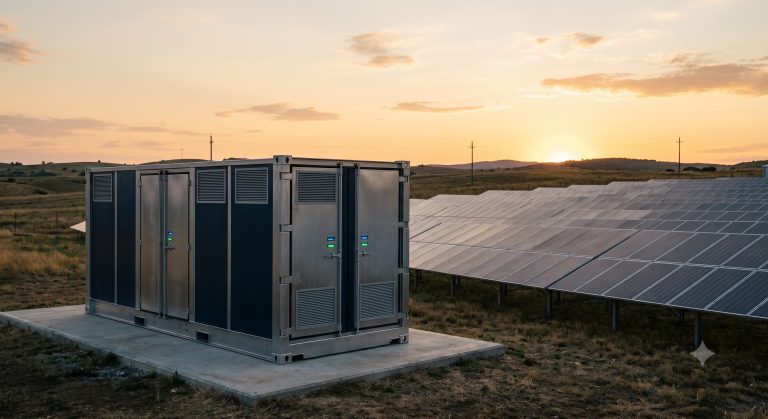
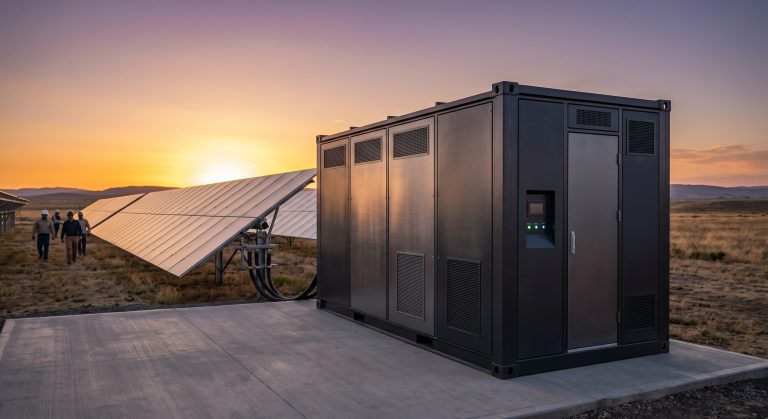
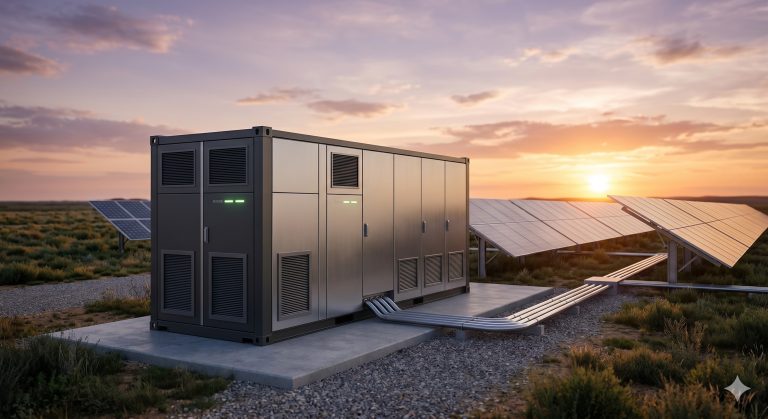
Our comprehensive test data allows for precise modeling of system performance over its lifetime, enabling accurate predictions for revenue streams in energy arbitrage and frequency regulation markets. The documented safety performance ensures that our systems meet the strictest requirements for installation in densely populated urban environments, industrial parks, and co-located with renewable generation sites. By choosing our validated LiFePO4 cells, clients are not just purchasing a product; they are investing in a proven, safe, and high-performance energy storage asset.
📥 Download Technical Specification
Click the button below to view or download the full official PDF datasheet.