EXECUTIVE SUMMARY
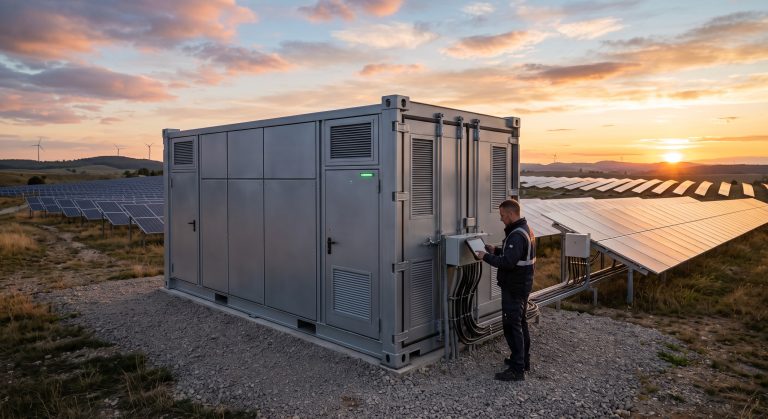
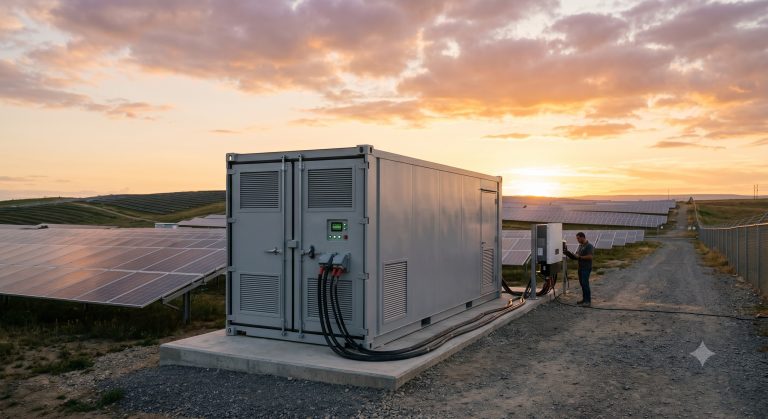
The Utility-scale project qualification certificate represents the definitive compliance and performance validation framework for large-scale battery energy storage system (BESS) deployments. This official certification document serves as the authoritative reference for project developers, EPC contractors, investors, and grid operators seeking to validate the technical readiness, safety integrity, and grid-code conformity of utility-scale energy storage assets. Issued in accordance with internationally recognized standards and rigorous third-party audit protocols, this certificate confirms that the subject BESS platform has successfully completed comprehensive type testing, factory acceptance testing, and site-specific engineering reviews. The qualification certificate is a mandatory prerequisite for grid interconnection approval, insurance underwriting, and long-term performance guarantee activation in most regulated energy markets. This document outlines the certification scope, technical architecture, compliance framework, and deployment prerequisites for utility-scale project qualification.
SYSTEM ARCHITECTURE & SAFETY
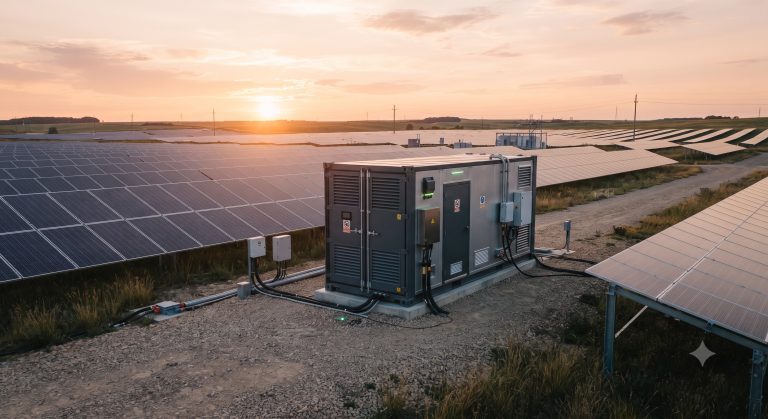
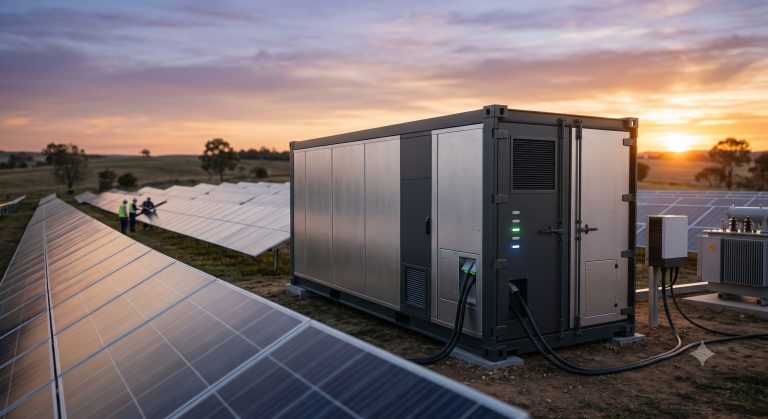
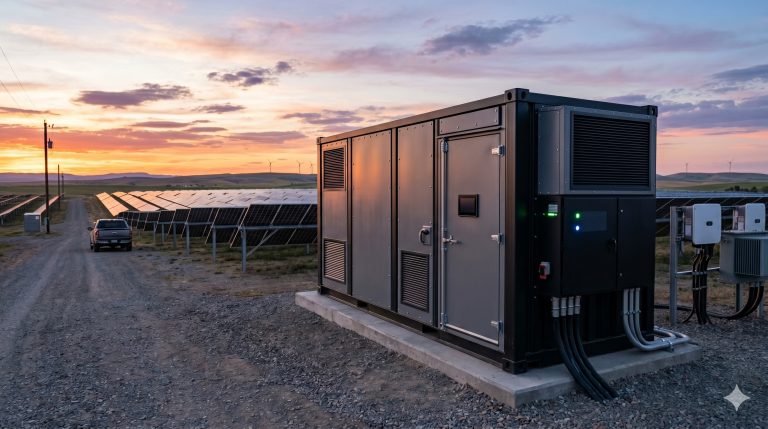
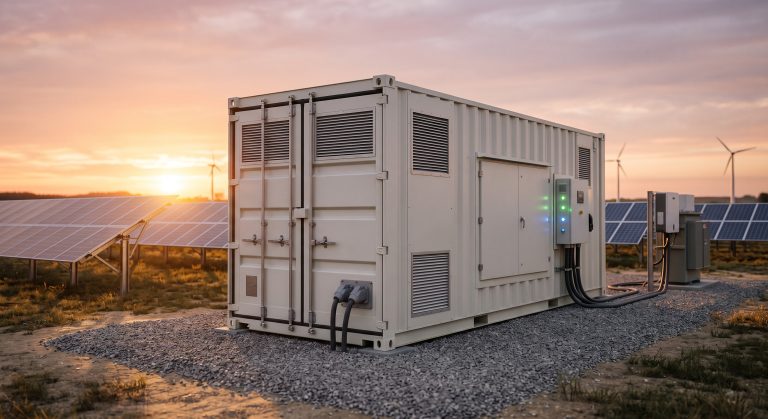
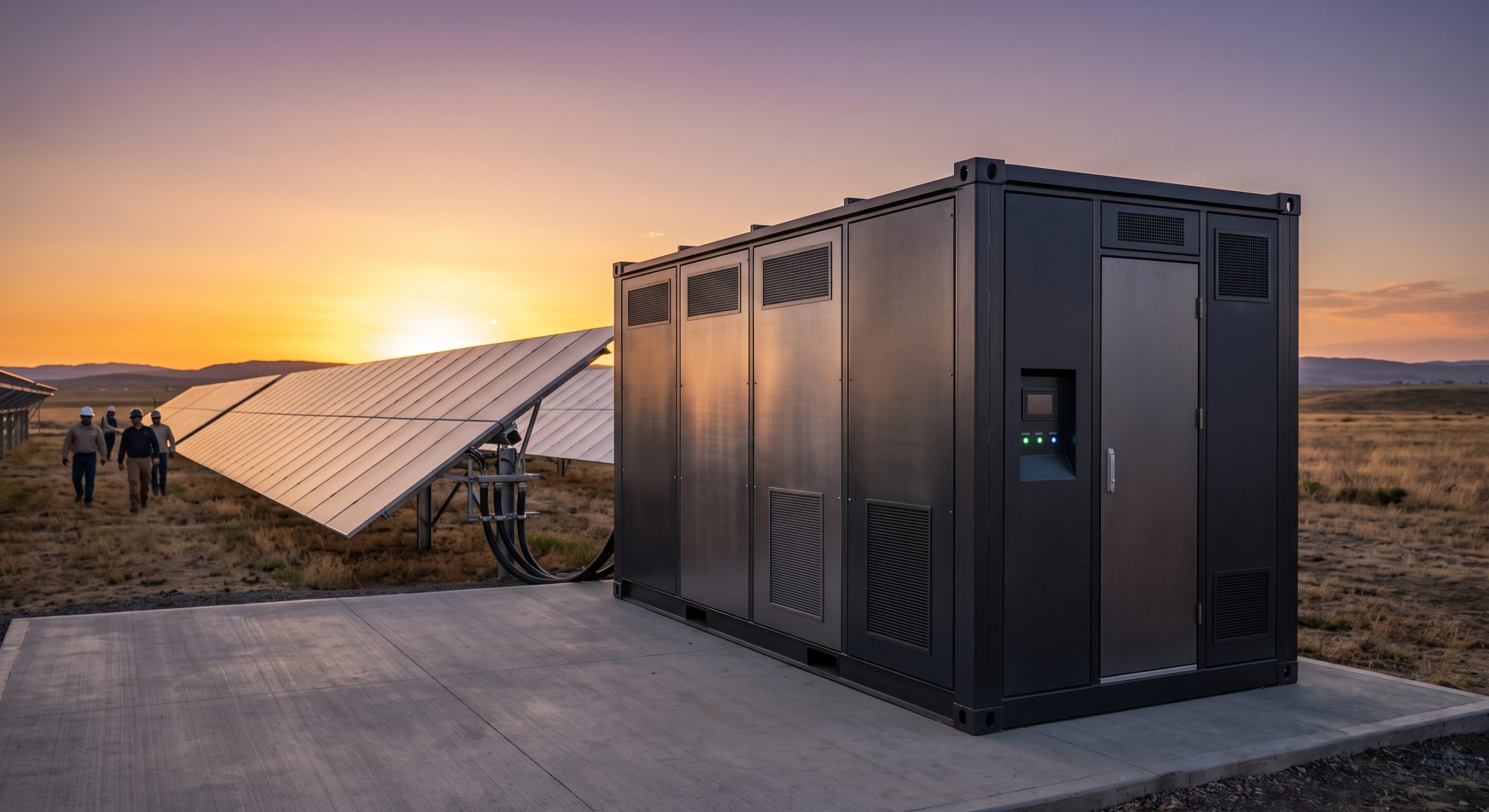
The utility-scale BESS platform addressed by this qualification certificate is engineered around a modular, containerized architecture that scales from 1 MW / 2 MWh to 500 MW / 2 GWh and beyond. Each storage container integrates Tier-1 lithium iron phosphate (LFP) cells, a high-efficiency bi-directional power conversion system (PCS), an intelligent battery management system (BMS), and a multi-level thermal management subsystem. The safety architecture follows a defense-in-depth philosophy comprising cell-level ceramic coating separators, module-level aerosol fire suppression, rack-level gas detection and exhaust, container-level water mist or perfluorohexanone suppression, and site-level emergency response integration. The system is designed to meet UL 9540, UL 9540A, IEC 62619, IEC 62933, NFPA 855, and IEEE 1547 grid interconnection requirements. The qualification certificate validates that the platform has passed cell nail penetration, module overcharge, container fire propagation, and seismic vibration tests under witness of accredited third-party laboratories.
KEY FEATURES
– Certified Grid Compliance: Fully validated against IEEE 1547, UL 1741 SB, and local grid codes for seamless interconnection.
– Tier-1 LFP Chemistry: High-cycle-life LFP cells with >8,000 cycles at 80% depth of discharge and enhanced thermal stability.
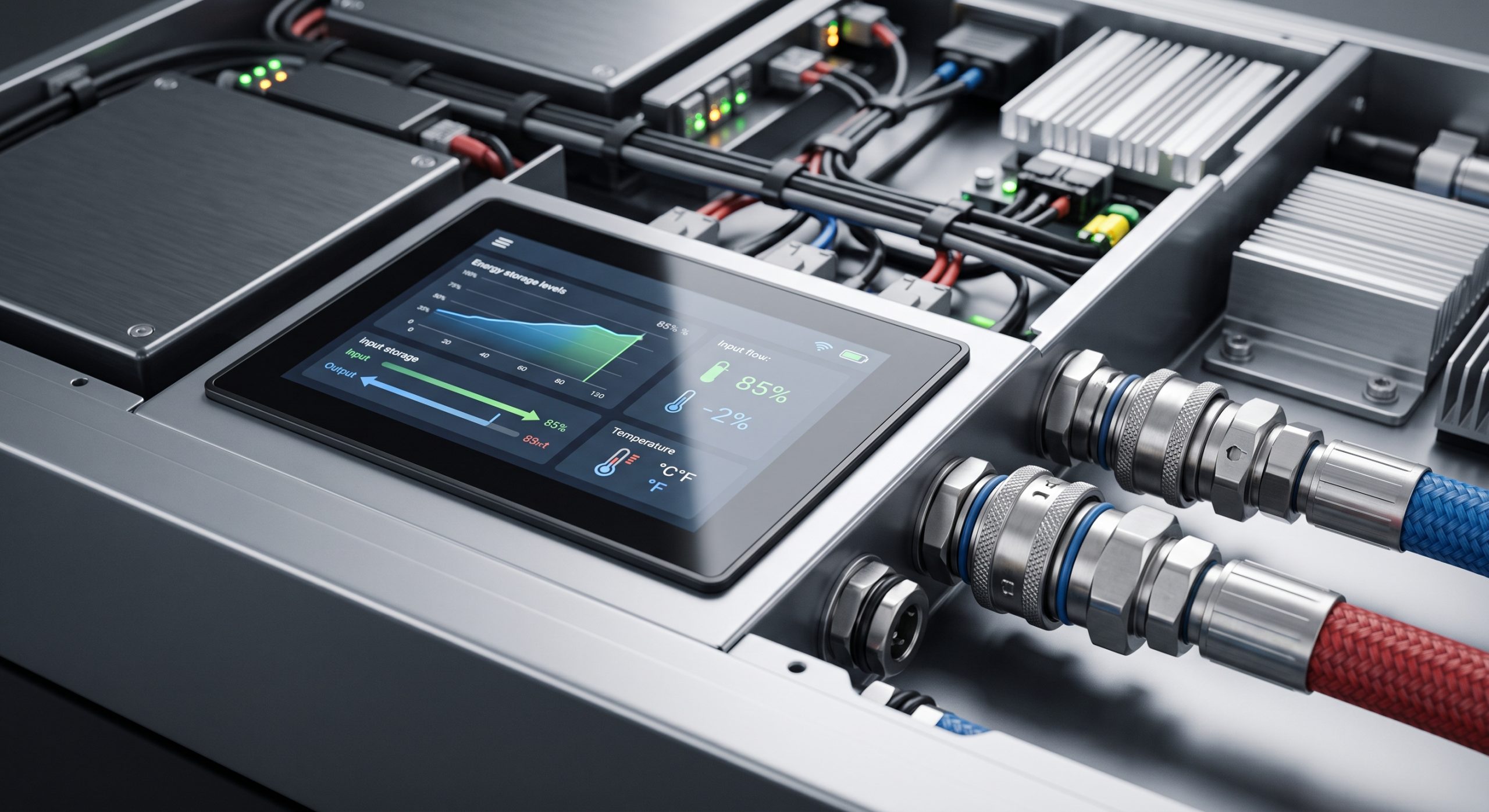
– Liquid Cooling Architecture: Uniform cell temperature differential <3°C, enabling extended calendar life and reduced derating.
- Multi-Level Fire Suppression: Cell, module, rack, and container-level detection and suppression with NFPA 855 compliance.
- Scalable Modular Design: Standard 20-foot and 40-foot container formats with parallel expansion up to 500 MWh per site.
- Smart EMS Integration: Open protocol (Modbus TCP, IEC 61850) interface for SCADA, AGC, and market dispatch integration.
- Comprehensive Warranty: 10-year performance guarantee backed by the qualification certificate and third-party insurance.
COMPLIANCE & STANDARDS
The Utility-scale project qualification certificate is issued only after successful completion of the following compliance verification activities:
- Type testing per UL 9540 and UL 9540A for system-level safety and thermal runaway propagation.
- Cell and module testing per IEC 62619, UL 1642, and UN 38.3 for transportation and operational safety.
- Grid interconnection testing per IEEE 1547.1, UL 1741 SB, and applicable regional grid codes.
- Environmental testing per IEC 60068 for temperature, humidity, vibration, and salt spray.
- Quality management system audit per ISO 9001 and manufacturing audit per ISO 14001.
- Cybersecurity assessment per IEC 62443 for EMS and communication interfaces.
- Fire suppression system certification per NFPA 855 and FM Global datasheets.
- Seismic qualification per IEEE 693 and local building codes for the target project site.
TECHNICAL SPECIFICATIONS
The following specification matrix represents the certified baseline configuration covered by this qualification certificate. Project-specific configurations may vary within the approved envelope.
| Parameter | Specification |
|---|---|
| Certificate Scope | Utility-scale BESS platform, 1 MW to 500 MW |
| Nominal Capacity Range | 2 MWh to 2 GWh per site |
| Cell Chemistry | Tier-1 LFP (Lithium Iron Phosphate) |
| Cooling Method | Smart Liquid Cooling |
| System Efficiency | ≥ 95% round-trip at 0.5C |
| Cycle Life | ≥ 8,000 cycles at 80% DoD, 25°C |
| Operating Temperature | -30°C to +55°C (ambient) |
| Fire Suppression | Multi-level: aerosol, gas, water mist |
| Grid Compliance | IEEE 1547, UL 1741 SB, IEC 62933 |
| Safety Standards | UL 9540, UL 9540A, NFPA 855, IEC 62619 |
| Communication Protocols | Modbus TCP, IEC 61850, DNP3 |
| Certification Validity | 24 months from date of issue |
| Warranty | 10-year performance guarantee |
| Enclosure Rating | IP54 / NEMA 3R (outdoor container) |
INDUSTRIAL DEPLOYMENT
The Utility-scale project qualification certificate is applicable to a wide range of deployment scenarios, including renewable energy smoothing, peak shaving, frequency regulation, spinning reserve, black start capability, and energy arbitrage. The certificate is recognized by major grid operators, independent system operators (ISOs), regional transmission organizations (RTOs), and financial institutions as evidence of technical and safety readiness. Deployment prerequisites include a completed site feasibility study, grid impact assessment, fire department approval, and installation by a certified EPC partner. The qualification certificate remains valid for a period of 24 months from the date of issue, subject to periodic surveillance audits and firmware version control. Renewal requires submission of updated test reports and confirmation of no major design changes. This certificate does not replace project-specific permits, interconnection agreements, or insurance policies, but serves as the foundational technical document enabling their issuance.
📥 Download Technical Specification
Click the button below to view or download the full official PDF datasheet.