Introduction
As global energy transitions accelerate, Commercial & Industrial (C&I) enterprises are increasingly turning to Containerized Energy Storage Systems (Container ESS) to achieve energy independence, reduce operational costs, and support grid stability. However, the reliability of these systems hinges on rigorous factory testing protocols. This comprehensive guide delves into the essential testing methodologies, from cell-level validation to full system integration, ensuring that your BESS investment delivers superior performance, safety, and long-term ROI.
Core Architecture & Battery Management Systems (BMS)
System Topology and Tier-1 LFP Integration
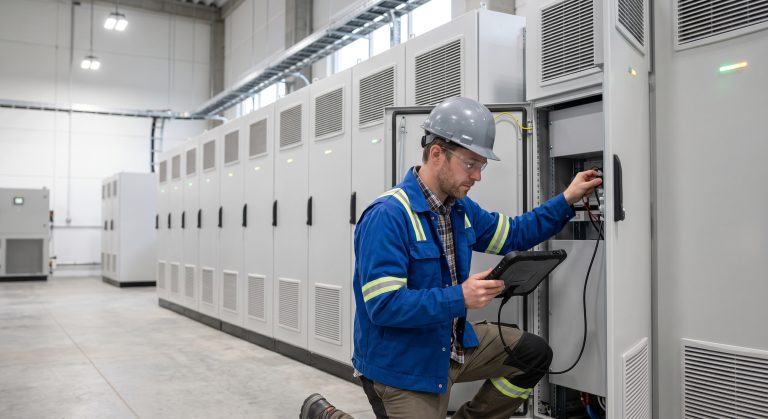
A robust Container ESS integrates Tier-1 LFP (Lithium Iron Phosphate) battery modules with a sophisticated Battery Management System (BMS) and Power Conversion System (PCS). During factory testing, the BMS undergoes rigorous validation to ensure precise State of Charge (SoC) and State of Health (SoH) estimation, which is critical for preventing overcharge, deep discharge, and thermal events.
PCS Bi-Directional Conversion Testing
The PCS converts AC to DC for charging and DC to AC for discharging. Factory testing measures conversion efficiency under varying loads, often achieving >98% peak efficiency. Tests include grid synchronization, power factor correction, and response to grid frequency fluctuations to ensure seamless grid-following and grid-forming capabilities.
EMS Smart Dispatch Logic
At the heart of operational intelligence is the Energy Management System (EMS). Factory testing simulates real-world scenarios like peak shaving, load shifting, and demand response. The EMS logic is verified for rapid dispatch decisions, often achieving response times under 100ms, ensuring profitable interaction with dynamic electricity pricing.
Technical Specifications & Performance Metrics
The following table outlines the critical technical parameters that are rigorously verified during factory testing, aligning with industry standards such as IEC 62619 and UL 9540.
| Key Parameter | Technical Specification |
|---|---|
| Battery Chemistry | Tier-1 LFP (Lithium Iron Phosphate) |
| System Capacity | 1MWh – 5MWh (expandable) |
| Round-trip Efficiency | >95% (Liquid Cooling) / >92% (Air Cooling) |
| Cycle Life | >8000 cycles @ 90% DoD (to 60% SoH) |
| Depth of Discharge (DoD) | Up to 95% |
| Thermal Management | Liquid Cooling (ΔT < 3°C) / Air Cooling |
| Communication Protocols | Modbus TCP/IP, CAN, IEC 61850 |
| Safety Certifications | IEC 62619, UL 9540, CE, UN38.3 |
| Grid Support Modes | Peak Shaving, Load Shifting, Frequency Regulation (<200ms response) |
Commercial ROI & Grid Support
Total Cost of Ownership (TCO) and LCOE Optimization
Factory testing directly impacts the Levelized Cost of Storage (LCOS). By validating round-trip efficiency (>95% for liquid-cooled systems) and cycle life (>8,000 cycles at 90% DoD), testing ensures that the system can achieve a payback period of under 5 years in high-demand markets. Furthermore, degradation modeling during testing provides accurate data for long-term financial projections, reducing the risk of performance underperformance.
Grid Support and VPP Readiness
Modern Container ESS units are designed for Virtual Power Plant (VPP) aggregation. Factory testing validates frequency regulation response times (< 200ms) and reactive power control, enabling operators to capitalize on ancillary services markets. This dual-revenue model (energy arbitrage + grid services) enhances overall project bankability.
Deployment Scenarios
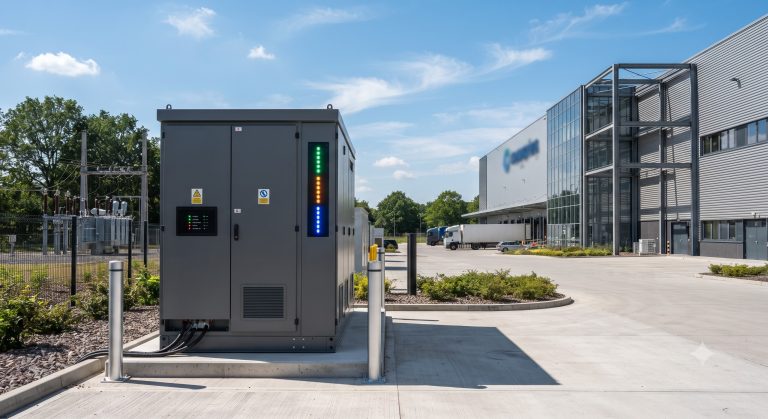
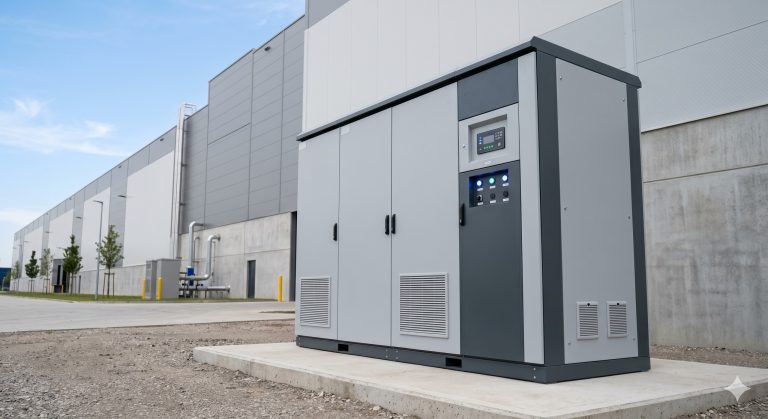
The versatility of Container ESS enables deployment across diverse industrial applications. Factory testing ensures each unit is prepared for site-specific challenges, from high-temperature environments to high-altitude installations.
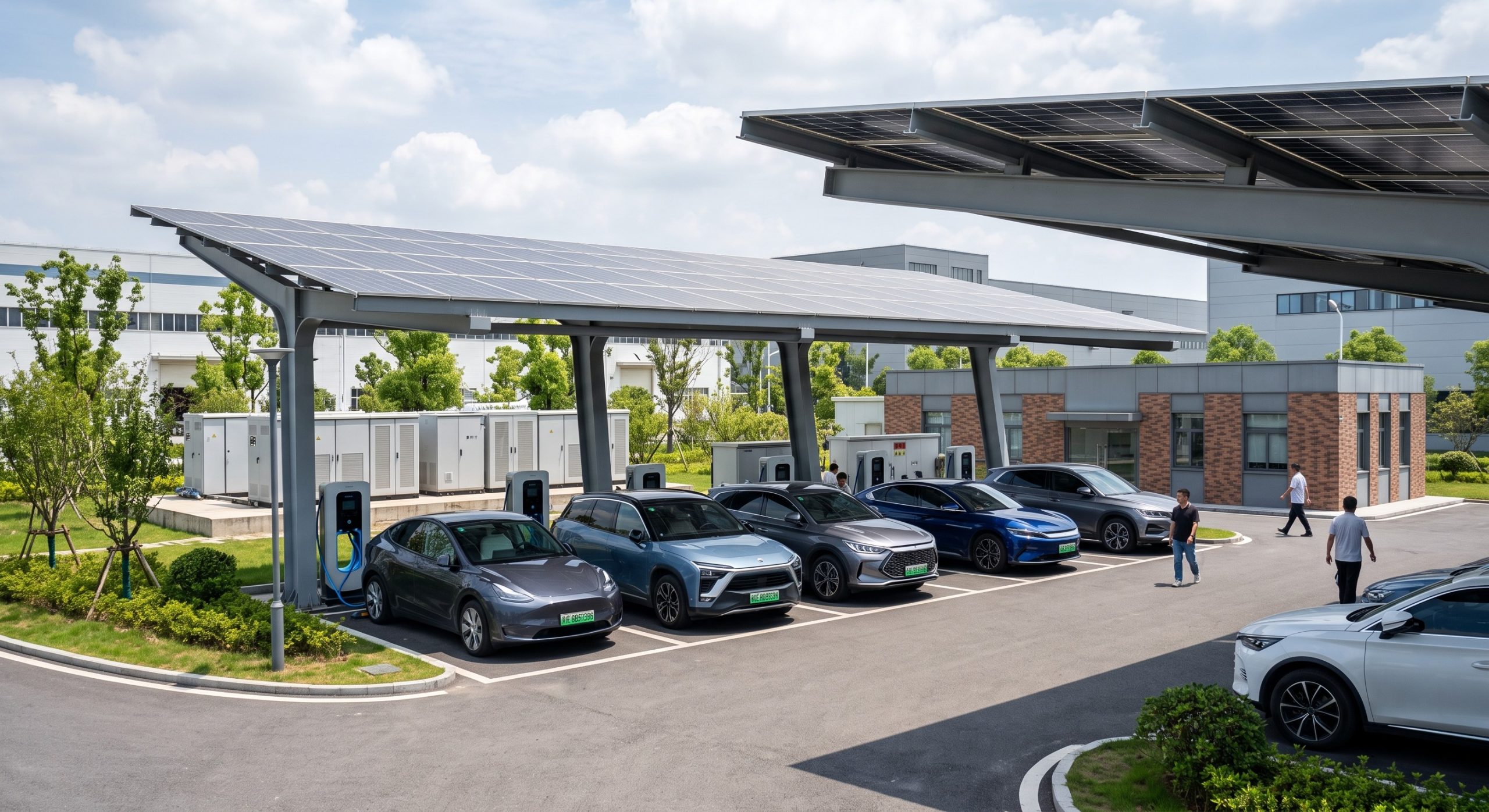
Industrial Parks & Manufacturing Hubs
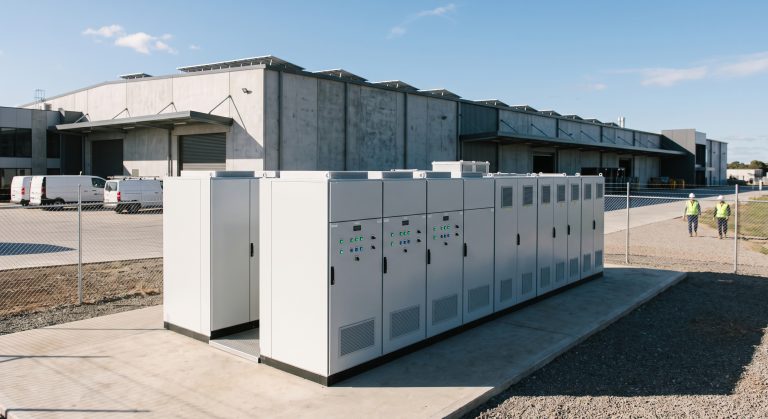
Large industrial parks utilize Container ESS for peak shaving, reducing demand charges by up to 40%. Factory testing ensures the system can handle heavy machinery’s inrush currents and maintain power quality standards (THD < 3%).
EV Supercharging Stations
For PV-storage-charging sites, the ESS buffers high-power EV charging, stabilizing grid connection. Testing verifies fast-charging load profiles and the system’s ability to deliver >1MW of peak power instantaneously.
Micro-grids & Off-grid Sites
For island or remote mining operations, the ESS provides primary frequency support and black-start capability. Factory testing includes islanding mode transition tests to guarantee seamless operation during grid outages.
Conclusion
Rigorous Container ESS factory testing is the cornerstone of a successful energy storage deployment. By adhering to global safety standards (UL 9540, IEC 62619, UN38.3) and validating critical performance metrics, manufacturers ensure that their products deliver on the promise of high efficiency, long life, and robust grid support. For B2B buyers, understanding these testing protocols is essential for sourcing reliable, high-performance systems that maximize ROI and accelerate the transition to a sustainable, zero-carbon industrial footprint.