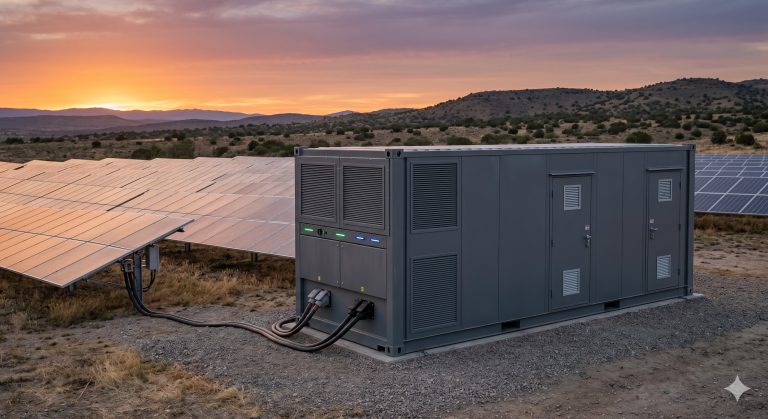
INDUSTRIAL MICRO-GRID DEPLOYMENT APPLICATION NOTE: ENERGY STORAGE WHOLESALE DISTRIBUTION STRATEGY GUIDE
EXECUTIVE SUMMARY
This document serves as the definitive technical reference for the wholesale distribution strategy of Tier-1 Battery Energy Storage Systems (BESS) within industrial micro-grid environments. As global energy markets transition towards decentralized generation, the strategic procurement and deployment of standardized, high-capacity storage assets represent a critical lever for energy arbitrage, peak demand reduction, and ensuring grid independence. This guide outlines the system architecture, performance parameters, and engineering considerations necessary for optimizing large-scale storage integration, focusing on commercial return on investment and operational resilience.
SYSTEM ARCHITECTURE & SAFETY
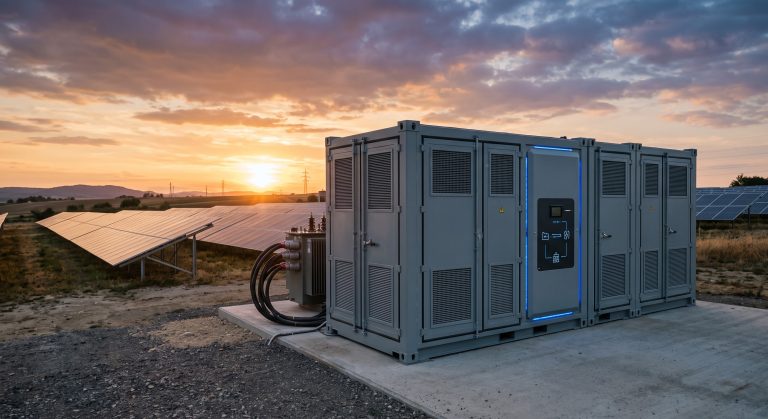
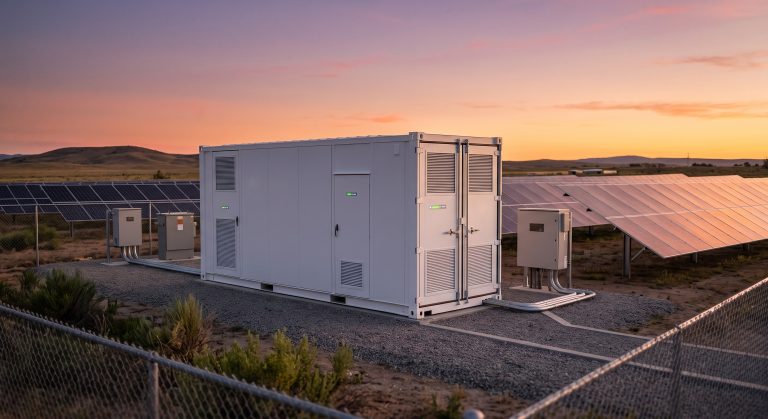
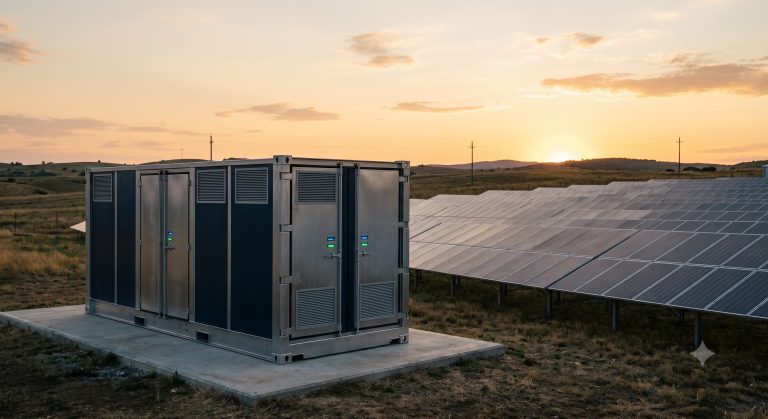
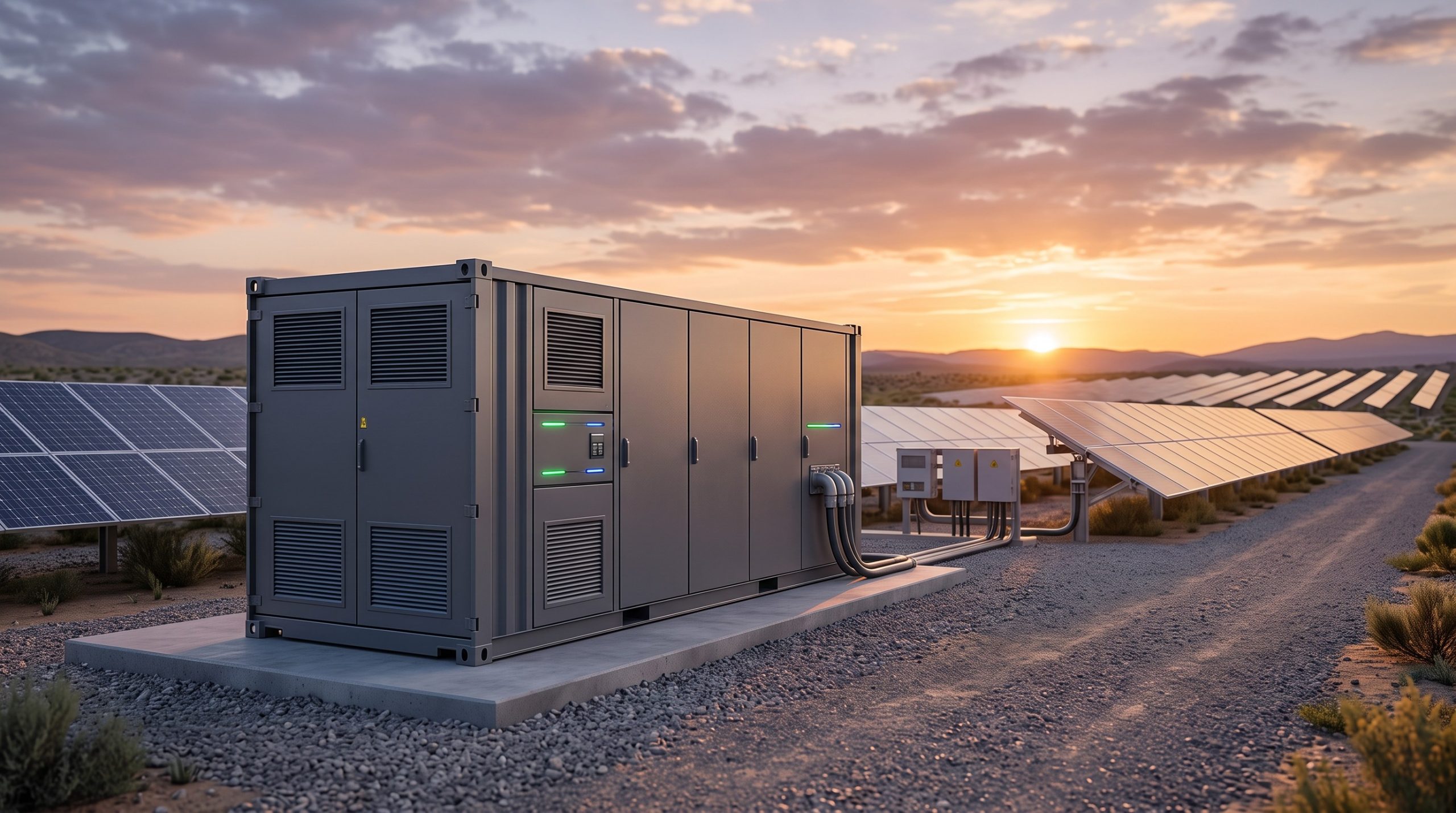
The core of this distribution strategy is predicated on a modular, containerized BESS platform designed for scalability and rapid onsite deployment. The architecture integrates a high-voltage DC busbar system, advanced Battery Management System (BMS), and a bi-directional Power Conversion System (PCS) that facilitates seamless AC/DC power flow. The safety framework is multi-layered, featuring cell-level thermal runaway suppression, gas detection, and a three-tier fire suppression system (aerosol + water mist) compliant with stringent international standards. This design ensures that wholesale units maintain uniform integrity across diverse logistical chains and site conditions.
KEY FEATURES
– Strategic Sourcing Capability: Facilitates bulk procurement of standardized 372kWh cabinets, simplifying project planning and reducing per-unit costs for MW-scale installations.
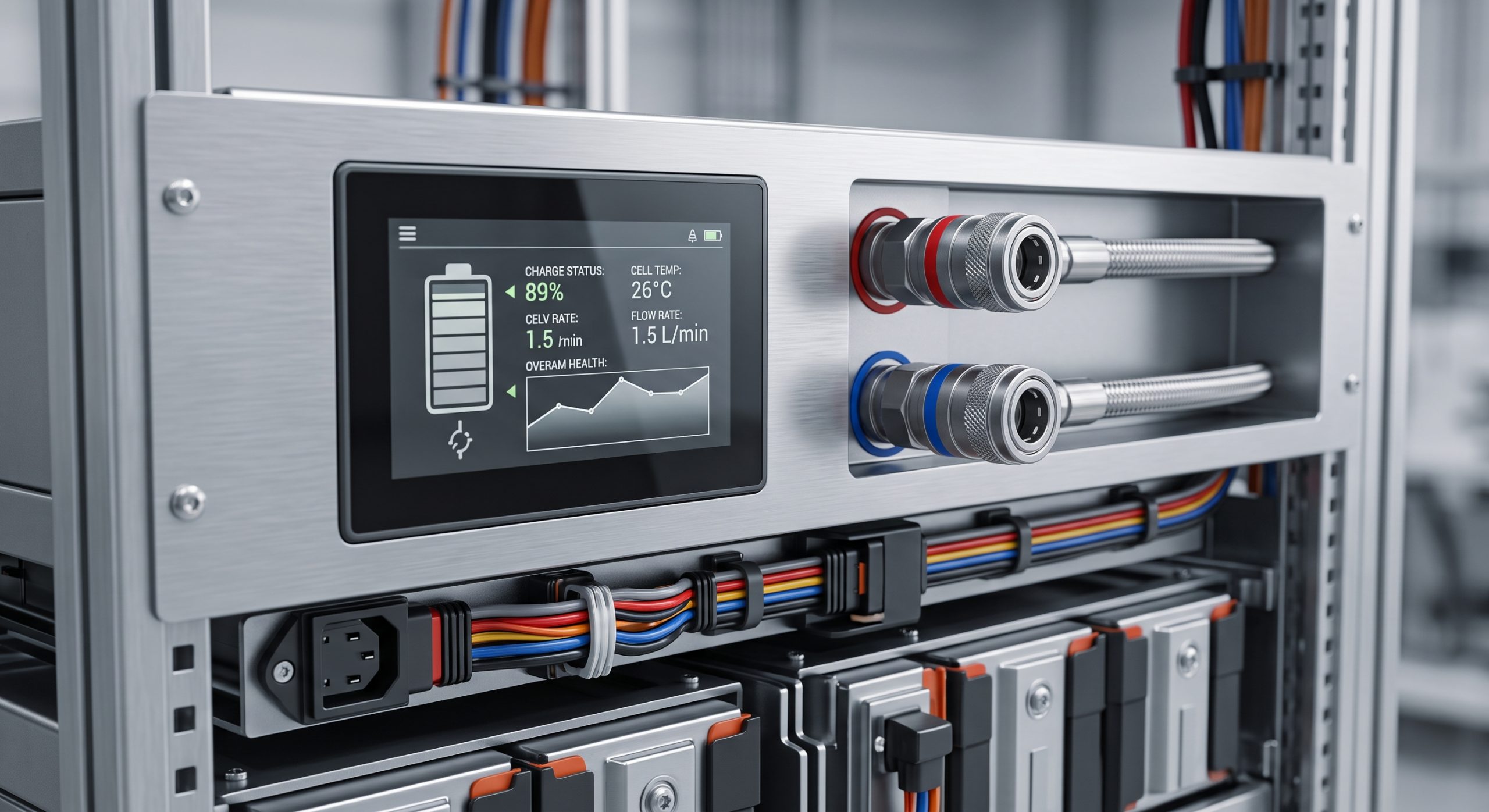
– Advanced Thermal Management: Utilizes intelligent liquid cooling to maintain optimal cell operating temperatures (15-35°C), ensuring a consistent performance envelope across varied global climates and enhancing cycle life.
– Bi-Directional Power Flexibility: Fully supports peak shaving, load shifting, and participation in frequency regulation markets with a rapid sub-200ms response time to grid signals.
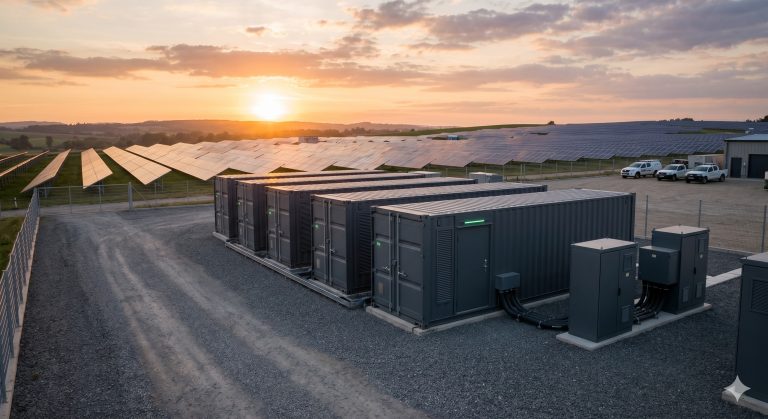
– Modular DC-Bus Architecture: Allows for parallel expansion up to multiple MWh, providing a future-proof pathway for industrial site load growth without requiring a complete system overhaul.
– Remote Operations Management: Integrated cloud-based EMS enables real-time monitoring, automated dispatch logic, and predictive O&M diagnostics, critical for managing a distributed fleet of wholesale assets.
COMPLIANCE & STANDARDS
All hardware and software components adhere to the highest international certifications ensuring interoperability, safety, and long-term bankability. The platform is fully compliant with UL 9540 (Energy Storage Systems and Equipment), UL 9540A (Thermal Runaway Fire Propagation), and IEC 62619 (Secondary Cells and Batteries – Safety Requirements). Additionally, the system meets the stringent grid interconnection requirements defined in IEEE 1547 and IEC 61727, ensuring seamless integration with local utility networks.
TECHNICAL SPECIFICATIONS
| Parameter | Specification |
|---|---|
| Nominal Capacity (per cabinet) | 215 kWh / 372 kWh |
| Rated Power (AC) | 100 kW / 150 kW |
| Cooling Method | Intelligent Liquid Cooling (Ethylene Glycol/Water) |
| Cell Chemistry | Tier-1 LiFePO4 (LFP) |
| Round-Trip Efficiency (DC) | ≥ 92% |
| Cycle Life (25°C, 1C/1C, EOL 80%) | ≥ 6,000 cycles |
| Operating Temperature Range | -30°C to +55°C |
| Dimensions (W x D x H) | 1,200 mm x 1,500 mm x 2,200 mm |
| Ingress Protection | IP54 (Containerized), IP67 (Battery Packs) |
INDUSTRIAL DEPLOYMENT RECOMMENDATIONS
For optimal strategic asset deployment, it is recommended to conduct a comprehensive site load profile analysis prior to procurement. For facilities with demand charges exceeding $15/kW, a system sized to cover 80% of the peak load during utility on-peak periods offers the highest yield. Furthermore, the physical layout should consider a 1.5-meter clearance for ventilation and maintenance access, with a concrete pad rated for a minimum bearing capacity of 5,000 kg per container. Utilizing a single unified protocol (e.g., Modbus TCP/IP) for all PCS and BMS units simplifies integration and ensures deterministic data acquisition for central SCADA or micro-grid controller systems.
📥 Download Technical Specification
Click the button below to view or download the full official PDF datasheet.