EXECUTIVE SUMMARY
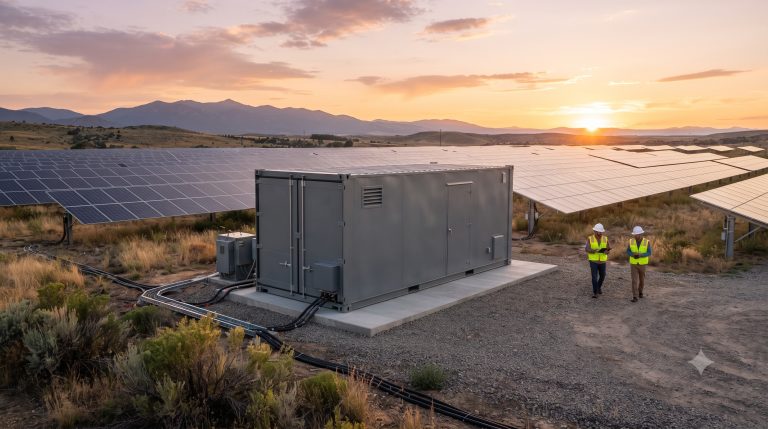
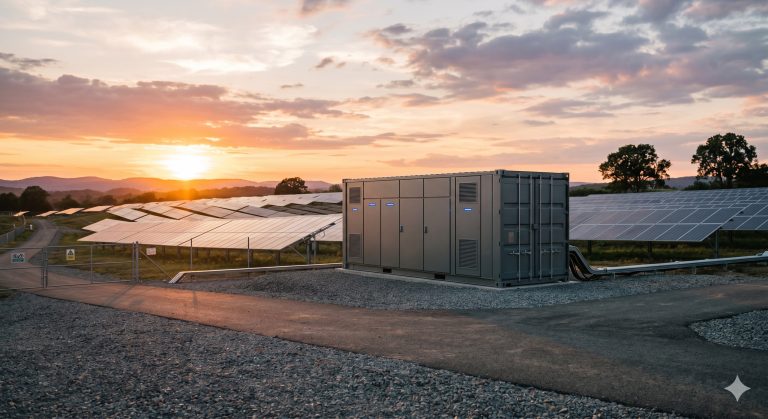
As global energy transitions accelerate, the demand for high-capacity, grid-interactive energy storage has never been greater. Our ENERGY STORAGE CONTAINER (ESC) series is a prefabricated, fully integrated utility and commercial-grade storage solution engineered to redefine energy resilience. Targeting C&I facilities, EV supercharging stations, micro-grids, and utility-scale projects, the ESC enables peak shaving, load shifting, and black start capability while eliminating diesel reliance. Encased in a rugged, IP55-rated ISO container, each unit delivers a turnkey solution that reduces Levelized Cost of Storage (LCOS) by up to 25%.
Built upon a mission for a zero-carbon future, the ESC seamlessly bridges renewable generation with dynamic load demands. By leveraging Tier-1 LiFePO4 (LFP) cells and an intelligent liquid cooling thermal management system, the product maintains optimal cell temperature within a ±2°C variance, significantly extending cycle life beyond 8,000 cycles. Combined with advanced Safety by Design protocols and adaptive EMS, the container offers unparalleled grid-forming capabilities, allowing facilities to cut demand charges by up to 40% and serve as a virtual power plant (VPP) asset.
SYSTEM ARCHITECTURE & SAFETY
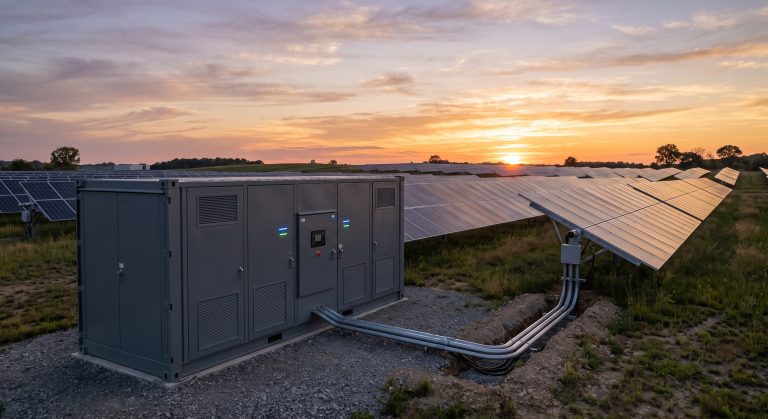
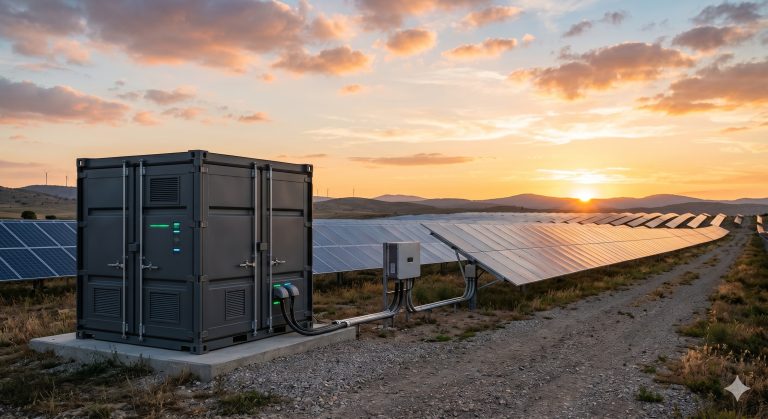
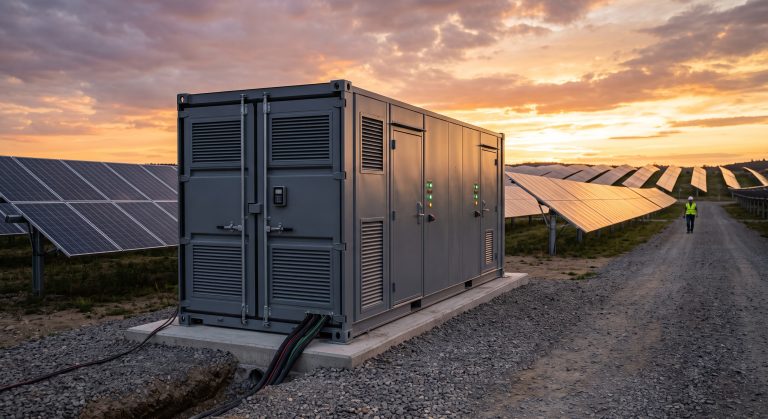
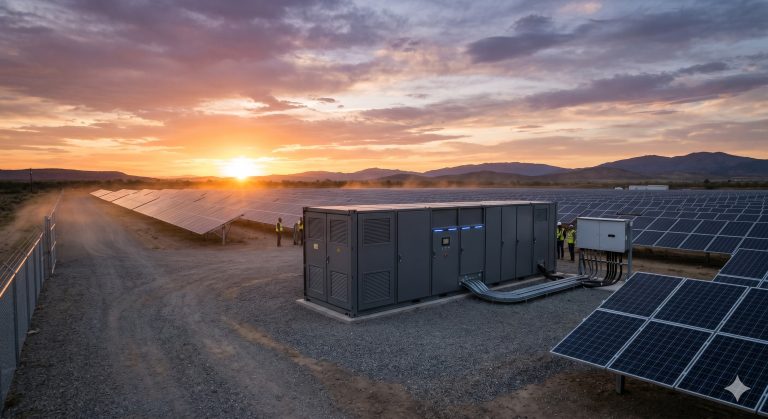
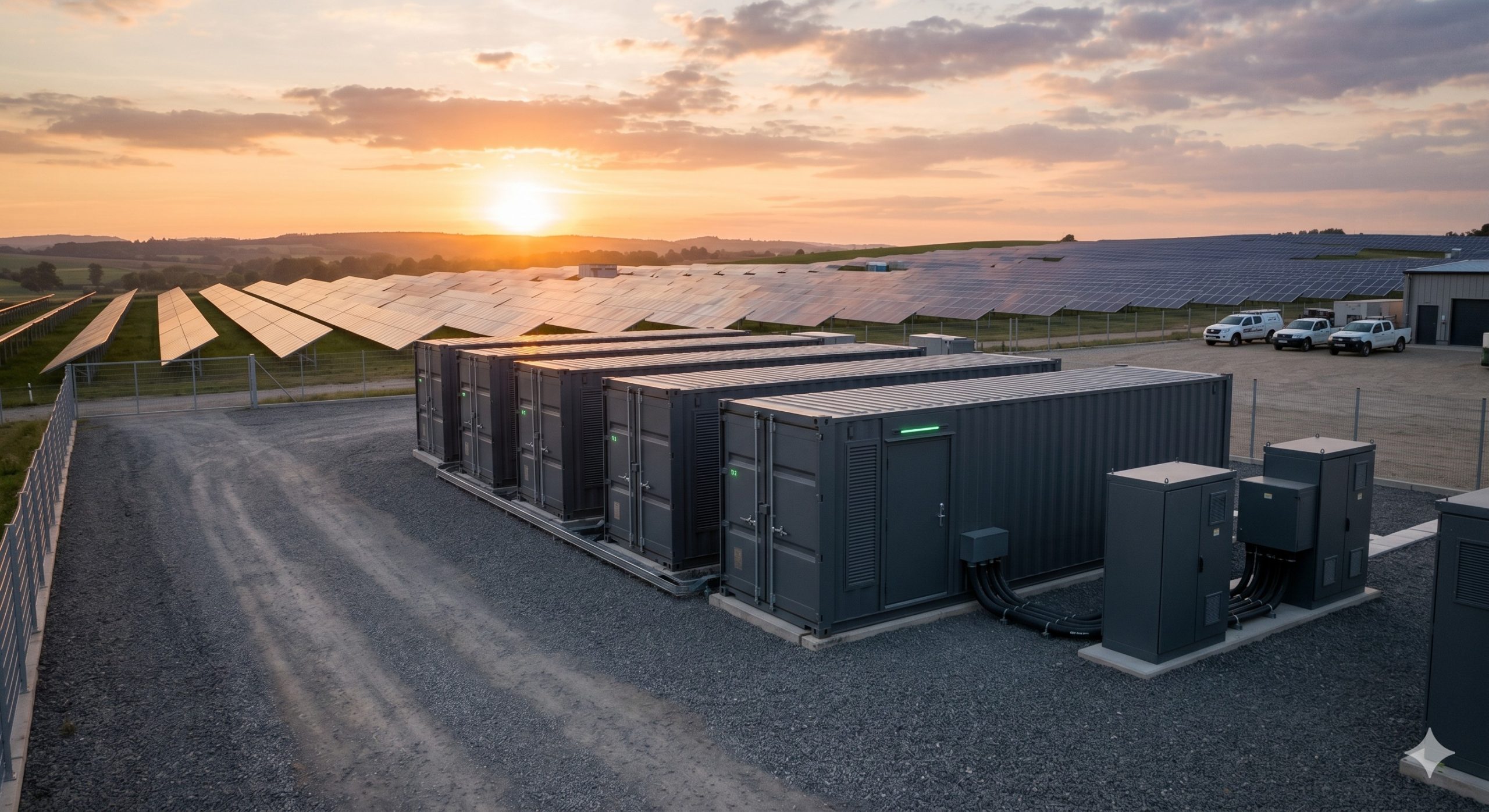
The physical architecture utilizes a modular, non-walk-in high-cube container (20ft/40ft footprint) constructed from marine-grade steel with C5 corrosion resistance. The internal segregation features three independent compartments: Battery Racks, Power Conversion System (PCS) & Distribution, and Environmental Control. The battery chemistry is exclusively Grade A LFP prismatic cells (LFP), certified zero thermal runaway propagation at cell level. Passive protection includes self-healing intumescent coatings and explosion-proof pressure relief panels.
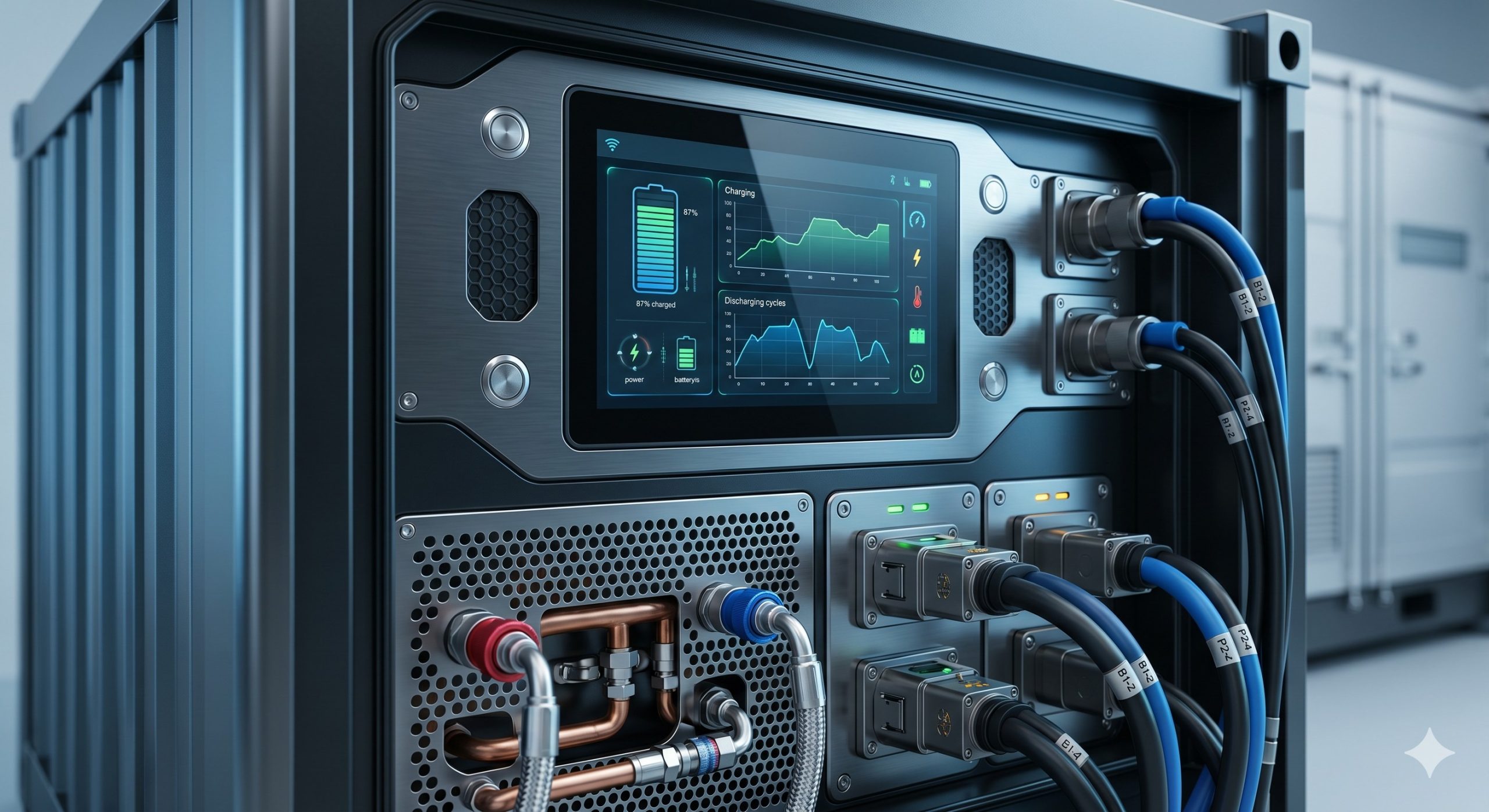
Active safety is governed by a four-layer fire suppression system: (1) Internal aerosol generation at pack level, (2) Novec 1230 or Water-Mist injection at cluster level, (3) Nitrogen inerting for the main compartment, and (4) external dry chemical backup. The liquid cooling system circulates deionized water-glycol mixture through cold plates direct to each battery module, removing heat 3x more efficiently than air cooling. Combined with a 24/7 AI-driven gas detection (CO, VOCs, H2) and isolation contactors, the system achieves ASIL-C functional safety levels. A centralized BMS (Battery Management System) monitors 32 cell voltage points per module with 10ms data resolution.
KEY FEATURES
– Seamless Grid Transition (On-Grid / Off-Grid): Supports seamless switchover within <20ms (IEC 61000 compliant), enabling continuous power to critical loads during grid disturbances and black start capability for islanded micro-grids without external start power.
- EMS Smart Dispatch & AI Optimization: Edge-based EMS uses reinforced learning to forecast load/PV generation (accuracy >92%), automatically executing arbitrage, demand charge reduction, and frequency regulation (droop control, virtual inertia). Supports Modbus TCP, IEC 61850, and DNP3.
– Modular & Scalable Expansion: Parallel stack of up to 12 containers via DC-bus coupling or AC synchronization. Allows capacity expansion from 2MWh to 24MWh without field wiring modifications. Hot-swappable battery rack design reduces maintenance downtime to under 1 hour.
– PV-Storage-Charging Integration (All-in-One): Native DC/AC coupling architecture with dual MPPT ports for direct solar input (up to 250kWp) and EV fast charger connection (CCS2/CHAdeMO) inside the container, eliminating additional transformers and reducing balance-of-system cost by 18%.
– Cyber-secure Remote OTA: End-to-end encrypted remote firmware updates and diagnostics via 4G/5G/Ethernet. Features role-based access control (RBAC) and tamper-proof logging compliant with NIST IR 8259.
COMPLIANCE & STANDARDS
The Energy Storage Container is fully certified for global deployment. All critical components and system-level design comply with: UL 1973 (Battery), UL 9540 (Energy Storage System & Equipment), UL 9540A (Fire propagation testing), IEC 62619 (Industrial storage safety), IEC 62477 (Power electronics safety), IEC 61000-6-2/4 (EMC immunity & emissions), UN 38.3 (Transportation safety), CE (EU directive), and VDE-AR-E 2510-50 (Germany). Additionally, the system meets IEEE 1547 and Rule 21 grid interconnection standards for utility interoperability. The manufacturing facility is ISO 9001, ISO 14001, and ISO 45001 certified.
TECHNICAL SPECIFICATIONS
The following table summarizes the electrical, mechanical, and environmental performance characteristics for the standard 20-foot ESC-2.8MWh variant. Data measured at 0.5C charge/discharge, 25°C ambient, EoL = 80% SOH.
| Parameter | Specification |
|---|---|
| Nominal Energy (C&I) | 2.8 MWh (20ft) / 5.6 MWh (40ft) |
| Usable Energy (90% DoD) | 2.52 MWh / 5.04 MWh |
| Battery Chemistry | LFP (LiFePO4) – Tier-1 Grade A Prismatic |
| Nominal Voltage | 1331.2 V DC |
| Voltage Range | 1168 V – 1494 V DC |
| Cycle Life (@ 25°C, 0.5C, 80% EoL) | ≥ 8,000 cycles |
| Cooling Method | Liquid Cooling (Deionized Water + Glycol) |
| Thermal Uniformity (cell-to-cell) | ± 2°C |
| PCS Rated Power (AC) | 1.5 MW / 3 MW (bi-directional) |
| Max Efficiency (DC-AC) | ≥ 98.5% (incl. transformer losses) |
| Response Time (full power) | < 50 ms |
| Ingress Protection (Container) | IP55 (NEMA 3R) |
| Fire Suppression | Aerosol + Novec 1230 + Nitrogen Inerting + Dry Chemical |
| Operating Temperature | -30°C to +55°C (derated > 45°C) |
| Relative Humidity | 0% – 100% (condensing, with anti-condensation heater) |
| Altitude (m, without derating) | ≤ 3000 m |
| Standards & Certifications | UL 1973, UL 9540, UL 9540A, IEC 62619, IEC 62477, UN38.3, CE, IEEE 1547 |
| Communication Protocol | Modbus TCP, IEC 61850, DNP3, MQTT |
| Dimensions (LxWxH) 20ft | 6058 mm x 2438 mm x 2896 mm |
| Weight (approx.) | 28,000 kg (20ft) / 55,000 kg (40ft) |
📥 Download Technical Specification
Click the button below to view or download the full official PDF datasheet.