Introduction: The Strategic Imperative for MWh-Scale C&I Energy Storage
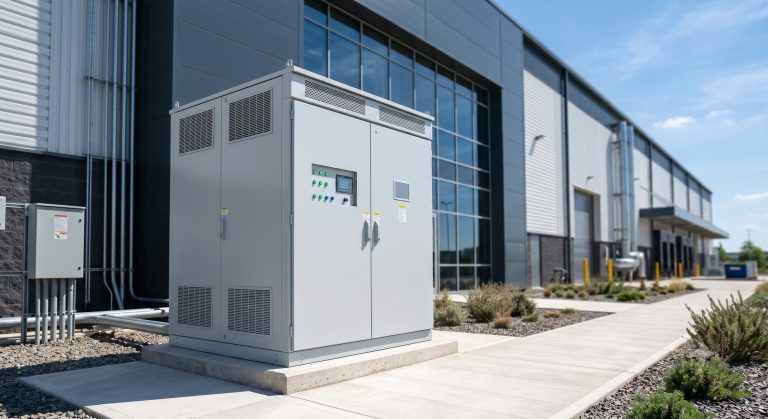
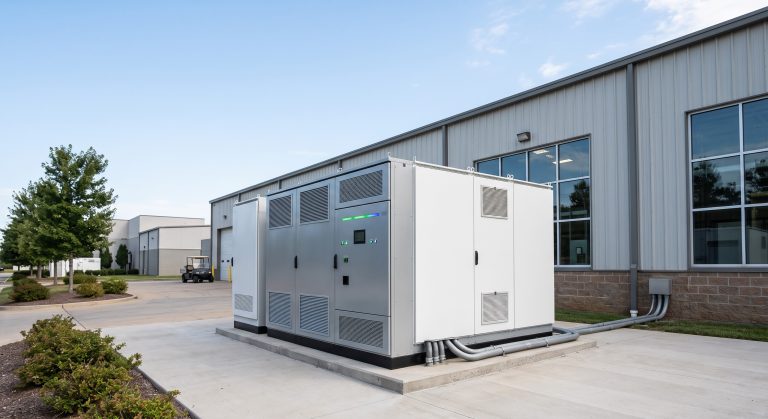
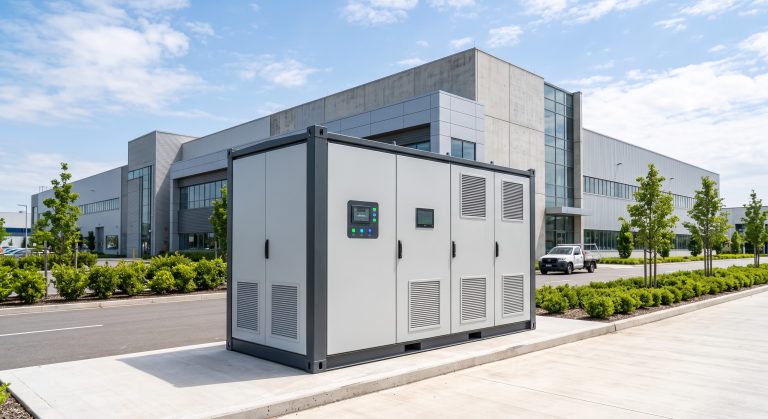
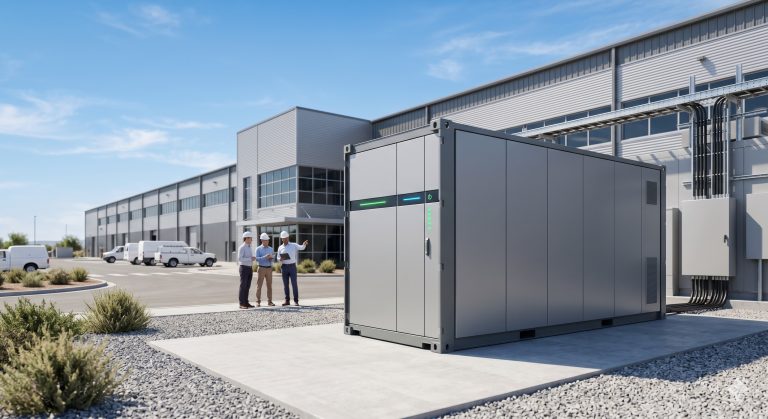
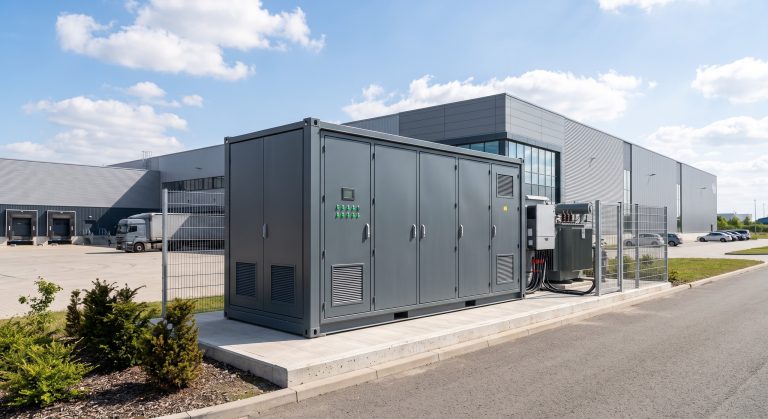
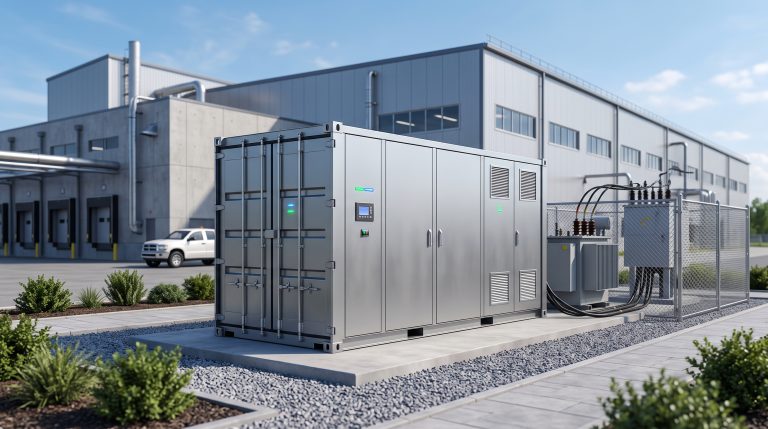
For large-scale commercial and industrial (C&I) facilities, the transition from grid dependency to energy autonomy is no longer a luxury—it is a financial and operational necessity. The escalating volatility of global energy markets and aggressive corporate Net Zero targets are forcing energy-intensive operations to seek robust, scalable storage solutions. High-capacity containerized storage systems, often exceeding 2 MWh per unit, offer the most bankable path toward achieving energy resilience and significant operational cost reduction. Unlike fragmented battery racks, these fully integrated, plug-and-play containers deliver utility-grade performance in a compact, outdoor-rated footprint. This guide serves as a technical and commercial blueprint for procurement managers, system architects, and CFOs evaluating MWh-scale battery energy storage systems (BESS). We will dissect the architecture, explore the critical role of advanced thermal management and smart EMS dispatch, and provide a quantifiable Total Cost of Ownership (TCO) analysis to optimize peak-shaving ROI and grid support participation.
Core Architecture: The Anatomy of High-Capacity Containerized BESS
Power Conversion System (PCS) and Bi-Directional Capabilities
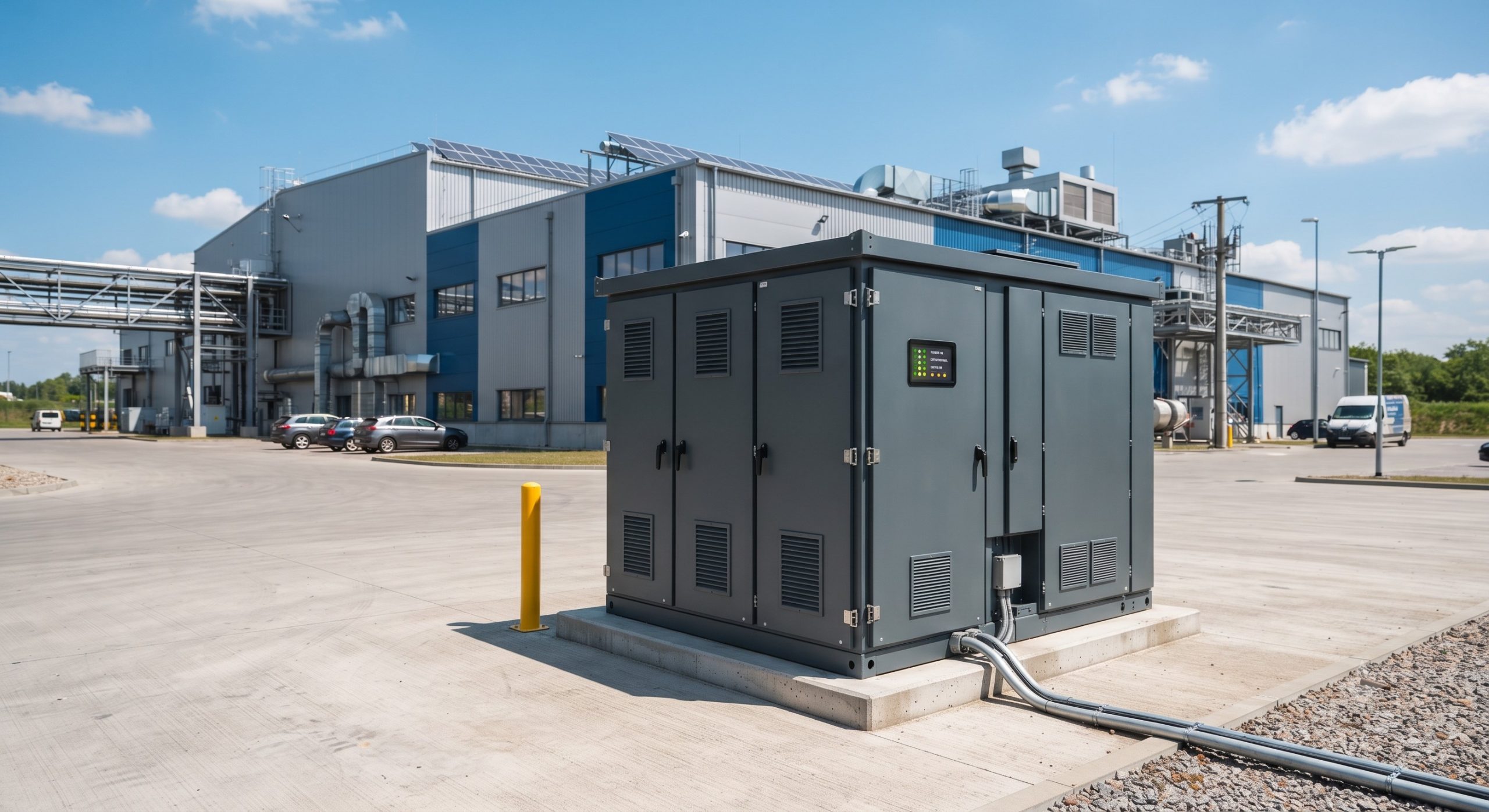
At the heart of any high-capacity containerized storage solution lies the Power Conversion System (PCS). The PCS acts as the critical interface between the DC battery bank and the AC grid or facility loads. Modern PCS modules typically feature bi-directional conversion efficiency exceeding 98% and support seamless grid-following and grid-forming modes. For MWh-scale systems, a modular, multi-level PCS topology is employed to ensure high fault tolerance and redundancy. The integration of liquid cooling in PCS units is becoming a hallmark of Tier-1 suppliers, ensuring stable operation even under peak load conditions and preventing performance derating due to excessive heat. This design directly supports fast frequency response (FFR) and demand response (DR) dispatch strategies, allowing the system to inject or absorb active power within sub-second response times, a key requirement for modern Virtual Power Plant (VPP) participation.
Battery Chemistry and Cell Balancing: The LFP Advantage
The battery chemistry predominantly utilized in high-capacity C&I containers is Lithium Iron Phosphate (LFP). Tier-1 LFP cells offer a unique combination of long cycle life, high thermal stability, and a lower risk of thermal runaway compared to NMC chemistries. A typical system provides over 8,000 cycles at 90% Depth of Discharge (DoD), translating to an operational lifespan exceeding 20 years with proper O&M. To achieve this longevity, a sophisticated Battery Management System (BMS) is non-negotiable. The BMS provides multi-tiered protection, including cell-level voltage balancing, temperature monitoring, and overcurrent protection. Active cell balancing algorithms are crucial for maintaining pack homogeneity, thereby maximizing usable capacity and mitigating the “weakest link” effect. The BMS continuously communicates with the EMS to optimize the charge/discharge schedule, ensuring the battery operates within safe voltage and temperature windows.
Technical Specifications and Performance Metrics
When evaluating commercial energy storage quotes and system proposals, procurement teams must baseline their decisions against rigorous technical parameters. The following table encapsulates the key specifications that define a bankable, high-performance containerized storage system. These metrics directly influence the Round-trip Efficiency (RTE) and the system’s ability to generate a positive cash flow through arbitrage and peak shaving.
| Key Parameter | Technical Specification |
|---|---|
| Battery Chemistry | Tier-1 LFP (Lithium Iron Phosphate) |
| System Capacity | 3.7 MWh / 1.5 MW (Standard 20ft Container) |
| Cycle Life | >8000 cycles @ 90% DoD (Depth of Discharge) |
| Round-trip Efficiency | ≥ 95% (DC/DC, incl. Auxiliary Losses) |
| Thermal Management | Advanced Liquid Cooling (ΔT ≤ 3°C) |
| Safety Certifications | IEC 62619, UL 9540, CE, UN38.3 |
| Operating Temperature | -20°C to +50°C (derated above +45°C) |
| Protection Class | IP54 / IP55 (Outdoor Installation Ready) |
| Grid Interface | 380V / 400V / 480V AC, 3-Phase, 50/60Hz |
Adherence to international safety and performance standards is paramount for insurance, grid interconnection, and project financing. A compliant system must typically meet or exceed IEC 62619, UL 9540, CE, and UN38.3 certifications. UL 9540 specifically addresses the fire safety of stationary storage systems, while IEC 62619 focuses on the safety requirements for secondary cells and batteries in industrial applications. The inclusion of a multi-level fire suppression system (typically aerosol or gas-based) as well as passive thermal runaway barriers between modules is a critical design prerequisite.
Liquid Cooling vs. Air Cooling: Thermal Efficiency Optimization
Thermal management is the single most important factor influencing the degradation rate and safety of a high-capacity containerized storage system. Air cooling is often sufficient for smaller systems, but for containers housing over 1 MWh of energy density, liquid cooling has emerged as the superior technology. Liquid coolant offers a significantly higher specific heat capacity than air, allowing for precise, cell-to-cell temperature control. This reduces the maximum temperature differential (ΔT) between cells, ensuring uniform aging and maximizing cycle life. A well-designed liquid cooling system can maintain the battery pack temperature within a narrow band of 25°C to 30°C, even at 1C charge/discharge rates, effectively boosting system performance and operational availability by over 15% compared to air-cooled alternatives.
Commercial ROI: Maximizing Peak-Shaving and Total Cost of Ownership
The financial case for high-capacity containerized storage hinges on the Total Cost of Ownership (TCO) and the cash flow derived from peak shaving and load shifting. For industrial users subject to high demand charges (often exceeding $15/kW in major US utility territories), a 2 MWh system can reduce peak demand by over 1 MW, saving approximately $18,000 per month in demand charges alone. Combined with energy arbitrage—buying electricity at off-peak rates (e.g., $0.05/kWh) and discharging during peak periods (e.g., $0.25/kWh)—the system can yield an internal rate of return (IRR) exceeding 20% with payback periods under 5 years. The LCOE of a professionally managed containerized system typically ranges between $0.08 and $0.12 per kWh over its 20-year lifespan, making it highly competitive with grid retail rates in most developed markets.
Deployment Scenarios: From Industrial Parks to EV Supercharging Stations
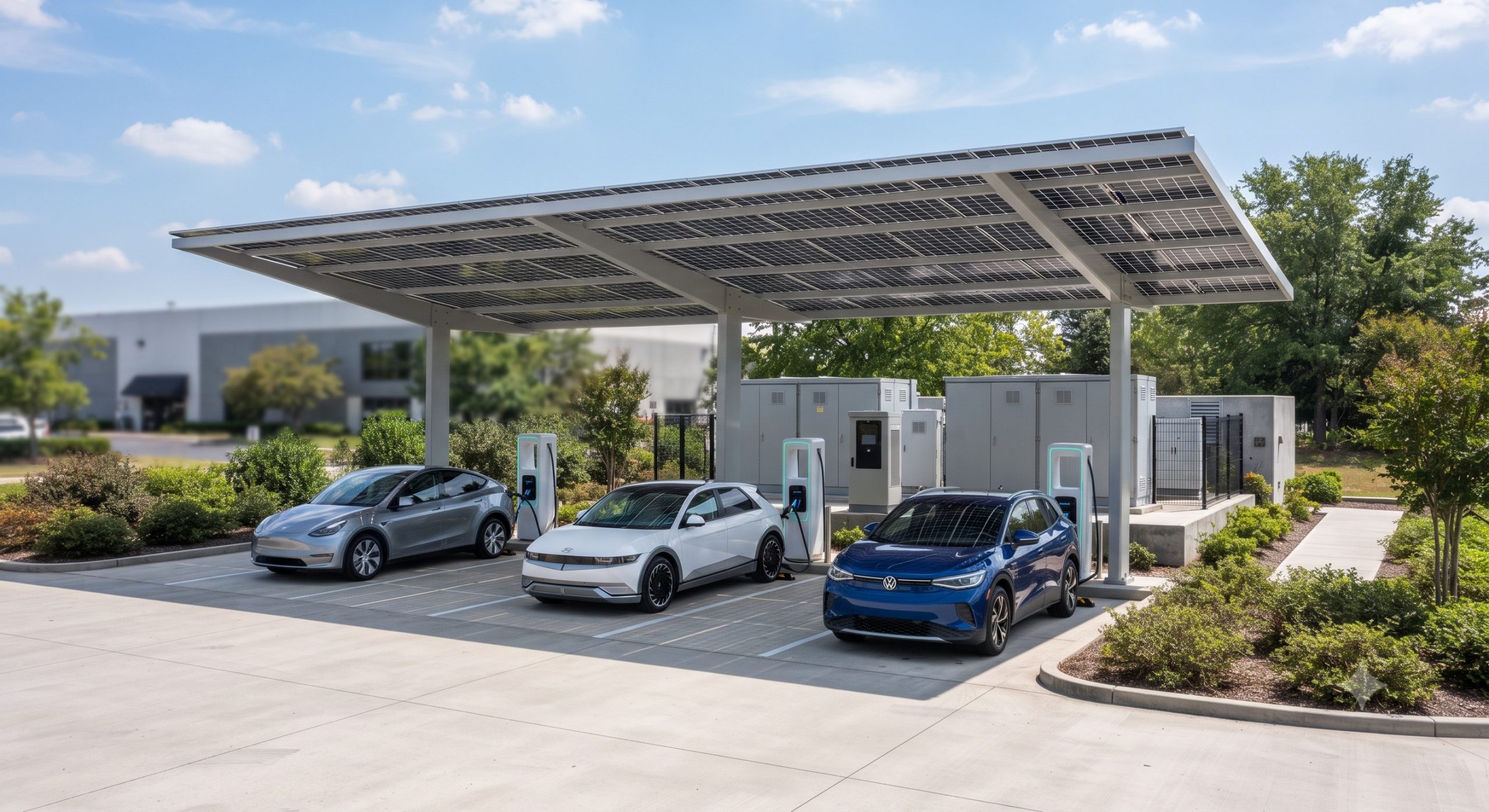
The versatility of high-capacity containerized storage allows for seamless integration across diverse commercial landscapes. A prime application is the PV-Storage-Charging (光储充) synergy, where the containerized BESS is coupled with a solar canopy and high-power EV charging infrastructure. This configuration enables an EV supercharging station to draw from stored solar energy during the day, bypassing grid constraints and securing a massive competitive advantage in energy costs. For data centers and critical manufacturing facilities, these containers provide an instantaneous backup source, ensuring business continuity against grid anomalies. In industrial parks, modular containers can be deployed in parallel to scale capacity from 1 MWh to over 100 MWh, providing the same benefits of grid stability and peak load reduction.
Conclusion: The Strategic Blueprint for Energy Independence
Deploying high-capacity containerized storage is a strategic, data-driven investment that empowers commercial and industrial entities to seize control of their energy future. By carefully evaluating technical specifications—including LFP chemistry, liquid cooling precision, and UL/IEC compliance—businesses can secure a system that delivers robust financial returns through peak shaving, arbitrage, and grid services. The era of passive energy consumption is over. The proactive adoption of modular, turnkey containerized solutions offers a clear, quantifiable path to decarbonization and operational excellence. As the energy landscape continues to evolve, the integration of smart EMS and VPP capabilities will further unlock the value of these assets, positioning forward-thinking enterprises at the forefront of the clean energy transition.