Introduction
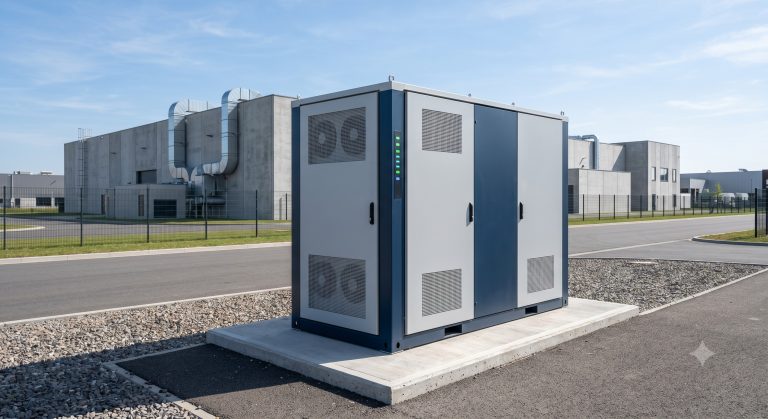
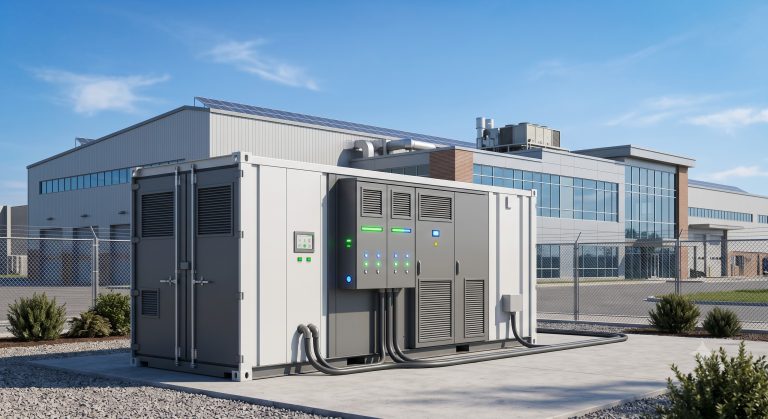
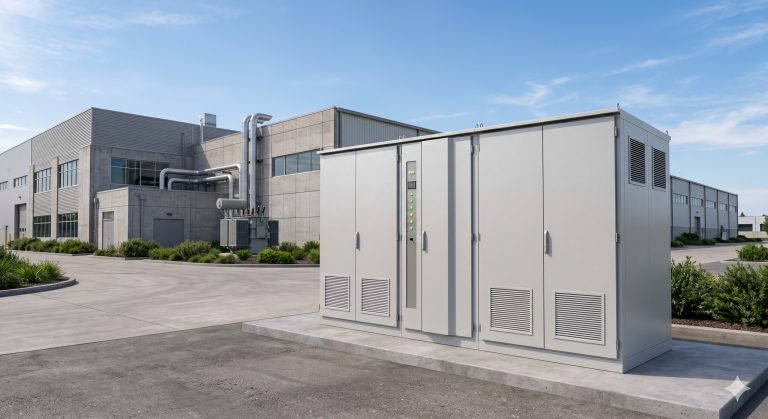
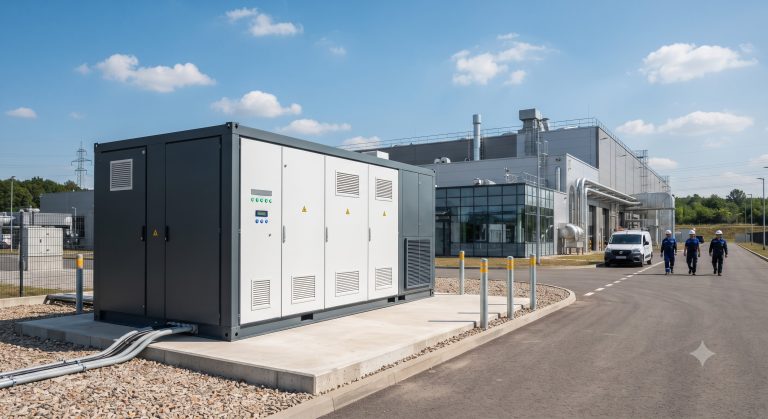
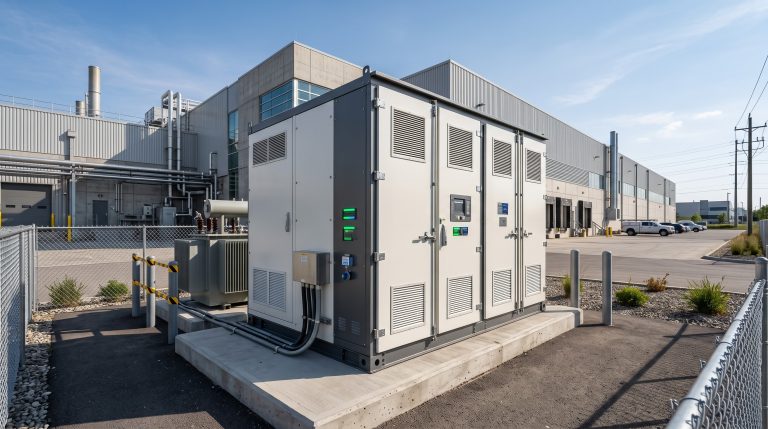
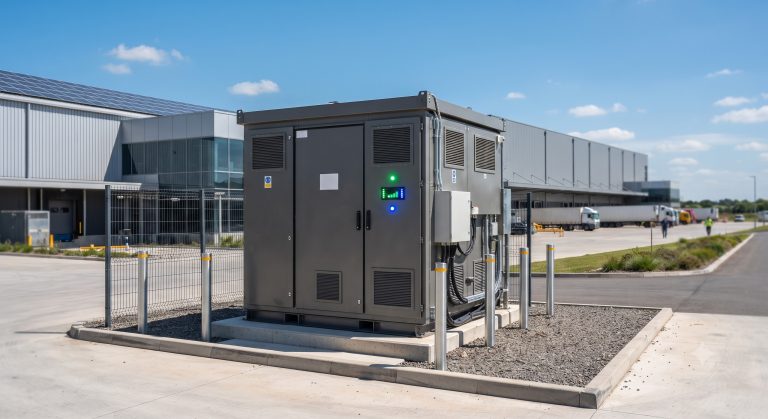
The commercial and industrial (C&I) energy storage sector is undergoing a significant transformation, driven by the need for energy resilience, peak shaving capabilities, and the integration of renewable sources. At the heart of this evolution is the Plug-and-play container ESS, a pre-assembled, modular solution designed to simplify deployment and reduce on-site engineering. However, as energy densities increase, the challenge of thermal management becomes paramount. The choice between liquid cooling and air cooling is no longer a secondary consideration but a critical engineering decision that directly impacts system performance, cycle life, and safety. This technical deep-dive will analyze the thermal efficiency optimization of Plug-and-play container ESS, providing system architects and procurement specialists with data-driven insights to guide their sourcing decisions.
Thermal Management Fundamentals in Containerized BESS
The Critical Role of Temperature Control
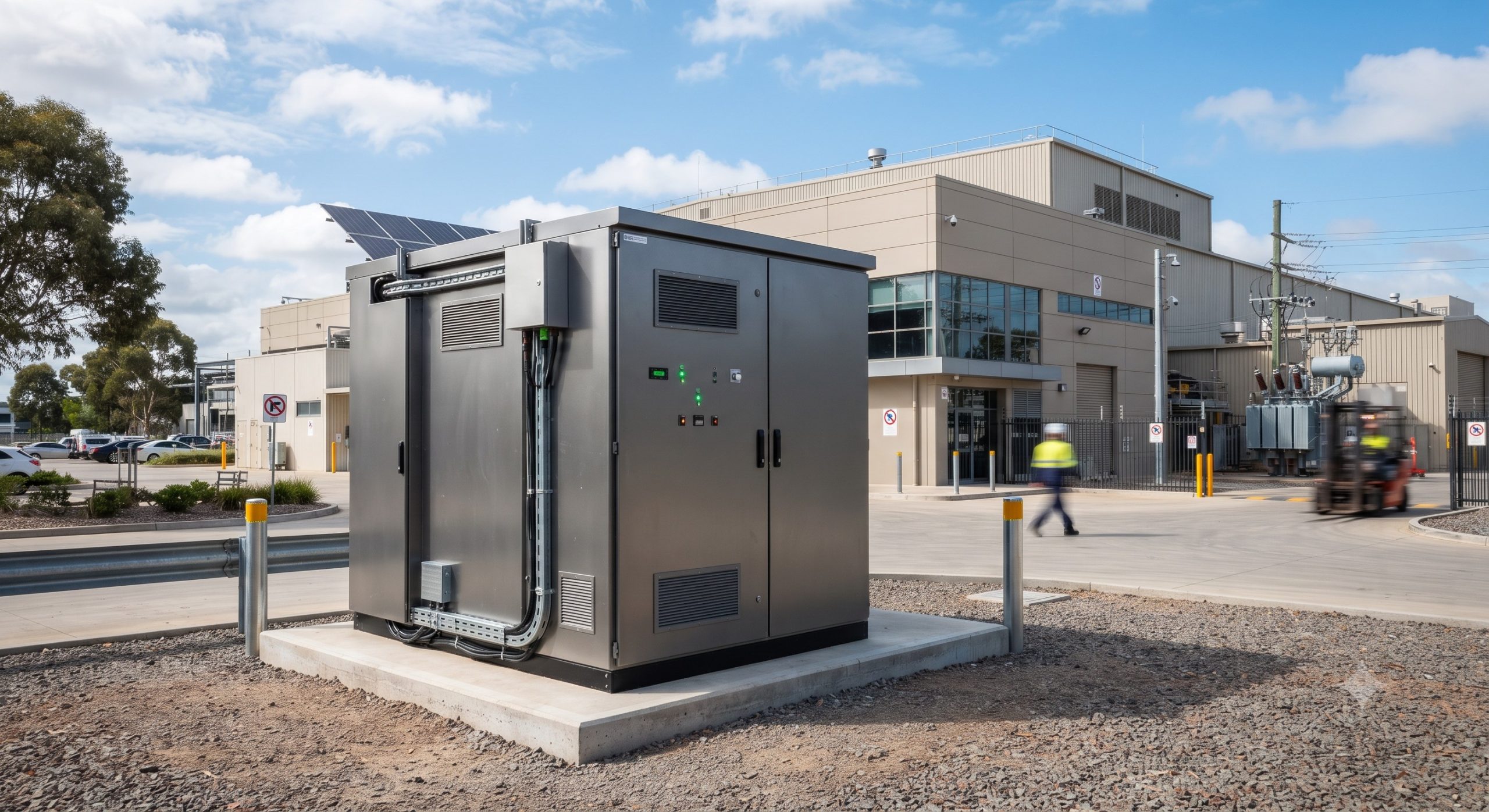
The performance of Lithium Iron Phosphate (LFP) batteries, the industry standard for C&I storage, is highly sensitive to temperature. Operating outside the optimal range (typically 15°C to 35°C) accelerates degradation, increases internal resistance, and raises the risk of thermal runaway. A robust Battery Management System (BMS) monitors cell temperatures, but it is the thermal management system that actively maintains the ideal environment. The latest Plug-and-play container ESS integrates sophisticated cooling technologies directly into the 10-foot or 20-foot ISO container footprint, ensuring a controlled microclimate for the battery modules.
Liquid Cooling vs. Air Cooling: An Architectural Comparison
While air cooling has been the traditional choice for its simplicity and lower initial cost, the shift towards higher energy density systems has made liquid cooling a preferred architecture for many advanced applications.
Air cooling systems typically use HVAC units and fans to circulate air around the battery packs. They are simple to design and integrate but struggle to maintain cell temperature uniformity under high charge/discharge rates (C-rates). This often results in a temperature variance of up to 5°C or more between cells, leading to accelerated and uneven aging. In contrast, liquid cooling or glycol-based cooling systems, as utilized in recent product launches, use cooling plates in direct contact with the battery modules. A fluid mixture is circulated through these plates, efficiently removing heat. This architecture ensures a cell temperature variance of less than 3°C, a critical factor in extending battery life and ensuring consistent power output . For example, while air cooling is suitable for standard operations, liquid cooling has become a key feature for high-utilization applications and is increasingly noted as a prerequisite for maintaining performance in demanding environments .
Technical Specifications & Performance Metrics
To benchmark the performance of a Plug-and-play container ESS, it is essential to evaluate key technical parameters. The data below represents a typical high-performance system integrating liquid cooling and Tier-1 LFP cells, showcasing the engineering sophistication available to buyers.
| Key Parameter | Technical Specification |
|---|---|
| Battery Chemistry | Tier-1 LFP (Lithium Iron Phosphate) |
| Cell Capacity | 310Ah – 314Ah |
| System Capacity (10ft/20ft) | 211 kWh – 422 kWh / 633 kWh – 2,280 kWh |
| Nominal Voltage | 512V – 768V DC (System Dependent) |
| Max. Efficiency (PCS) | >97% |
| Cycle Life | >6,000 cycles @ 90% DoD |
| Thermal Management | Liquid Cooling (Glycol-based) |
| Ingress Protection | IP54 – IP55 (System) / IP67 (Module) |
| Operating Temperature | -30°C to +55°C |
| Safety Standards | UL 9540, IEC 62619, UN38.3 |
Beyond the core specifications, other critical elements define the engineering prowess of these systems. The Power Conversion System (PCS) acts as the bridge between the battery’s DC output and the facility’s AC loads or the grid. Advanced PCS units achieve a maximum efficiency of up to 97.1%, minimizing energy loss during the charge and discharge cycles . Furthermore, system integration is key. The interface between the BMS, EMS, and PCS must be seamless to enable smart dispatch and demand response capabilities. The adoption of liquid cooling is a deliberate design choice to ensure high round-trip efficiency (RTE) even in high-temperature environments. Top-tier Plug-and-play container ESS systems are certified to rigorous safety standards, including IEC 62619 for industrial battery safety, UL 9540 for energy storage systems and equipment, and UN38.3 for transportation safety, ensuring a safe and compliant operation .
Commercial ROI & Peak Shaving Strategy
Investing in a Plug-and-play container ESS is fundamentally a strategy to reduce the Total Cost of Ownership (TCO). The primary mechanism for this is peak shaving. By deploying a 150kW/300kWh system, a commercial facility can effectively manage its electricity costs by charging during low-cost, off-peak hours and discharging during high-demand, peak tariff periods. The financial benefits are further compounded by the system’s ability to participate in Demand Response (DR) programs, providing grid support services and capturing additional revenue streams. The liquid-cooled design directly contributes to ROI by extending the cycle life of the battery. With a design life of over 8,000 cycles at 90% Depth of Discharge (DoD) [citation:citation:1], the system can operate effectively for 15-20 years, significantly reducing the cost of battery augmentation and delivering a far superior return on investment compared to air-cooled alternatives that degrade faster.
Deployment Scenarios & Synergy
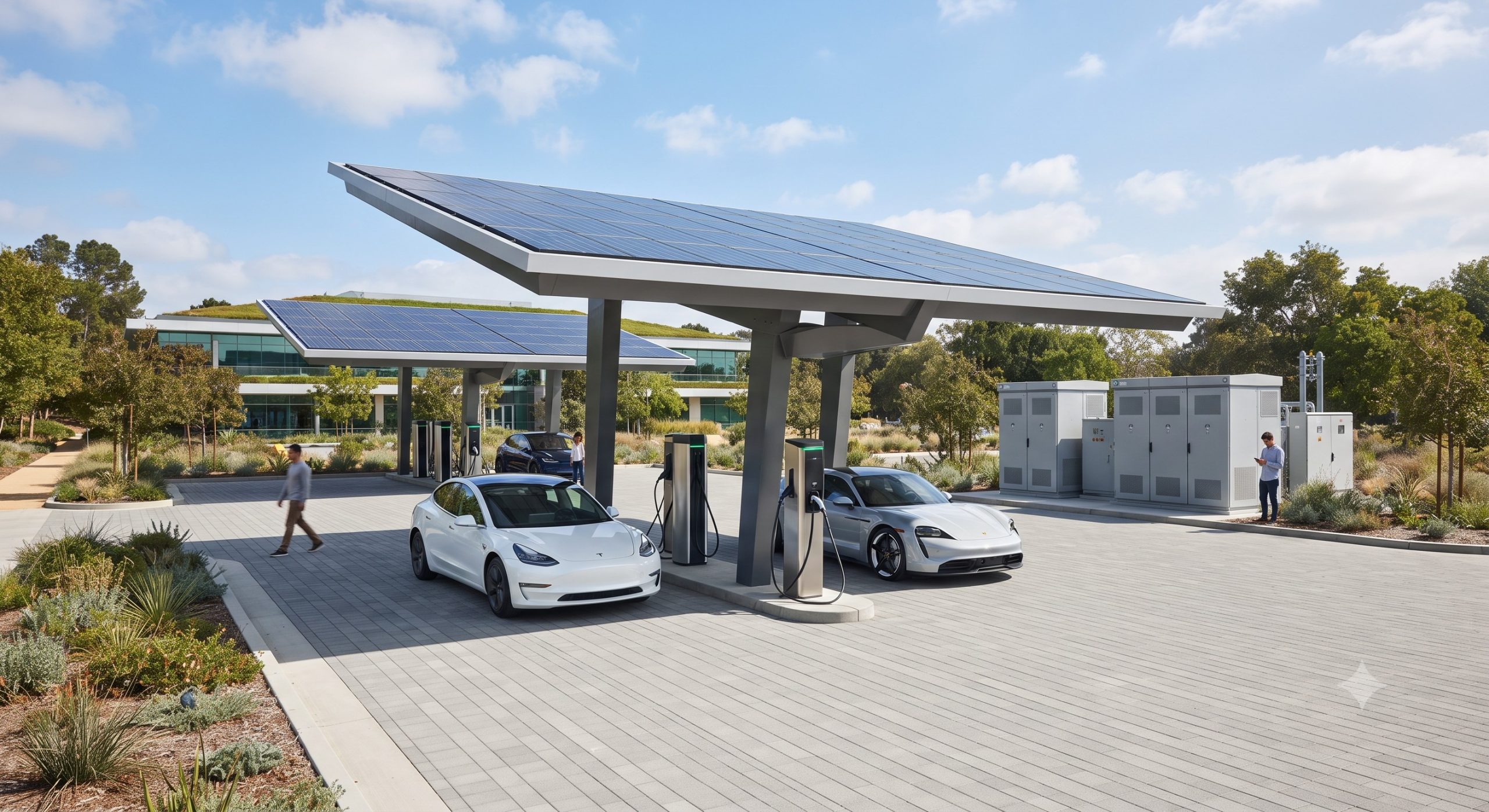
The versatility of the Plug-and-play container ESS architecture makes it ideal for a multitude of C&I applications. Beyond the standard industrial park setup, the system excels in high-demand scenarios like EV supercharging stations. The stored energy from the ESS can be dispatched to support high-power EV chargers, stabilizing the grid connection and preventing costly demand spikes. This PV-storage-charging synergy is a key driver of adoption. The containerized form factor allows for rapid deployment with a heavy-duty forklift, making it a truly turnkey solution. Moreover, the robust IP54 to IP55 protection ratings and operational temperature ranges from -30°C to 55°C ensure reliable performance in diverse climatic conditions, from remote microgrids to data centers and critical infrastructure .
Conclusion
The engineering decision between liquid cooling and air cooling is a definitive one for optimizing the performance and lifespan of a Plug-and-play container ESS. While air-cooled systems might present a lower upfront CAPEX, the superior thermal regulation of liquid cooling is an investment in long-term reliability, efficiency, and ROI. By maintaining tighter cell temperature control, liquid cooling ensures the Tier-1 LFP cells deliver their full cycle life potential, maintaining high round-trip efficiency and enabling aggressive peak-shaving strategies. For system architects and industrial buyers looking to secure a resilient, high-performance, and future-proof energy asset, selecting a Plug-and-play container ESS with an advanced liquid cooling architecture is the optimal choice for meeting commercial and industrial decarbonization goals.