Introduction: The Energy Storage Imperative for Modern Infrastructure
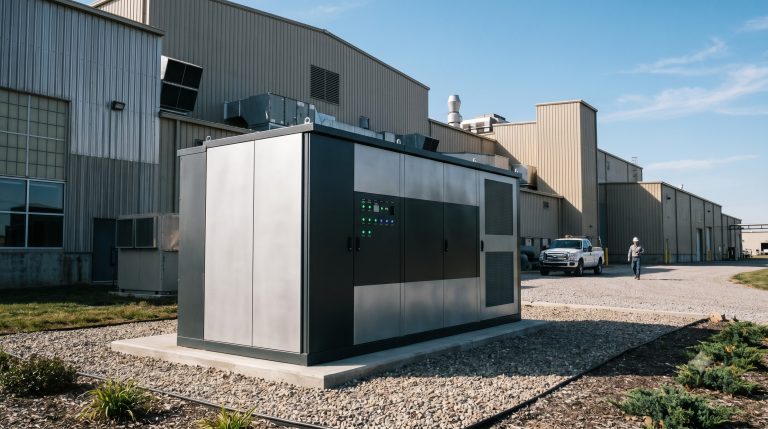
Global energy markets are undergoing a seismic shift. With renewable penetration exceeding 30% in major grids and industrial electricity costs projected to rise by 12-15% annually in key regions, C-suite executives and energy procurement officers are actively seeking capital-efficient solutions to mitigate volatility. Utility-scale battery storage has transcended early adopter status to become a critical infrastructure asset for grid stability, renewable firming, and peak load management. This comprehensive B2B technical sourcing guide dissects the core architecture of Tier-1 battery energy storage systems (BESS), analyzes total cost of ownership (TCO), and evaluates grid-support capabilities through a data-driven lens. We address the engineering rationale behind liquid cooling integration, Power Conversion System (PCS) bi-directional efficiency, and the stringent safety certifications—IEC 62619, UL 9540, and UN38.3—that define bankable energy storage projects.
Core Architecture: PCS, BMS, and EMS Integration
Power Conversion Systems (PCS) and Bi-Directional Efficiency
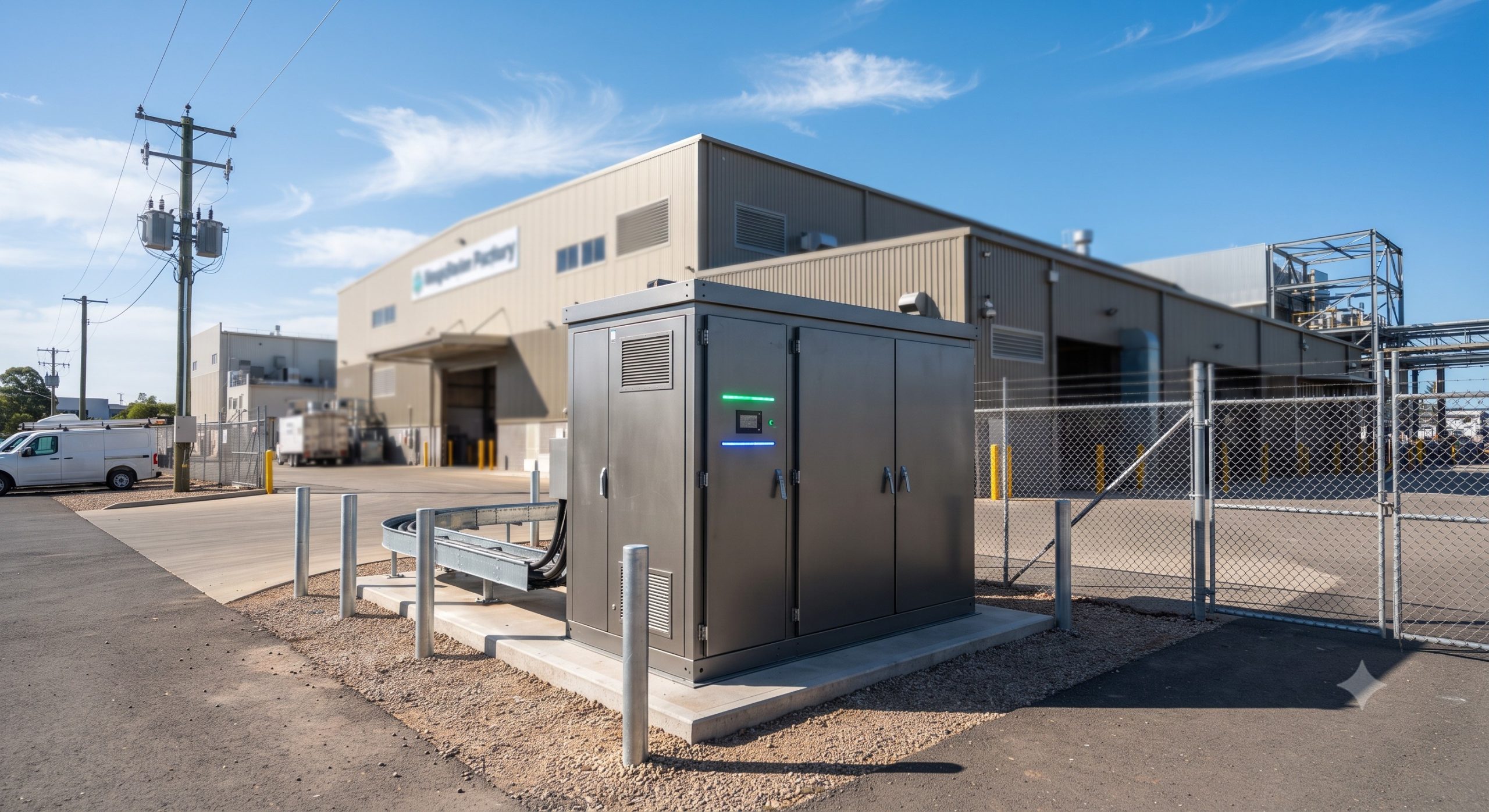
The heart of any utility-scale battery storage solution is the bi-directional PCS, responsible for converting AC grid power to DC for charging and DC to AC for dispatch. Modern systems leverage 1500V DC topology, reducing line losses and system costs by approximately 8-10% compared to 1000V architectures. Key performance metrics include peak efficiency (typically >98.5%) and overload capacity (110% for 10 minutes). Smart EMS (Energy Management System) dispatch algorithms coordinate with grid frequency response mechanisms, enabling sub-200ms response times for primary frequency regulation.
Battery Management Systems (BMS) and Cell Balancing
At the cell level, Tier-1 LFP (Lithium Iron Phosphate) prismatic cells form the foundation due to their thermal stability, long cycle life, and absence of cobalt. The BMS continuously monitors cell voltage, internal resistance, and temperature gradients, performing passive or active balancing. Advanced BMS platforms now incorporate predictive state-of-health (SOH) modeling, analyzing historical charge/discharge profiles to forecast degradation rates with ±2% accuracy—a critical input for asset management and warranty claims.
Thermal Management: Liquid Cooling vs. Air Cooling
Effective thermal control is paramount for maintaining cycle life and preventing capacity fade. While air cooling systems offer simplicity, liquid cooling technology has become the gold standard for high-density utility installations. Liquid cooling maintains cell temperature differentials within ±2°C (versus ±5°C for air-cooled systems), directly correlating to a 15-20% extension in usable cycle life. This closed-loop system uses a water-glycol mixture circulating through aluminum cold plates, dissipating heat efficiently even at 1C charge/discharge rates. The integration of liquid cooling with PCS also enhances overall thermal stability, a key requirement for outdoor containerized systems in desert or humid environments.
Technical Specifications & Performance Metrics
When evaluating utility-scale battery storage systems, procurement teams must scrutinize datasheets for the following critical parameters. The table below provides a benchmark against industry-standard specifications for a 5MWh containerized system.
| Key Parameter | Technical Specification (5MWh Containerized System) |
|---|---|
| Battery Chemistry | Tier-1 LFP (Lithium Iron Phosphate) with prismatic cells |
| System Capacity | 5016 kWh nominal / 5 MWh usable (@ 95% DoD) |
| Round-trip Efficiency | >93% at 25°C (excluding auxiliary loads) |
| Cycle Life | >8,000 cycles @ 90% DoD to 70% EOL (End of Life) |
| Response Time | <200ms for frequency regulation; <20ms for backup mode |
| Thermal Management | Active liquid cooling with microchannel cold plates |
| Safety Certifications | IEC 62619, UL 9540, CE, UN38.3 (cell level) |
| Operating Temperature Range | -30°C to +55°C (with derating above +45°C) |
Depth of Discharge (DoD) defines the usable energy window; systems typically operate at 90-95% DoD to balance utilization against longevity. Round-trip efficiency (RTE)—the ratio of energy discharged to energy stored—is a direct determinant of project economics. Top-tier systems achieve 92-94% RTE, translating to lower LCOE. Additionally, compliance with IEC 62619 (safety requirements for secondary lithium cells) and UL 9540 (stationary energy storage system safety) is non-negotiable for project financing and interconnection approvals.
Commercial ROI: Peak-Shaving and Total Cost of Ownership
Maximizing Peak-Shaving ROI
The primary revenue stream for C&I applications is peak-shaving, which reduces demand charges by discharging stored energy during grid peak periods. With industrial demand charges often exceeding $15-20/kW, a 5MW/20MWh utility-scale battery storage system can generate annual savings exceeding $1.2M depending on local tariff structures. The ROI timeframe has compressed significantly due to falling cell prices (now <$100/kWh at the pack level).
Demand Response and Grid Support
Beyond simple peak shaving, advanced systems participate in wholesale energy markets via demand response aggregators. Fast frequency response (<1 second) and voltage/VAR support services offer additional revenue streams, enabling a diversified business case. The smart EMS automates arbitrage strategies, executing charge/discharge cycles based on real-time price signals, weather forecasts, and grid load predictions.
Deployment Scenarios: From Industrial Parks to EV Supercharging
Industrial Park Energy Independence
Manufacturing facilities and logistics hubs deploy utility-scale battery storage to enhance power quality and provide backup during grid outages, avoiding costly production halts. Systems installed with seamless grid transition capability (<20ms switchover) ensure sensitive robotics and CNC machinery continue operating without interruption.
PV-Storage-Charging Synergy
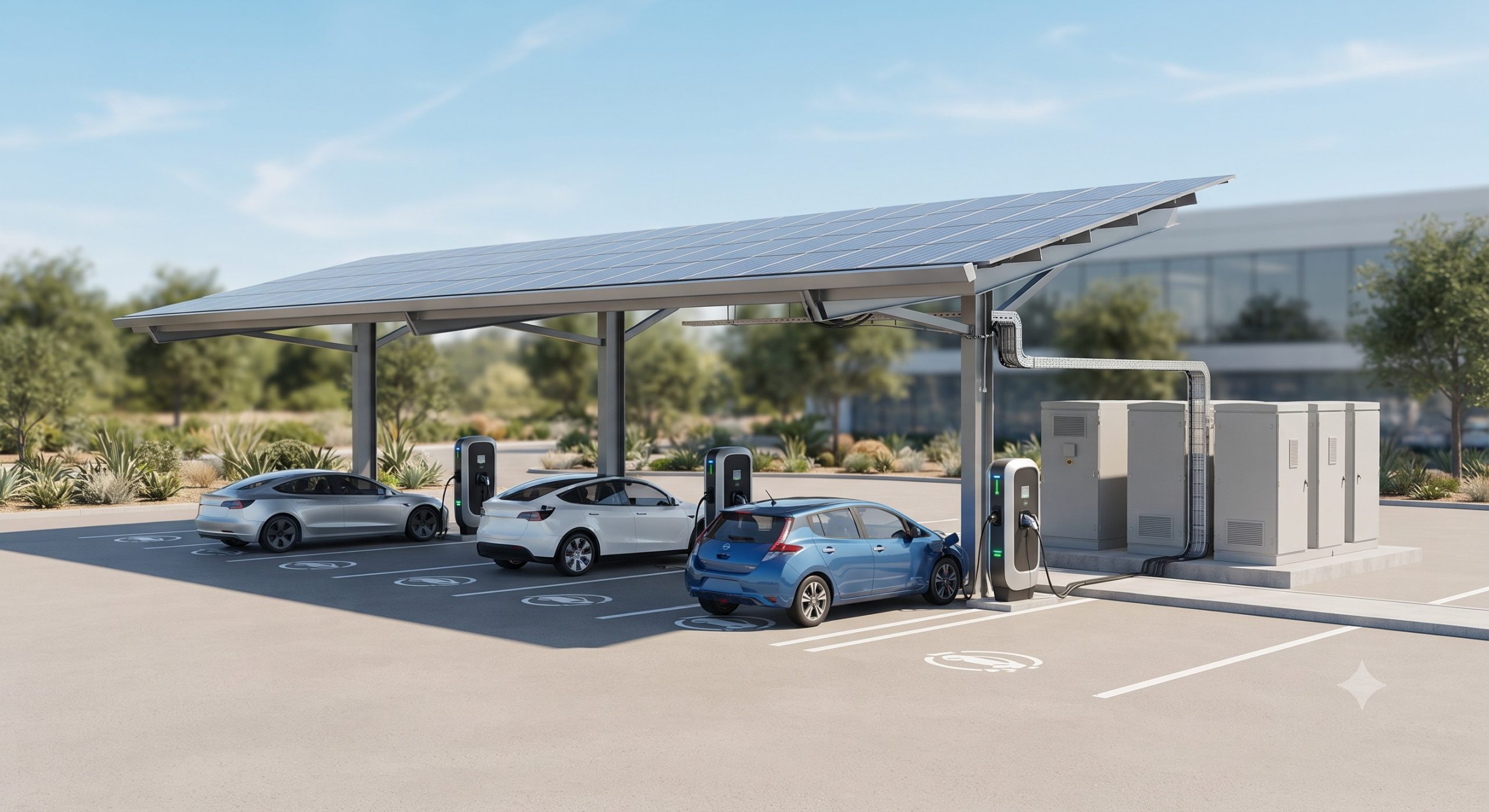
Utility-scale storage is also instrumental in enabling high-power EV supercharging stations without grid upgrades. By storing solar PV energy during midday and discharging during evening peak charging sessions, operators reduce grid import costs by up to 70%. This PV-Storage-Charging synergy is accelerating across Asia and Europe.
Conclusion: The Future of Bankable Energy Storage
As global decarbonization targets tighten, utility-scale battery storage represents the linchpin of a resilient, low-carbon energy future. For project developers and industrial energy buyers, selecting systems with advanced liquid cooling, Tier-1 LFP cells, and full compliance with UL 9540 and IEC 62619 is not merely a safety consideration—it is a financial imperative. The alignment of falling system costs, improving RTE metrics, and expanding grid service monetization opportunities validates utility-scale storage as a core capital investment for the next decade. Sourcing partners should emphasize transparent degradation modeling, performance guarantees (>90% capacity retention after 8,000 cycles), and robust local O&M support to de-risk project execution.