UL 9540 & IEC 62619 TECHNICAL COMPLIANCE REGISTER: CONTAINER ESS IEC STANDARDS COMPLIANCE SHEET
EXECUTIVE SUMMARY
This document serves as the definitive technical compliance register and product overview for the next-generation Containerized Energy Storage System (ESS). Designed specifically for Tier-1 utility-scale and commercial & industrial (C&I) deployments, this platform represents the culmination of rigorous engineering aimed at achieving absolute regulatory conformity across all major global markets. The system architecture is fundamentally predicated on meeting and exceeding the most stringent international safety and performance standards, including UL 9540, UL 9540A, IEC 62619, and IEC 63056. This datasheet provides a comprehensive overview of the system’s design philosophy, safety mechanisms, and operational specifications that guarantee seamless grid interconnection and unparalleled asset protection.
SYSTEM ARCHITECTURE & SAFETY
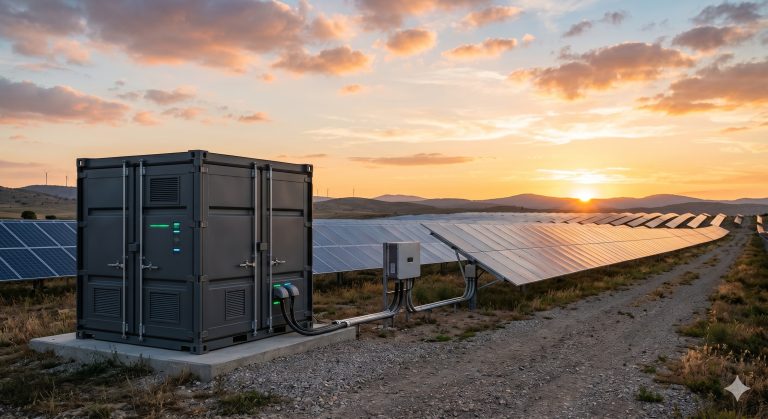
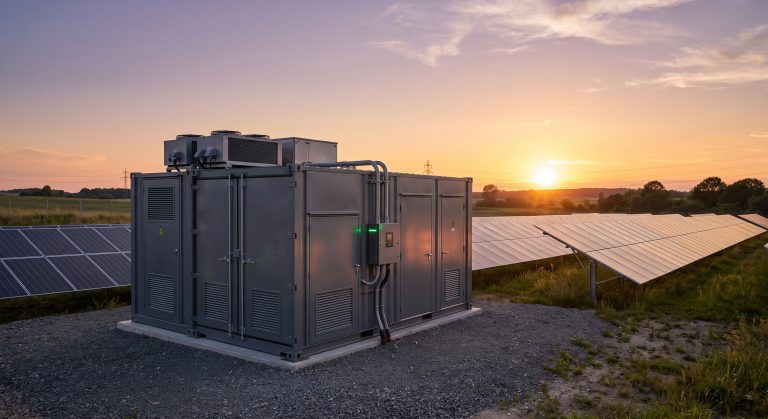
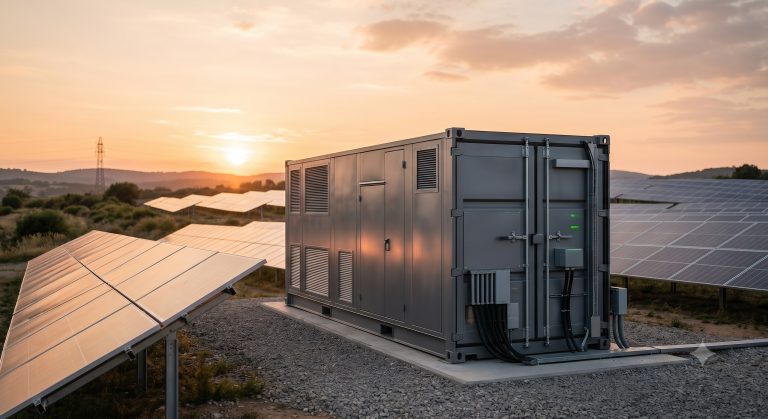
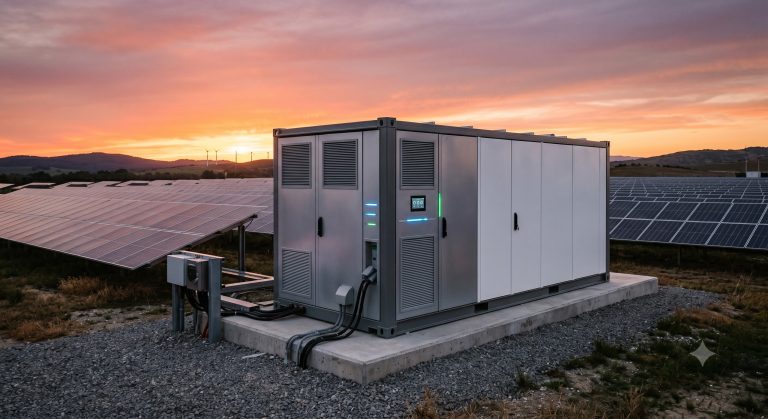
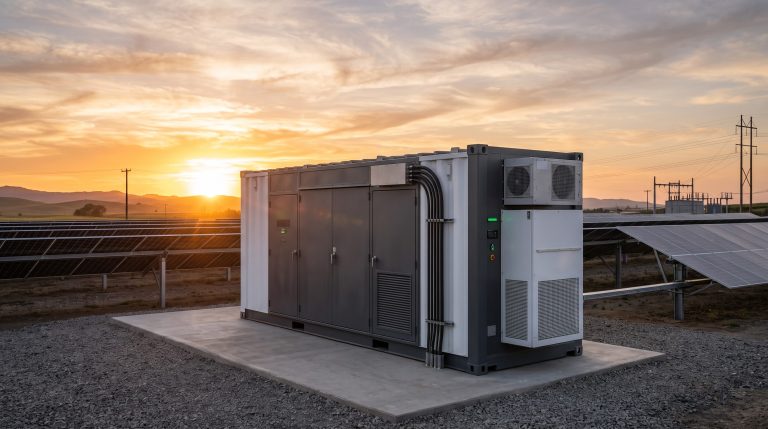
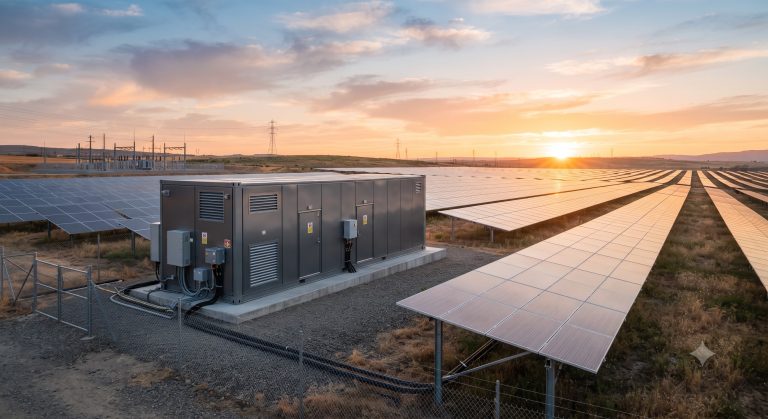
The containerized ESS is engineered as a fully integrated, turnkey solution housed within a robust, weatherproof ISO-compliant steel enclosure. The architecture follows a ‘cell-to-container’ philosophy, optimizing space and thermal management while ensuring maximum safety and reliability. At the core of the system is the integration of Tier-1 prismatic Lithium Iron Phosphate (LFP) battery cells, renowned for their exceptional thermal stability and cycle life. The system is structured around multiple independent battery racks, each governed by a sophisticated high-level Battery Management System (BMS) that communicates seamlessly with the Power Conversion System (PCS) and the central Energy Management System (EMS).
The safety architecture is multi-layered and redundant. The primary layer is the inherent chemical stability of the LFP cathode material, which provides a superior thermal runaway threshold compared to other chemistries. The secondary layer is the BMS, which provides real-time monitoring and active balancing of each individual cell, ensuring that voltage, current, and temperature remain strictly within safe operating envelopes. The tertiary layer is a fully automated fire suppression system (FSS), utilizing a combination of aerosol-based and water-mist technologies to rapidly extinguish any potential ignition sources, with a design that complies with the most rigorous testing protocols such as UL 9540A.
KEY FEATURES
– Comprehensive Global Compliance: The system is engineered and certified to meet the strictest international standards including UL 9540 (Safety of Energy Storage Systems), UL 9540A (Thermal Runaway Fire Propagation), IEC 62619 (Secondary Cells for Industrial Applications), and IEC 63056 (Safety Requirements for Secondary Batteries).
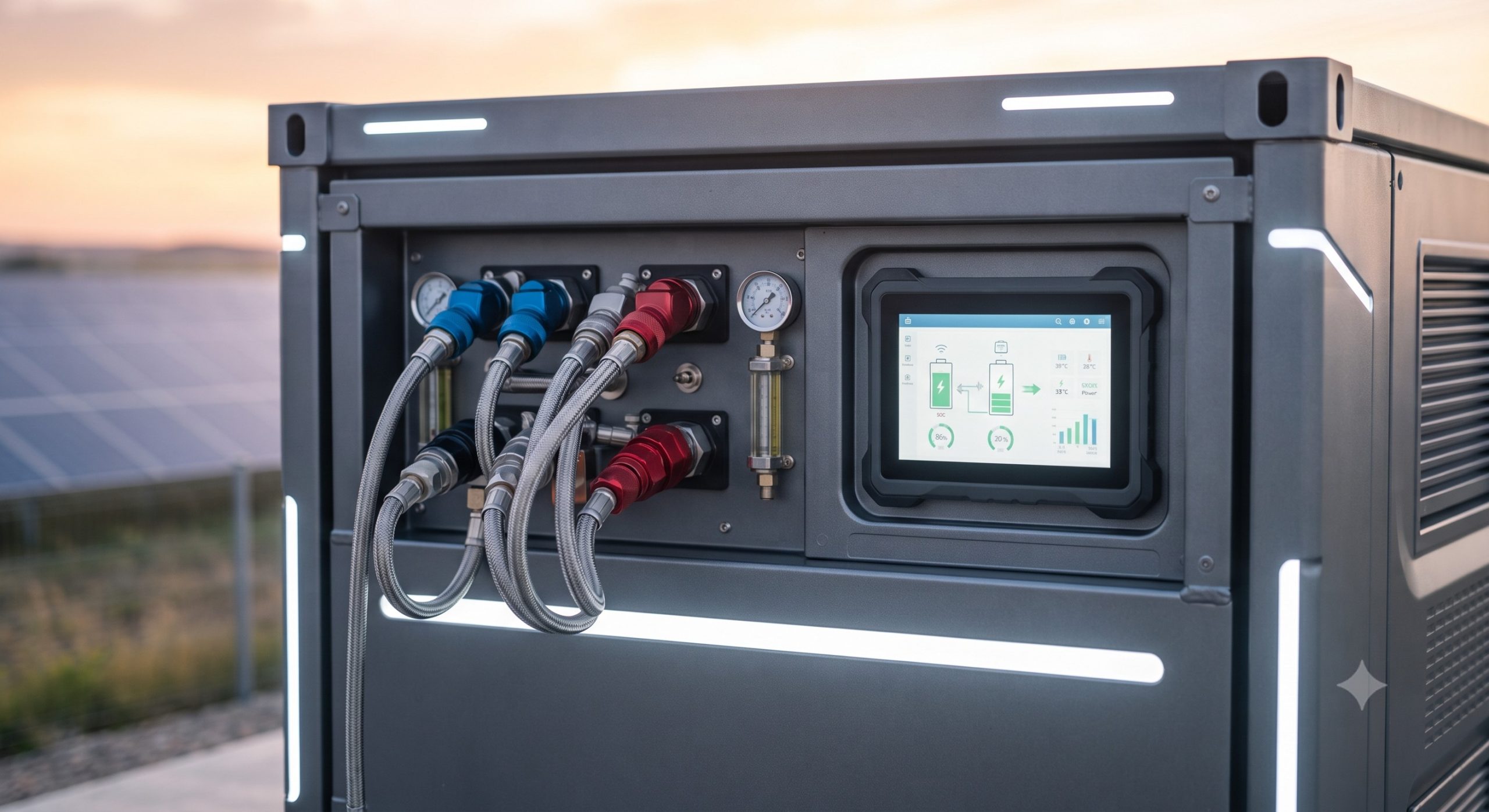
– Advanced Liquid Cooling Technology: A state-of-the-art liquid cooling system ensures precise temperature regulation across all cells, maintaining an optimal operating range of 15°C to 35°C. This maximizes battery longevity, prevents capacity derating, and enhances round-trip efficiency.
– Ingress Protection & Durability: The container chassis is rated to IP54 (or higher, depending on configuration), offering robust protection against dust ingress and water splashes. This rugged design enables reliable outdoor operation in a wide range of climatic conditions, from -30°C to +50°C (with optional derating).
– Flexible Scalability & Modularity: The platform supports parallel expansion via a high-voltage DC busbar architecture, allowing for seamless capacity scaling from a single 5MWh unit to multi-MWh storage farms. This modularity simplifies logistics, reduces engineering hours, and lowers overall project CAPEX.
– Intelligent EMS & Cyber-Secure Interface: The onboard EMS provides advanced functionalities including peak shaving, load shifting, frequency regulation, and demand response. The system supports standard communication protocols (Modbus TCP, IEC 61850, DNP3) and is designed with a cyber-secure architecture to protect against unauthorized access.
COMPLIANCE & STANDARDS
Adherence to global standards is not merely a check-box exercise; it is the foundational element of our system design. The following standards and certifications form the bedrock of the product’s compliance register. The engineering team has worked proactively with certification bodies to ensure that our testing results are not only compliant but often surpass the minimum requirements, providing owners and operators with an exceptional margin of safety and reliability.
– UL 9540 (Safety of Energy Storage Systems): The system is fully compliant as a complete Energy Storage System, having undergone comprehensive evaluation by UL for fire, shock, and mechanical hazards. This certification is critical for installations in North America.
– UL 9540A (Thermal Runaway Fire Propagation): This standard represents the most advanced method for assessing the fire risk of ESS. Our extensive testing has demonstrated that the system’s design effectively mitigates the propagation of thermal runaway at the cell, module, rack, and container levels, meeting the most stringent acceptance criteria.
– IEC 62619 (Secondary Cells and Batteries): This standard covers the safety requirements for secondary lithium cells and batteries used in industrial applications. Our cells and modules have been tested for overload, short circuit, overcharge, and mechanical shock, ensuring robust performance in demanding environments.
– IEC 63056 (Safety Requirements for Secondary Batteries): This standard provides requirements for the safety of secondary batteries and battery installations. It ensures the electrical and mechanical integrity of the complete battery system.
– IEEE 1547 / IEEE 2030.2: The system’s PCS is compliant with IEEE 1547 for interconnection with the electric grid and IEEE 2030.2 for smart grid interoperability, ensuring stable and reliable grid-tied operation.
– ISO 13849 & IEC 61508 (Functional Safety): The control and safety systems are designed with functional safety in mind, achieving performance levels that ensure a safe response to both internal and external faults.
TECHNICAL SPECIFICATIONS
The following table provides a comprehensive overview of the key technical and performance parameters for the standard Container ESS configuration. It is important to note that specifications are subject to customization based on specific project requirements, such as voltage classes and capacity configurations.
| Parameter | Specification |
|---|---|
| Nominal Capacity | Up to 5.0 MWh per 20-foot container |
| Cooling Method | Smart Liquid Cooling (Ethylene Glycol / Water) with redundant chillers |
| Cell Chemistry | Tier-1 LFP (Prismatic) – Cyclic Life > 6000 cycles at 80% DOD |
| Battery Voltage Range (DC) | 1000 Vdc / 1500 Vdc (Configurable) |
| Round-Trip Efficiency (DC) | > 92.5% (Typical) |
| Operating Temperature | -20°C to +50°C (with derating above 45°C) |
| Ingress Protection (Chassis) | IP54 (Options for IP55 / NEMA 3R) |
| Fire Suppression System | Aerosol + Water Mist (UL 9540A Compliant) |
| Communication Protocols | Modbus TCP, IEC 61850, DNP3 |
| Safety Compliance | UL 9540, UL 9540A, IEC 62619, IEC 63056, IEEE 1547 |
| Weight (Approx.) | ~50 tons (depending on configuration) |
INDUSTRIAL DEPLOYMENT
The Container ESS is designed for seamless integration into a wide variety of industrial, commercial, and utility-scale applications. Its robust compliance profile makes it the ideal solution for projects requiring stringent safety and grid interconnection standards.
– Utility-Scale Frequency Regulation & Grid Support: The system’s rapid response time (typically < 100ms) and high round-trip efficiency make it a prime candidate for primary and secondary frequency regulation services, providing grid stabilization and improving overall power quality.
- Commercial & Industrial Peak Shaving: For industrial facilities with high demand charges, the system can be deployed to shave peak loads, significantly reducing electricity costs. The liquid cooling ensures consistent performance even during peak demand periods.
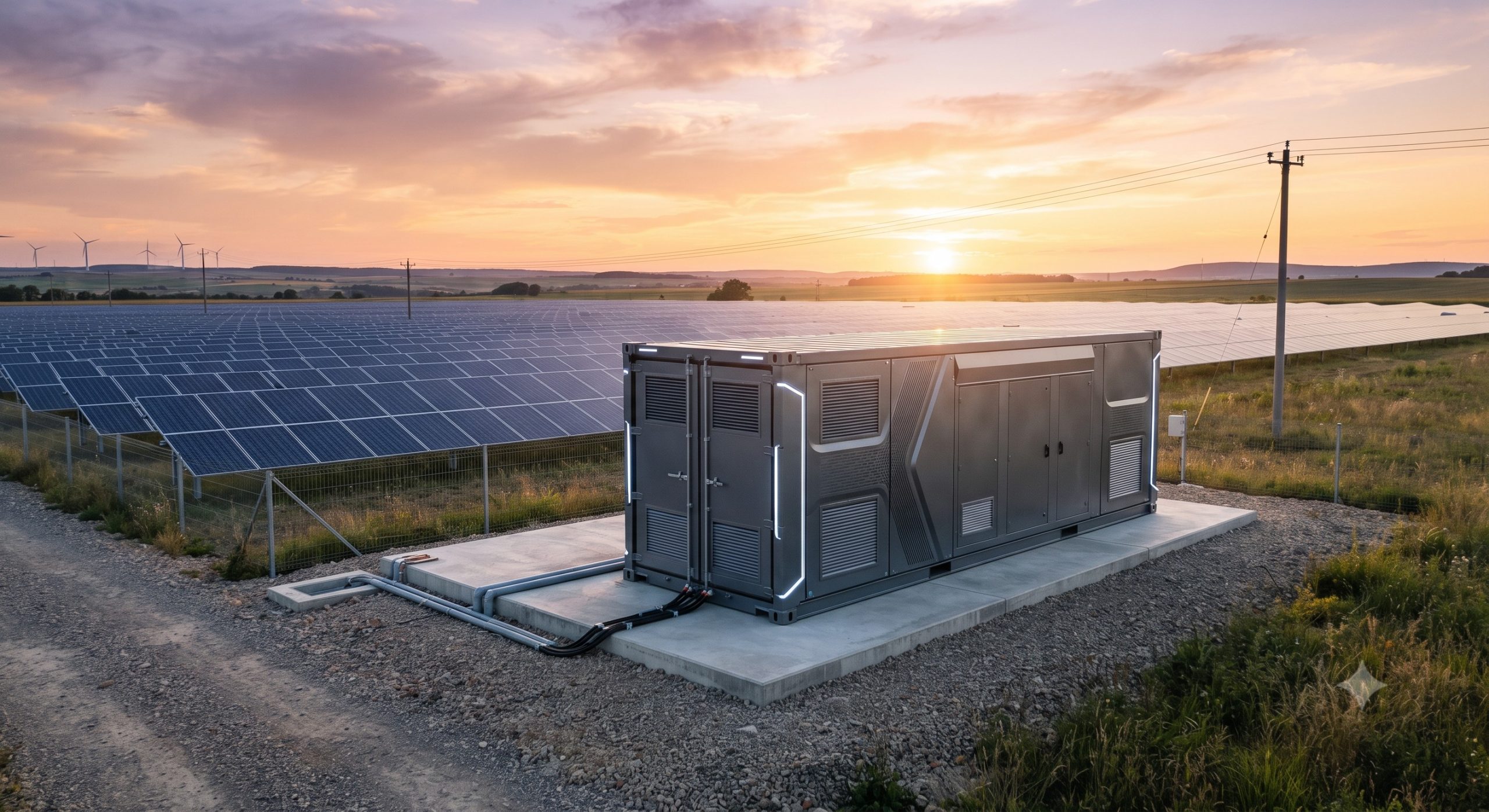
- Renewable Integration: The ESS enables the smooth integration of variable renewable energy sources like solar and wind, storing excess energy during peak generation and discharging it during lulls, thus improving the overall grid stability and renewable penetration.
- Microgrid & Islanding Applications: In remote areas or for critical infrastructure, this system provides the backbone for microgrids, allowing for a seamless transition from grid-tied to islanded operation and ensuring a reliable, uninterrupted power supply.
WARRANTY & SERVICE ASSURANCE
The product is backed by a comprehensive warranty package, including a 10-year performance warranty (with a guaranteed 80% capacity retention) and a 20-year design life. Our global service network offers remote monitoring, routine maintenance, and rapid on-site support, ensuring that your asset operates at peak performance for its entire lifespan. The system is a future-proofed investment, aligning with evolving grid codes and environmental, social, and governance (ESG) targets.
📥 Download Technical Specification
Click the button below to view or download the full official PDF datasheet.