Introduction: The Critical Need for Comprehensive Battery Traceability
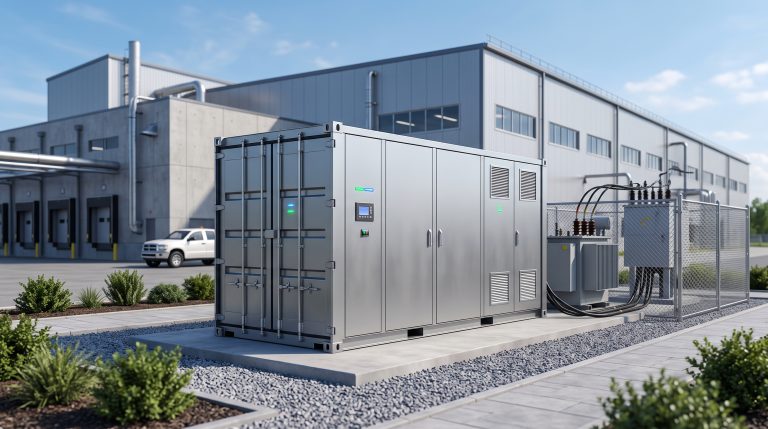
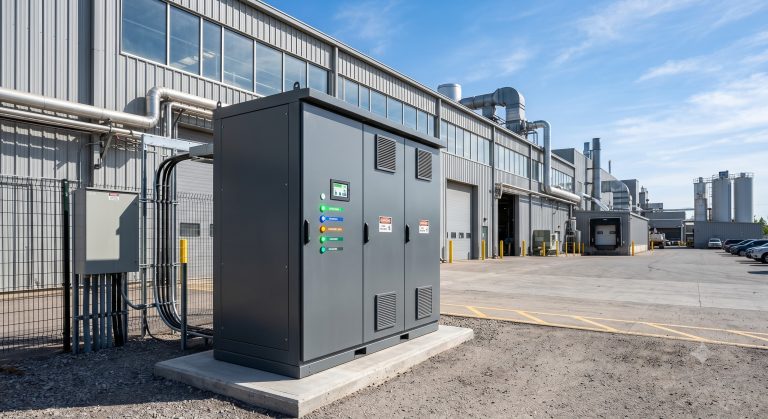
As the commercial and industrial (C&I) sector accelerates its transition to renewable energy, the MES battery traceability system has emerged as a non-negotiable component for ensuring safety, performance, and long-term asset value. While the potential for peak shaving and energy independence is immense, the inherent risks associated with high-capacity lithium-ion battery energy storage systems (BESS) demand a sophisticated, multi-layered safety strategy. This technical blog delves deep into the engineering of an advanced MES battery traceability system, focusing on its pivotal role in preventing thermal runaway through a combination of a robust Battery Management System (BMS), cutting-edge liquid cooling, and integrated fire suppression. We will dissect the architecture, compliance with stringent international standards, and the quantifiable metrics that define a truly safe and reliable system.
Core Architecture & Battery Management: The Nervous System of the MES Battery Traceability System
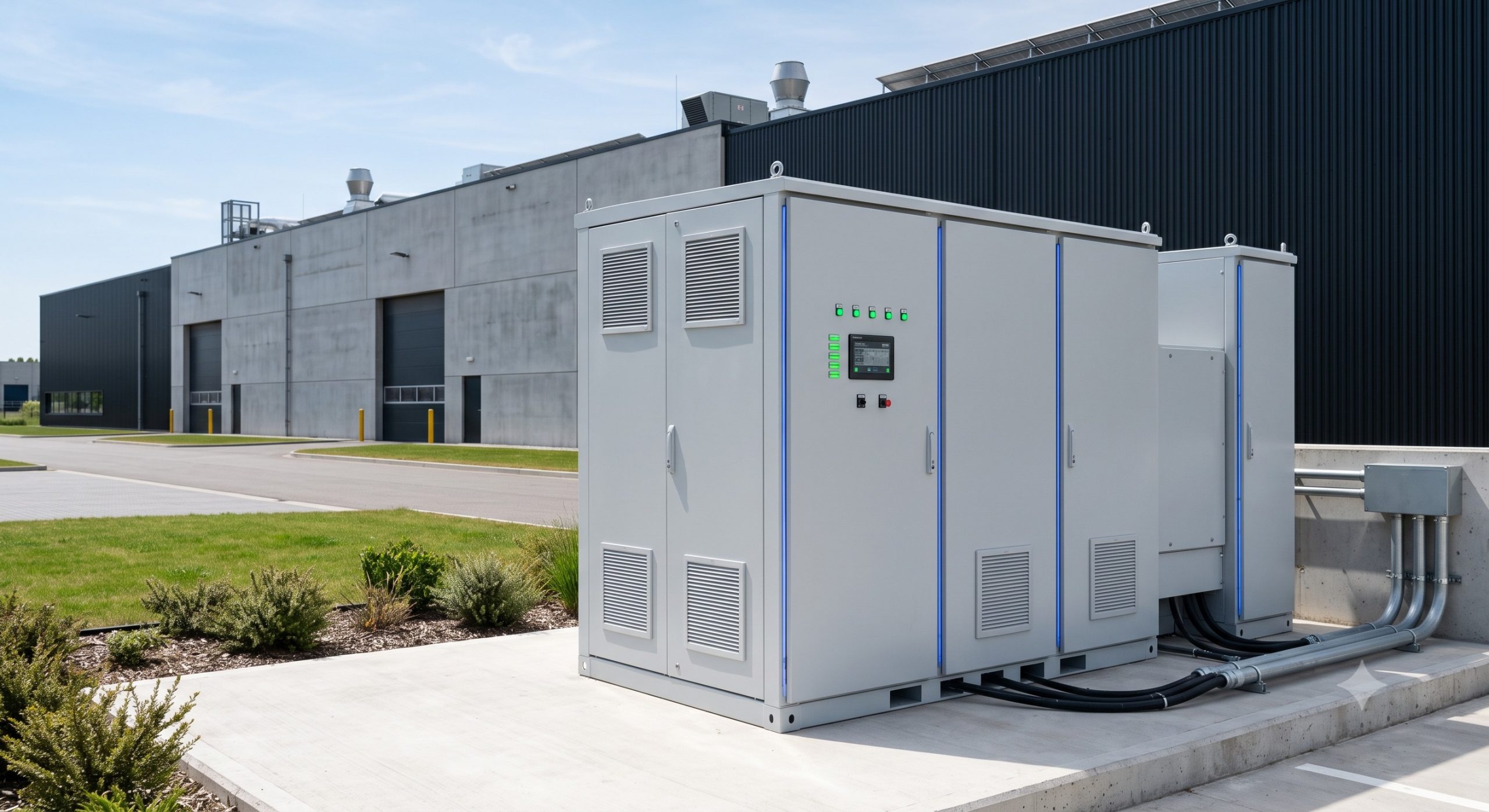
The efficacy of an MES battery traceability system is anchored in its sophisticated, multi-tiered architecture. At its heart lies the Battery Management System (BMS), which functions as the central nervous system, continuously monitoring and controlling every aspect of the battery pack. The architecture is designed to ensure that every cell within the system is traceable, from its manufacturing origin to its current operational state. A critical component of this traceability is the cell balancing mechanism. Active balancing circuits within the BMS equalize the state of charge (SoC) across all cells, preventing overcharging or deep discharging of individual cells, which are primary precursors to thermal instability. This ensures uniform degradation and significantly extends the system’s operational lifespan.
Advanced BMS Logic and Communication
The BMS is not a passive monitor; it is an active decision-making hub. It employs advanced algorithms to calculate critical parameters like State of Charge (SoC) and State of Health (SoH) with a high degree of accuracy, typically within ±2%. This precise data is crucial for the Smart EMS (Energy Management System) dispatch, which optimizes the system’s performance for demand response or peak shaving. The communication between the BMS and the EMS is facilitated by high-speed industrial protocols like CANbus and Modbus, ensuring sub-100ms response times to any abnormal condition. This interconnected system allows for a granular, cell-level traceability that is essential for both operational safety and long-term warranty management, effectively creating a digital twin of the entire energy storage asset.
Technical Specifications & System Outputs
To truly understand the robustness of an MES battery traceability system, one must analyze its core technical parameters. These specifications are not just numbers; they are the quantifiable proof of a system’s reliability, durability, and safety. The following table outlines the key performance indicators that define a Tier-1 grade energy storage system, all underpinned by a rigorous traceability framework.
| Key Parameter | Technical Specification |
|---|---|
| Battery Chemistry | Tier-1 LFP (Lithium Iron Phosphate) |
| System Capacity | Up to 5 MWh per 40ft containerized unit |
| Cycle Life | >8000 cycles @ 90% DoD (Depth of Discharge) |
| Round-Trip Efficiency | >92% (with liquid cooling active) |
| Thermal Control | Active Liquid Cooling (15°C – 35°C range) |
| Safety Certifications | IEC 62619, UL 9540, CE, UN38.3 |
| Fire Suppression | Multi-stage (Gas-based + Water deluge) |
| BMS Type | Active cell balancing with SoC/SoH monitoring |
| Response Time | <100ms for grid dispatch/emergency shutdown |
Thermal Management & Fire Suppression: Proactive Safety
The transition from air cooling to liquid cooling in BESS is perhaps the most significant advancement in thermal management for an MES battery traceability system. Liquid cooling offers a dramatically higher heat transfer coefficient, effectively maintaining cell temperature within a narrow, optimal band of 15°C to 35°C. This tight thermal control is vital for preventing the buildup of hotspots, a common trigger for thermal runaway. The system’s traceability extends to the thermal management unit, with sensors monitoring coolant flow rates, inlet/outlet temperatures, and pressure differentials. Any deviation from the norm triggers an immediate alert, allowing for predictive maintenance before a minor issue escalates.
Multi-Stage Fire Suppression Integration
A truly comprehensive MES battery traceability system integrates a multi-stage fire protection protocol. This is a cornerstone of achieving certifications like UL 9540 and IEC 62619. The first line of defense is the BMS itself, which will safely shut down the system and disconnect it from the grid upon detecting critical anomalies. The second stage involves a gas-based fire suppression system, such as Novec 1230 or FM-200, which can extinguish a nascent fire without damaging the remaining battery cells. The final stage is a robust water-based deluge system, designed to cool the system and prevent fire spread to surrounding infrastructure. All components of this system are auditable and traceable, ensuring compliance with local fire codes and insurance requirements, a critical aspect for any commercial installation.
Commercial ROI, Grid Support, & Compliance Audits
Investing in a traceable, safety-focused MES battery traceability system is not just a technical necessity; it is a sound financial decision. The system’s ability to reliably participate in demand response programs and perform daily peak shaving delivers a direct, calculable return on investment (ROI). The detailed traceability provided by the BMS and EMS allows for precise Total Cost of Ownership (TCO) calculations, factoring in degradation, maintenance, and replacement costs over the system’s lifecycle. Furthermore, strict adherence to international standards like IEC 62619 (for safety), UN38.3 (for transport), and UL 9540 (for fire safety) is not merely a box-ticking exercise. It is a critical requirement for securing project financing, obtaining insurance, and gaining grid interconnection approval. A system with documented, auditable traceability simplifies the Factory Acceptance Test (FAT) and Site Acceptance Test (SAT) processes, accelerating project timelines and reducing deployment risks.
Deployment Scenarios: From Industrial Parks to EV Charging Hubs
The application of a robust MES battery traceability system is incredibly versatile. In a heavy industrial park setting, these systems can be scaled to tens of MWh to support load shifting and act as a backup power source to protect against grid instability, significantly reducing energy costs by flattening the load curve. Another rapidly growing application is in PV-Storage-Charging (光储充) hubs for EV supercharging stations. Here, the traceability system ensures that high-powered, rapid charging events do not stress the battery infrastructure, while also integrating seamlessly with on-site solar generation to maximize the use of renewable energy and minimize demand charges from the grid.

Conclusion: The Strategic Imperative of a Traceable Energy Future
The MES battery traceability system represents a paradigm shift in how we approach energy storage. It moves the industry beyond simple energy arbitrage to a model that prioritizes lifecycle safety, performance integrity, and grid resilience. For engineering, procurement, and construction (EPC) firms, facility managers, and energy consultants, the selection of a traceable BESS is the single most important decision to ensure long-term operational success and risk mitigation. The convergence of a robust BMS, liquid cooling, and third-party certifications like UL 9540 creates an ecosystem of trust and reliability. As the C&I sector continues its journey towards decarbonization, the MES battery traceability system will be the cornerstone of a safe, efficient, and sustainable energy infrastructure. To explore how these systems can be tailored to your specific energy needs, engage with our team of experts to begin a comprehensive energy audit today.