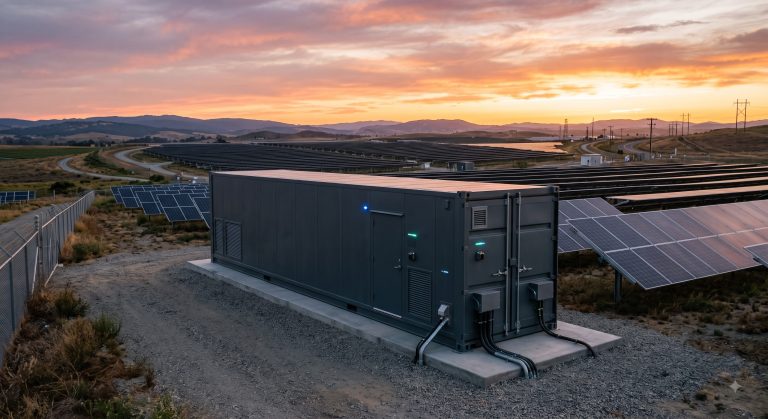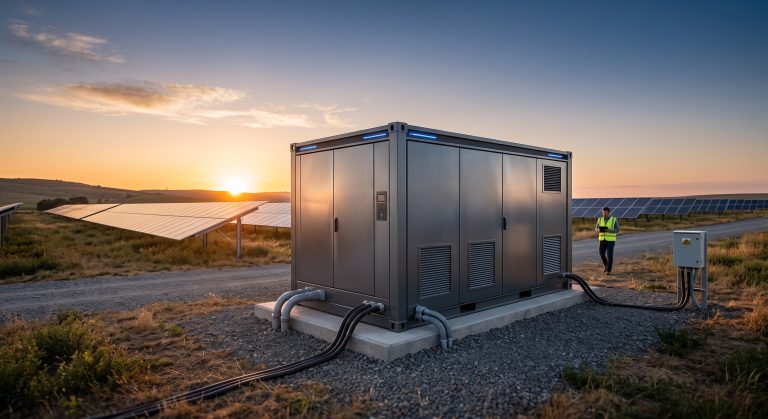
UL 9540 & IEC 62619 TECHNICAL COMPLIANCE REGISTER: RESIDENTIAL BATTERY CE CERTIFICATION DOCUMENT
EXECUTIVE SUMMARY
This document serves as the official technical compliance register and product overview for our state-of-the-art residential energy storage system (RESS). It is meticulously structured to provide engineering, procurement, and regulatory stakeholders with a comprehensive understanding of the system’s design, safety architecture, and full-spectrum compliance with CE certification requirements. The platform integrates Tier-1 LFP cell technology with a sophisticated multi-layer safety management system, ensuring unparalleled reliability, longevity, and adherence to the most stringent international standards. This datasheet outlines all critical performance parameters, safety mechanisms, and certification benchmarks essential for market deployment across the European Economic Area.
SYSTEM ARCHITECTURE & SAFETY
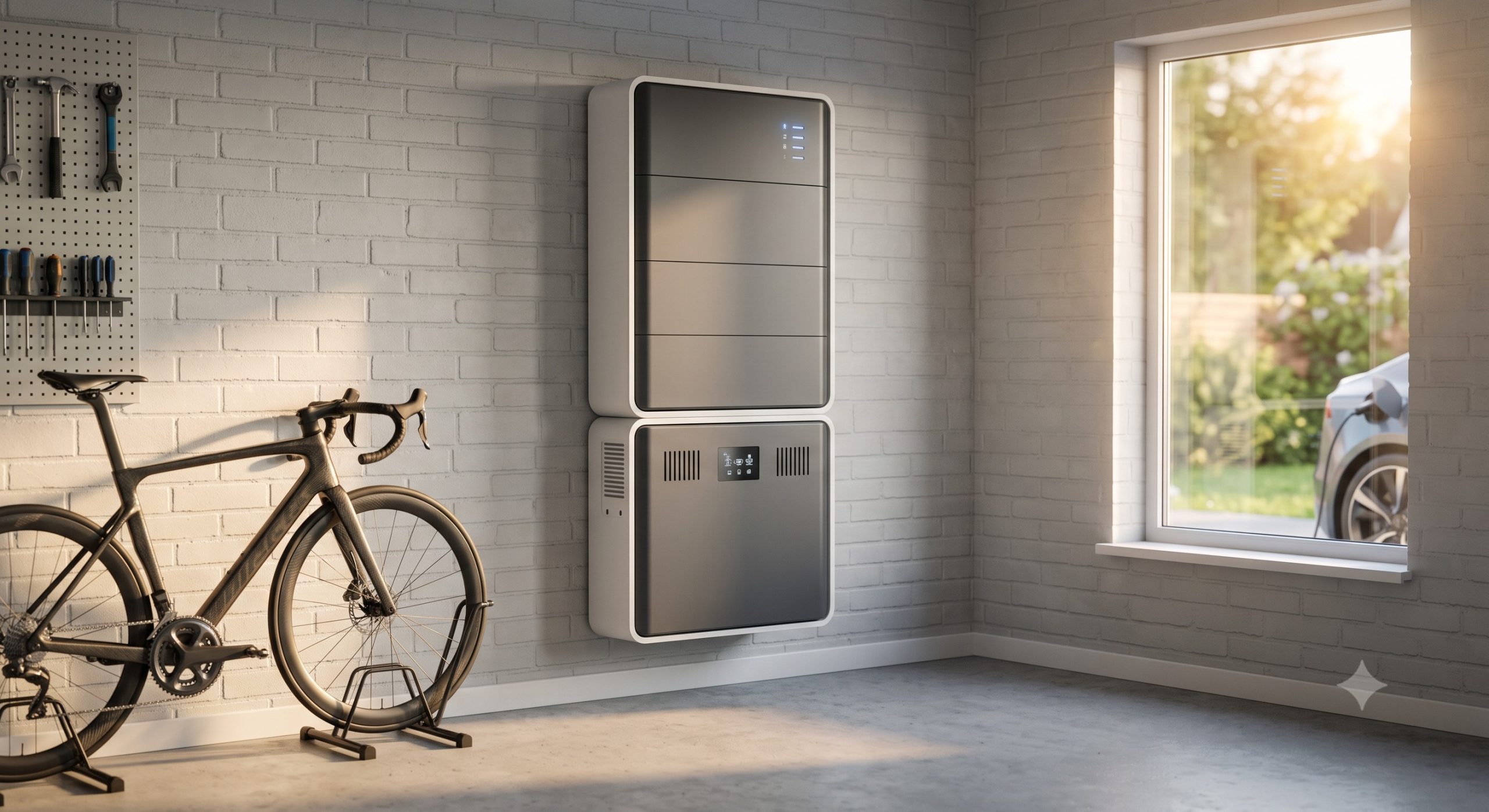
Our residential battery platform is engineered on a modular, scalable architecture designed for seamless integration into existing and new PV-Storage systems. The core of the system is a high-voltage battery pack composed of robust, prismatic LFP cells, managed by a state-of-the-art, three-tier Battery Management System (BMS).
* **BMS Architecture:** The BMS operates at the cell, module, and system levels, continuously monitoring voltage, current, and temperature. Its primary functions include overcharge/discharge protection, cell balancing (passive and active), insulation monitoring, and robust communication with the hybrid inverter via standard protocols (e.g., CAN/RS485).
* **Enclosure & Thermal Management:** The system is housed in an IP65-rated, weather-resistant enclosure, suitable for both indoor and outdoor installations. A passive, intelligent air-cooling system is supplemented by a high-efficiency thermal management algorithm that modulates fan speed based on real-time load and ambient conditions, ensuring the battery operates within its optimal temperature window of 15°C to 35°C, thereby maximizing cycle life.
* **Safe Storage and Operation:** The unit is designed with a clear focus on fail-safe operation. This includes a sealed, dust-tight compartment, high-grade galvanic isolation, and a dedicated safety disconnect unit that physically separates the battery from the inverter in the event of a critical fault.
KEY FEATURES
– **Feature 1: Tier-1 LFP Cell Chemistry** – Utilizes the safest and most durable Lithium Iron Phosphate (LFP) technology, renowned for its superior thermal stability and extended cycle life, with a projected 6,000 cycles to 80% Depth of Discharge (DoD).
– **Feature 2: Multi-Layer Safety & Fire Suppression** – Integrated with a proactive thermal runaway detection system, gas venting channels, and an optional, integrated aerosol-based fire suppression unit (compliant with VdS and EN 50130-4 standards).
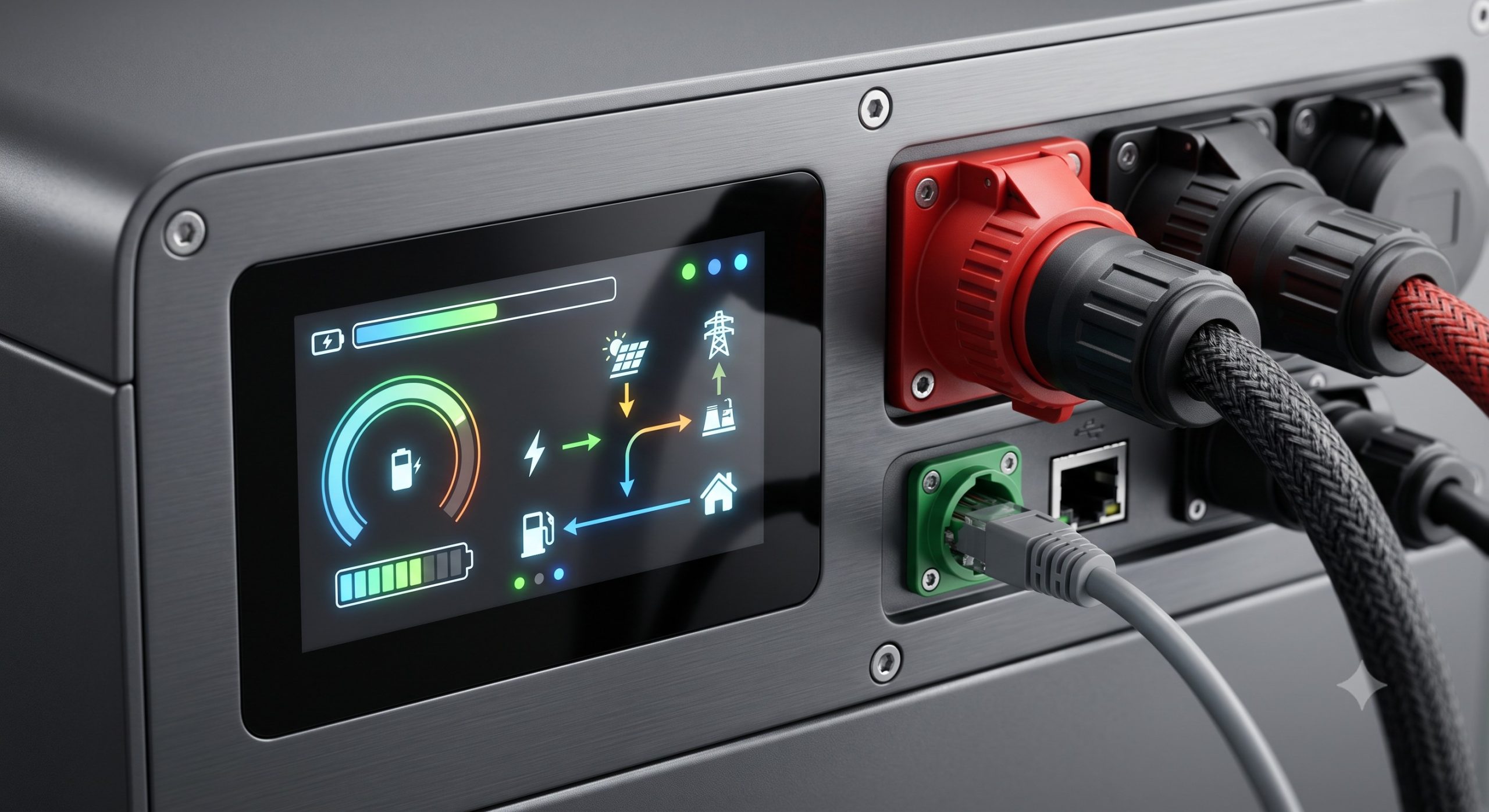
– **Feature 3: Smart Energy Management Interface** – Features an intuitive EMS touch panel with Wi-Fi/Ethernet connectivity, offering remote monitoring, advanced scheduling for peak shaving, and real-time system health diagnostics via a mobile application.
– **Feature 4: Flexible, Stackable Design** – Modular from 5 kWh up to 20 kWh per stack, allowing for simple capacity expansion to adapt to evolving household energy needs without requiring a new inverter.
– **Feature 5: High Peak Power Support** – Capable of delivering high peak power output (up to 7.5 kW) to support heavy household loads during grid outages, ensuring smooth transition and backup for critical appliances.
COMPLIANCE & STANDARDS
This product has undergone extensive and rigorous testing to achieve full compliance with the essential health, safety, and environmental protection requirements. The certification dossier confirms adherence to the following European and International standards, forming the core of the CE certification:
* **Safety & Performance:** IEC 62619 (Safety requirements for secondary lithium cells and batteries), IEC 62040-1 (Uninterruptible power systems – Safety requirements), EN 62477-1 (Safety requirements for power electronic converter systems).
* **Grid Interconnection:** VDE-AR-N 4105, EN 50549-1. These standards ensure seamless and stable grid interconnection, including anti-islanding protection, frequency-watt and voltage-var control, and power quality compliance.
* **Electromagnetic Compatibility (EMC):** EN 61000-6-1, EN 61000-6-2, EN 61000-6-3, EN 61000-6-4, ensuring immunity and emission levels that do not interfere with other household electronics.
* **Environmental & Transport:** UN 38.3 (safe transport), RoHS, WEEE, and REACH compliant, confirming the product’s environmental responsibility throughout its lifecycle.
TECHNICAL SPECIFICATIONS
ELECTRICAL & PERFORMANCE DATA
– Cell Chemistry: Tier-1 LFP (LiFePO4)
– Usable Energy Capacity: 10.24 kWh (Configurable in 2.56 kWh increments, up to 20.48 kWh)
– Nominal Voltage: 51.2 V DC
– Operating Voltage Range: 44.8 V DC – 57.6 V DC
– Max. Charge/Discharge Current: 100 A / 100 A
– Peak Charge/Discharge Power (10 sec): 5.1 kW / 5.1 kW
– Round-Trip Efficiency (DC): ≥ 97.5%
– Design Life: 15 Years (at 25°C ambient)
MECHANICAL & ENVIRONMENTAL SPECIFICATIONS
– Dimensions (H x W x D): 680 x 500 x 210 mm per module / 1820 x 500 x 210 mm for full stack (4 modules + base)
– Weight: 42 kg per module
– Enclosure Protection: IP65 (Indoor & Outdoor)
– Operating Ambient Temperature: -20°C to +55°C (charging 0°C to +55°C, discharging -20°C to +55°C)
– Relative Humidity: 5% to 95% (Non-condensing)
– Installation Altitude: ≤ 2000 m
– Cooling Method: Intelligent, temperature-controlled forced air
COMMUNICATION & INTERFACES
– Communication Protocols: CAN 2.0B, RS485, Wi-Fi, Ethernet
– Interface: 7-inch IPS Touch Screen (EMS Control Panel)
| Parameter | Specification |
|---|---|
| Nominal Energy (Usable) | 10.24 kWh (Expandable to 20.48 kWh) |
| Cell Chemistry | Tier-1 LFP (LiFePO4) |
| Nominal Voltage | 51.2 V DC |
| Max. Charge / Discharge Current | 100 A / 100 A |
| Round-Trip Efficiency (DC) | ≥ 97.5% |
| Enclosure Protection | IP65 |
| Operating Ambient Temp. | -20°C to +55°C |
| Communication Protocols | CAN 2.0B, RS485, Wi-Fi, Ethernet |
| Design Life | 15 Years |
INDUSTRIAL DEPLOYMENT & LOGISTICS
The system is designed for a straightforward, ‘plug-and-play’ deployment. The recommended deployment involves a dedicated wall-mounting or floor-standing arrangement with clear access for ventilation. For fleet-scale residential projects, the stackable design facilitates rapid pre-assembly. The standard shipping package includes the battery modules, a Power Distribution Unit (PDU) with BMS, required communication cables, a wall-mounting bracket, and a comprehensive installation manual. The system’s robust packaging is certified for safe transport (UN 38.3) and is designed to withstand standard logistical vibrations and temperature fluctuations during sea and land freight. All modules are shipped with a state-of-charge (SoC) of less than 30% to maximize transport safety.
📥 Download Technical Specification
Click the button below to view or download the full official PDF datasheet.