INDUSTRIAL MICRO-GRID DEPLOYMENT APPLICATION NOTE: UTILITY GRID STABILIZATION SOLUTIONS
EXECUTIVE SUMMARY
This document presents the comprehensive technical overview and performance specifications for our advanced Utility Grid Stabilization Solution, a cornerstone of modern industrial micro-grid and utility-scale energy infrastructure. Designed to address the critical challenges of grid frequency regulation, voltage support, and renewable energy integration, this platform delivers instantaneous response and robust, reliable power. The system is engineered to enhance grid resilience, facilitate higher penetration of renewables, and provide a rapid return on investment through ancillary service participation and peak demand management. This whitepaper details the system architecture, core components, safety features, and technical performance parameters that make this solution the premier choice for utilities and large-scale industrial operators seeking to future-proof their energy assets.
SYSTEM ARCHITECTURE & SAFETY
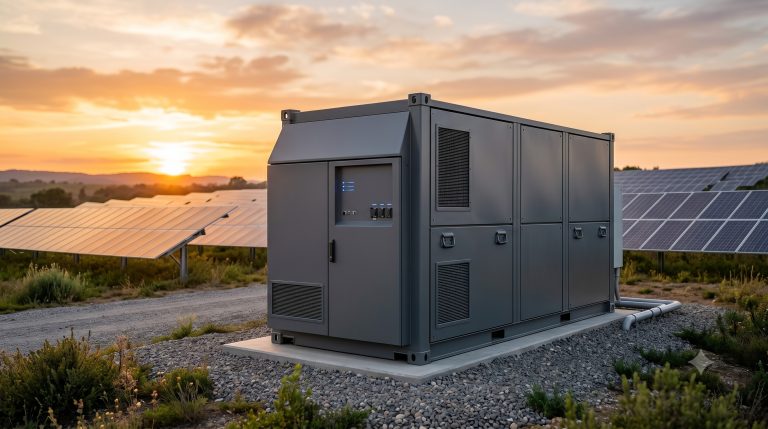
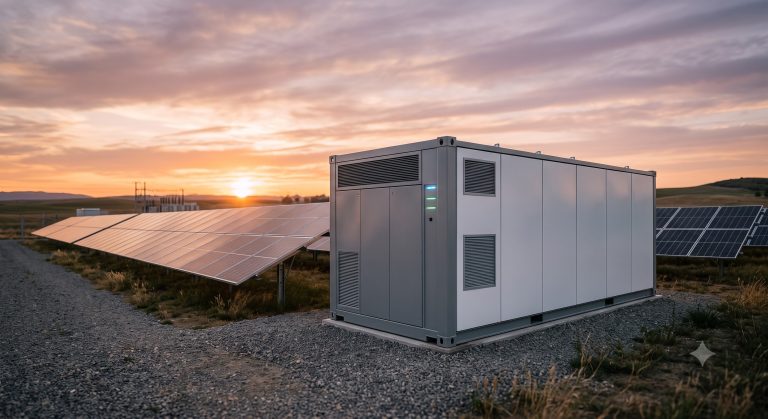
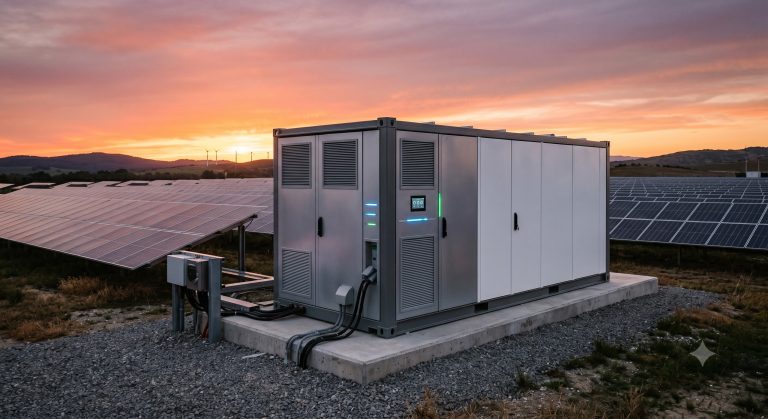
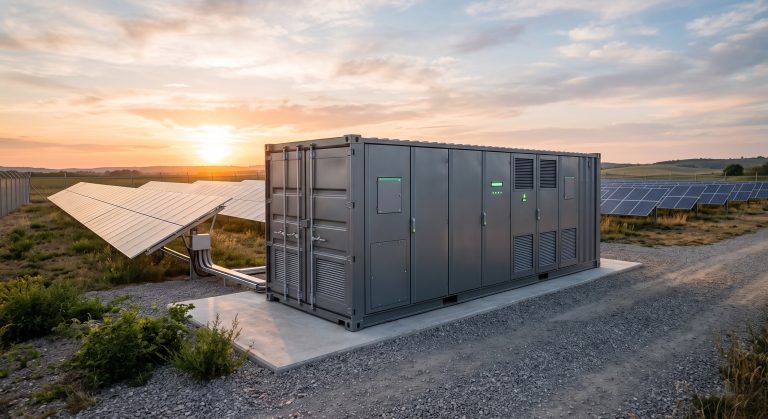
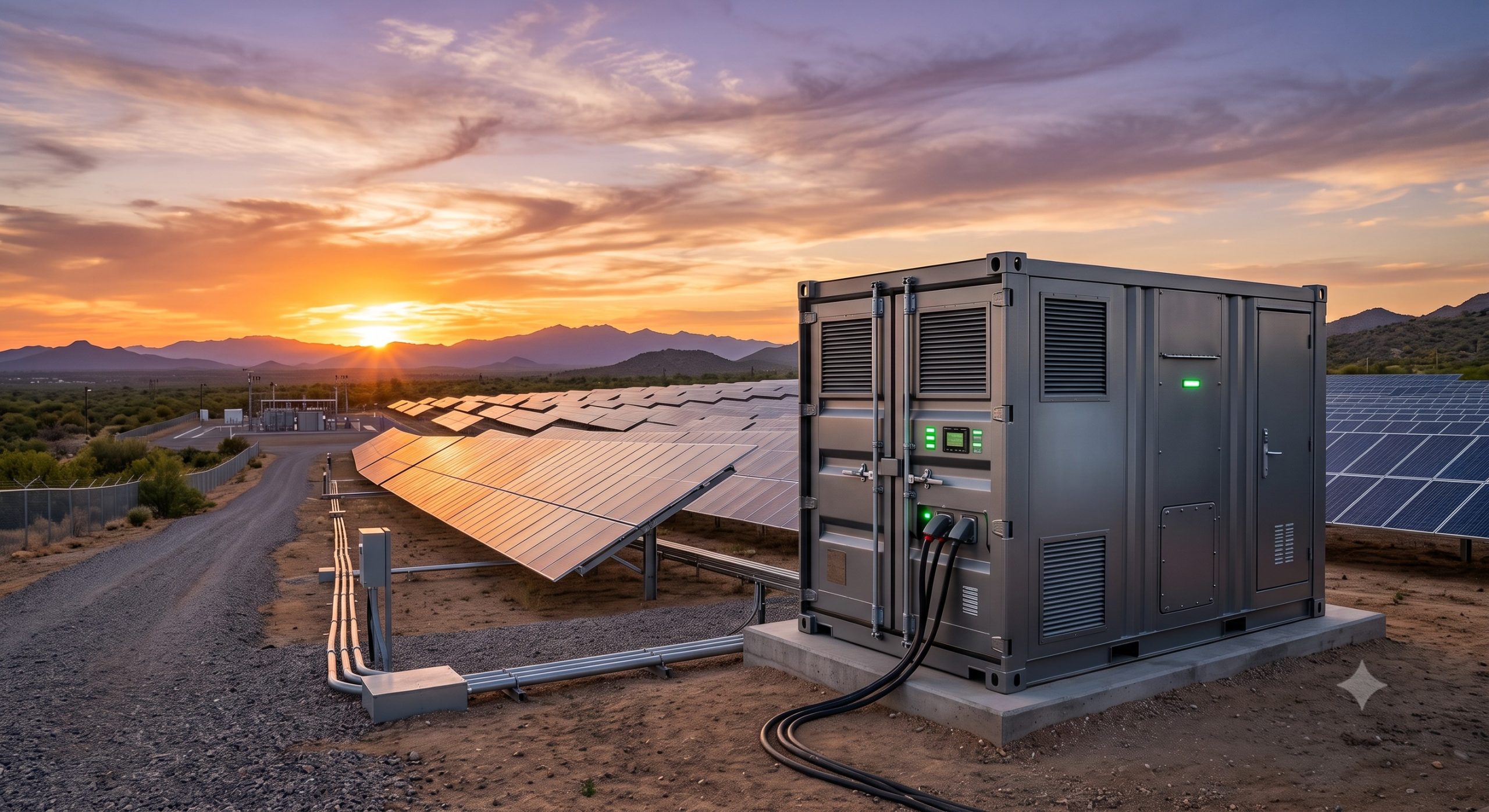
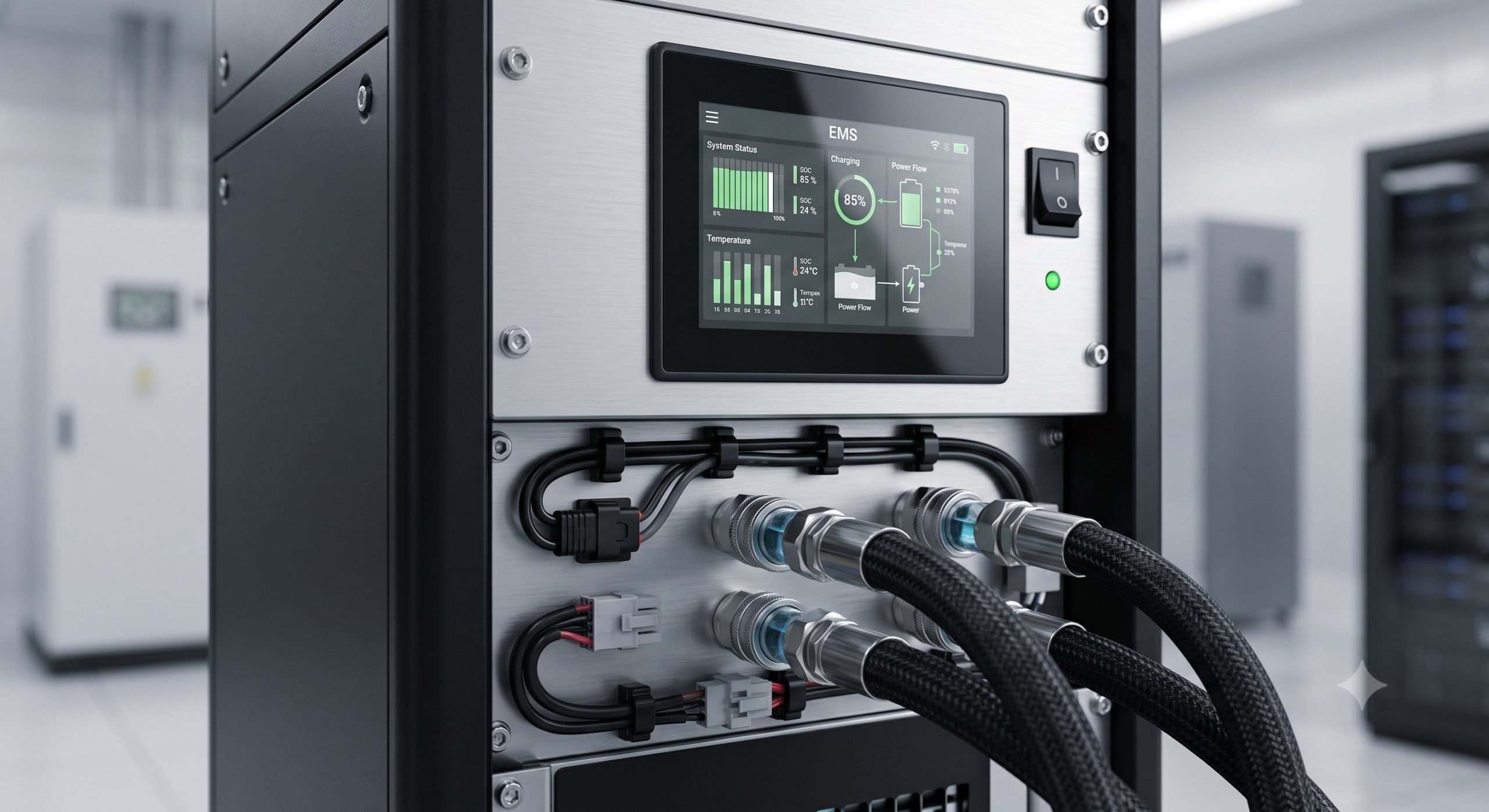
The Utility Grid Stabilization Solution is built upon a modular, containerized architecture that simplifies transport, installation, and scaling. The core of the system integrates Tier-1 Lithium Iron Phosphate (LFP) battery cells, known for their superior thermal stability, long cycle life, and inherent safety, with a high-performance, bi-directional Power Conversion System (PCS). The architecture is governed by a three-tiered control system comprising the Battery Management System (BMS), the Energy Management System (EMS), and a high-speed grid communication interface. This hierarchy enables seamless integration with existing SCADA systems and ensures precise, millisecond-level response to grid events. Safety is paramount in the design, with multiple layers of protection including active cell balancing, overcurrent and overvoltage protection, ground fault detection, and a multi-level thermal runaway prevention system. The entire assembly is housed in an IP54-rated, weatherproof container, featuring an advanced liquid cooling system that maintains optimal operating temperatures, thereby maximizing system efficiency and extending battery lifespan.
KEY FEATURES
– Feature 1: Ultra-Fast Grid Response: Provides primary frequency regulation and synthetic inertia with a response time of less than 50 milliseconds, effectively stabilizing grid frequency and mitigating the impact of sudden load or generation changes.
– Feature 2: Advanced Liquid Cooling Architecture: An integrated liquid cooling system ensures uniform cell temperature, minimizing thermal deviation to within ±2°C. This dramatically improves cycle life, reduces auxiliary power consumption, and allows for high-power operation in a wide range of ambient temperatures.
– Feature 3: Robust Safety & Fire Suppression: The system is equipped with a multi-layered safety protocol, including an aerosol-based fire suppression system, gas detection, and a dedicated ventilation system. The LFP chemistry eliminates the risk of thermal runaway propagation, ensuring the highest level of operational safety.
– Feature 4: Seamless Grid & Microgrid Integration: Offers versatile operating modes including grid-following, grid-forming, and islanding operation. This enables black start capability and supports seamless transitions between on-grid and off-grid modes, critical for microgrid and industrial facility resilience.
– Feature 5: Scalable & Modular Design: The standardized 20-foot containerized design allows for easy parallel expansion from a single unit to multi-megawatt systems, enabling phased investment and capacity augmentation to match growing energy demands.
COMPLIANCE & STANDARDS
The Utility Grid Stabilization Solution is engineered to meet the most stringent international safety and performance standards, ensuring global acceptance and bankability. The system holds full certification to UL 9540 (Energy Storage Systems and Equipment), UL 1973 (Batteries for Use in Stationary Applications), and complies with IEC 62619 (Secondary Cells and Batteries for Industrial Applications). Additionally, it meets IEEE 1547 for grid interconnection, with grid codes compliance for major regions including North America (CA Rule 21), Europe, and Australia. All system components are manufactured in ISO 9001 and ISO 14001 certified facilities, ensuring the highest quality and environmental management standards. Third-party testing and validation confirm the system’s operational performance and safety in accordance with NFPA 855 guidelines.
TECHNICAL SPECIFICATIONS
The following technical specifications outline the core electrical and mechanical parameters of the standard 2-hour and 4-hour energy storage configurations. This platform represents a new standard in power density, efficiency, and grid stability performance.
| Parameter | Specification |
|---|---|
| Nominal Capacity (AC) | 5.0 MWh / 10.0 MWh |
| Nominal Power (AC) | 2.5 MW / 5.0 MW |
| System Round-Trip Efficiency | ≥ 93% (DC) / ≥ 88% (AC) |
| Cell Chemistry | Lithium Iron Phosphate (LFP) |
| Cooling Method | Advanced Liquid Cooling (Water-Glycol) |
| Container Rating | IP54 (Standard 20ft ISO Container) |
| Grid Voltage (AC) | 480V / 690V (3-Phase, 60/50 Hz) |
| Response Time | < 50 ms (Full Power) |
| Operating Temperature Range | -30°C to +55°C (Derated > +45°C) |
| Communication Protocols | Modbus TCP, IEC 61850, DNP3 |
| Safety Certifications | UL 9540, UL 1973, IEC 62619, NFPA 855 |
INDUSTRIAL DEPLOYMENT
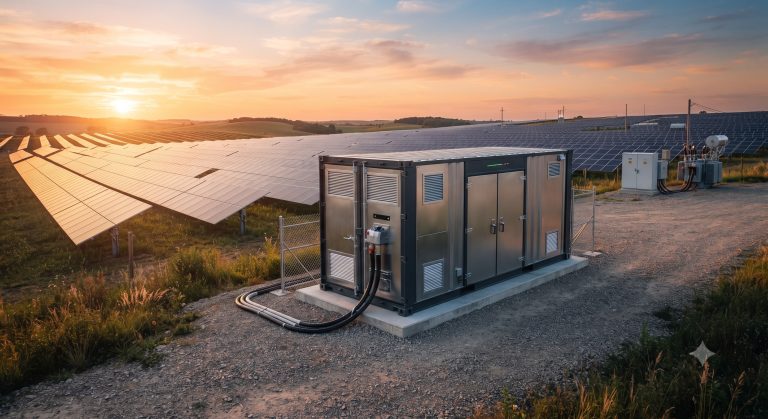
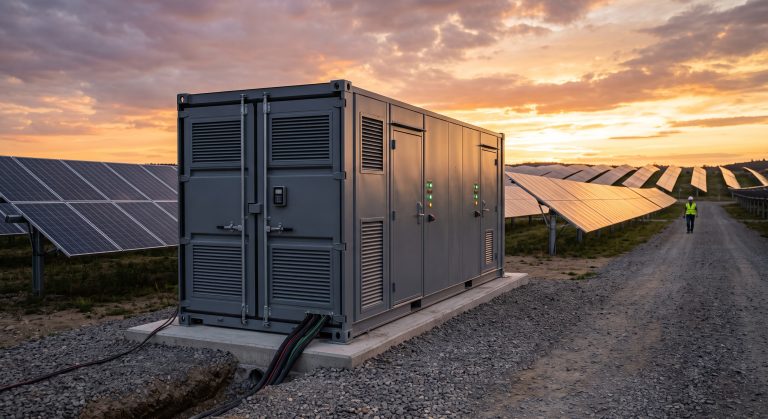
Deployment of the Utility Grid Stabilization Solution is streamlined to minimize site disruption and project timelines. The pre-assembled, factory-tested container is delivered on a standard flatbed truck, requiring only a prepared concrete pad, AC/DC connection points, and a communication link for commissioning. Our comprehensive project management team provides end-to-end support, from site assessment and permitting to installation, commissioning, and long-term operations and maintenance (O&M). A centralized cloud-based monitoring platform provides 24/7 visibility into system performance, enabling predictive maintenance and maximizing asset uptime. The system is designed for a 20-year operational life, providing a dependable and high-performing asset for grid stabilization and commercial energy arbitrage.
📥 Download Technical Specification
Click the button below to view or download the full official PDF datasheet.