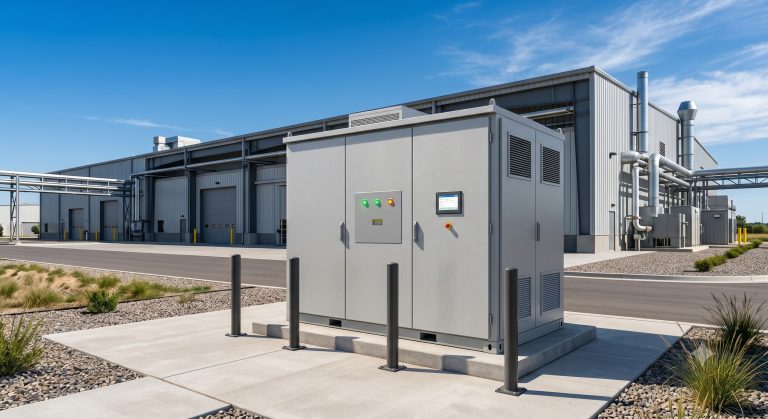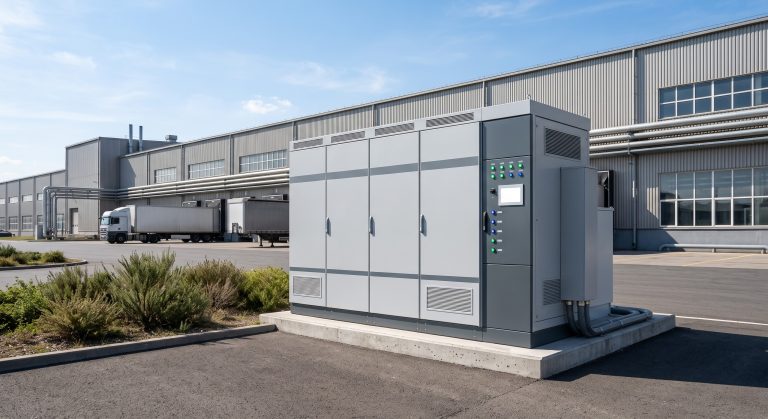
Introduction: The Critical Role of BESS in Modern Grid Stability
As the global energy landscape shifts towards decentralized renewable sources, the stability of power grids faces unprecedented challenges. The high penetration of distributed energy resources (DERs) like solar PV has led to increasingly severe voltage fluctuations and violations at the distribution level, making power quality a paramount concern for utilities and commercial entities alike . Traditional voltage regulation methods, relying on centralized devices and fossil-fuel-based generation, are struggling to cope with the rapid, localized changes characteristic of modern grids. This is where the Battery Energy Storage System (BESS) emerges not just as a backup power source, but as a dynamic, high-speed grid asset.
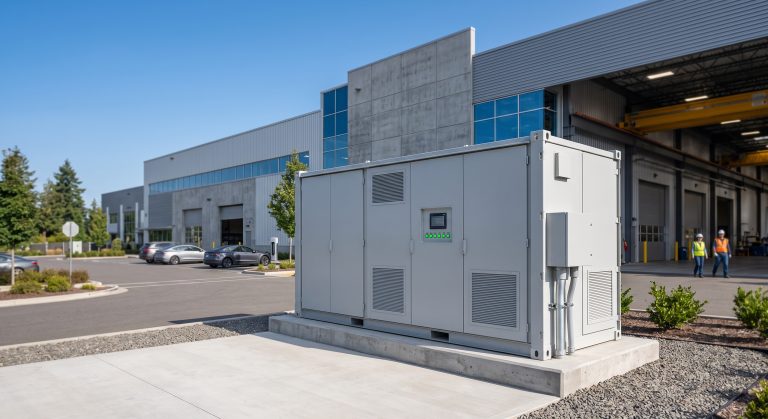
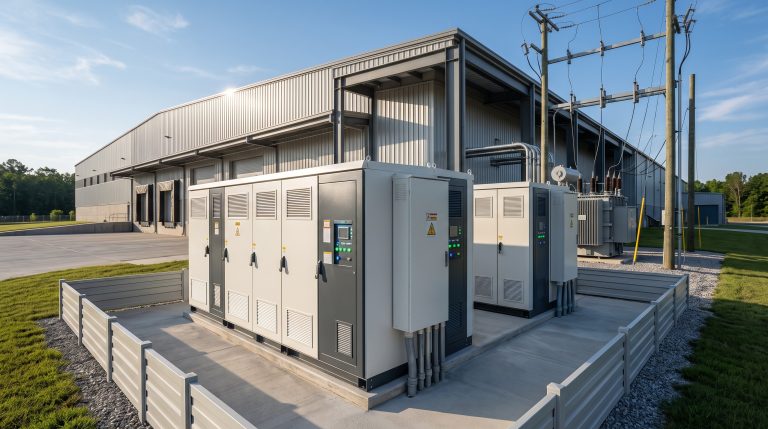
For commercial and industrial (C&I) facilities, voltage instability translates directly to equipment malfunctions, production downtime, and energy waste. A sophisticated BESS, integrated with advanced Power Conversion Systems (PCS) and high-performance LFP cells, provides an elegant solution. By deploying intelligent voltage regulation strategies, BESS can inject or absorb reactive power in milliseconds, effectively stabilizing voltage, reducing system unbalance, and ensuring a resilient, high-quality power supply . This deep-dive technical review explores the specific architectures, cooling strategies, and key performance metrics that define a Tier-1 voltage regulation BESS.
Core Architecture & Battery Management
PCS Integration & Bi-Directional Conversion
The heart of any BESS-based voltage regulation system lies within its Power Conversion System (PCS). This is the interface between the DC battery bank and the AC grid. For effective voltage and reactive power control, modern PCS units utilize Proportional plus Integral (PI) control actions with parallel reactive droop compensation . This advanced control architecture allows the BESS to seamlessly transition between charging and discharging modes, reacting to grid events in real-time.
Regulatory standards for grid-tied systems often dictate specific performance parameters. For instance, utility requirements frequently stipulate that voltage regulation droop be adjustable from 0% to 10% in steps not greater than 0.5% . At zero droop, a high-performance system can achieve a steady-state voltage accuracy of +/- 0.3% of the controlled voltage at the point of interconnection . This precision is critical for sensitive industrial equipment and essential for meeting stringent grid code compliance like UL 9540 and IEC 62619.
Liquid Cooling vs. Air Cooling: Thermal Management for Performance
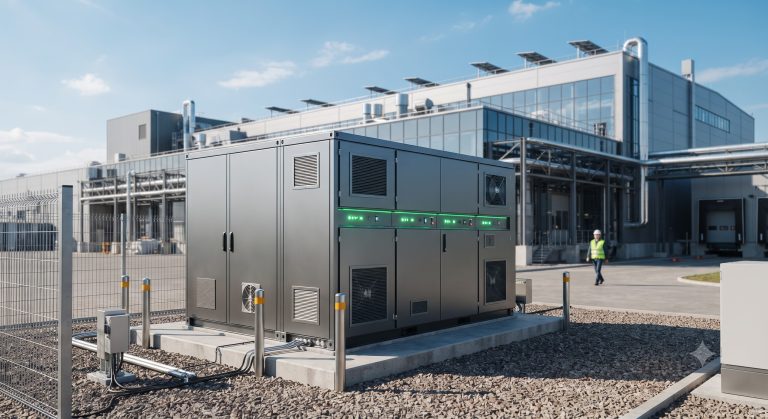
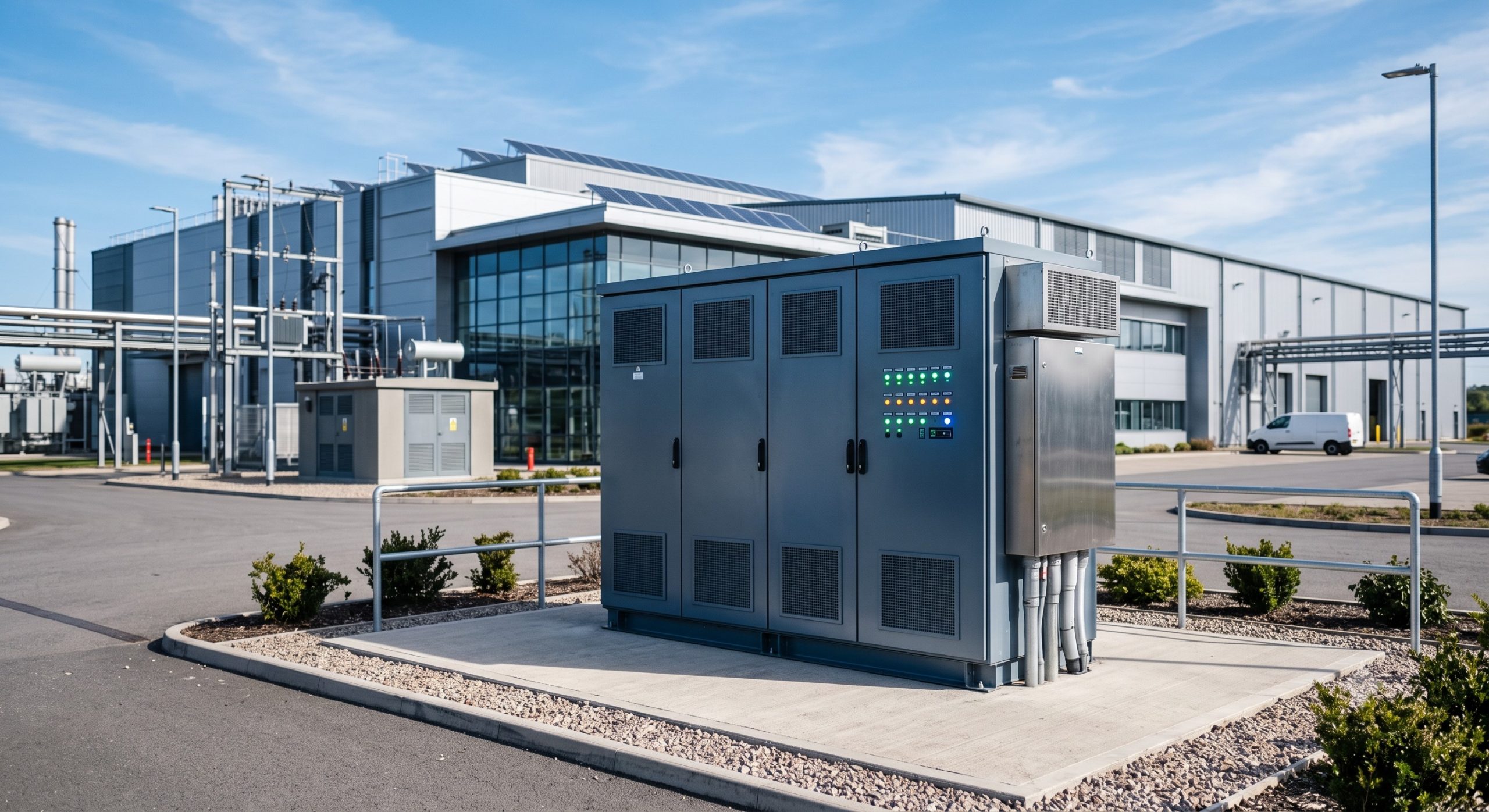
While air cooling remains a cost-effective solution for smaller systems, liquid cooling has become the preferred thermal management strategy for high-capacity, high-performance BESS utilized in continuous voltage regulation. Active voltage support and rapid injection of reactive power generate significant heat within the battery cells and power electronics. Liquid cooling excels in dissipating this thermal load, maintaining optimal cell temperatures that are crucial for preserving cycle life and round-trip efficiency .
By maintaining tighter thermal control, liquid-cooled systems ensure consistent power output and prevent derating caused by high internal temperatures. This is particularly vital when performing fast dynamic reactive power reserve duties, where the BESS is required to inject or absorb reactive power within the first 3 cycles of a voltage deviation trigger . The superior thermal conductivity of liquid allows for more compact, high-density cabinet designs, optimizing the footprint for C&I sites where space is often at a premium.
Tier-1 LFP Cell Metrics: The Foundation of Reliability
The choice of battery chemistry is fundamental to the viability of a BESS voltage regulation solution. Tier-1 Lithium Iron Phosphate (LFP) cells are the industry standard for C&I applications, prized for their inherent thermal stability, long cycle life, and high safety margins. Key metrics to evaluate include Cycle Life (>8000 cycles @ 90% DoD) and Round-trip efficiency (>92%). The ability to handle high Depth of Discharge (DoD) without significant degradation ensures that the system can respond to voltage dips and surges over its entire operational lifespan, providing a reliable return on investment.
Technical Specifications
The following table outlines the critical engineering specifications required for a utility-grade BESS system designed for voltage regulation.
| Key Parameter | Technical Specification |
|---|---|
| Battery Chemistry | Tier-1 LFP (Lithium Iron Phosphate) |
| System Capacity | Configurable from 500 kWh to 5 MWh per module |
| Cycle Life | >8,000 cycles @ 90% Depth of Discharge (DoD) |
| Round-Trip Efficiency | ≥ 92% (AC-to-AC) |
| Thermal Management | Integrated Liquid Cooling System |
| PCS Control | Bi-directional, PI Control with Reactive Droop (0-10%) |
| Voltage Accuracy | +/- 0.3% Steady-State (at 0% Droop) |
| Response Time (Reactive Power) | < 100 msec (95% final value) |
| Safety Certifications | UL 9540, IEC 62619, UN38.3, CE |
Commercial ROI & Grid Support
Enhancing Grid Stability and Economic Returns
Investing in a BESS for voltage regulation is not merely an operational expense but a strategic financial decision. By providing ancillary grid services like voltage support and dynamic reactive power reserve, C&I operators can unlock new revenue streams. Real-world analyses demonstrate that integrating voltage stabilization with spot market energy trading can enhance the cost-effectiveness of BESS deployment by roughly 57% compared with a single use-case solution .
Furthermore, optimizing BESS sizing and siting has shown the ability to reduce peak demand by 15.5% and raise minimum voltage levels from 0.936 p.u. to 0.952 p.u. on strained distribution feeders, yielding a 15-year Net Present Value of $43,643 and an Internal Rate of Return of 15.54% . This dual-benefit approach transforms the BESS from a cost center into a profit-generating asset that simultaneously improves operational resilience.
Peak-Shaving and Demand Charge Mitigation
Beyond direct grid services, the voltage regulation capabilities of a BESS are intrinsically linked to peak-shaving strategies. By proactively managing active power output based on voltage sensitivity metrics, a BESS can flatten the load curve, reducing the facility’s peak demand and thereby lowering costly demand charges . A minute-level dispatch strategy for peak shaving and valley filling, coordinated with power flow calculations, ensures the voltage remains within normal limits while optimizing economic benefits .
Deployment Scenarios
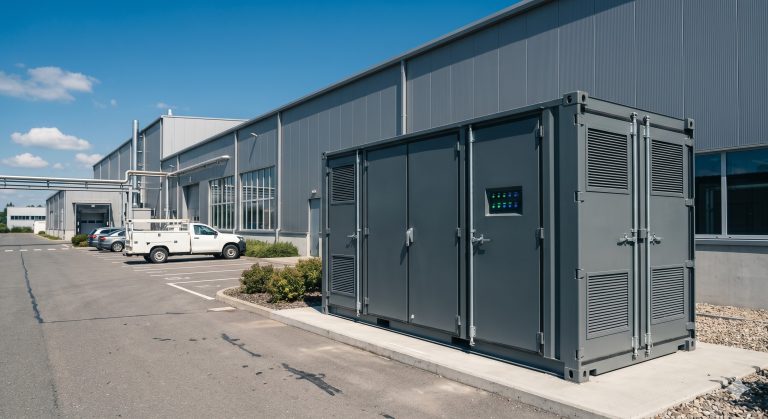
BESS voltage regulation systems are finding deployment across a diverse range of C&I scenarios. Key applications include:
- Industrial Parks and Manufacturing Plants: Protecting sensitive production lines from voltage dips and sags that cause downtime and waste, while also participating in demand response programs .
- PV-Storage-Charging (光储充) Hubs: Integrating BESS with solar canopies and EV supercharging stations to manage the high variability of solar output and dynamic loads of fast-charging EVs, ensuring stable charging speeds and grid voltage .
- Micro-Grid and Off-Grid Applications: Providing primary voltage and frequency control in islanded or weak-grid environments, replacing or augmenting traditional diesel generators in remote locations.

Conclusion
Modern BESS voltage regulation technology is a sophisticated blend of advanced power electronics, robust thermal management, and intelligent control algorithms. It transcends the simple role of backup power to become a cornerstone of modern grid infrastructure and C&I facility management. By prioritizing high-performance Tier-1 LFP cells, efficient liquid cooling, and PCS with precise PI-based droop control, businesses can achieve significant operational resilience, ensure grid code compliance with standards like UL 9540 and IEC 62619, and unlock substantial economic returns through ancillary services and efficient energy management. The data and technical requirements are clear: a well-architected BESS is the definitive solution for voltage stability in the era of renewable energy integration.