COMMERCIAL SYSTEMS ENGINEERING REFERENCE MANUAL: 2026 COMMERCIAL ENERGY STORAGE TRENDS WHITEPAPER
EXECUTIVE SUMMARY
This document serves as the definitive engineering reference for the deployment of advanced commercial and industrial (C&I) energy storage systems (ESS) in 2026. As global energy markets pivot towards decarbonization, the commercial sector faces unprecedented demand for resilient, scalable, and intelligent storage solutions. This whitepaper details the engineering principles, system architecture, and performance metrics of our next-generation commercial BESS platform, designed to address peak shaving, demand charge management, and grid ancillary services with unparalleled efficiency and safety.
SYSTEM ARCHITECTURE & SAFETY
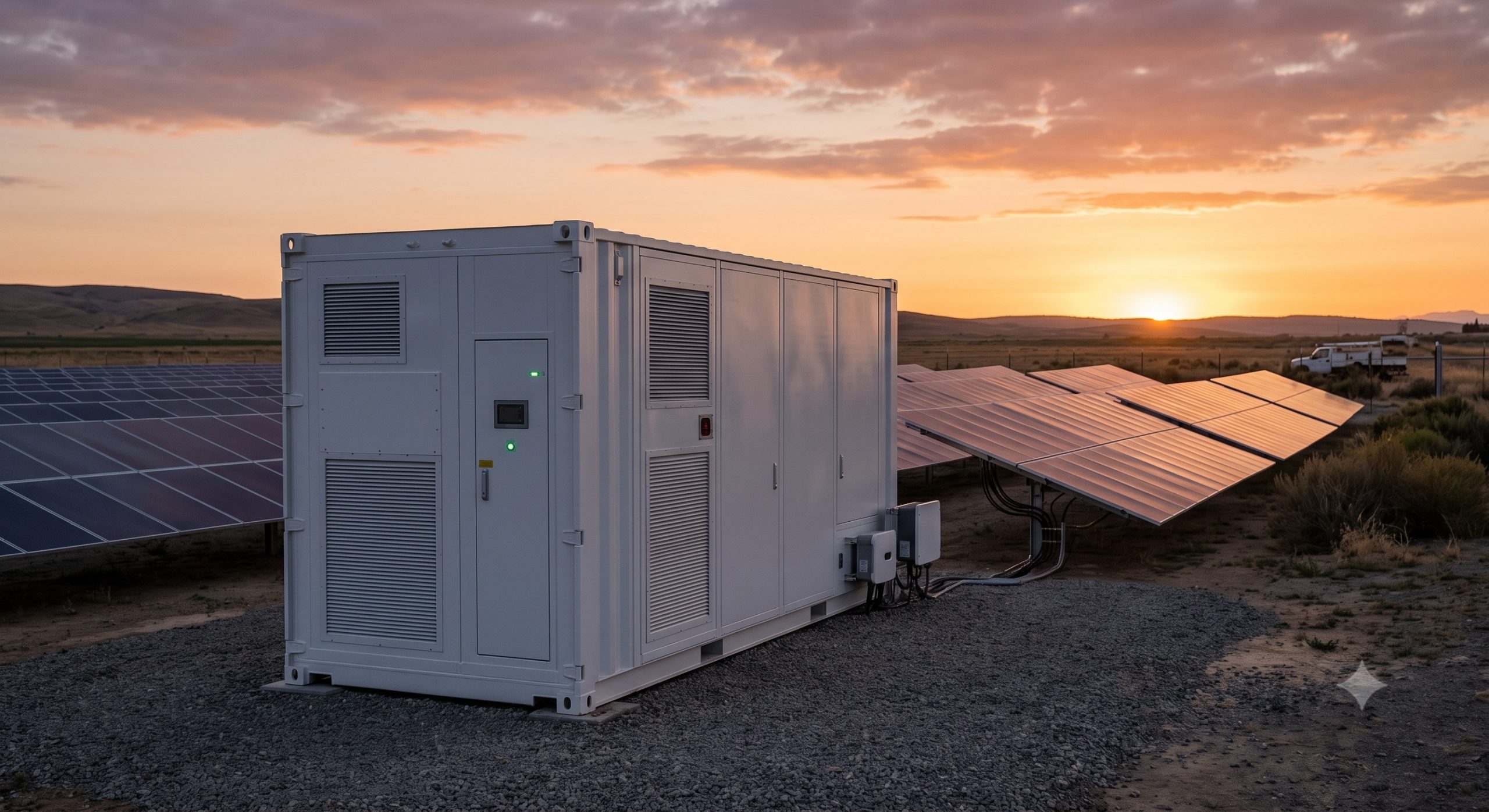
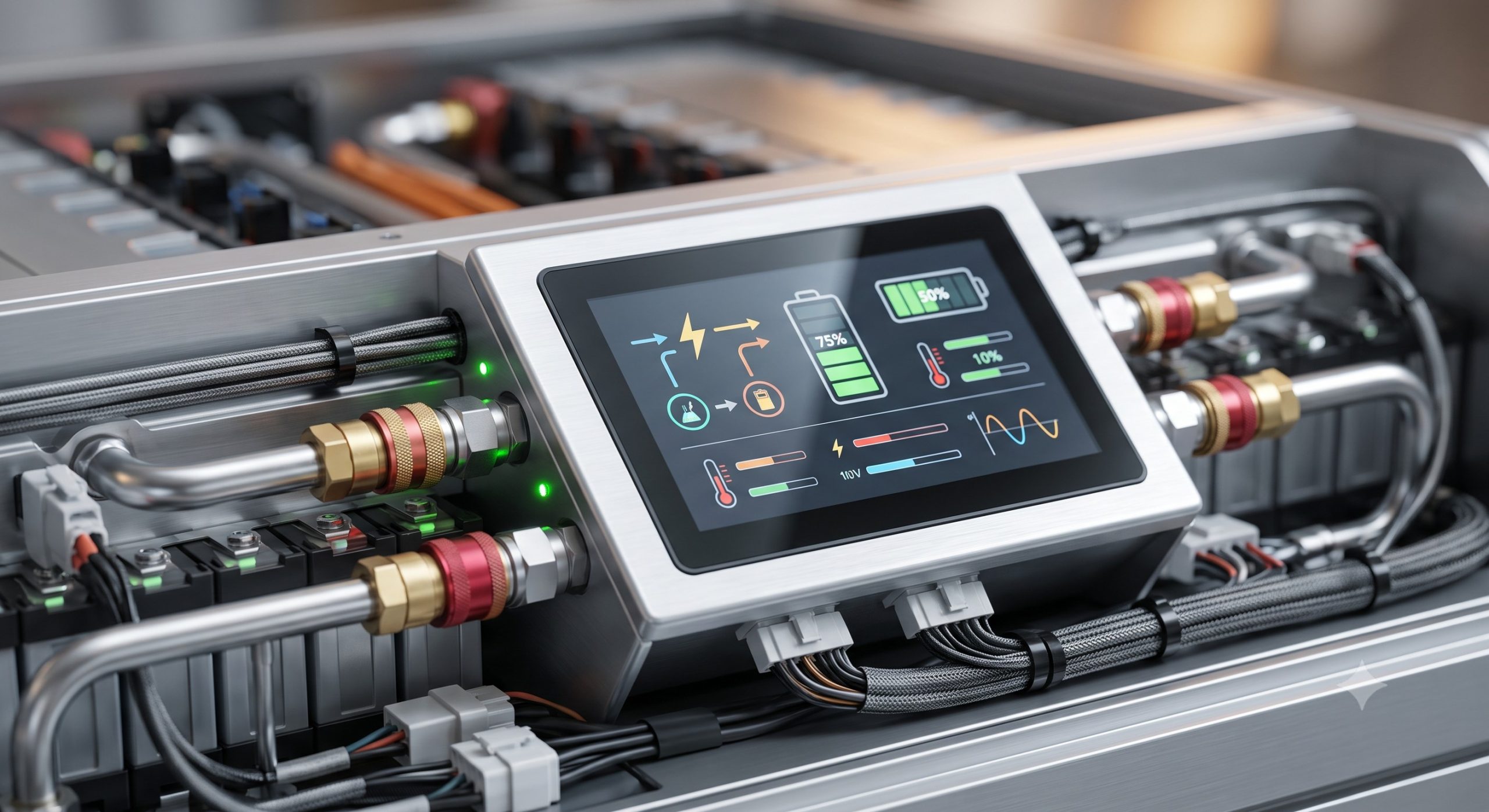
The 2026 platform is engineered around a modular, high-density architecture that integrates Tier-1 LFP battery cells with a state-of-the-art liquid cooling system. The core topology utilizes a high-voltage DC busbar, reducing system losses and enabling streamlined parallel expansion. Central to the design is a multi-layered safety framework that includes cell-to-pack (CTP) structural enhancements, real-time insulation monitoring, and a three-tier fire suppression system (aerosol, gas, and water-mist), ensuring compliance with the most rigorous international standards.
KEY FEATURES
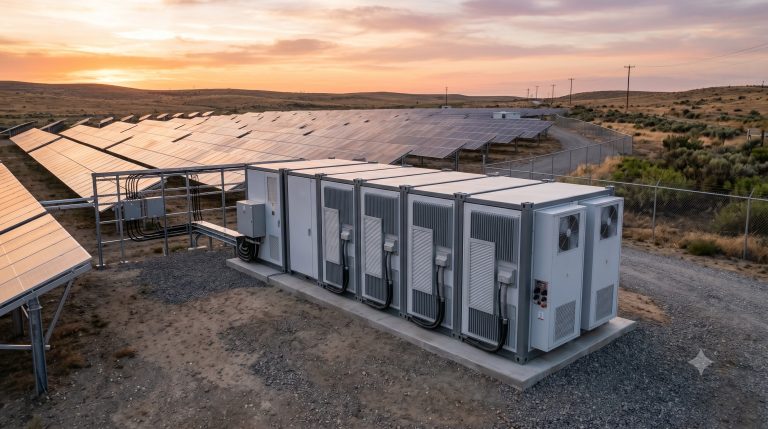
– Modular Scalability: Supports seamless parallel expansion from 215kWh to multi-MWh blocks, allowing for precise capacity matching to site load profiles.
– Smart Liquid Cooling: Maintains cell temperature variance within ±2°C, enhancing cycle life by up to 25% compared to traditional air-cooled systems.
– Advanced EMS Integration: Features an AI-driven energy management system that learns consumption patterns to optimize peak shaving and time-of-use arbitrage strategies.
– High Power Density: Capable of 1C discharge rates, making it ideal for high-power, short-duration applications such as EV fast-charging support.
– Black Start Capability: Provides grid-forming capability for islanding and black start operations, enhancing micro-grid reliability.
COMPLIANCE & STANDARDS
The platform is fully certified against the following global standards, guaranteeing safety and performance for worldwide deployment:
– Safety: UL 9540A, UL 9540, IEC 62619, IEC 63056
– Grid Interconnection: IEEE 1547, UL 1741, VDE-AR-E 2510-50
– Environmental: UN38.3, RoHS, REACH
– Cybersecurity: ISO 27001, IEC 62443-3-3
TECHNICAL SPECIFICATIONS
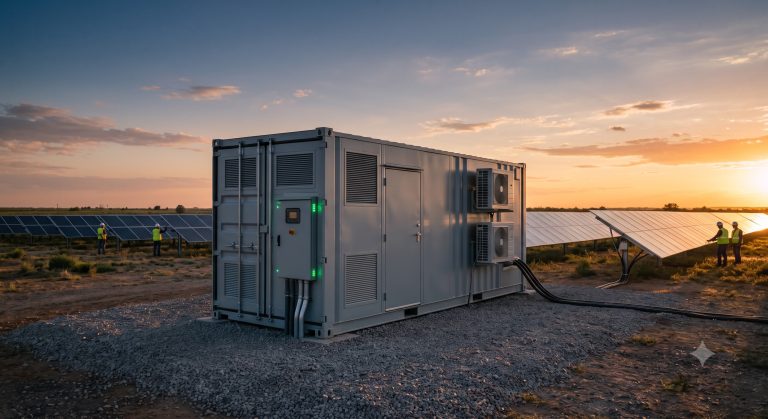
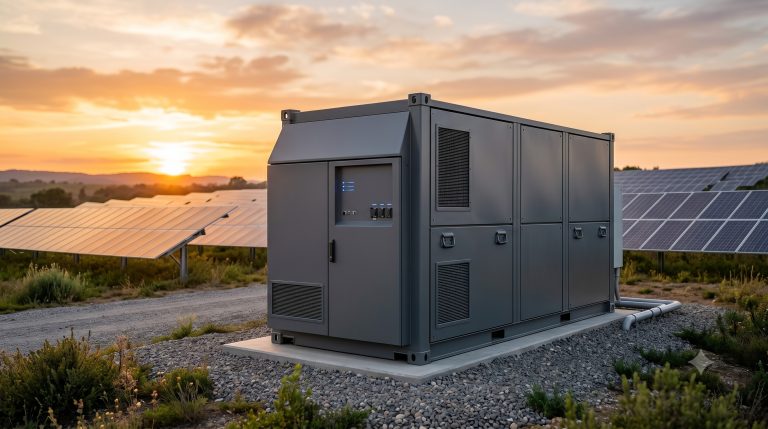
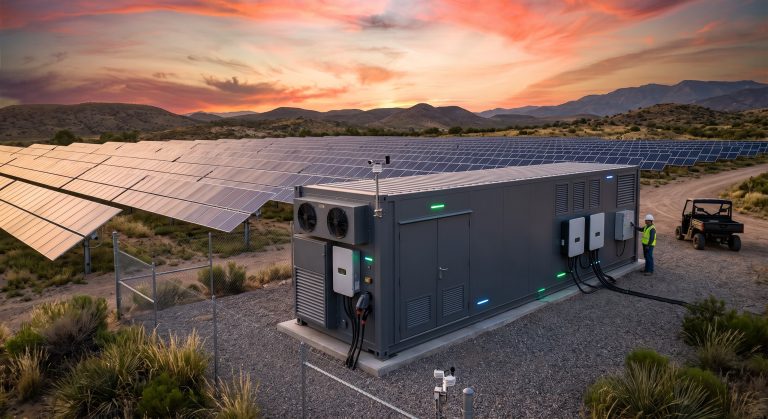
The system is designed for outdoor, ground-mounted installation with a robust IP54/NEMA 3R enclosure suitable for a wide range of climatic conditions. The core parameters are detailed in the specification matrix below.
| Parameter | Specification |
|---|---|
| Nominal Capacity | 215 kWh / 372 kWh per cabinet (Scalable) |
| Cooling Method | Active Liquid Cooling (Ethylene-Glycol/Water) |
| Cell Chemistry | LFP (Lithium Iron Phosphate) – Tier-1 Automotive Grade |
| Rated Voltage (DC) | 768 V (Nominal) |
| Operating Voltage Range (DC) | 648 V – 876 V |
| Max. Charge/Discharge Current | 250 A / 280 A |
| Round-Trip Efficiency | ≥ 93% (DC) |
| Cycle Life (at 25°C) | ≥ 8,000 cycles @ 80% DoD |
| Enclosure Protection | IP54 / NEMA 3R |
| Ambient Temperature Range | -30°C to +55°C (Derating above 50°C) |
| Dimensions (W x D x H) | ~1400 x 1100 x 2200 mm (per cabinet) |
| Weight | ~2,400 kg (Approx.) |
| Communication Protocols | Modbus TCP, IEC 61850, CAN Bus |
| Certifications | UL 9540A, UL 9540, IEC 62619, IEEE 1547 |
INDUSTRIAL DEPLOYMENT
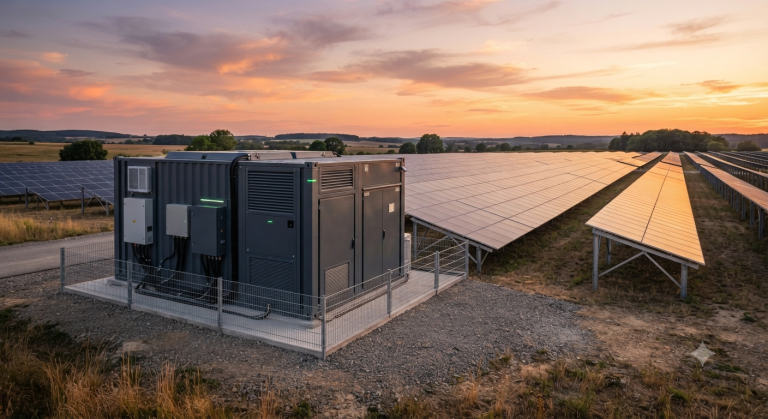
Deployment of this system is optimized for a variety of C&I use cases, including manufacturing facilities, data centers, retail complexes, and EV charging hubs. The liquid-cooled, compact form factor allows for flexible site layouts with minimal footprint requirements. The plug-and-play interface enables rapid installation and commissioning, significantly reducing on-site engineering costs. Furthermore, the platform is designed for full cloud-based remote monitoring and over-the-air (OTA) firmware updates, ensuring the system remains at the forefront of operational technology as grid needs evolve.
📥 Download Technical Specification
Click the button below to view or download the full official PDF datasheet.