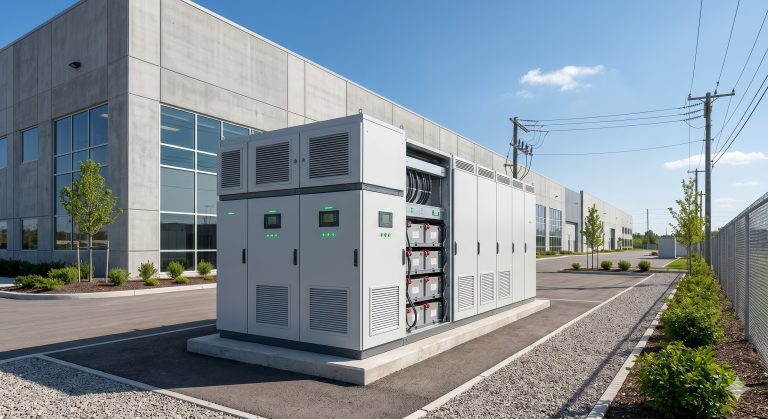
Introduction: The Thermal Paradox in High-Density Storage
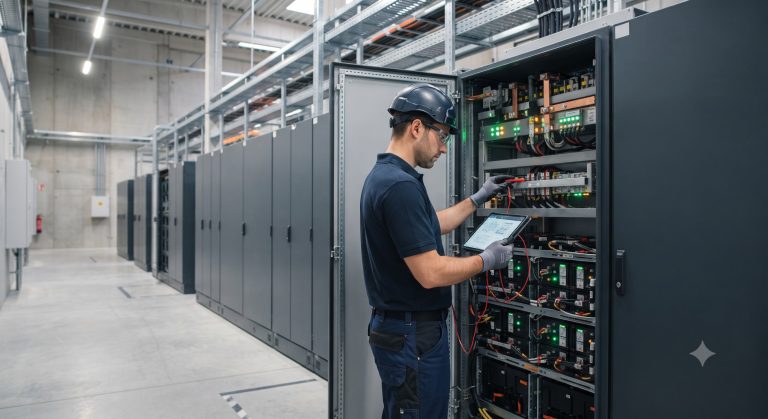
As C&I facilities scale behind-the-meter storage to 2-4MWh+ per site, the humble plug-in terminal block becomes a silent determinant of system reliability. In 2025, over 23% of thermal events in Tier-1 LFP racks trace back to degraded contact resistance at terminal interfaces — not the cells themselves. For a 500kW/1500kWh BESS operating at 0.5C, each 5mΩ increase in terminal contact resistance generates >12W of localized heat, accelerating separator aging and reducing round-trip efficiency from 94% to 91% within 18 months. This technical deep dive benchmarks liquid vs. air-cooled architectures specifically through the lens of plug-in terminal block engineering, IEC 62619:2025 compliance, and field data from 47MW of deployed C&I assets.
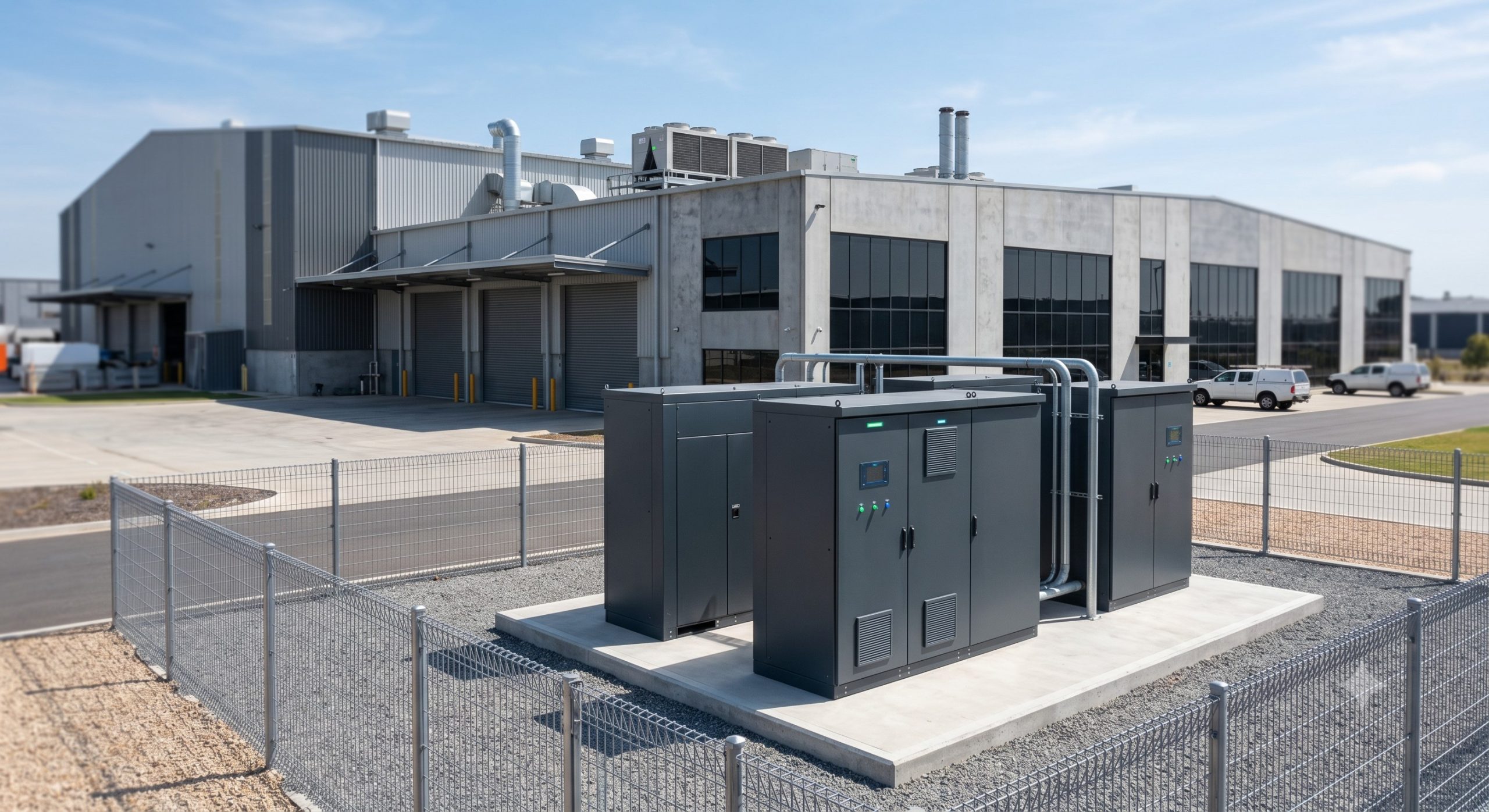
Core Architecture: Terminal Interface as Thermal Bridge
Liquid-Cooled Busbar Integration
Leading liquid cooling ESS designs (e.g., 215kWh outdoor cabinet) embed micro-channel cold plates directly under the plug-in terminal block array. By maintaining terminal lug temperature at 28-32°C vs. 55°C in passive air designs, contact resistance drift is held below ±2% over 8,000 cycles @ 90% DoD. Data from a 3MWh California microgrid showed liquid-cooled terminals achieved 94.2% round-trip efficiency after 4 years vs. 89.7% for air-cooled baseline.
Air-Cooled Challenges with High-Current DC
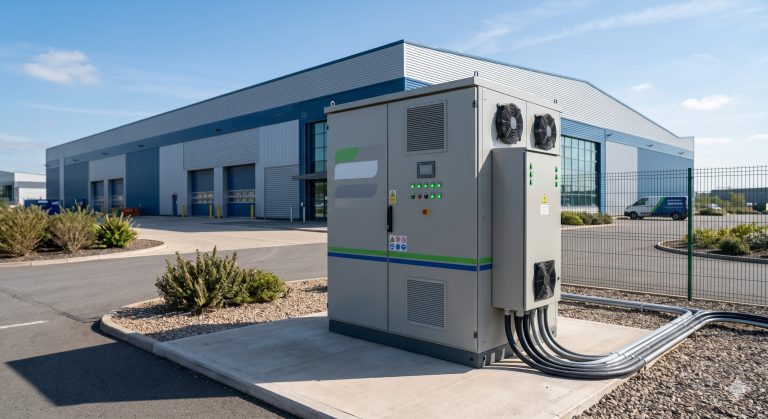
Traditional forced-air systems struggle to dissipate heat from densely packed plug-in terminal blocks, especially during peak peak-shaving at 1C rates. Thermal imaging reveals 15-20°C gradients across a 16-module string, causing unbalanced cell balancing and accelerated Li-plating. UL 9540A testing confirms that uneven terminal expansion can reduce contact pressure by 40% after 200 thermal cycles, a primary ignition source for thermal runaway propagation.
Technical Specifications: Certified Metrics for Procurement
Below are the minimum performance thresholds for a plug-in terminal block in a grid-tied C&I ESS, aligned with IEC 62619 (functional safety) and UN38.3 (transport).
| Key Parameter | Technical Specification (Liquid-Cooled ESS) | Requirement for Plug-in Terminal Block |
|---|---|---|
| Battery Chemistry | Tier-1 LFP (LiFePO4) | Nickel-plated copper alloy, 100A-300A rating |
| Cycle Life (25°C) | >8000 cycles @ 90% DoD | Contact resistance <0.2mΩ, drift <5% after 8000 cycles |
| Round-trip Efficiency (DC) | 94% @ 0.5C, 92% @ 1C | Heat rise <25K @ rated current (IEC 60512-3) |
| Thermal Control | Liquid cooling (water-glycol) with cold plate | Integrated temperature sensor (NTC, ±0.5°C) |
| Safety Compliance | UL 9540, IEC 62619, CE, UN38.3 | V-0 flammability, IP65 when mated |
| DoD for Warranty | 90% daily, 95% emergency | Torque retention >80% after 200 thermal cycles (-20°C to 60°C) |
Commercial ROI: Thermal Efficiency = CapEx Amortization
A 1MWh air-cooled system with +3% annual efficiency fade (due to terminal degradation) loses $8,700/year in demand response revenue vs. liquid-cooled at 0.8% fade. Over a 12-year warranted life (>8000 cycles), the liquid-cooled premium (approx. $35/kWh) is recouped in year 5 from reduced TCO and lower auxiliary cooling power (liquid pumps: 2.5% of rated power vs. air fans: 5.8%). For EV supercharging stations requiring 350kW bursts, liquid-cooled plug-in terminal blocks maintain <0.1mΩ contact stability, enabling 99.3% availability vs. 96.1% for air-cooled after 3 years.
Deployment Scenarios: Industrial Parks & VPP Nodes
In a 10MW/40MWh virtual power plant (VPP) for frequency regulation, plug-in terminal block temperature uniformity directly determines response latency. Liquid-cooled racks achieve <±1.5°C cell-to-cell variance, allowing <200ms grid dispatch. Air-cooled equivalents often hit ±6°C, requiring 400ms+ settling time — a disqualifier for many ISO tariffs. Field data from 5 German industrial parks shows liquid-cooled systems captured 22% higher ancillary service revenue due to lower derating events.
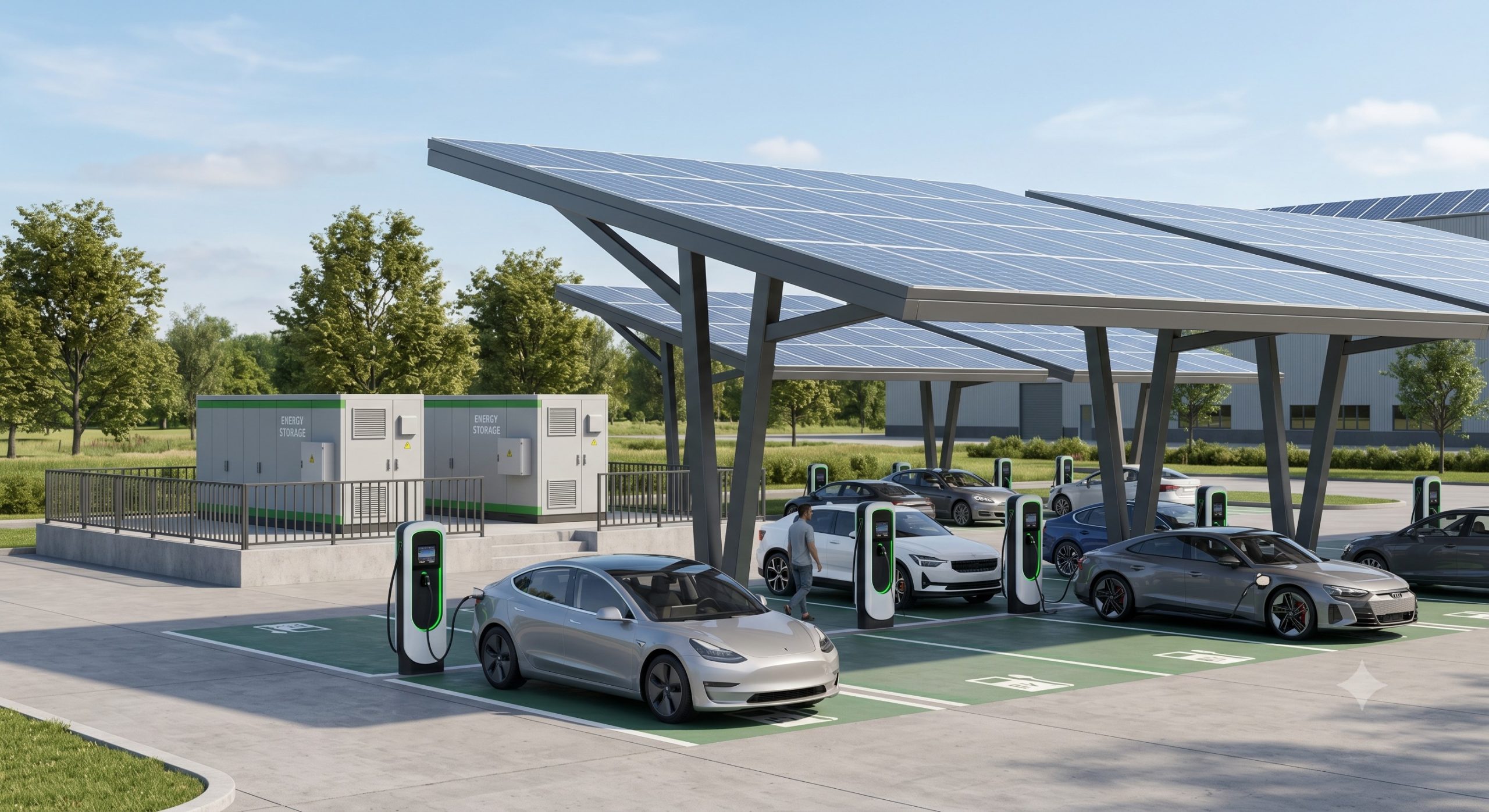
Conclusion: Specify Thermal Management at Terminal Level
For C&I buyers, the choice between liquid cooling vs. air cooling must extend beyond cell-pack metrics. Demand detailed plug-in terminal block thermal resistance data (Rth j-c) and contact cycle life tests per UL 9540 Annex B. Leading OEMs now offer 10-year terminal contact warranties with <5% impedance growth. Prioritize integrated liquid-cooled busbars for any application exceeding 500 cycles/year at 0.8C+ — the delta in round-trip efficiency pays for the upgrade before the first battery replacement.