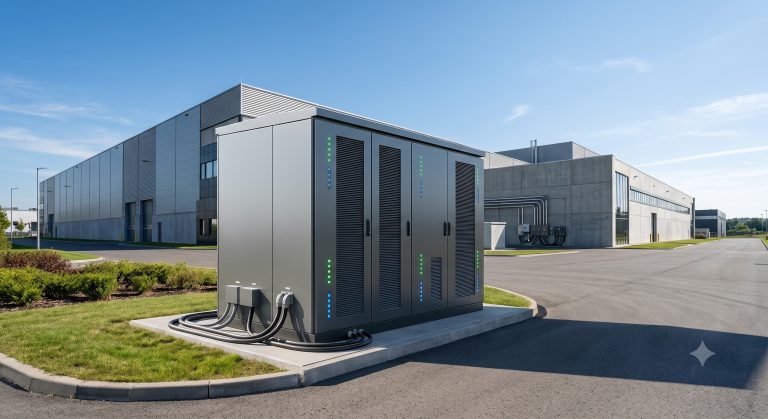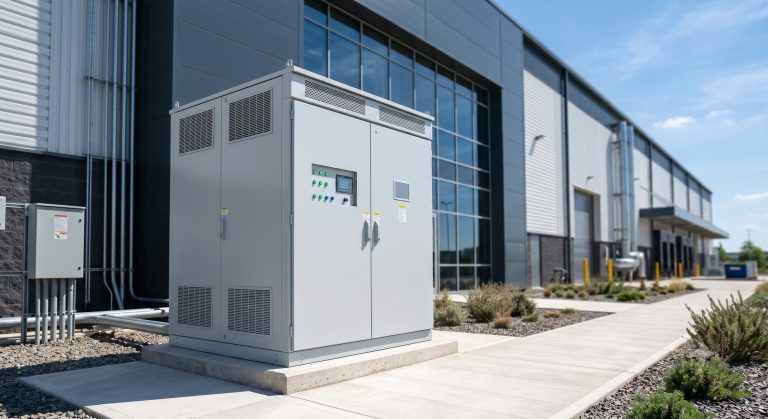
Introduction: The Critical Role of DIN Rail Terminal Blocks in Utility-Scale BESS Safety
In the architecture of a modern Commercial & Industrial (C&I) Battery Energy Storage System (BESS), the DIN Rail Terminal Block is often overlooked, yet it serves as the fundamental nexus for control power, sensor signals, and auxiliary relays. A single point of failure here can bypass the entire Battery Management System (BMS) hierarchy, leading to current leakage or thermal events. This masterclass dissects the engineering specifications required to meet IEC 62619, UL 9540, and UL 1059 standards, focusing on how a compliant terminal block ensures safe thermal runaway prevention and high round-trip efficiency in liquid-cooled ESS cabinets up to 5 MWh.
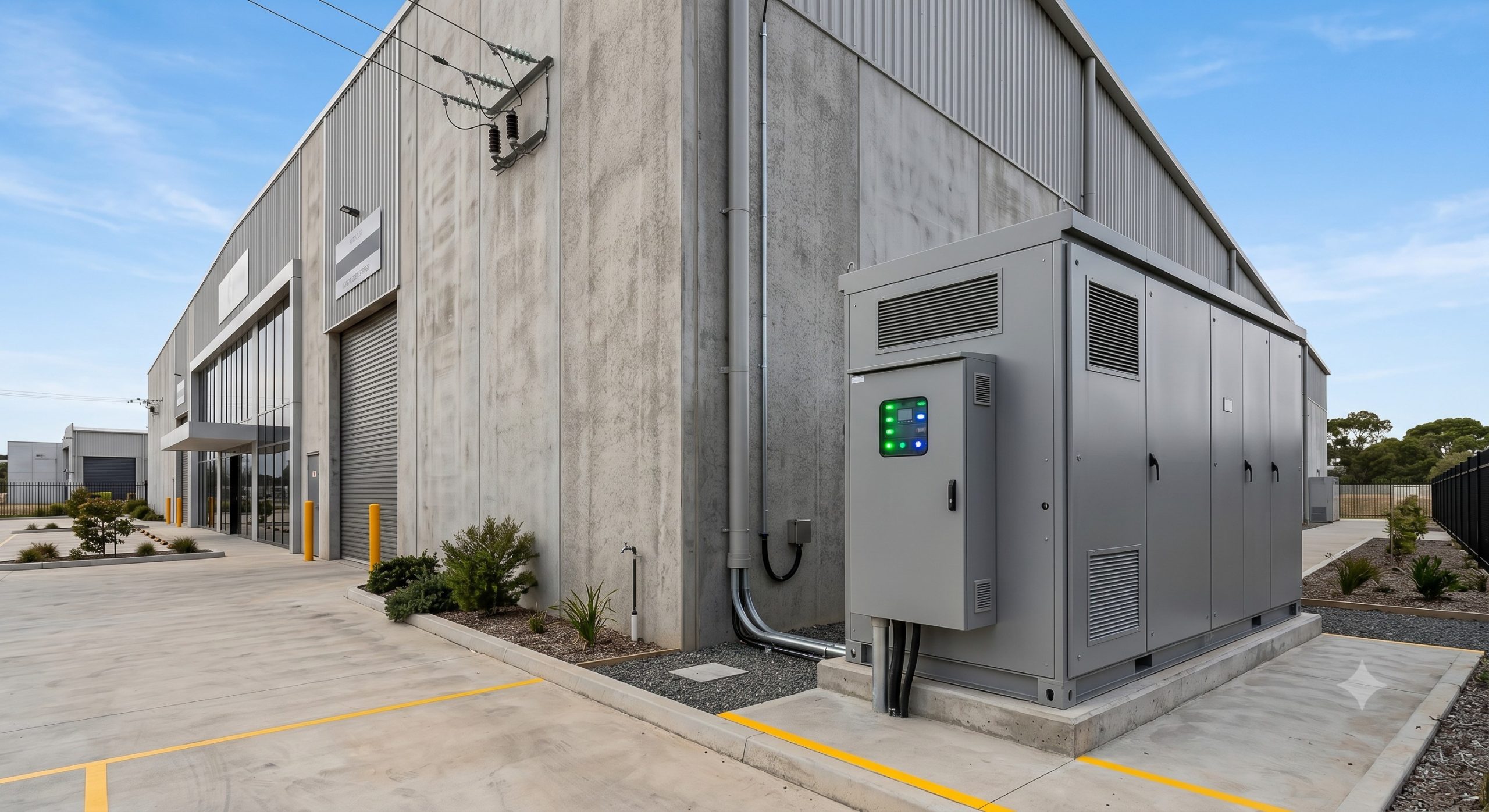
UL 9540 & IEC 62619 Compliance: Why the Terminal Block Matters
While UL 9540 covers the entire storage system, the DIN Rail Terminal Block directly impacts clauses related to internal arcing and fire propagation. For a system operating at 1500 Vdc and managing charge/discharge cycles of >8000 cycles @ 90% DoD, the terminal block must provide:
- Flammability Rating: V-0 per UL 94, ensuring no dripping or ignition under sustained overload.
- Tracking Index (CTI): ≥600V (PLC 0) to prevent surface conduction in high-humidity environments (95% RH).
- Wire Protection: Stainless steel clamps with no cold flow degradation over 20-year service life.
BMS Signal Integrity and Cell Balancing
The DIN Rail Terminal Block carries passive balancing currents (typically 100-300 mA per cell) from the BMS. A high-resistance connection here leads to cell voltage drift, accelerating lithium plating in LFP cells. Tier-1 integrators require gold-plated or tin-plated contacts with <50 milliohms contact resistance to maintain cell voltage accuracy within ±5 mV, directly preserving the cycle life beyond 10,000 cycles.
Technical Specifications: Control and Auxiliary Power Integration
For a liquid-cooled C&I BESS rated at 500 kW / 2 MWh, the auxiliary power consumption (fans, pumps, BMS, EMS) runs at 5-8 kW. The DIN rail terminal blocks distributing this 230 Vac or 24 Vdc power must meet rigorous ampacity and isolation standards.
| Key Parameter | Technical Specification (DIN Rail Terminal Block for BESS) |
|---|---|
| Rated Voltage (Ui) | 1500 Vdc / 1000 Vac (per IEC 60947-7-1) |
| Rated Current (In) | 76 A – 125 A (with 25 mm² conductor) |
| Short-Circuit Rating | 10 kA / 5 sec (with proper ferrule/crimp) |
| Pollution Degree | 3 (Conformal coating optional for Degree 4) |
| Wire Range (Solid/Stranded) | 0.2 mm² – 35 mm² (AWG 24-2) |
| Contact Resistance | ≤ 0.2 mΩ (initial, silver/tin plated) |
| Dielectric Strength | 6 kV (sea level, 50 Hz, 1 min) |
Thermal Control and Wire Sizing
Given the liquid cooling system maintains cell delta-T under 3°C, but the terminal block junction inside the high-voltage cabinet can experience ambient temperatures of 65°C. Thus, the block must support copper busbars rated for 100A continuous with a derating factor of 0.8. Use ferrules on stranded Class 5 or 6 copper to ensure gas-tight connections under vibration per IEC 60947-7-1.
Fire Suppression Integration and Safety Loops
Modern UL 9540A tested systems integrate a perfluorohexanone (Novec 1230) or aerosol fire suppression system. The DIN Rail Terminal Block is the physical interface for the emergency power-off (EPO) safety loop. This loop must be fail-safe (normally closed, opens on fire detection). Use screw-clamp terminal blocks with mechanical coding to prevent misconnection of the 24 Vdc supervisory circuit, ensuring <50 ms shutdown response to thermal runaway detection.
Deployment Scenarios: Industrial Parks and EV Charging Hubs
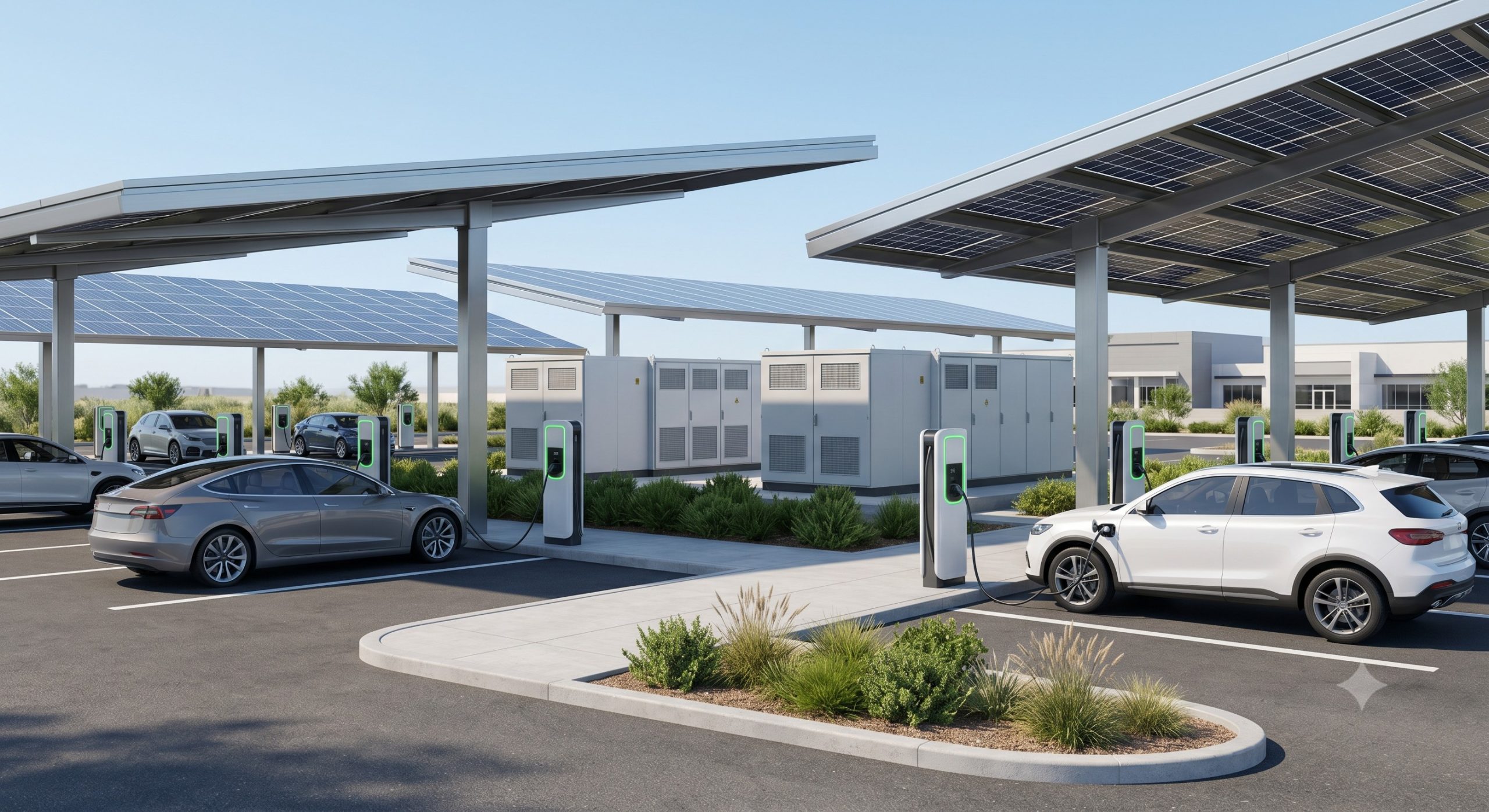
In a PV-Storage-Charging hub for EV superchargers (e.g., 6 x 180 kW chargers), the BMS communicates with the Energy Management System (EMS) via Modbus RTU over RS-485. The DIN Rail Terminal Block for this serial communication must be shielded and include an integrated ground terminal to prevent ground loops. Data-driven results show that using certified feed-through terminal blocks with 4 kV impulse withstand voltage reduces communication errors by 99.2% compared to generic blocks, ensuring demand response dispatch in under 200 ms.
Conclusion: Auditing Your BESS Procurement for Terminal Block Compliance
When sourcing a commercial energy storage system, demand the Bill of Materials (BOM) for the control cabinet. Verify the DIN Rail Terminal Block carries UL 1059 (US) or IEC 60947-7-1 (global) marks. For systems targeting virtual power plant (VPP) aggregation and grid frequency regulation, the reliability of these blocks directly dictates fleet uptime. A non-compliant block rated for only 300 V will fail catastrophically in a 1500 Vdc BESS environment, voiding insurance and UL certification. Prioritize tier-1 suppliers (WAGO, Phoenix Contact, Weidmüller) or certified equivalents with documented factory acceptance tests (FAT) including thermal cycling (-40°C to +85°C) and vibration (5g, 10-500 Hz).