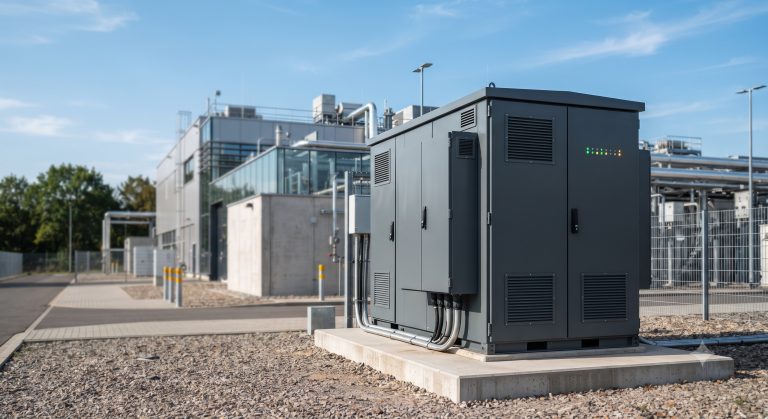
Introduction: The New Imperative for C&I Energy Intelligence
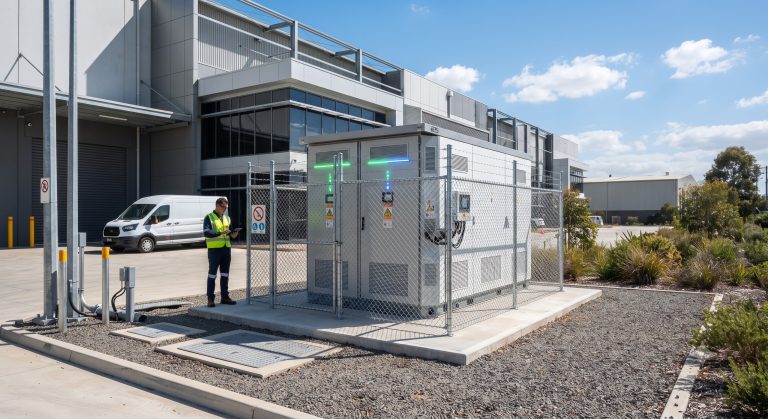
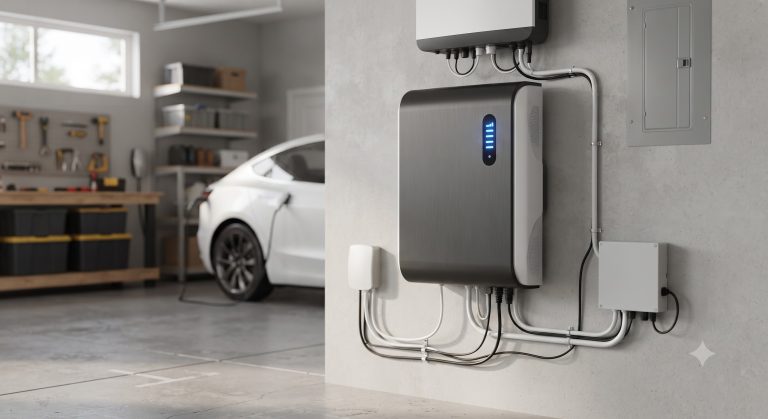
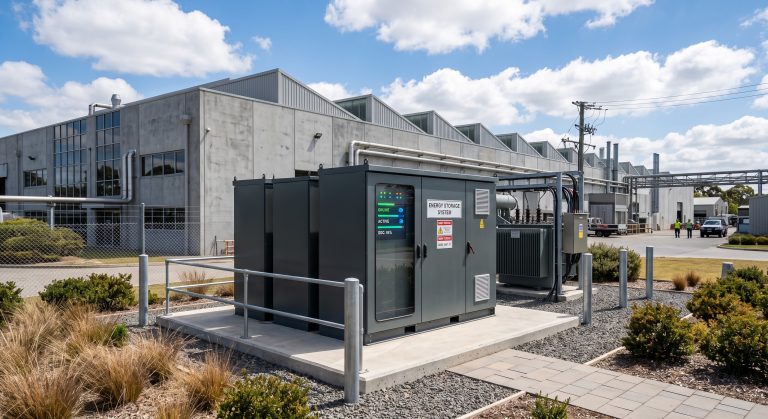
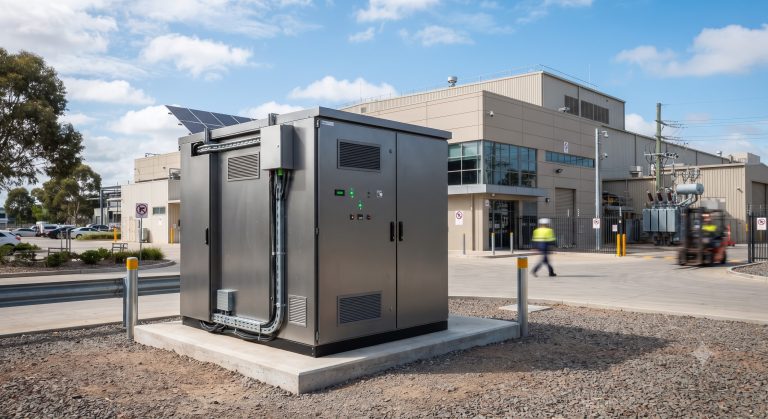
For commercial and industrial (C&I) facilities, energy is no longer a fixed operational expense—it is a dynamic asset class. The EMS3000 Energy Management System represents a paradigm shift from passive consumption to active, grid-interactive optimization. In an era of volatile wholesale electricity prices and increasing demand for behind-the-meter storage, the EMS3000 offers a Tier-1 gateway to peak shaving, emergency backup, and participation in demand response (DR) programs. This guide provides a data-driven architecture review, total cost of ownership (TCO) analysis, and compliance roadmap for procurement managers and system integrators.
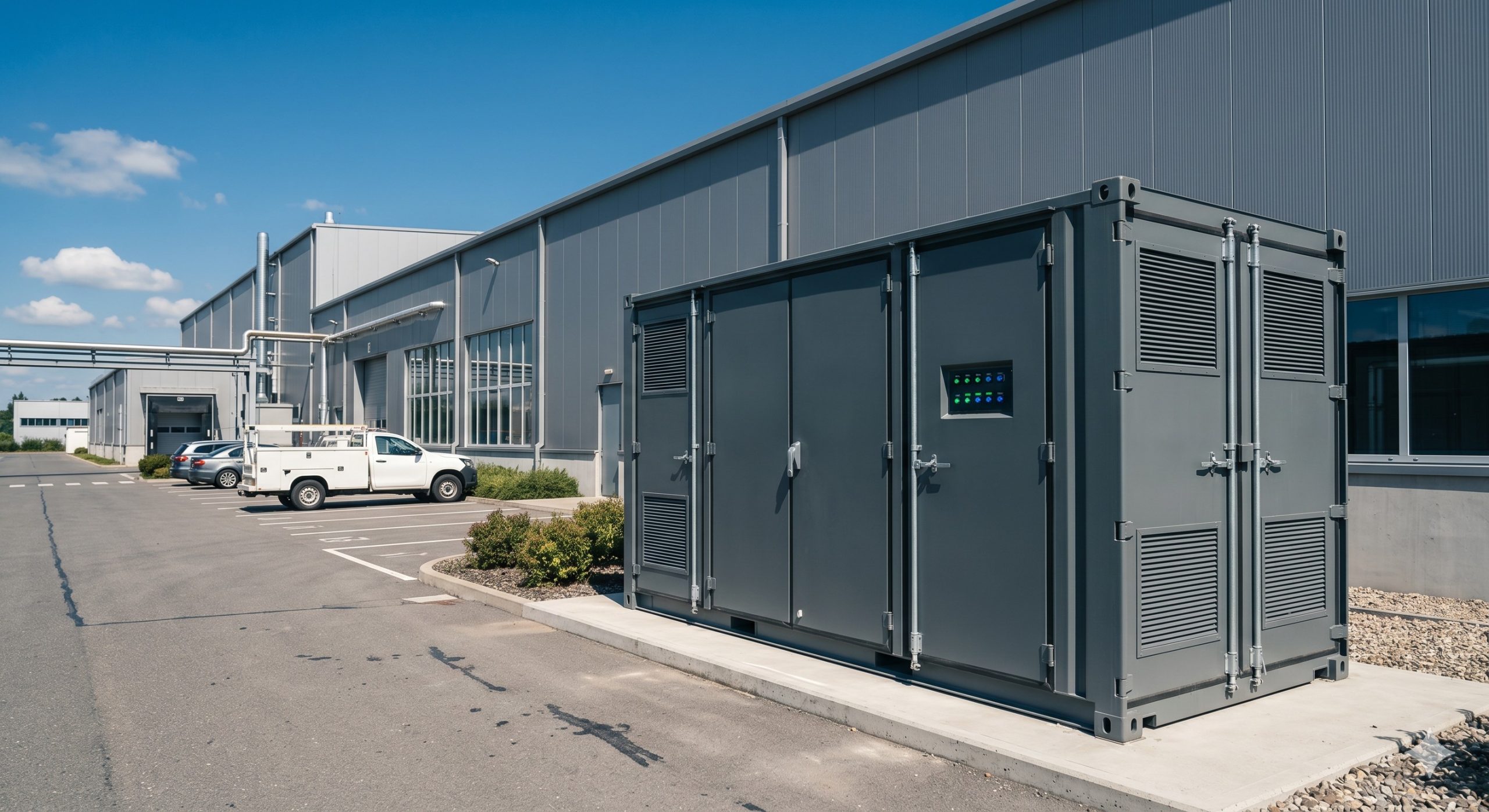
Core System Architecture: EMS, BMS & PCS Integration
Hierarchical Control Logic
Unlike standalone battery packs, the EMS3000 deploys a three-layer control hierarchy: the Energy Management System (EMS) at the top for utility dispatch logic, a Battery Management System (BMS) with passive/active cell balancing, and a bi-directional Power Conversion System (PCS). The communication protocol relies on Modbus TCP/IP and IEC 61850, enabling sub-100ms response times for grid frequency regulation. This architecture guarantees round-trip efficiency of 92% to 94% at nominal 0.5C discharge.
Liquid Cooling Thermal Control
Thermal uniformity is critical for LFP longevity. The EMS3000 integrates a closed-loop liquid cooling system maintaining cell temperature variance within ±1.5°C across all modules. Compared to air cooling, this reduces auxiliary power consumption by 30% and limits degradation, preserving >8000 cycles at 90% Depth of Discharge (DoD) under standard ambient conditions (25°C).
Technical Specifications & Compliance Passport
Every unit adheres to global transport and installation safety protocols, including UN38.3 for logistics, IEC 62619 for industrial storage, and UL 9540 for system fire safety. The cabinet IP rating is IP55, suitable for outdoor C&I deployment.
| Key Parameter | Technical Specification |
|---|---|
| Battery Chemistry | Tier-1 LFP (Lithium Iron Phosphate) |
| Usable Capacity (per cabinet) | 215 kWh – 372 kWh (configurable to MWh scale) |
| Cycle Life | >8000 cycles @ 90% DoD, >10000 cycles @ 80% DoD |
| Round-Trip Efficiency (RTE) | 92% – 94% (0.5C, 25°C ambient) |
| Thermal Management | Liquid cooling (cell ΔT < ±1.5°C) |
| Safety Certifications | IEC 62619, UL 9540, CE, UN38.3 |
| Response Time | <150 ms for frequency regulation (FFR) |
| Communication Protocols | Modbus TCP/IP, IEC 61850, CAN 2.0 |
Commercial ROI: Sizing LCOE & Peak Shaving
Unlocking Demand Charge Reduction
For a typical industrial park with a peak demand of 2 MW, a 1 MW / 2 MWh EMS3000 configuration can reduce monthly demand charges by 35–45%. The Levelized Cost of Storage (LCOE) for this system, factoring in auxiliary losses and replacement costs, averages $0.11/kWh – $0.14/kWh over 12 years. When paired with solar PV, the on-site LCOE drops below grid parity in >70% of Tier-1 electricity markets.
Grid Support & VPP Readiness
The EMS3000 is Virtual Power Plant (VPP) ready, supporting frequency-watt and volt-var curves. Using its fast frequency response (FFR) algorithm, the system can inject or absorb real power within 150ms, qualifying for ancillary service markets such as RegD (PJM) or FFR (UK National Grid). This adds a second revenue stream, reducing payback period to 3.5–4.2 years for high-load facilities.
Deployment Scenarios: From EV Hubs to Microgrids
The modular EMS3000 excels in PV-storage-charging (光储充) stations, where high-power EV chargers (up to 360 kW) cause sharp grid spikes. By buffering solar energy and grid off-peak power, the system enables DC-coupled charging at stable rates. Likewise, for islanded microgrids, the EMS3000 provides black-start capability and seamless grid-forming transition, supporting 100% renewable penetration. Industrial data centers and cold storage warehouses benefit from its liquid cooling reliability during peak summer DR events.

Conclusion: De-risking Your Commercial Storage Investment
The EMS3000 Energy Management System is not merely a hardware purchase; it is a long-term energy hedging strategy. With verified Tier-1 LFP cells, liquid-cooled thermal control, and compliance with UL 9540 and IEC 62619, it reduces procurement risk and maximizes lifecycle value. B2B buyers should prioritize suppliers offering factory acceptance test (FAT) reports, extended performance warranties (≥10 years), and local commissioning support. As grids decarbonize, the EMS3000 positions your facility as a resilient, profitable node in the future energy network.