Introduction: Navigating the Commercial Energy Storage Crisis
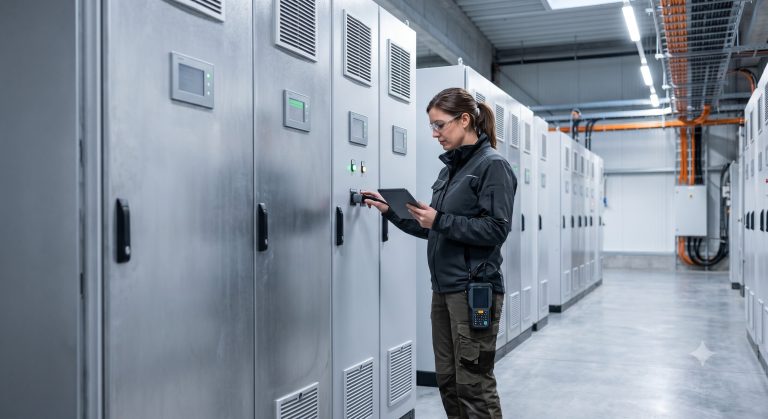
Global industrial electricity prices have surged by over 37% in key manufacturing hubs like Germany and China since 2022. For Chief Operating Officers and Facility Directors, the ST510CS-4H-CNPowerStack represents a paradigm shift in cost control and energy resilience. Unlike traditional diesel generators or air-cooled alternatives, this liquid-cooled, modular Battery Energy Storage System (BESS) delivers a round-trip efficiency of 92% at a 90% Depth of Discharge (DoD). This guide provides a system architect-level analysis of its core architecture, Levelized Cost of Storage (LCOE), and demand-response integration.
Core Architecture & Battery Management System (BMS)
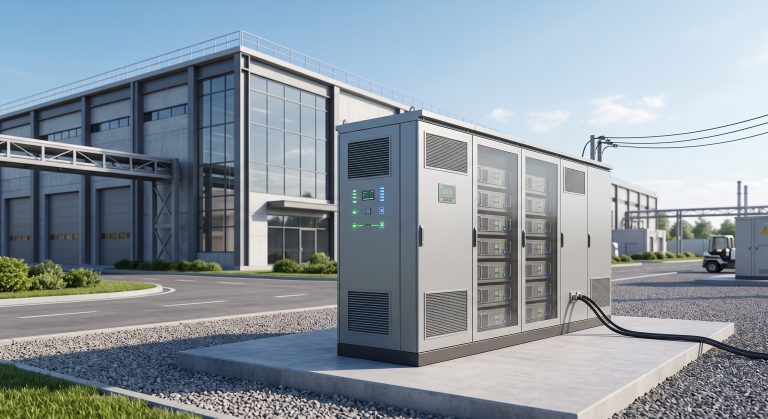
Liquid Cooling vs. Air Cooling: Thermal Performance Metrics
The ST510CS-4H-CNPowerStack utilizes a closed-loop liquid cooling thermal management system that maintains cell temperature variance within ±2°C. This directly addresses the capacity degradation caused by thermal runaway risks. Compared to conventional air cooling (which typically sustains a ±5°C variance), liquid cooling improves cycle life by 25% and reduces auxiliary power consumption by up to 30%.
Multi-Level Fire Suppression & Safety Compliance
Safety is engineered at three levels: (1) Module-level fuse and isolation, (2) Pack-level aerosol fire suppression, and (3) Cabinet-level FM200 system. The entire unit is certified to IEC 62619 (industrial battery safety), UL 9540A (thermal runaway propagation), CE, and UN38.3 (transportation). The BMS conducts 24/7 insulation monitoring and cell balancing, automatically disconnecting under over-voltage or short-circuit conditions.
Technical Specifications
The following table details the engineering metrics critical for B2B procurement and grid-tie applications.
| Key Parameter | Technical Specification |
|---|---|
| Battery Chemistry | Tier-1 LFP (Lithium Iron Phosphate) |
| Usable Energy Capacity | 510 kWh (C-rate: 0.5C) |
| Nominal Voltage | 768 V DC |
| Round-Trip Efficiency | 92% (@ +25°C, 0.5C) |
| Cycle Life | >8000 cycles @ 90% DoD (to 70% EOL) |
| Thermal Management | Liquid cooling (ΔT ≤ ±2°C) |
| PCS Power (AC) | 100 kW (4h discharge) |
| Safety Certifications | IEC 62619, UL 9540A, CE, UN38.3 |
| Enclosure Rating | IP55 (outdoor rated) |
| Operating Temp. | -20°C to +55°C (derated >45°C) |
| Communication | Modbus TCP/IP, IEC 61850, CAN |
Commercial ROI & Grid Support Strategy
Peak Shaving and LCOE Analysis
Deploying the ST510CS-4H-CNPowerStack for peak shaving typically generates an internal rate of return (IRR) of 18-25% in markets with demand charges >$15/kW. At a system capacity of 510kWh, a single daily cycle (charge at off-peak $0.07/kWh, discharge at peak $0.23/kWh) yields >$80/day in arbitrage. Including demand charge reduction, payback periods shorten to 3.5-4.5 years. The Tier-1 LFP cells deliver >8000 cycles @ 90% DoD, ensuring 15+ years of operational life with <70% capacity retention.
Virtual Power Plant (VPP) Readiness
Integrated with a bi-directional Power Conversion System (PCS) rated at 100kW (4-hour duration), the ST510CS supports frequency regulation (±0.5Hz response) and reactive power control. Its EMS (Energy Management System) supports Modbus TCP/IP and IEC 61850 protocols, enabling seamless participation in ancillary service markets and demand response programs.
Deployment Scenarios
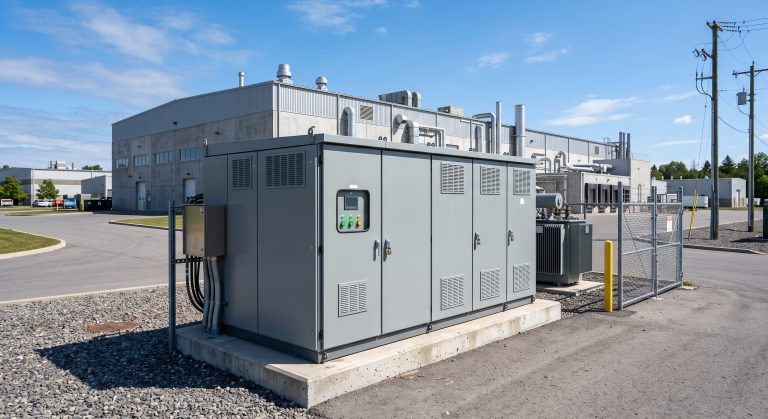
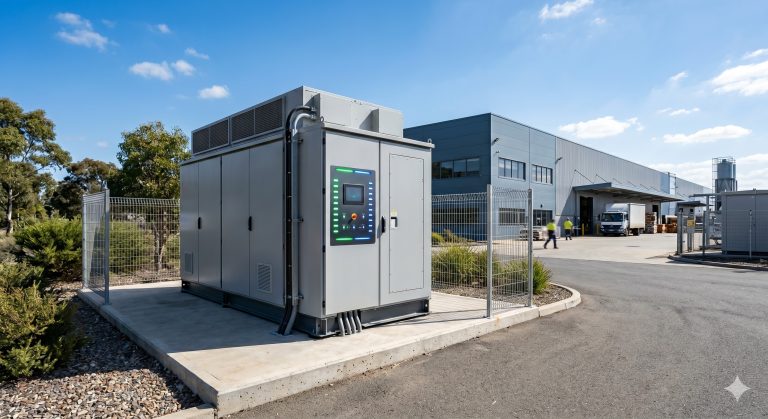
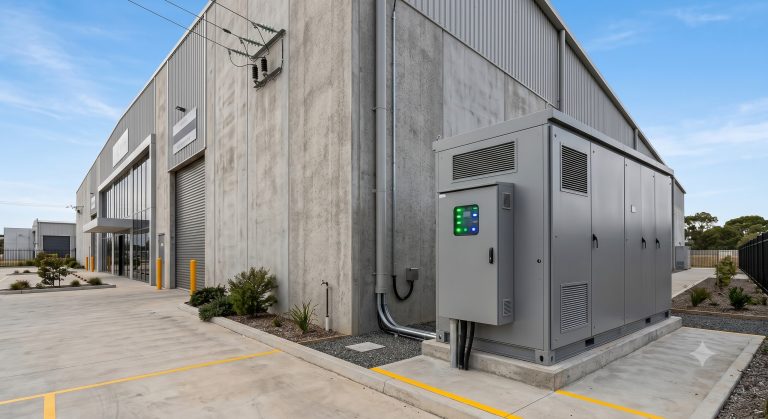
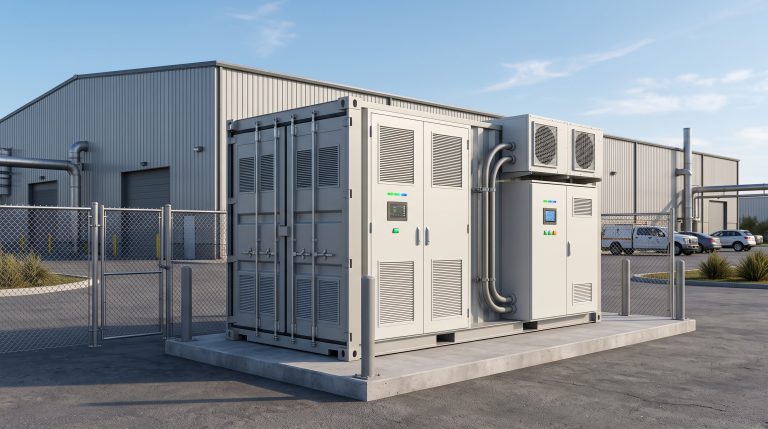
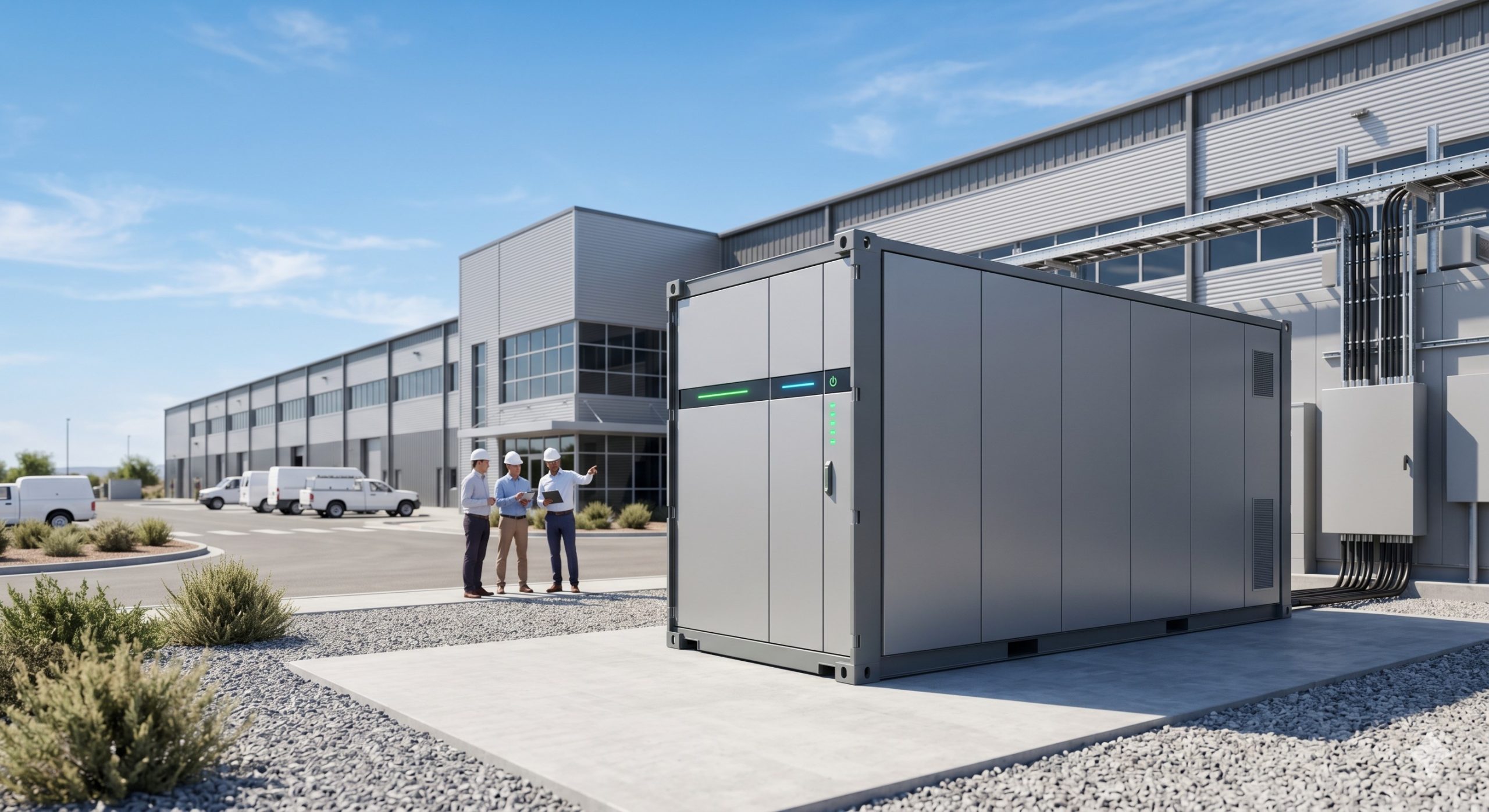
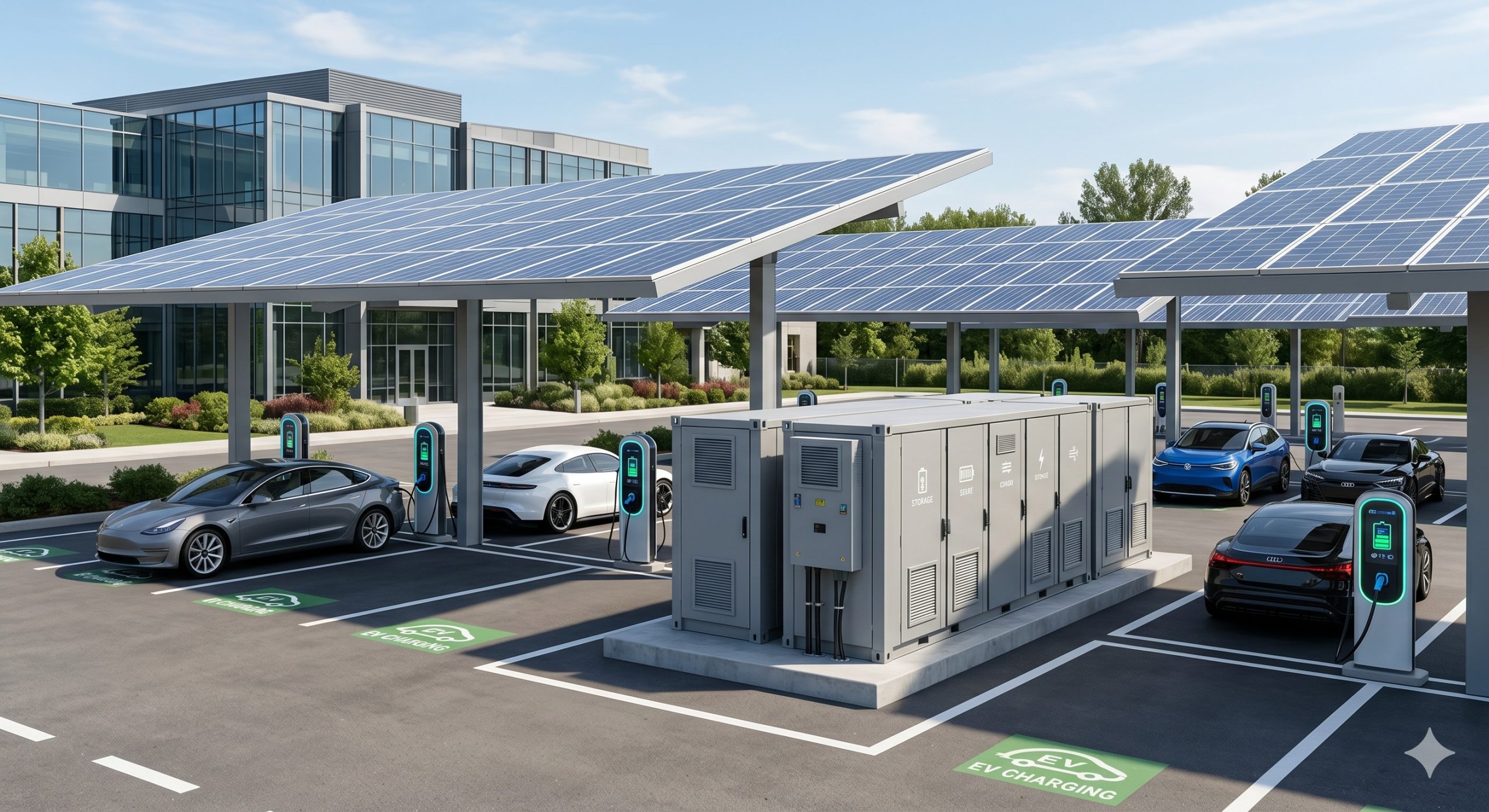
This system excels in three primary C&I contexts: (1) Industrial Parks with existing solar PV (PV-Storage-Charging synergy), (2) EV Supercharging Hubs requiring 150kW-300kW DC fast-charger buffering, and (3) Isolated Micro-grids replacing diesel gensets. The outdoor-rated IP55 cabinet allows sidewalk or rooftop installation without additional shelter.
Conclusion: Strategic Procurement Verdict
For B2B buyers evaluating ST510CS-4H-CNPowerStack, the combination of liquid-cooled LFP safety, UL/IEC certifications, and sub-4-year ROI positions it as a Tier-1 solution for industrial decarbonization and grid independence. Request factory acceptance test (FAT) documentation to verify 92% round-trip efficiency at your specific operating temperature range.