The Non-Negotiable Economics of Safety and Reliability
In the high-stakes world of commercial and industrial (C&I) energy storage, the selection of a reliable BESS distributor transcends mere procurement—it is a fundamental risk management decision. The global energy storage market is projected to exceed 200 GWh annually by 2030, yet the industry grapples with a critical bottleneck: supply chain quality assurance. As of 2026, a staggering 23% of deployed systems reportedly face underperformance or early degradation due to sub-standard components or improper system integration. The difference between a profitable energy asset and a liability lies in the engineering integrity of the battery energy storage system (BESS), its compliance with international fire safety standards, and the distributor’s capability to deliver a robust, turnkey solution. This masterclass analyzes the critical engineering specifications of a truly reliable BESS, focusing on Tier-1 LFP cell metrics, active liquid cooling thermal management, and the pivotal certifications that guarantee long-term system resilience.
Part I: Engineering Architecture for Safety and Longevity
Advanced BMS and Cell Balancing
The backbone of any high-performance BESS is its Battery Management System (BMS). A reliable BESS distributor must provide systems incorporating a 3-tier BMS architecture (Cell/Pack/System level). This architecture ensures precise cell balancing, maintaining voltage inconsistencies below ±5mV. For high-capacity 280Ah to 320Ah LFP cells, the BMS must actively monitor internal resistance and temperature gradients. Predictive analytics within the BMS can detect anomalies early, reducing the risk of thermal runaway. Real-time data collection is essential for compliance with standards like UL 1973 and IEC 62619, ensuring the system provides safe operation even under a 1C charge/discharge rate. The system’s ability to manage state-of-health (SOH) is just as crucial as state-of-charge (SOC), providing accurate, bankable performance data for investors and operators.
Liquid Cooling Thermal Control vs. Air Cooling
Thermal management is the definitive differentiator in modern ESS, directly impacting cycle life and safety. Traditional air cooling systems often struggle to maintain temperature differentials below 5°C across a battery rack, leading to accelerated degradation of individual cells. In contrast, advanced liquid cooling systems, utilizing a water-glycol mixture, maintain inter-cell temperature gradients within an optimal range of ≤3°C. This precision thermal control is critical for achieving over 8,000 cycles at 90% Depth of Discharge (DoD) before reaching end-of-life (EOL) at 70% capacity retention. For a 1MW/2MWh system, this can translate to a 15% higher system energy throughput over its lifespan compared to air-cooled alternatives. Enhanced liquid cooling also ensures the inverter and PCS remain within operational temperature windows, maximizing bi-directional conversion efficiency. A reliable BESS distributor will offer bespoke cooling strategies tailored to local climate conditions and specific load profiles.
Technical Specifications and Compliance Matrix
The following technical matrix outlines the baseline requirements for a bankable, reliable BESS system. Any distributor unable to meet these specifications should be considered high-risk. The inclusion of these standards ensures the system qualifies for grid interconnection, insurance coverage, and long-term financing.
| Key Parameter | Technical Specification |
|---|---|
| Battery Chemistry | Tier-1 LFP (Lithium Iron Phosphate) – 280Ah Cells |
| System Capacity | Configurable 1MW/2MWh to 5MW/10MWh Modules |
| Cycle Life | >8,000 cycles @ 90% DoD (EOL at 70% SOH) |
| Nominal Voltage / DC Voltage | DC 800V – 1500V |
| Round-Trip Efficiency (RTE) | ≥ 92% (AC/AC, 0.5C Rate) |
| Depth of Discharge (DoD) | 90% (Recommended) |
| Thermal Management | Active Liquid Cooling (Water/Glycol) |
| Grid-Tie Standards | UL 9540, UL 1973, IEC 62619, CE, UN38.3 |
| Protection Rating | IP55 / NEMA 3R |
| Fire Suppression | Aerosol / Gas-based automatic system |
Part II: Integration, Performance, and Financial Modeling
Peak-Shaving and Total Cost of Ownership (TCO) Analysis
The financial justification for a BESS hinges on a robust Total Cost of Ownership (TCO) model. A reliable BESS distributor provides transparent ROI calculations, accounting for peak-demand shaving, energy arbitrage, and local utility incentives. For example, a C&I facility with a peak demand tariff of $25/kW/month can achieve annual savings exceeding $50,000 with a 1MW/2MWh system. Key performance metrics such as Round-trip Efficiency (RTE) become the focal point of the ROI equation. A high-quality system should deliver an RTE of >92%, maximizing the value of each stored kilowatt-hour. By optimizing the Depth of Discharge (DoD) to 90% and maintaining ambient operating temperatures, the system ensures capital is not tied up in prematurely aging equipment. The integration of smart EMS (Energy Management System) algorithms further enhances these savings through predictive load forecasting and real-time dispatch.
Grid Support and Microgrid Synergy
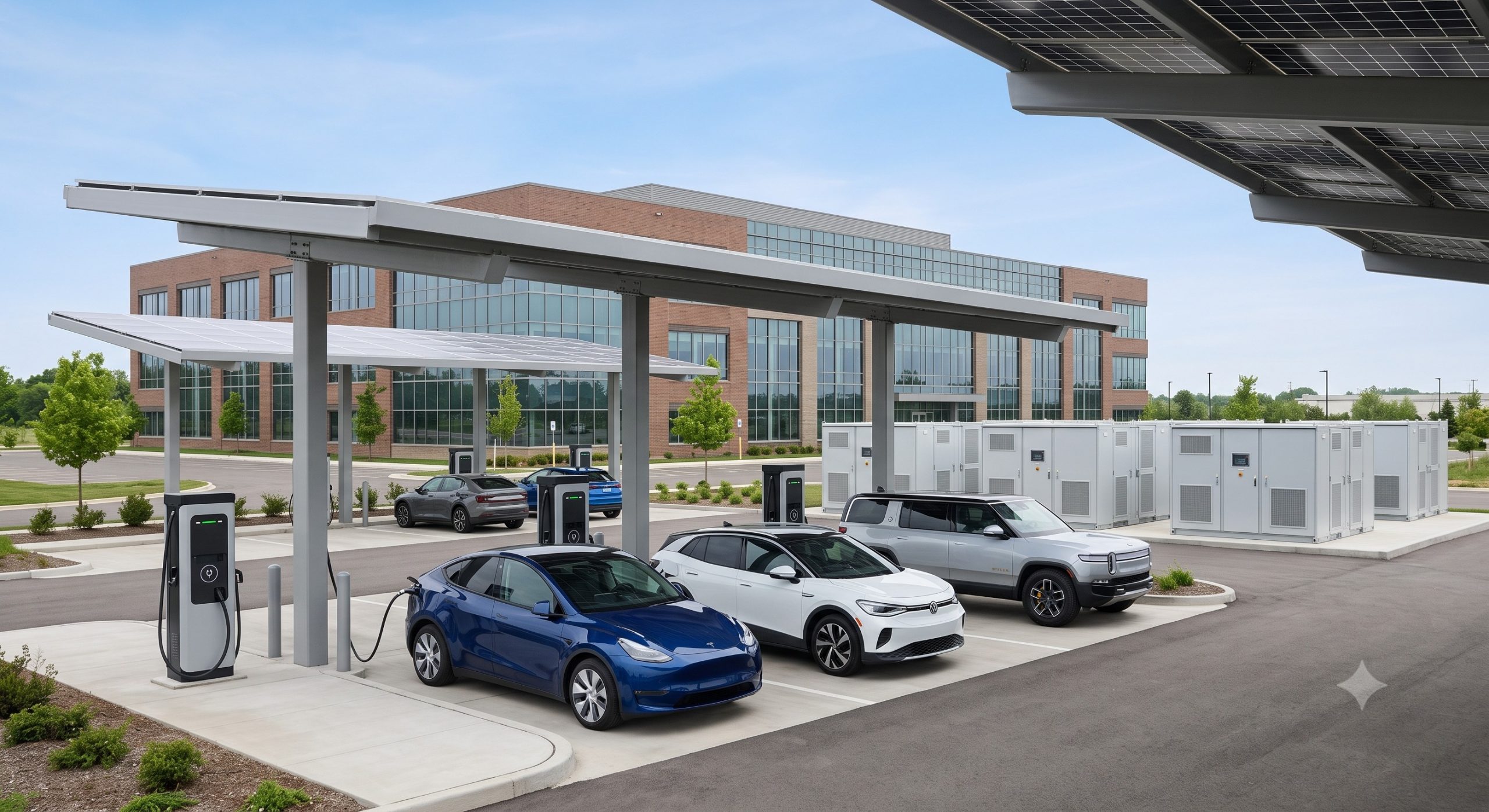
The modern BESS is an active grid participant, not a passive backup. Grid-support capabilities are vital for smart factories and industrial parks. A reliable system features a Power Conversion System (PCS) capable of grid-forming and grid-following modes, enabling seamless islanding and black-start functionality. In industrial park settings, the BESS can provide voltage/frequency regulation and reactive power support, stabilizing local grids. The integration of PV-storage-charging for EV fleets represents the pinnacle of energy synergy. A single containerized system can help manage the surge in electrical demand from fleet depot chargers. This technical capability is governed by standards like IEEE 1547 and IEC 62477, and distributors should provide comprehensive support for integrating these functions into existing site infrastructure.
Deployment Scenarios and Site Integration
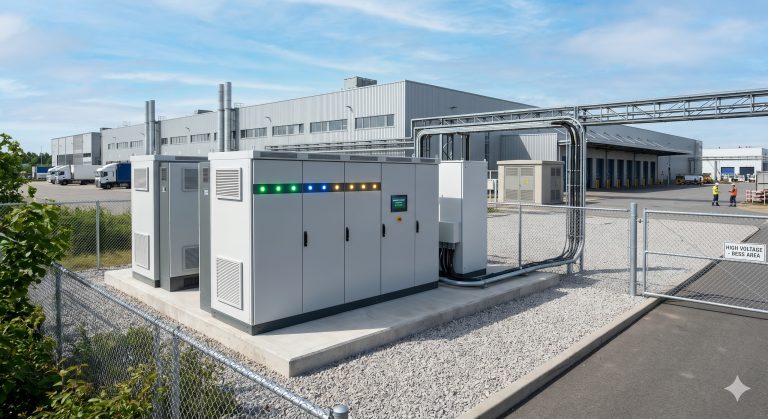
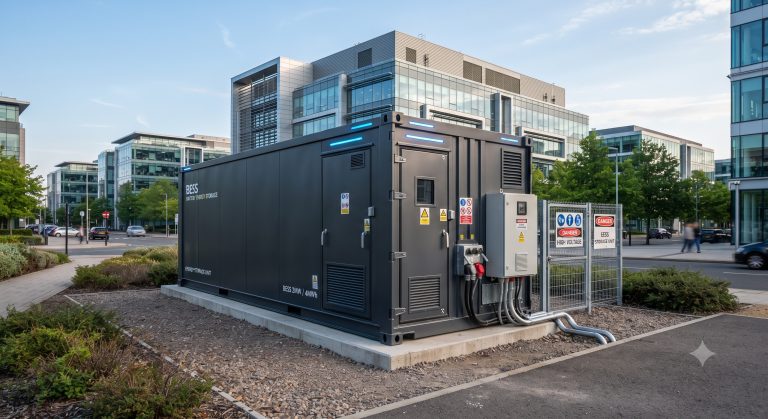
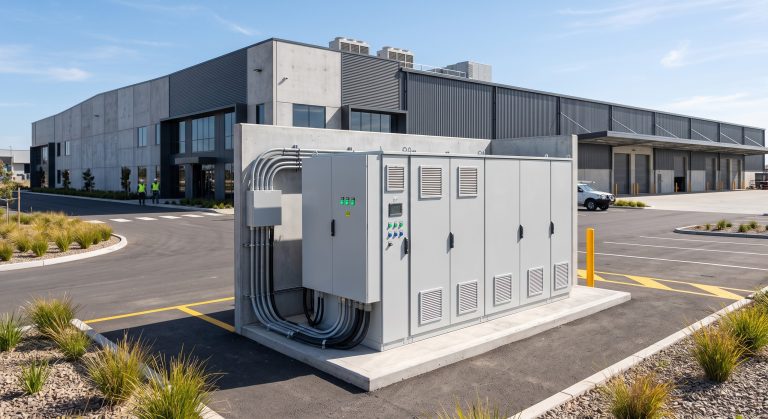
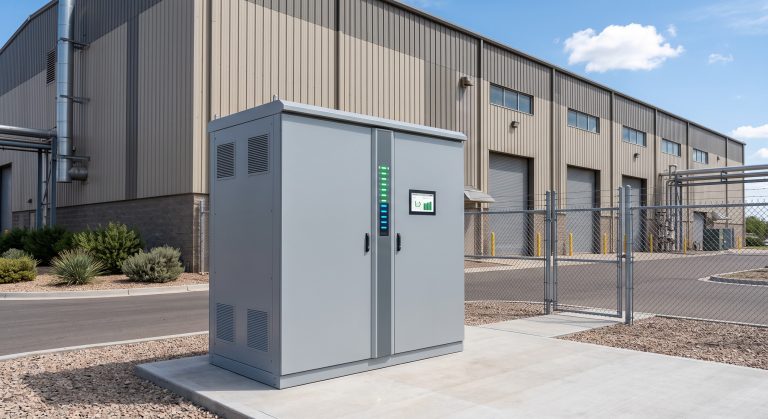
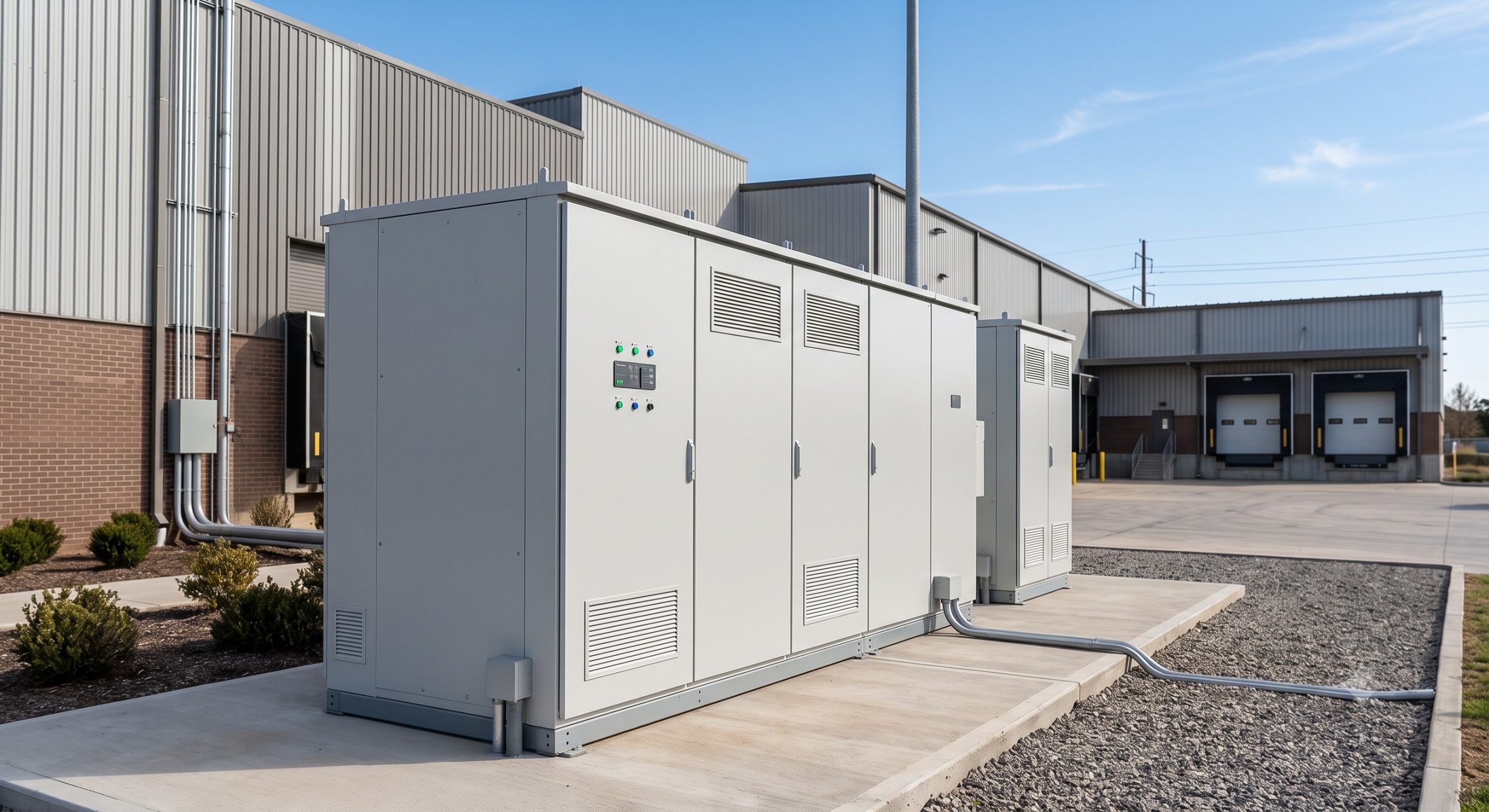
The versatility of a BESS is demonstrated across various deployment scenarios. For manufacturing plants, the system acts as a buffer against grid instability and high demand charges. In large-scale datacenters, reliability is paramount, and a BESS provides both backup power and UPS-grade support. The physical footprint of a liquid-cooled system is often 30% smaller than comparable air-cooled units, reducing installation costs and space constraints. The ultimate reliability test is the distributor’s commitment to factory and site acceptance testing (FAT/SAT). A reliable BESS distributor will have a robust project management team to oversee site survey, civil works, and the delicate installation of the liquid cooling piping.
Conclusion: The Definitive Checklist for Procurement
Navigating the BESS market requires a disciplined, engineering-first approach. A reliable BESS distributor is distinguished not only by their product specifications but by their transparent data-sheet validation and extensive project reference list. Key criteria include the provision of a 10-year performance guarantee, comprehensive O&M support, and full compliance with UL 9540 and IEC 62619 for the entire system (including the BMS and racks). The investment in quality ensures that your energy storage asset delivers on its promise of energy independence and sustained profitability. As energy transition accelerates, partners who prioritize quality and safety will be the ones delivering the sustainable, high-return infrastructure of the future. Please contact our sales engineering team for a detailed technical consultation and a customized LCOE projection for your facility.