EXECUTIVE SUMMARY
The global transition toward decentralized, low-carbon power generation has positioned battery energy storage systems (BESS) as the critical backbone of modern grid infrastructure. As commercial and industrial (C&I) facilities face escalating demand charges, grid instability, and ambitious decarbonization mandates, the need for a reliable, turnkey energy storage service has never been more acute. This document serves as the authoritative technical overview and commercial datasheet for a comprehensive Turnkey Energy Storage Service designed to de-risk asset procurement and accelerate deployment.
Unlike fragmented hardware-only offerings, a true turnkey service encompasses feasibility assessment, system engineering, Tier-1 hardware supply, seamless grid interconnection, and lifecycle maintenance. This overview details a modular, liquid-cooled BESS platform engineered for high-density urban and industrial environments. By integrating advanced battery management systems (BMS), bi-directional power conversion systems (PCS), and cloud-native energy management systems (EMS), the service delivers a unified solution for peak shaving, demand response, and renewable firming. The following sections outline the architectural philosophy, safety mechanisms, and certified performance metrics that define this tier-one service offering.
SYSTEM ARCHITECTURE & SAFETY
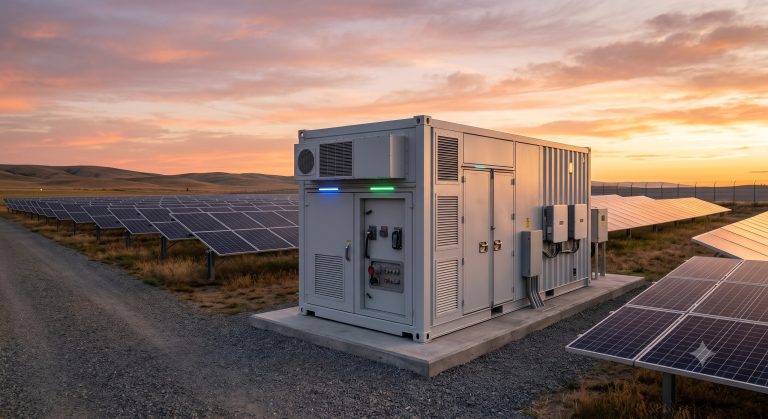
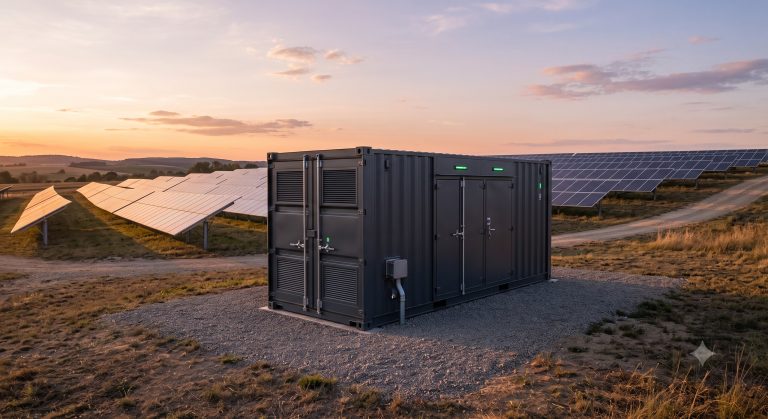
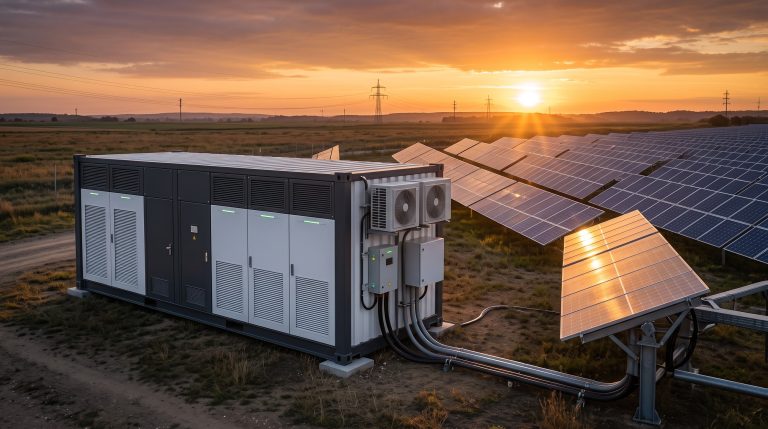
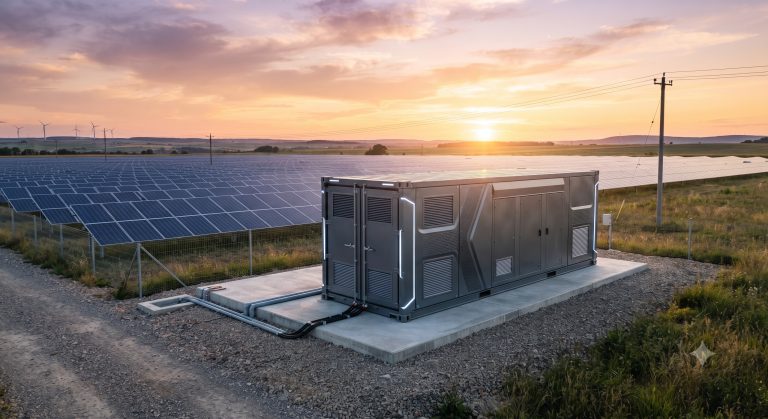
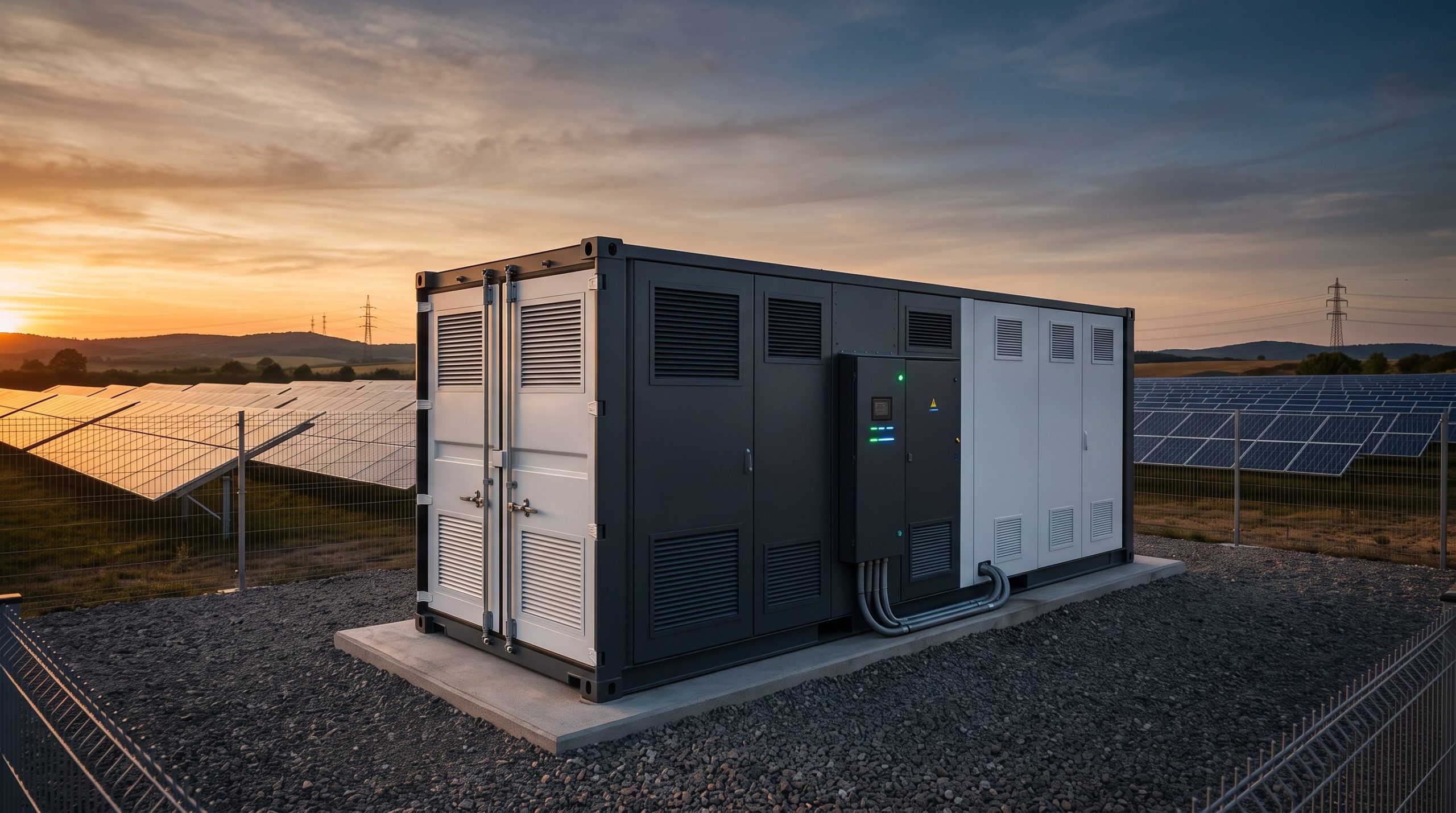
The turnkey service is anchored by a high-density, outdoor-rated cabinet architecture that eliminates the need for costly civil works and dedicated climate-controlled rooms. At the core of the system lies a robust DC block utilizing Tier-1 Lithium Iron Phosphate (LFP) cells, selected for their superior thermal stability and extended cycle life compared to Nickel Manganese Cobalt (NMC) alternatives. The architecture adopts a distributed topology, where each cabinet integrates its own dedicated liquid cooling plate and multi-level fire suppression interface, ensuring that thermal events are contained at the module level before propagating.
Safety is not an add-on but a foundational design parameter. The system features a multi-layered defense strategy: at the cell level, ceramic-coated separators and pressure relief valves mitigate internal short circuits; at the rack level, advanced BMS monitors voltage, temperature, and state-of-charge (SOC) with millivolt precision; and at the enclosure level, an aerosol-based fire suppression system is coupled with an active exhaust mechanism. The bi-directional PCS operates with seamless grid-forming and grid-following capabilities, enabling smooth transitions between grid-connected and islanded modes. This architecture ensures continuous operation during grid faults and provides a stable voltage and frequency reference for micro-grid applications.
KEY FEATURES
– High-Density Modular Design: Scalable from 215 kWh to MWh-scale configurations using standardized outdoor cabinets, minimizing footprint and installation time.
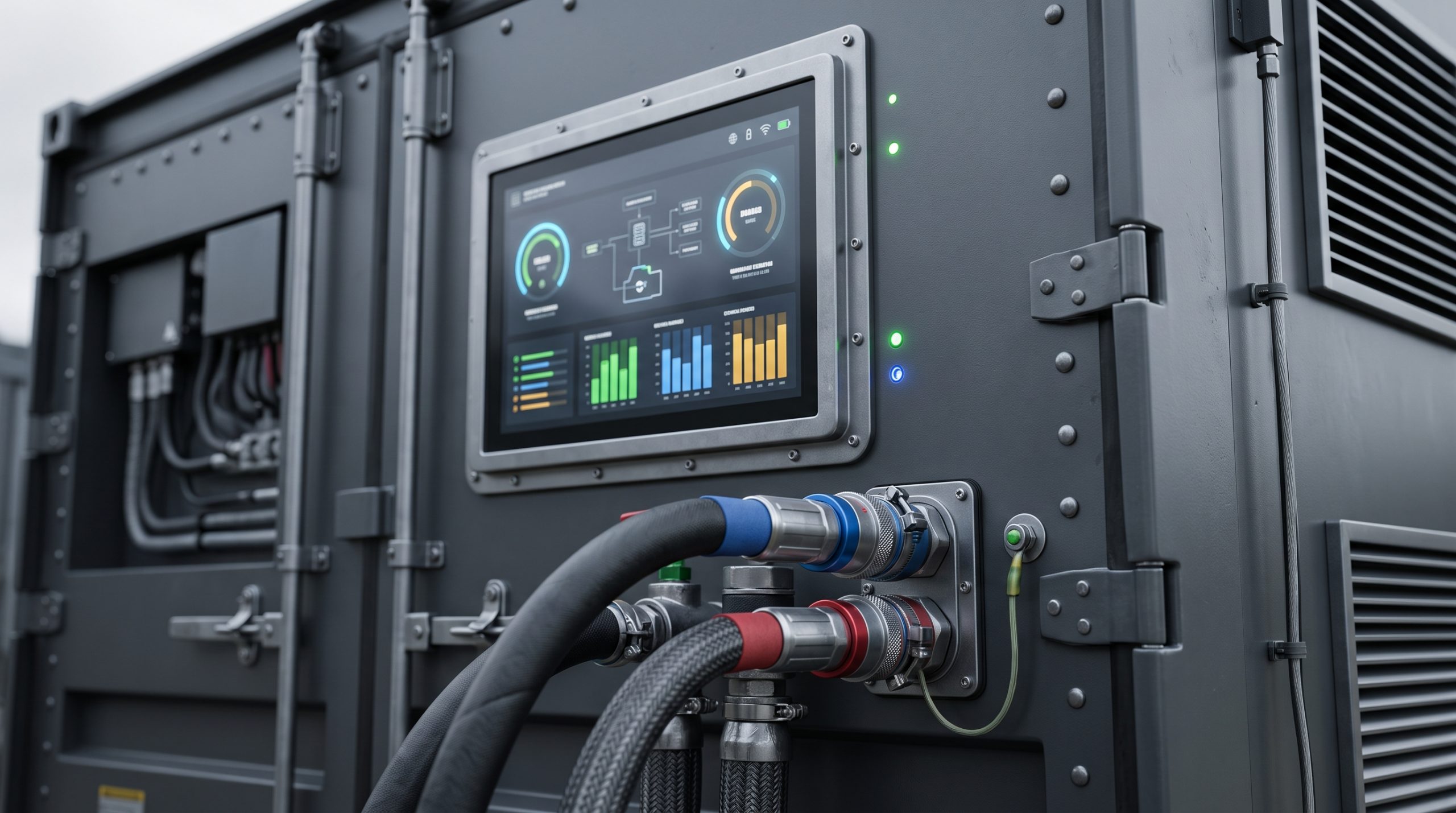
– Smart Liquid Cooling: Precision thermal management maintains cell temperature differentials within 2°C, optimizing round-trip efficiency and delaying capacity fade.
– Bi-Directional PCS: Integrated 1000V/1500V DC-capable PCS enables four-quadrant operation for reactive power support and seamless black-start capability.
– Cloud-Native EMS: AI-driven forecasting algorithms optimize dispatch strategies based on real-time tariffs, load profiles, and weather data, maximizing ROI.
– Multi-Level Safety: Compliance with UL 9540A and NFPA 855, featuring module-level aerosol suppression, active venting, and deflagration prevention panels.
– Turnkey Service Wrap: Includes site survey, engineering, permitting support, commissioning, and 24/7 remote monitoring with a 10-year performance guarantee.
COMPLIANCE & STANDARDS
This turnkey service is engineered to meet the most stringent international safety and performance benchmarks. The hardware components hold certifications including UL 9540 (Energy Storage Systems and Equipment), UL 1973 (Batteries for Use in Stationary Applications), and IEC 62619 (Secondary Cells and Batteries for Industrial Applications). The installation methodology adheres to NFPA 855 (Standard for the Installation of Stationary Energy Storage Systems) and local fire codes. Grid interconnection complies with IEEE 1547 (Standard for Interconnection and Interoperability of Distributed Energy Resources) and UL 1741 SA, ensuring seamless utility approval. The service organization operates under an ISO 9001 quality management system and ISO 14001 environmental standard, providing documented traceability from cell manufacturing to final commissioning.
TECHNICAL SPECIFICATIONS
The following table outlines the standard technical parameters for the core 215 kWh and 372 kWh outdoor cabinet configurations. Actual project specifications may vary based on site-specific grid conditions and duty cycles.
| Parameter | Specification |
|---|---|
| Nominal Capacity | 215 kWh / 372 kWh per cabinet |
| Cooling Method | Smart Liquid Cooling (Integrated Plate Heat Exchanger) |
| Cell Chemistry | Tier-1 LFP (Lithium Iron Phosphate) |
| DC Voltage Range | 600 V – 1500 V |
| Round-Trip Efficiency | ≥ 90% (AC-AC, typical) |
| Cycle Life | ≥ 8,000 cycles @ 80% Depth of Discharge (25°C) |
| Ingress Protection | IP55 (Outdoor Cabinet) |
| Operating Temperature | -20°C to +50°C (Derated above 45°C) |
| Communication Protocol | Modbus TCP/IP, IEC 61850 |
| Certifications | UL 9540, UL 1973, IEC 62619, CE |
INDUSTRIAL DEPLOYMENT
Deployment of this turnkey service follows a structured, four-phase methodology designed to minimize facility disruption and maximize asset uptime. Phase one involves a comprehensive site audit and load profile analysis to determine optimal capacity and dispatch logic. Phase two encompasses factory acceptance testing (FAT) and pre-assembly of the modular cabinets. Phase three executes the physical installation, which typically requires only a concrete pad, electrical interconnection, and network commissioning—often completed within 72 hours for a standard 1 MWh system. Phase four transitions to operational service, where the cloud EMS begins autonomous optimization while remote technicians monitor state-of-health (SOH) and schedule preventative maintenance.
This service model is specifically engineered for commercial facilities with high demand charges, such as cold storage warehouses, manufacturing plants, and data centers. By shifting peak loads and participating in demand response programs, the system typically achieves a payback period of 4 to 6 years, depending on regional utility incentives. The modular nature allows for incremental capacity expansion, ensuring the initial investment remains aligned with evolving facility power requirements without over-provisioning.
📥 Download Technical Specification
Click the button below to view or download the full official PDF datasheet.