Introduction: The Energy Cost Crisis and The Case for Customization
For commercial and industrial (C&I) enterprises, rising electricity costs and the increasing frequency of grid instability are no longer hypothetical risks—they are direct threats to operational margins. The one-size-fits-all approach to energy storage is rapidly becoming obsolete. A Custom BESS solution design is the only pathway to achieving a superior Levelized Cost of Energy (LCOE), ensuring seamless grid support, and maximizing the return on your energy infrastructure investment. Unlike off-the-shelf products, a tailored system aligns exact load profiles with advanced battery management, delivering a precision-engineered solution that reduces total cost of ownership and guarantees energy resilience. This guide provides a comprehensive, technical sourcing framework for decision-makers looking to navigate the complexities of commercial energy storage procurement.
Core Architecture: The Anatomy of a High-Performance Custom BESS
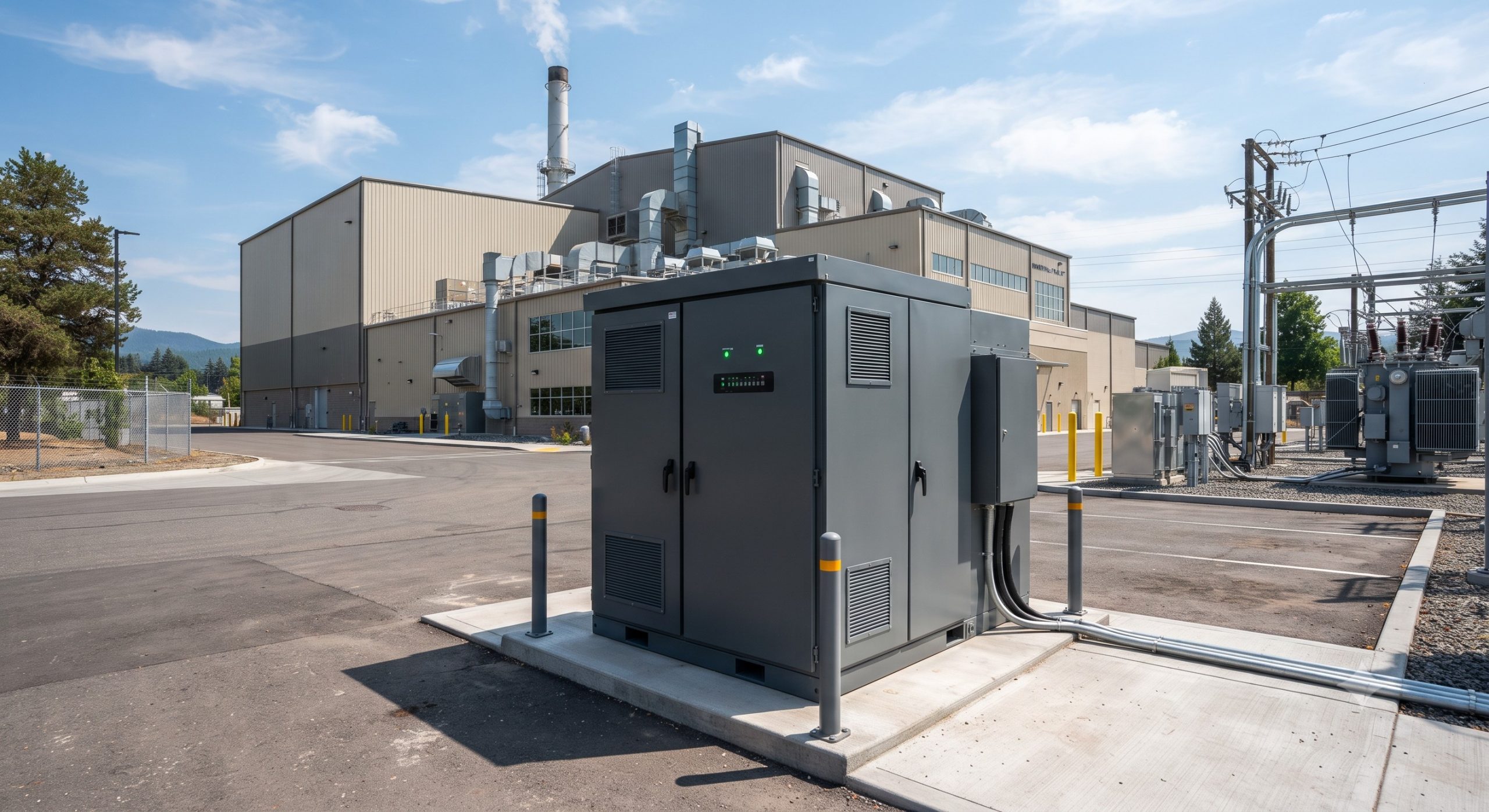
Engineering a robust Custom BESS solution design requires an in-depth understanding of the interplay between three core pillars: the Battery Management System (BMS), the Power Conversion System (PCS), and the Energy Management System (EMS). A successful design optimizes these components to deliver peak performance under specific C&I operational stresses.
BMS and PCS Integration: The Decision-Making Core
The BMS serves as the safety brain, continuously monitoring voltage, current, and temperature across individual Tier-1 LFP (Lithium Iron Phosphate) cells. In a custom design, the BMS must be calibrated to the specific charge/discharge cycles anticipated. Simultaneously, the PCS acts as the gateway between your DC battery system and the AC grid. Modern designs prioritize bi-directional inverters that support grid-forming capabilities, allowing the system to operate in island mode during outages. High-density liquid cooling solutions are increasingly specified to maintain tight thermal control (±2°C), significantly reducing cell degradation and ensuring a robust round-trip efficiency of over 92%, even in high-ambient temperature environments.
Thermal Control Strategy: Liquid vs. Air Cooling
When evaluating a Custom BESS solution design, thermal management is paramount. Traditional air cooling is often insufficient for high-power, multi-megawatt applications. Liquid cooling, integrated directly into the battery pack architecture, offers superior heat dissipation, leading to enhanced cycle life and maintaining a consistent Depth of Discharge (DoD). A well-designed liquid-cooled system minimizes cell-to-cell temperature variance, ensuring the system can sustain peak shaving operations without derating, directly impacting the ROI calculation by extending the asset lifespan beyond 8,000 cycles at 90% DoD.
Technical Specifications & Compliance Standards
Data-driven decisions are the bedrock of successful BESS procurement. The following specifications represent the minimum requirements for a Tier-1 Custom BESS solution design intended for C&I applications. Adherence to these performance metrics ensures compatibility with global safety standards and maximizes financial returns.
| Key Parameter | Technical Specification |
|---|---|
| Battery Chemistry | Tier-1 LFP (Lithium Iron Phosphate) |
| System Capacity Range | 250kWh – 5MWh+ (Modular / Containerized) |
| Cycle Life @ 90% DoD | >8,000 cycles (End of Life: 80% EOL) |
| Round-Trip Efficiency | >92% (with Liquid Cooling active thermal management) |
| Scalability | Parallel connection of multiple PCS units for MWh expansion |
| Safety Certifications | IEC 62619, UL 9540, UN38.3, CE compliant |
Beyond the core metrics, rigorous safety certification is non-negotiable. Ensure your custom BESS design meets IEC 62619 (Safety requirements for industrial batteries), UL 9540 (Standard for Energy Storage Systems and Equipment), and UN38.3 (Transportation safety). Systems that fail to comply with these standards introduce unacceptable liability risks to your facility and prohibit integration with certain insurance frameworks.
Commercial ROI: Peak Shaving and Total Cost of Ownership (TCO)
The financial justification for a Custom BESS solution design centers on demand charge management. By analyzing 15-minute interval load data, engineers can size the BESS to precisely shave the peak demand spikes that constitute the majority of a C&I facility’s monthly utility bill.
A detailed TCO analysis reveals that while CapEx for custom solutions is higher than standard units, the OpEx reduction is substantial. A system designed with a higher DoD and lower degradation curve amortizes its initial investment faster. In many regions, capturing demand response revenue and participating in frequency regulation can shorten the payback period to under 4 years. Additionally, a custom design ensures your system is VPP-ready (Virtual Power Plant), allowing you to monetize grid support services, transforming the BESS from a cost center into a revenue-generating asset.
Deployment Scenarios and Synergy Integration
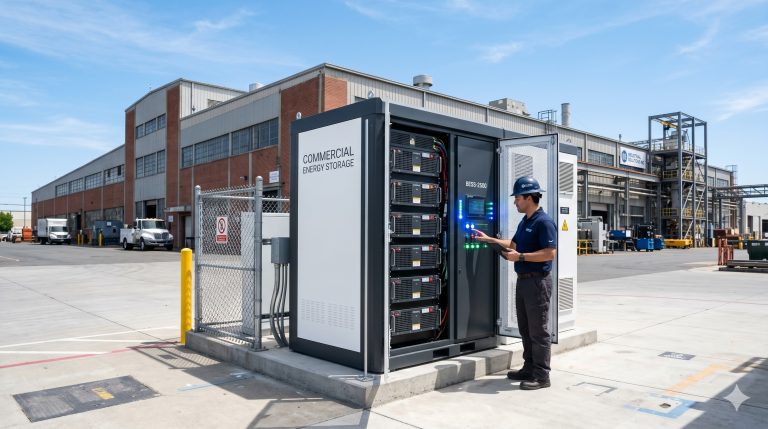
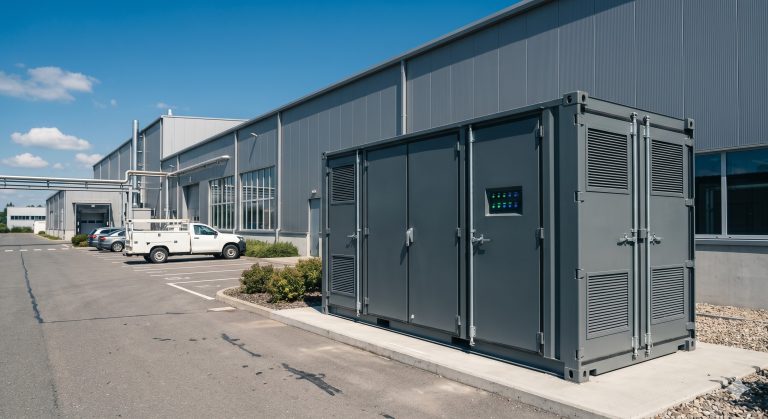
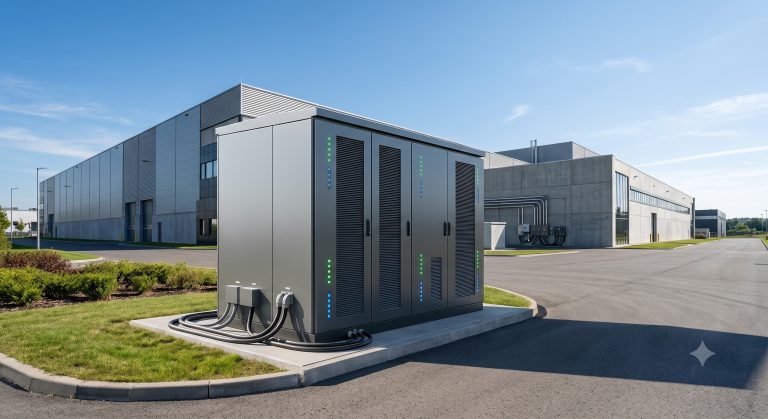
The versatility of a tailored BESS allows for deployment across diverse C&I sectors. From manufacturing plants to large-scale data centers and EV supercharging stations, the flexibility of a modular containerized design ensures minimal site disruption.
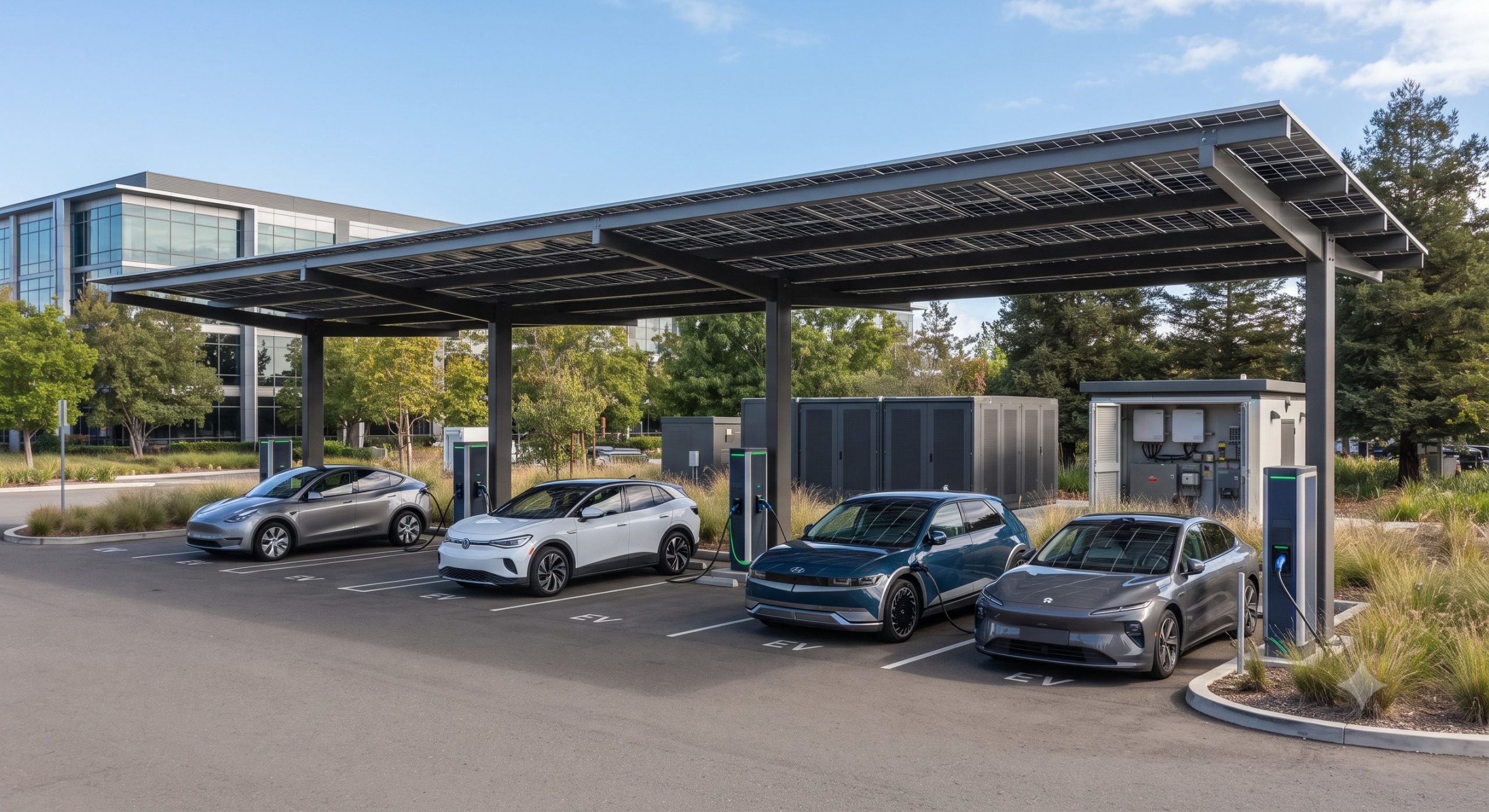
For industrial parks seeking energy independence, the custom BESS can be seamlessly integrated with existing PV (Solar) installations. The system stores excess solar energy generated during off-peak hours and dispatches it during peak tariff periods, maximizing the utilization of renewable assets. For EV charging operators, a custom high-capacity BESS alleviates grid stress by acting as a buffer, enabling ultra-fast charging without the need for expensive grid upgrades. This PV-storage-charging synergy is the definitive strategy for decarbonizing C&I facilities while ensuring a resilient power supply.
Conclusion: Sourcing Your Custom Energy Storage Blueprint
A Custom BESS solution design is the gold standard for C&I energy management. It moves beyond generic hardware to provide a strategic asset that lowers energy costs, ensures operational continuity, and supports sustainability goals. By prioritizing rigorous cycle life metrics, advanced liquid cooling, and strict adherence to global safety standards like UL 9540, you secure a future-proof energy architecture. The path to a zero-carbon facility is not through standardization, but through precision engineering tailored to your specific load curves and grid requirements. Start your sourcing process by demanding a dynamic, data-driven specification review rather than a static quote, and ensure the solution evolves with your energy needs.