COMMERCIAL SYSTEMS ENGINEERING REFERENCE MANUAL: AIR-COOLED COMMERCIAL BATTERY PARAMETERS
PRODUCT IDENTIFICATION
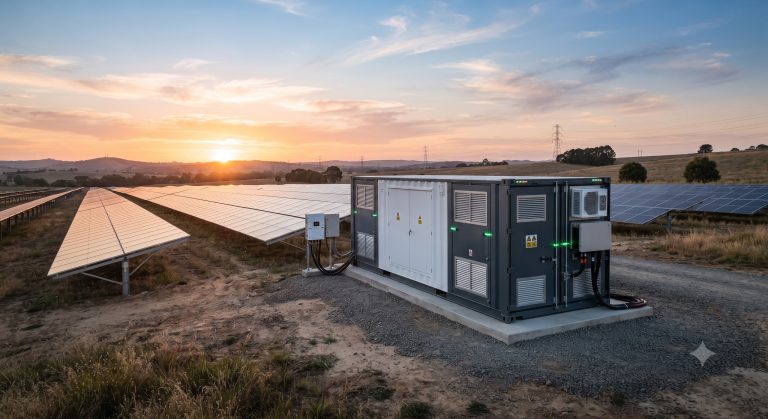
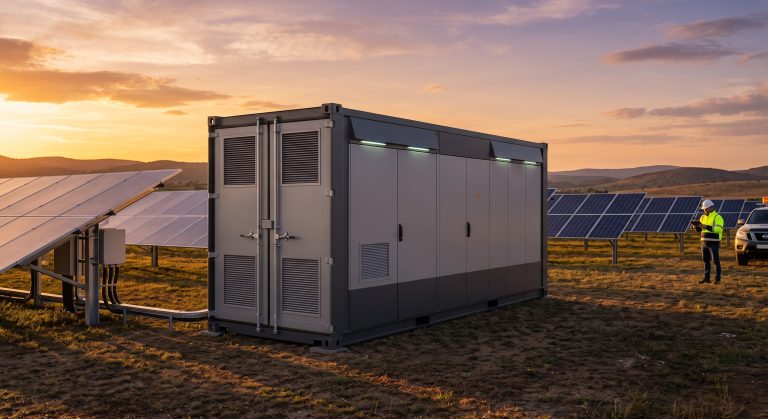
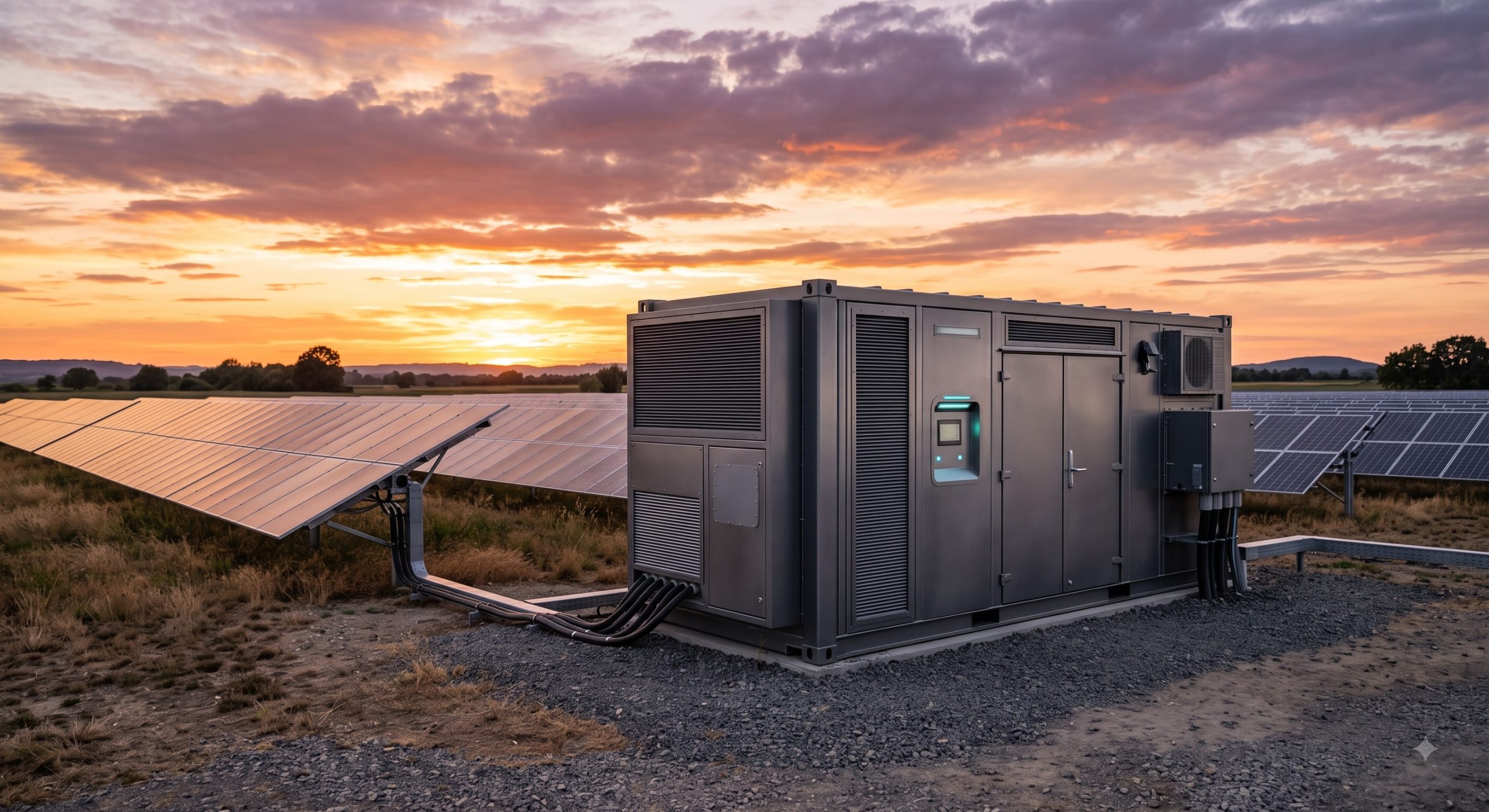
This document serves as the definitive engineering reference for the deployment and integration of our next-generation Air-cooled Commercial Battery Energy Storage System (BESS). Designed specifically for the rigors of commercial and industrial (C&I) applications, this platform represents a paradigm shift in operational safety, thermal stability, and lifecycle economics. The system is engineered for seamless integration behind-the-meter, providing a robust solution for peak shaving, load shifting, and emergency backup power. As a Tier-1 LFP-based platform, it offers an unrivaled combination of high energy density, a compact footprint, and a service life exceeding 8,000 cycles at 90% Depth of Discharge (DoD).
INTERNAL BESS TOPOLOGY
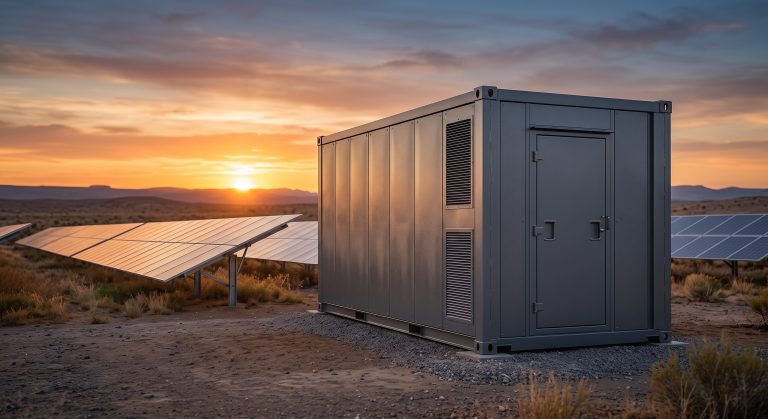
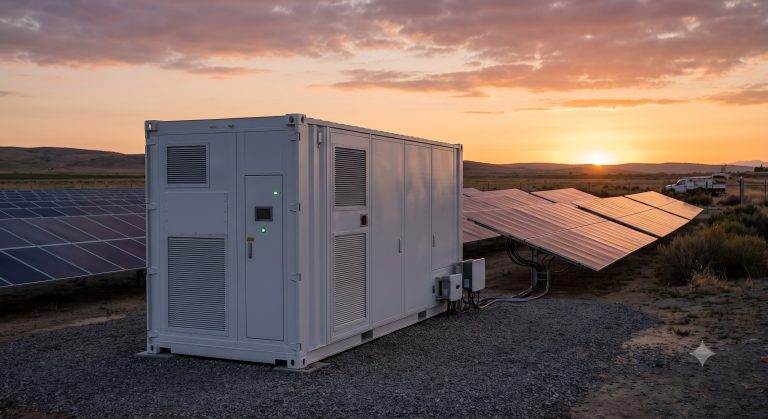
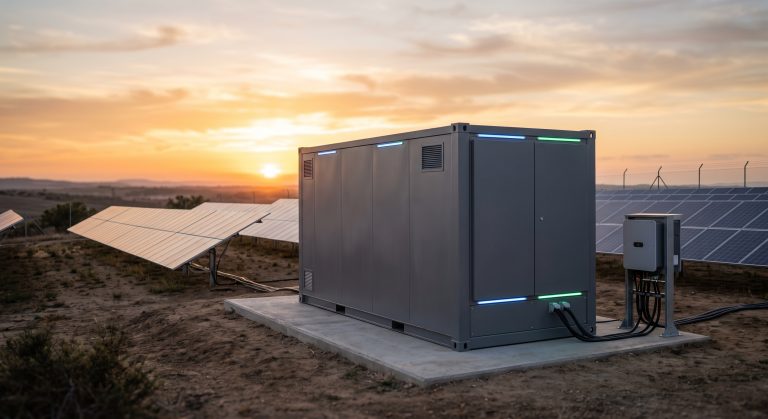
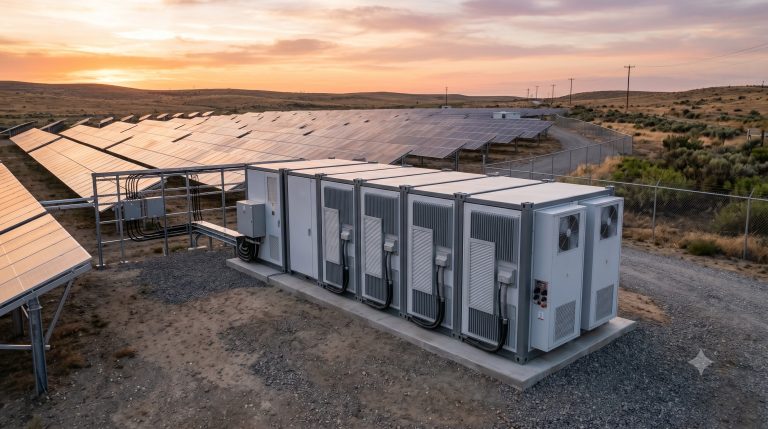
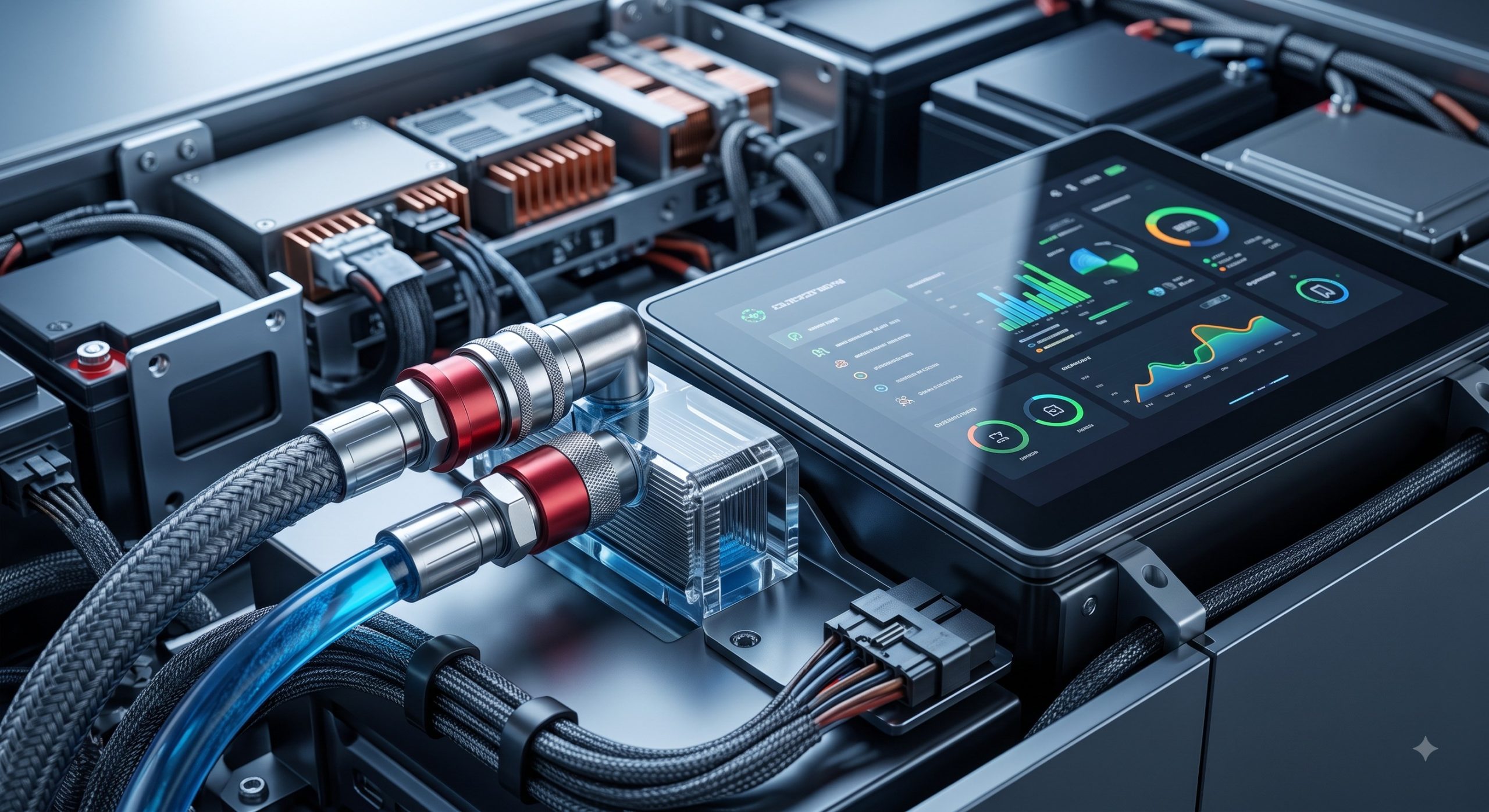
The architecture of this air-cooled system is meticulously designed to optimize airflow and minimize thermal gradients across all battery modules. At its core, the system integrates prismatic LFP cells configured in a modular string, managed by a distributed Battery Management System (BMS). The air-cooling mechanism employs a forced-air, ducted design with high-efficiency, variable-speed EC fans that intelligently adjust airflow based on real-time thermal data from embedded sensors. This topology ensures a uniform temperature distribution, which is critical for maintaining cell-to-cell consistency and preventing capacity imbalance. The power conversion system (PCS) is integrated via a common DC bus, enabling bi-directional energy flow with a peak efficiency of 98.5%. The entire system is housed within a ruggedized, weatherproof IP54-rated enclosure, suitable for outdoor installation in diverse environmental conditions.
THERMAL PROTECTION MECHANISMS
Thermal protection is the cornerstone of our safety engineering philosophy. The system features a multi-layered protective strategy that begins at the cell level with a proprietary ceramic separator designed to shut down under extreme heat, mitigating the risk of internal short circuits. The active air-cooling system is controlled by a predictive thermal management algorithm that anticipates heat generation based on load profiles and ambient conditions. This is supplemented by passive heat dissipation through the chassis design. In the event of a fault, the system initiates a rapid shutdown sequence, isolating the battery string from the DC bus within milliseconds. Furthermore, the unit is equipped with an integrated aerosol-based fire suppression system that targets potential thermal events at their source, preventing propagation to adjacent modules. This comprehensive approach ensures compliance with UL 9540A safety requirements.
OPERATIONAL ADVANTAGES
Deploying our air-cooled commercial battery provides immediate and tangible operational advantages. The system’s high round-trip efficiency (RTE) of 92% translates directly to greater energy arbitrage returns and reduced operational expenditures. The intelligent Energy Management System (EMS) enables advanced demand response logic, automatically discharging during peak tariff periods and charging during off-peak hours to maximize savings. Remote monitoring via our cloud-based platform provides real-time visibility into system health, state of charge, and performance metrics, enabling predictive maintenance and reducing downtime. The modular design facilitates rapid installation and scalable expansion, allowing capacity to grow in line with business demands without significant retrofitting.
SPECIFICATION MATRIX
The following section delineates the core technical parameters governing system performance. All values are based on standard test conditions (STC) and are verified through rigorous third-party testing to ensure accuracy and reliability.
| Parameter | Specification |
|---|---|
| Nominal Energy Capacity | 215 kWh per cabinet (expandable) |
| Nominal Voltage | 768 V DC |
| Usable Energy (DoD 90%) | 193.5 kWh |
| Cell Chemistry | Lithium Iron Phosphate (LFP) |
| Cooling Method | Active Forced Air-Cooling with EC Fans |
| Max. Charge / Discharge Power | 100 kW / 100 kW (1C) |
| Round-Trip Efficiency | 92.0% (at 25°C, 0.5C) |
| Cycle Life | 8,000 cycles to 70% EoL @ 25°C, 0.5C |
| Operating Temperature Range | -20°C to +50°C (Derating above 45°C) |
| Ingress Protection | IP54 (Outdoor) / IP20 (Indoor) |
| Communication Protocols | Modbus TCP, CAN, IEC 61850 |
| System Dimensions (W x D x H) | 1,200 mm x 850 mm x 2,100 mm |
| System Weight | Approx. 2,200 kg |
| Safety Compliance | UL 1973, UL 9540, IEC 62619, UN 38.3 |
REGULATORY COMPLIANCE
Our commercial BESS platform has been designed to meet and exceed the most stringent international safety and performance standards. This commitment to compliance ensures that our systems are eligible for grid interconnection and available for deployment in key global markets. The platform holds certifications including UL 1973, UL 9540 (as part of an integrated system), and IEC 62619, demonstrating its safety and reliability for stationary storage applications. Additionally, the system adheres to UN 38.3 for transportation safety, ensuring secure and compliant logistics. The integration of CE and UKCA marking further confirms conformity with European and UK health, safety, and environmental protection legislation.
📥 Download Technical Specification
Click the button below to view or download the full official PDF datasheet.