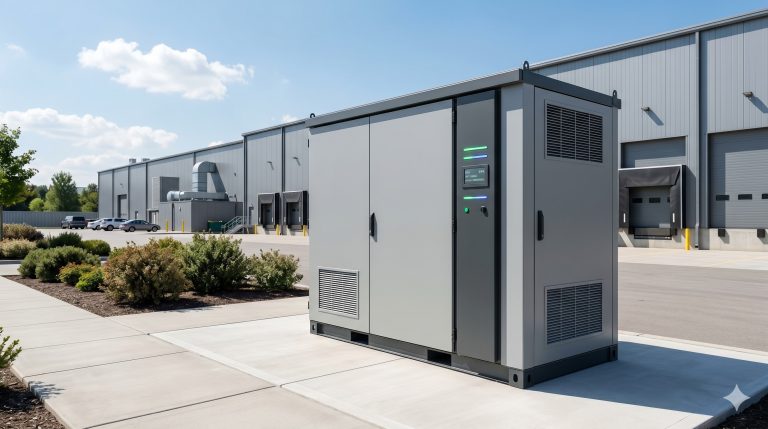
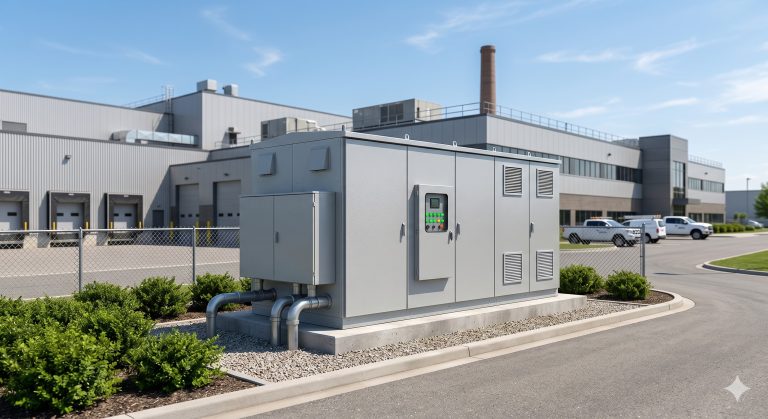
Introduction: The Megawatt Imperative in Commercial & Industrial Energy
The commercial and industrial (C&I) sector is undergoing a profound transformation, driven by volatile electricity prices, decarbonization mandates, and the urgent need for grid resilience. At the heart of this shift lies megawatt lithium battery storage—a high-capacity, scalable solution designed to meet the intense power demands of factories, data centers, EV supercharging hubs, and industrial parks. Unlike residential systems, megawatt-scale BESS (Battery Energy Storage Systems) require a sophisticated blend of Tier-1 LFP (Lithium Iron Phosphate) cells, advanced liquid cooling, and intelligent Energy Management Systems (EMS) to deliver reliable, high-cycle-life performance.
This comprehensive B2B sourcing guide is engineered for energy managers, EPC contractors, and system architects who demand data-driven insights. We will dissect the architecture, quantify the Levelized Cost of Energy (LCOE), and explore the critical role of megawatt lithium battery storage in grid support, peak shaving, and demand response. By adhering to rigorous international standards such as IEC 62619, UL 9540, and UN38.3, we provide a blueprint for deploying safe, profitable, and future-proof energy infrastructure.
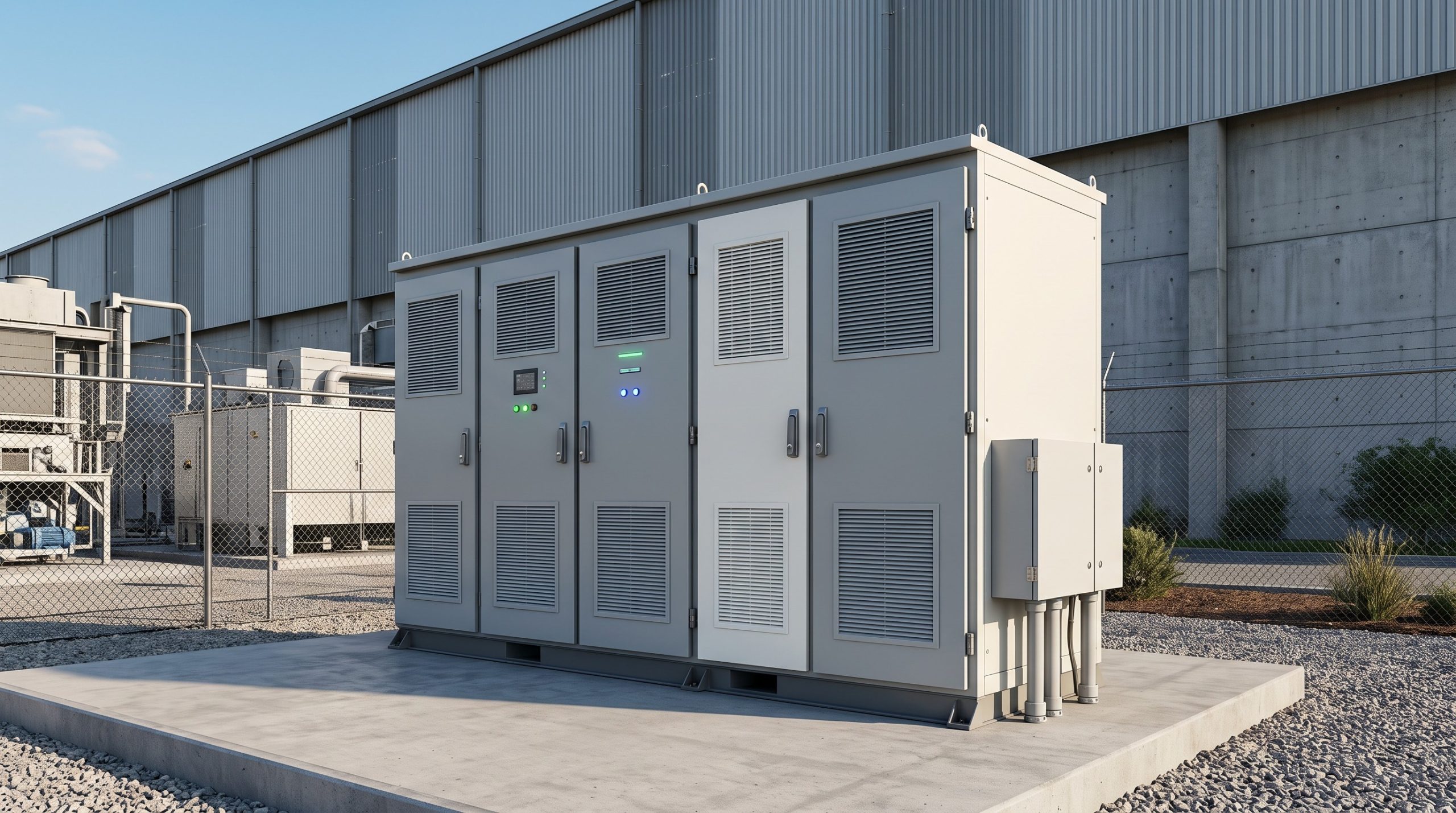
Core Architecture & Battery Management: The Backbone of Megawatt Systems
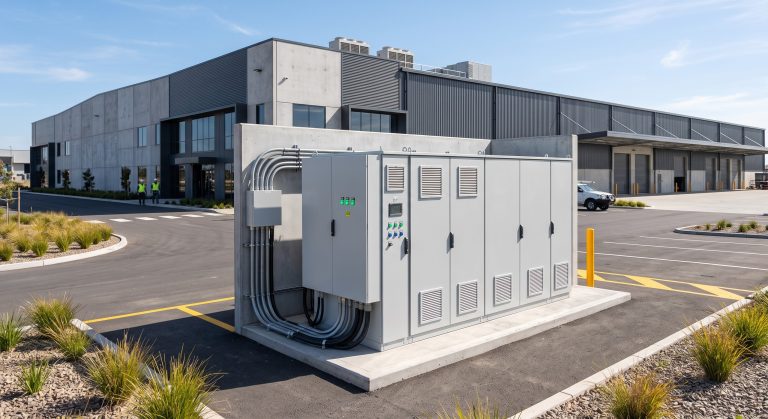
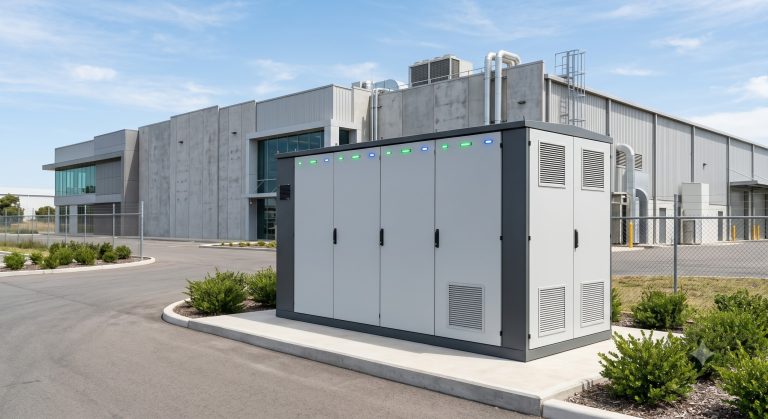
A megawatt lithium battery storage system is not merely a collection of cells; it is an intricate ecosystem of hardware and software. The architecture typically comprises battery modules, rack-mounted packs, a Power Conversion System (PCS), a Battery Management System (BMS), and a Thermal Management System (TMS). For megawatt-scale deployments, the choice of LFP chemistry is paramount, offering superior thermal stability and a cycle life exceeding 8,000 cycles at 90% Depth of Discharge (DoD).
The Role of Advanced BMS and PCS Integration
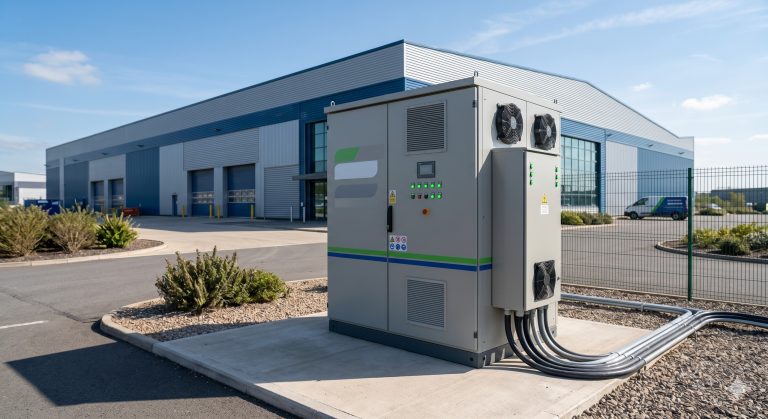
The BMS is the brain of the operation, responsible for cell balancing, state-of-charge (SoC) estimation, and fault protection. In a megawatt lithium battery storage configuration, the BMS must communicate seamlessly with the PCS to manage bi-directional power flow. Advanced systems utilize liquid cooling to maintain optimal cell temperatures (typically 20-35°C), reducing thermal runaway risks and extending operational lifespan. This thermal control is critical for maintaining round-trip efficiency above 90%, a key metric for ROI calculations.
Safety & Compliance: IEC 62619 and UL 9540
Compliance is non-negotiable. IEC 62619 ensures safety for industrial applications, while UL 9540 certifies the entire system’s fire and electrical safety. For global deployment, UN38.3 governs transport safety. A Tier-1 megawatt lithium battery storage system must integrate multi-level fire suppression (aerosol, perfluorohexanone, or water mist) and rigorous cell-to-system propagation testing.
Technical Specifications: Quantifying Megawatt Performance
When sourcing megawatt lithium battery storage, precise metrics dictate both performance and profitability. The table below outlines the critical parameters for a typical 1MW/2MWh commercial cabinet. Note the emphasis on cycle life, DoD, and round-trip efficiency—these directly impact LCOE and Total Cost of Ownership (TCO).
| Key Parameter | Technical Specification |
|---|---|
| Battery Chemistry | Tier-1 LFP (Lithium Iron Phosphate) |
| System Capacity | 1 MW / 2 MWh (Scalable to 10 MWh+) |
| Cycle Life | >8,000 cycles @ 90% DoD, 25°C |
| Round-Trip Efficiency | ≥ 92% (DC-DC) |
| Depth of Discharge (DoD) | 90% (Recommended) |
| Thermal Management | Liquid Cooling (Intelligent Temperature Control) |
| Cooling Temperature Range | 20°C to 35°C (Optimal) |
| Communication Protocol | Modbus TCP/IP, IEC 61850 |
| Certifications | IEC 62619, UL 9540, CE, UN38.3 |
| Fire Suppression | Multi-level (Aerosol + Perfluorohexanone) |
| Operating Temperature | -20°C to 55°C |
| Warranty | 10 Years / 8,000 Cycles |
These specifications ensure that the megawatt lithium battery storage system can handle high-power demands, such as EV supercharging or industrial peak shaving, without compromising on safety or longevity. The integration of liquid cooling allows for a compact footprint, making it ideal for space-constrained urban or industrial environments.
Commercial ROI & Grid Support: Maximizing Peak-Shaving Economics
The financial viability of megawatt lithium battery storage hinges on its ability to generate revenue through multiple streams: peak shaving, demand response, and frequency regulation. By discharging during high-tariff periods and charging during low-tariff windows, C&I facilities can reduce their electricity bills by 20-40%. Furthermore, grid support services—such as voltage support and frequency regulation—can unlock additional incentives from utility companies.
LCOE and Total Cost of Ownership Analysis
A rigorous LCOE analysis must account for CapEx (battery, PCS, installation), OpEx (O&M, cooling), and the cost of capital. With a cycle life of >8,000 cycles and a round-trip efficiency of 92%, a megawatt lithium battery storage system can achieve an LCOE of $0.05-$0.08/kWh, outperforming diesel generators in most C&I micro-grids. The DoD management strategy—typically 90% for LFP—directly influences the amortization period, which can be as short as 4-6 years.
Demand Response and VPP Readiness
Modern megawatt lithium battery storage systems are Virtual Power Plant (VPP) ready, capable of aggregating with other distributed energy resources (DERs) to participate in wholesale markets. This capability transforms a cost center into a profit center, especially in regions with dynamic pricing or capacity markets.
Deployment Scenarios: From Industrial Parks to EV Supercharging
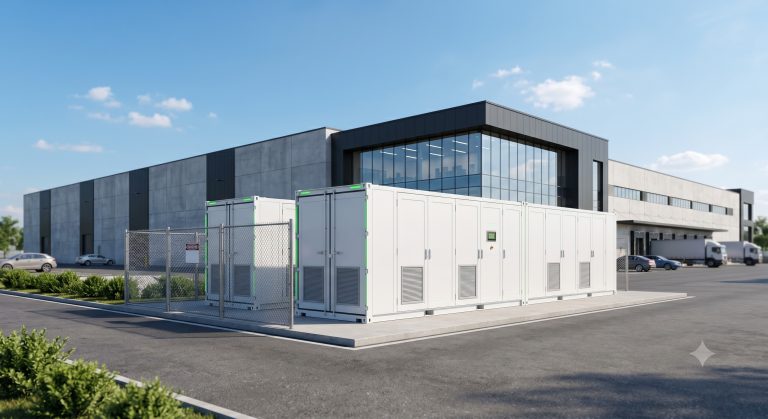
The versatility of megawatt lithium battery storage enables diverse deployment scenarios. In industrial parks, it facilitates energy independence by integrating with on-site solar PV to create a resilient micro-grid. For EV supercharging stations, the PV-Storage-Charging model buffers the grid from high-power pulses, reducing demand charges and enabling faster charging speeds. Data centers leverage megawatt lithium battery storage for UPS backup and peak shaving, ensuring uptime while reducing carbon footprint.

Whether replacing diesel gensets or enabling zero-carbon migration, the modular nature of megawatt lithium battery storage allows for scalable expansion—from 500kW to 10MW+—without major infrastructure overhaul. This adaptability is crucial for facilities with evolving energy needs.
Conclusion: Strategic Sourcing for a Resilient Energy Future
Investing in megawatt lithium battery storage is a strategic decision that impacts operational resilience, sustainability, and bottom-line profitability. By prioritizing Tier-1 LFP cells, liquid cooling, and compliance with IEC 62619 and UL 9540, B2B buyers can mitigate risks and maximize ROI. As grid instability and electricity costs rise, the megawatt lithium battery storage system will become an indispensable asset for commercial and industrial facilities worldwide. Engage with reputable suppliers who provide transparent technical data, robust warranties, and proven deployment experience to ensure your project’s success.