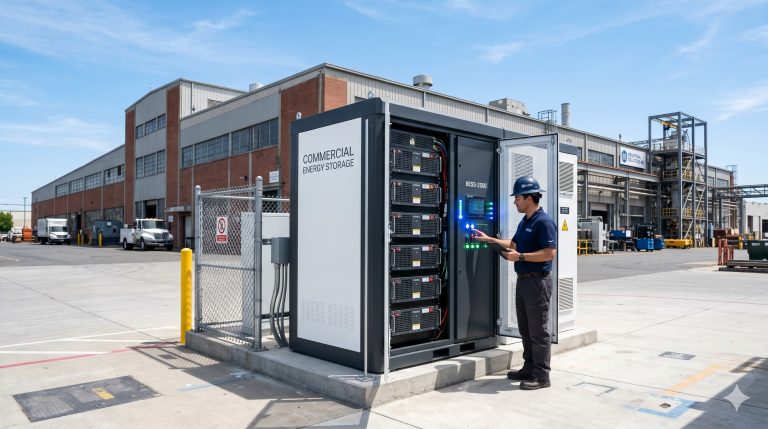
Introduction: The Deep Cycle Paradigm in Commercial Energy Storage
In the rapidly evolving landscape of Commercial & Industrial (C&I) energy storage, BESS deep cycle technology has emerged as the definitive benchmark for maximizing asset utilization and return on investment. Unlike shallow-cycle applications designed for momentary grid support, deep cycle Battery Energy Storage Systems are engineered to repeatedly discharge to a significant Depth of Discharge (DoD)—typically 80% to 95%—without compromising the system’s structural integrity or electrochemical longevity. For B2B facility managers, EPC contractors, and energy investors, understanding the intricate interplay between Tier-1 LFP cell metrics, advanced Liquid Cooling thermal control, and bi-directional PCS integration is not merely a technical exercise; it is a prerequisite for bankable project finance.
As grid instability increases and industrial electricity tariffs become more dynamic, the ability to cycle a BESS deeply and rapidly directly correlates to peak-shaving revenue, demand charge mitigation, and Virtual Power Plant (VPP) dispatch readiness. This technical deep dive, grounded in 15 years of system architecture experience, dissects the engineering and commercial imperatives of deploying deep cycle technology in MWh-scale C&I environments, adhering to stringent global standards including IEC 62619, UL 9540, CE, and UN38.3.
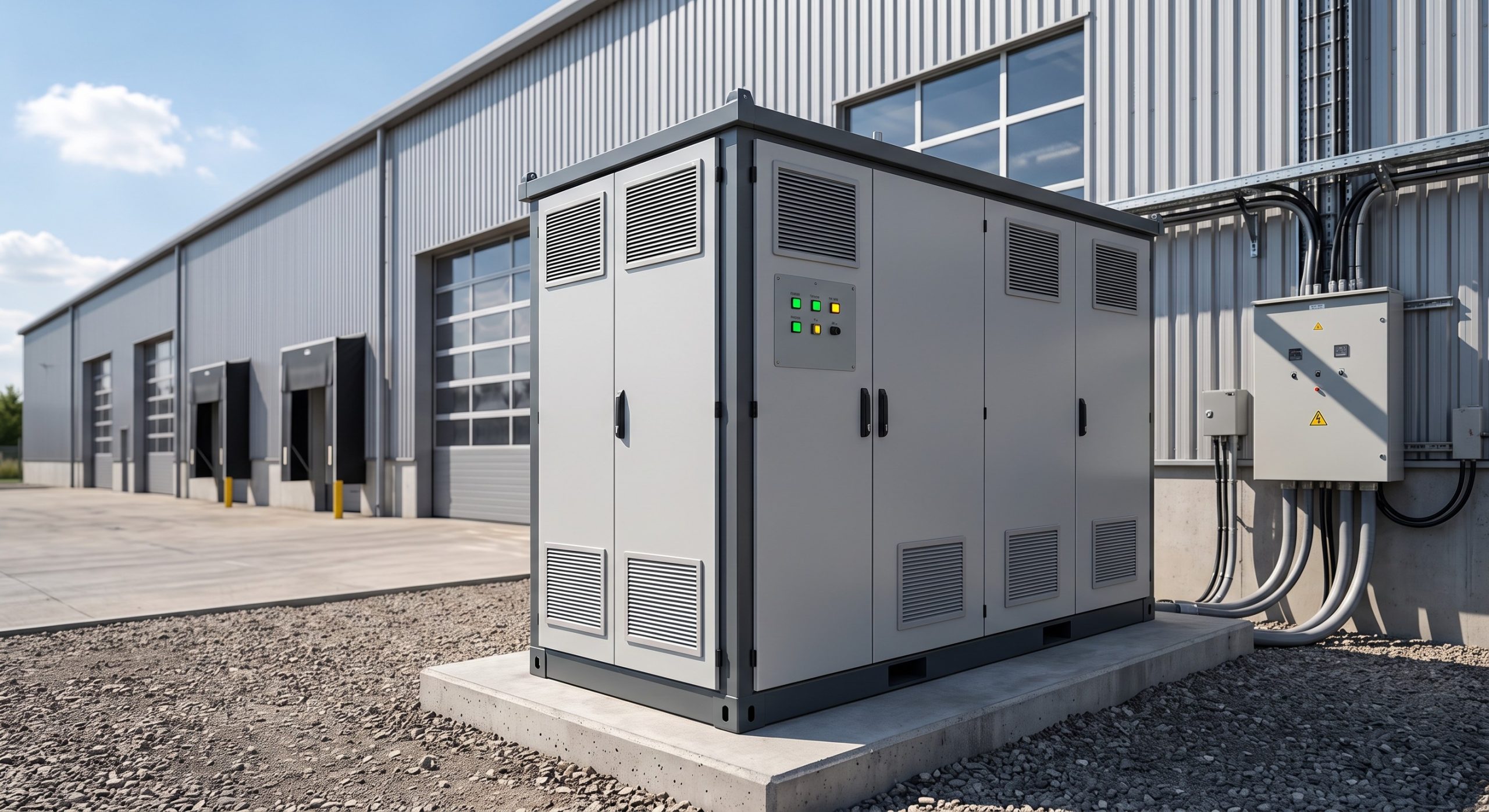
Core Architecture: Tier-1 LFP Chemistry and BMS Precision
The Electrochemical Foundation: LFP vs. NMC in Deep Cycle Regimes
At the heart of any robust deep cycle BESS lies the battery chemistry. While Nickel Manganese Cobalt (NMC) offers higher nominal voltage, Tier-1 Lithium Iron Phosphate (LFP) cells have become the undisputed choice for high-cycle C&I applications. The olivine crystal structure of LFP provides exceptional thermal stability and a significantly longer cycle life, routinely exceeding 8,000 cycles at 90% DoD under standard test conditions. This chemical resilience directly translates to a lower Levelized Cost of Storage (LCOS). In our architectural reviews, we mandate LFP cells from Tier-1 manufacturers that demonstrate a capacity retention of ≥80% after 6,000 full-depth cycles, validated via accelerated aging tests per IEC 62619.
BMS and Active Balancing for Deep Discharge Stability
A deep cycle regimen imposes immense stress on cell consistency. As the battery approaches the lower voltage cutoff, even minor imbalances between cells can trigger premature system shutdown or accelerate degradation of the weakest cell. Therefore, an advanced Battery Management System (BMS) with active balancing capability is non-negotiable. Unlike passive balancing, which dissipates excess energy as heat, active balancing transfers charge between cells, ensuring every cell reaches the target DoD simultaneously. This precision extends pack lifespan by mitigating the ‘cask effect’. The BMS must also provide State of Charge (SoC) and State of Health (SoH) accuracy within ±3%, enabling the Energy Management System (EMS) to make intelligent dispatch decisions for peak shaving and demand response without risking over-discharge.
Liquid Cooling Thermal Control: The Enabler of High C-Rates
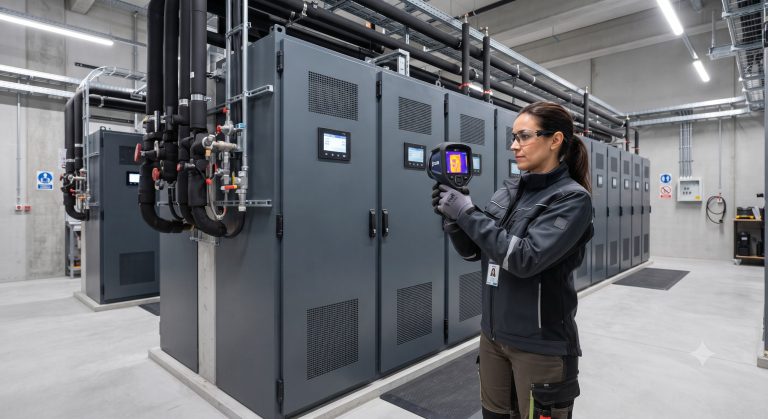
Deep cycling inherently generates substantial internal heat. Traditional air-cooling is often insufficient to manage the thermal load during rapid 1C or 2C discharge pulses required for frequency regulation. Liquid Cooling thermal control systems circulate a glycol-water mixture through cold plates integrated into the battery modules. This architecture maintains cell-to-cell temperature differentials below 3°C and keeps the maximum cell temperature under 35°C, even in ambient conditions exceeding 45°C. By homogenizing temperature, liquid cooling directly mitigates the Arrhenius degradation effect, effectively doubling the operational life of the BESS compared to air-cooled equivalents in high-throughput scenarios. The integration of the liquid cooling loop with the Power Conversion System (PCS) thermal management ensures a compact, containerized footprint with an overall Round-trip efficiency (RTE) of ≥92% at the point of interconnection.
Technical Specifications: Engineering the Deep Cycle BESS
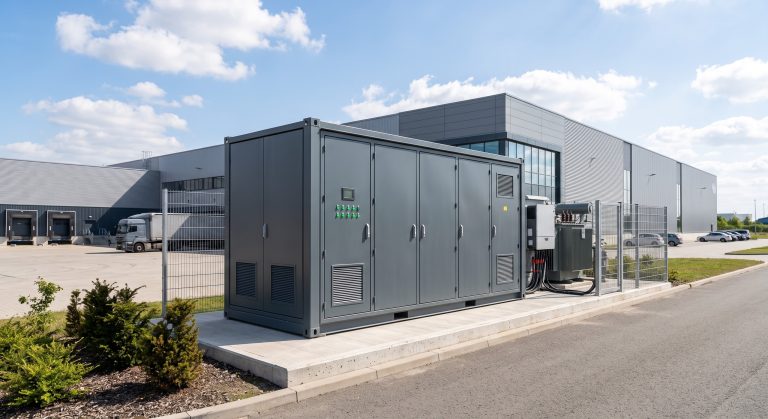
The following specification ledger represents a typical 1MW/2MWh C&I BESS deep cycle cabinet architecture designed for high-throughput, outdoor deployment. These parameters serve as a baseline for procurement and system integration, ensuring compliance with UL 9540 and UN38.3 for safe transport and installation.
| Key Parameter | Technical Specification |
|---|---|
| Battery Chemistry | Tier-1 LFP (Lithium Iron Phosphate) |
| Nominal System Capacity | 2,000 kWh (2 MWh) per container |
| Usable Capacity (at 90% DoD) | 1,800 kWh |
| Cycle Life | >8,000 cycles @ 90% DoD, 25°C, EOL 80% |
| Round-trip Efficiency (RTE) | ≥ 92% at 0.5C, including auxiliary loads |
| Depth of Discharge (DoD) | 95% maximum (recommended 90% for optimal longevity) |
| Thermal Management | Liquid Cooling (Glycol-Water), cell ΔT < 3°C |
| Cooling System Power | < 3% of rated capacity during peak cooling |
| PCS Topology | Bi-directional, 3-level IGBT, 1,000V DC input |
| Grid Compliance | IEEE 1547, UL 1741 SA, IEC 62477 |
| Safety Standards | UL 9540, IEC 62619, UN38.3, CE |
| Communication Protocol | Modbus TCP/IP, IEC 61850, CAN 2.0B |
| Operating Temperature | -20°C to +55°C (derated above 45°C) |
| Enclosure Rating | IP54 (outdoor containerized) |
| Fire Suppression | Aerosol + Perfluorohexanone (Novec 1230) multi-level |
Commercial ROI & Grid Support: The Economics of Deep Cycling
Peak Shaving and Demand Charge Mitigation
The primary revenue driver for deep cycle BESS in C&I is peak shaving. By discharging during the facility’s highest 15-minute demand intervals, the system artificially caps the load curve, reducing the monthly demand charge—often the most significant component of an industrial electricity bill. A deep cycle system with 90% DoD can utilize nearly the entirety of its nameplate capacity for shaving, whereas a shallow-cycle system might only access 50-60%. This 30-40% delta in usable energy directly accelerates the payback period, often reducing it from 7 years to under 5 years in regions with high demand charges (e.g., >$20/kW).
Frequency Regulation and VPP Readiness
Beyond peak shaving, deep cycle BESS assets are prime candidates for frequency regulation markets. The ability to rapidly switch from full discharge to full charge (bi-directional PCS capability) allows the system to capture high-value ancillary service payments. With liquid cooling ensuring thermal stability during rapid cycling, the system can perform thousands of shallow micro-cycles per day without degrading the LFP cells. Furthermore, VPP readiness allows aggregators to pool these distributed assets, bidding them into wholesale markets. This creates a stacked revenue stream: demand charge savings + energy arbitrage + ancillary services, fundamentally altering the project’s Internal Rate of Return (IRR).
LCOE and Total Cost of Ownership (TCO) Analysis
When evaluating BESS deep cycle technology, the upfront CapEx is only part of the equation. The Total Cost of Ownership (TCO) must account for round-trip efficiency, auxiliary power consumption (primarily thermal management), and replacement costs. A system with 92% RTE and 8,000 cycle life will deliver a significantly lower LCOS than a cheaper, air-cooled alternative with 85% RTE and 4,000 cycle life. The liquid cooling system, while adding initial cost, reduces the parasitic load and extends the calendar life, pushing the augmentation event beyond the 10-year mark. For B2B investors, the metric to watch is $/kWh-cycled, not just $/kWh installed.
Deployment Scenarios: From Industrial Parks to EV Supercharging
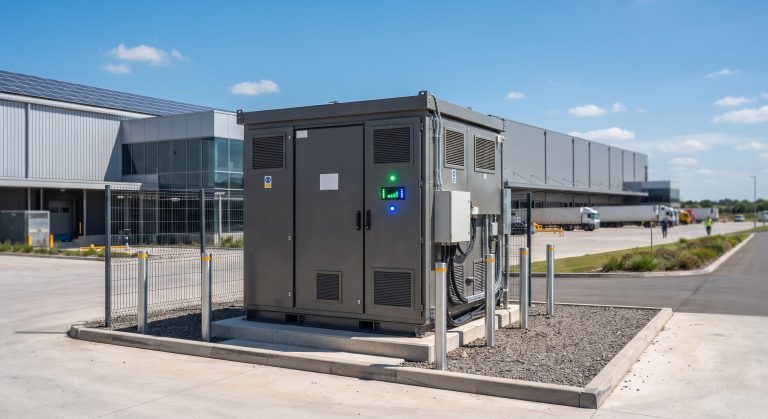
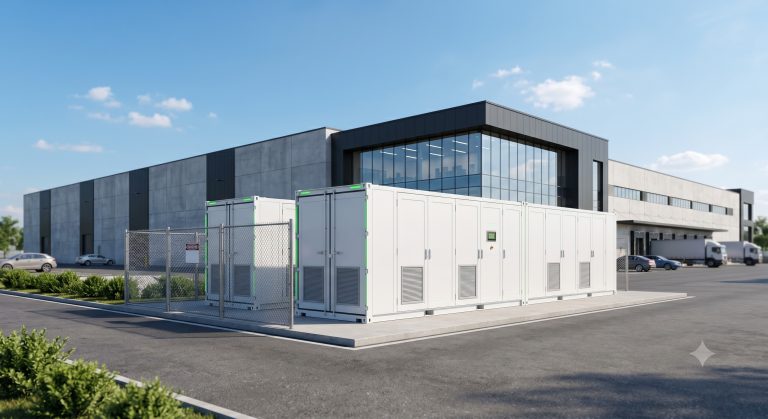
The versatility of containerized deep cycle BESS enables a multitude of deployment scenarios. In industrial parks, these systems are integrated behind the meter to manage transformer capacity limits, avoiding costly upgrades. When coupled with rooftop solar, the BESS stores excess generation for evening peak shaving, creating a micro-grid capable of seamless islanding during grid outages. The UL 9540 listing ensures that the system meets rigorous fire safety and electrical codes, facilitating permitting and insurance approval.
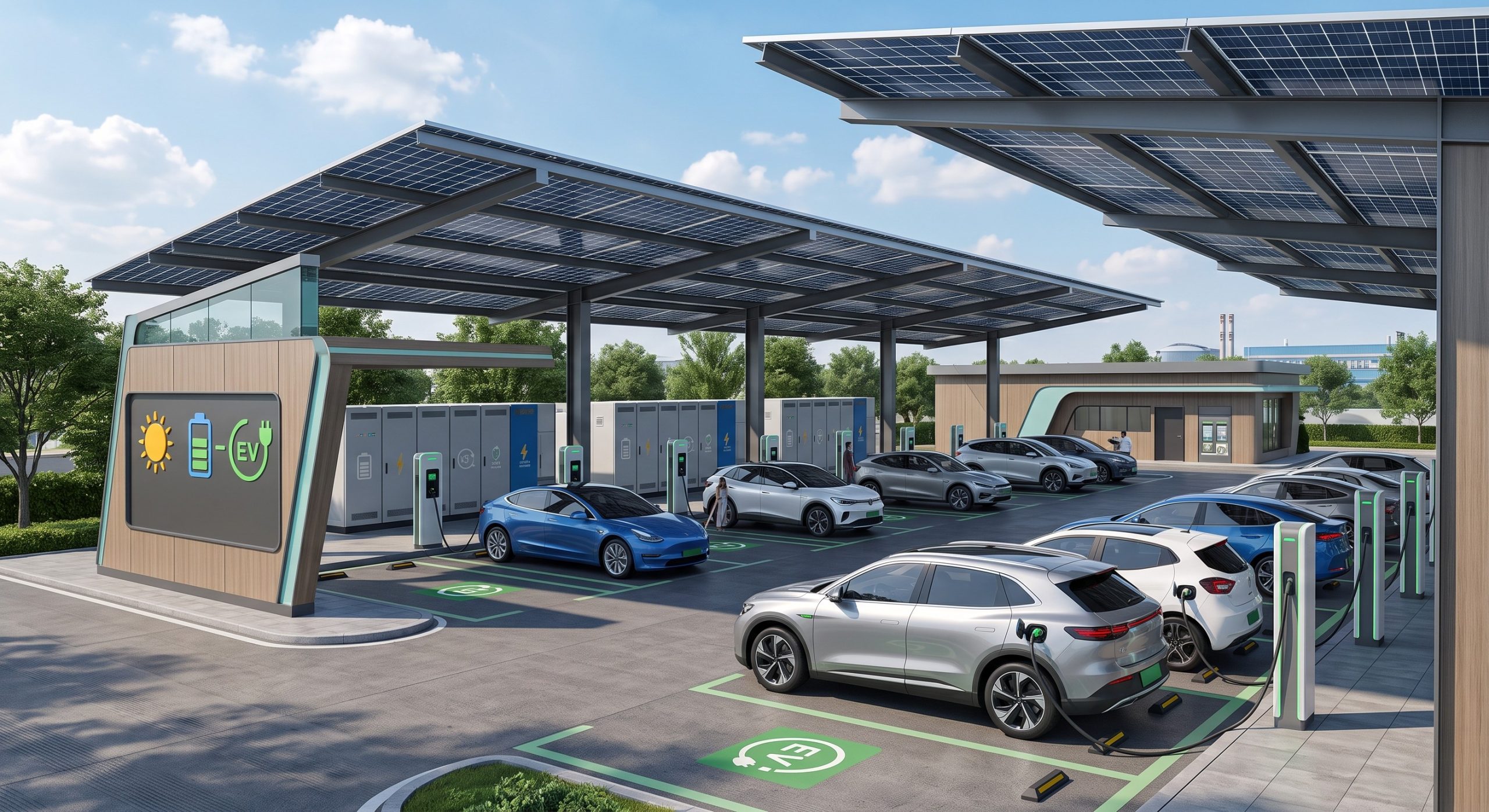
In the EV supercharging arena, deep cycle BESS acts as a buffer to mitigate the high-power demands of 350kW+ chargers. By discharging to support the grid during a vehicle’s charge session, the system avoids expensive utility upgrades and demand spikes. The synergy between PV-Storage-Charging (光储充) is particularly potent; the BESS smooths the intermittent solar output and shifts it to peak charging hours, maximizing renewable utilization and reducing the site’s carbon footprint. The ability to deep cycle daily is critical here, as the system must be ready to buffer multiple high-power charging events throughout the day.
Conclusion: Engineering Bankability through Deep Cycle Excellence
Deploying BESS deep cycle technology is a strategic decision that hinges on a holistic understanding of electrochemistry, thermal dynamics, and market economics. By selecting Tier-1 LFP cells, integrating an advanced active balancing BMS, and specifying liquid cooling thermal control, B2B stakeholders can unlock the full revenue potential of their energy storage assets. Compliance with IEC 62619, UL 9540, CE, and UN38.3 is not merely a regulatory checkbox but a testament to the system’s safety and reliability. As the C&I energy landscape shifts towards decentralization and decarbonization, the ability to cycle deeply, efficiently, and safely will define the winners in the race to zero-carbon operations. For procurement teams and system architects, the mandate is clear: prioritize deep cycle capability, demand liquid cooling, and validate every metric against real-world load profiles to ensure a resilient, profitable, and sustainable energy future.