UL 9540 & IEC 62619 TECHNICAL COMPLIANCE REGISTER: CONTAINER ENERGY STORAGE MARITIME TRANSPORT CERTIFICATE
FACTORY INFRASTRUCTURE OBJECTIVES
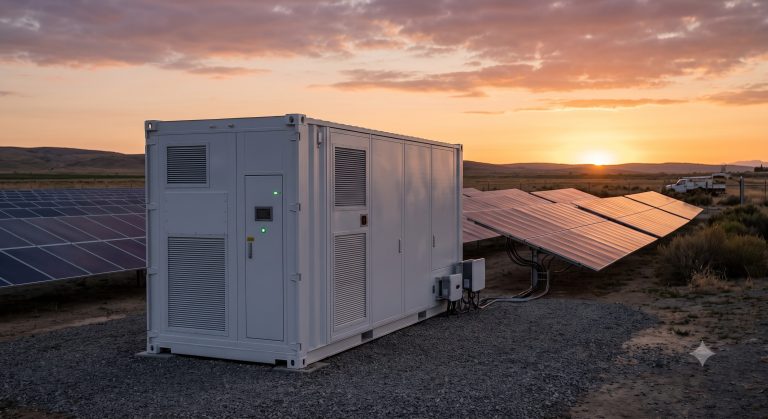
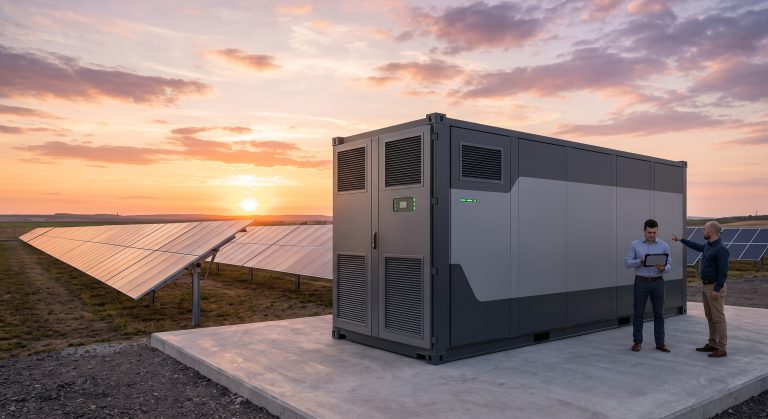
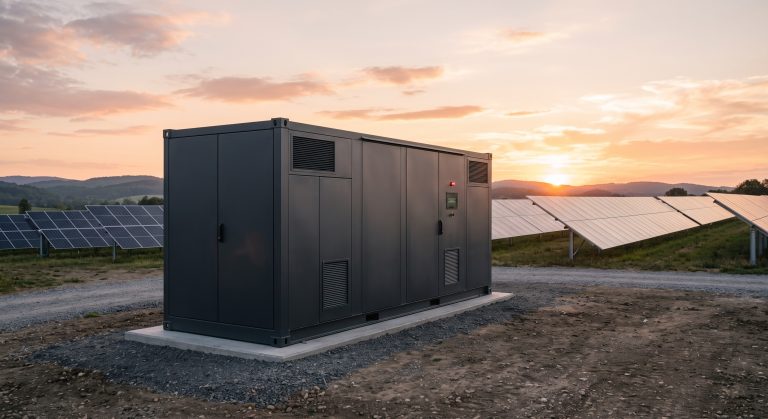
The container energy storage maritime transport certificate represents a critical compliance artifact for global deployment of containerized battery energy storage systems (BESS). This document serves as the authoritative technical register for OEMs, EPCs, and asset owners requiring verified maritime transport certification for MWh-scale liquid-cooled storage platforms. The certificate validates that the containerized ESS meets international maritime dangerous goods (IMDG) code requirements, UN 38.3 transport testing protocols, and IEC 62619 industrial battery safety standards. It ensures seamless port-to-site logistics, reduces insurance premiums, and accelerates grid interconnection timelines by pre-validating transport safety for lithium iron phosphate (LFP) chemistry.
HIGH-DURABILITY ARBITRAGE ARCHITECTURE
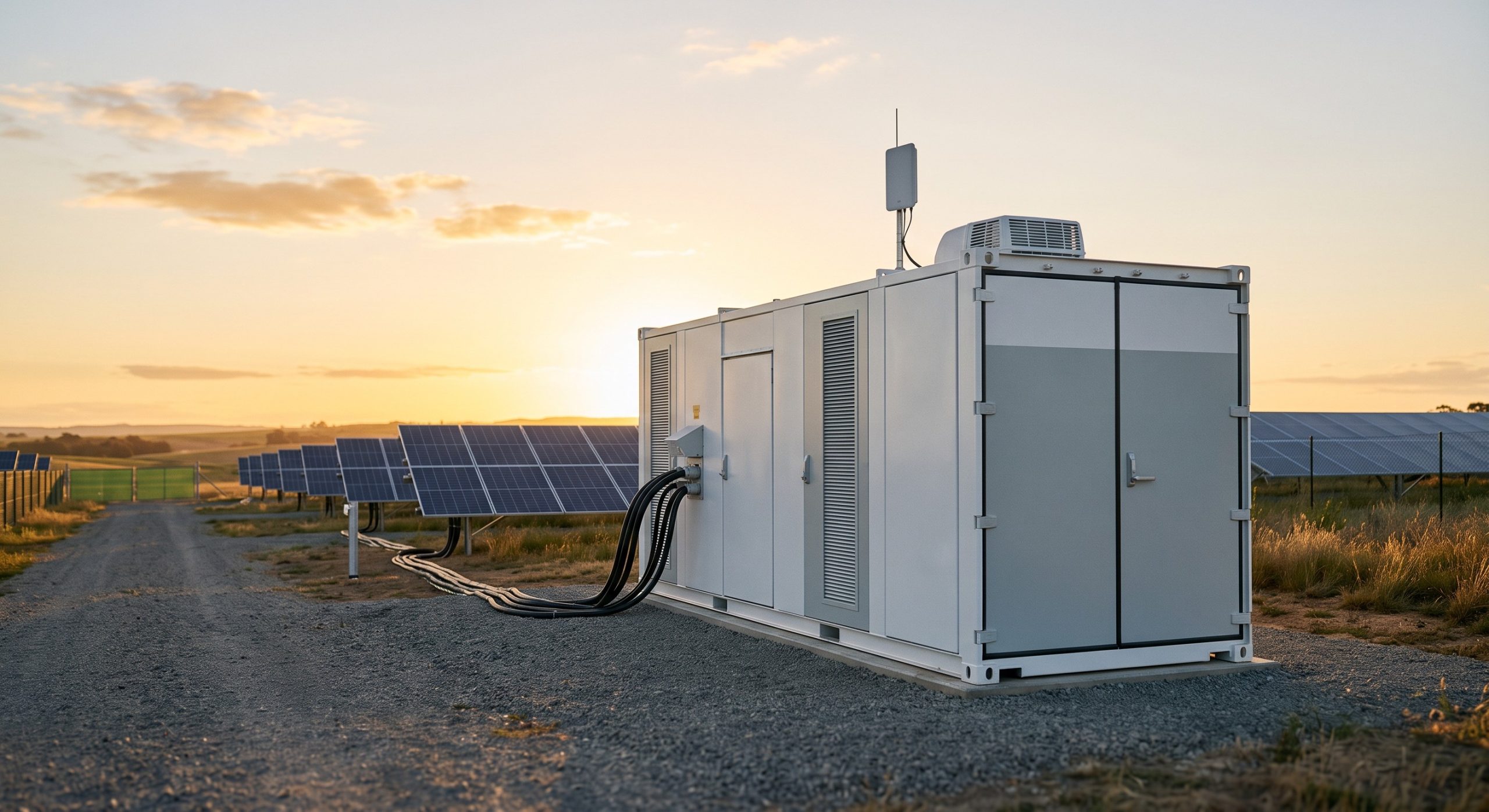
The containerized BESS platform integrates Tier-1 LFP cells within a reinforced ISO 1496-1 certified maritime chassis. The architecture features a dual-layer isolation system: a structural steel outer container with IP55 environmental protection and an internal fire-resistant compartment rated to UL 9540A cell-level thermal runaway propagation resistance. The DC busbar system is configured for 1500V nominal operation, supporting parallel expansion up to 20 units without derating. The maritime transport certificate specifically validates the container’s structural integrity under dynamic sea-state loading conditions (IMO CSS Code Annex 13), vibration profiles per IEC 60068-2-6, and salt-spray corrosion resistance per ISO 9227. This enables direct port-to-pad deployment without repackaging or on-site revalidation.
ANTI-RUNAWAY FEATURES
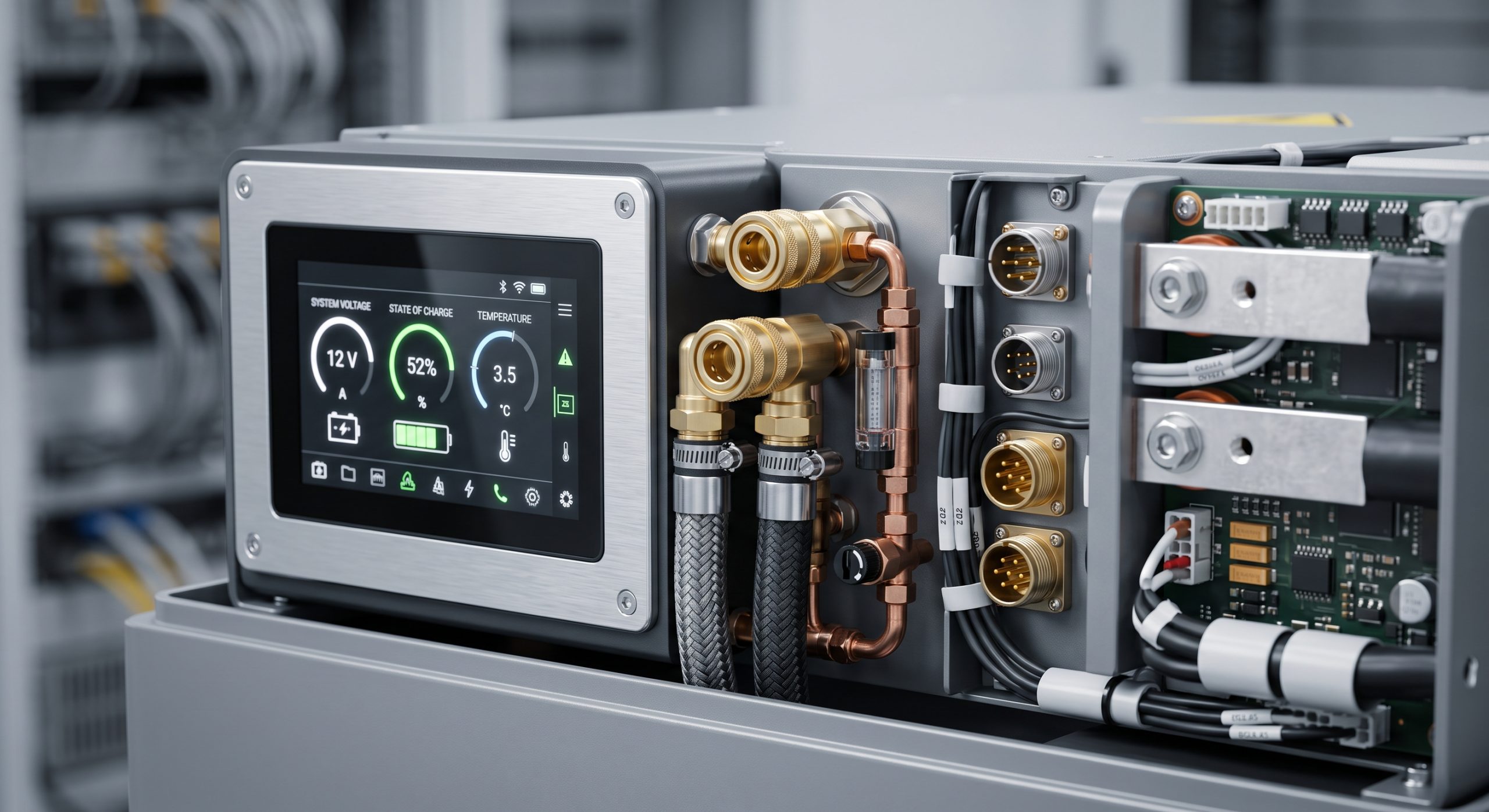
The system employs a multi-level thermal runaway suppression engine. At the cell level, LFP chemistry provides an intrinsic thermal stability threshold exceeding 270°C. At the module level, aerogel insulation barriers and directional venting channels isolate propagating events. At the container level, an integrated clean-agent fire suppression system (Novec 1230 or equivalent) activates via multi-spectrum detectors (VOC, smoke, and temperature rate-of-rise). The maritime transport certificate includes verification of these systems under UN 38.3 T6 (impact), T7 (overcharge), and T8 (forced discharge) test regimes, ensuring that transport conditions do not compromise safety integrity.
COMPREHENSIVE SPECS
The following specification matrix represents the certified configuration covered by the maritime transport certificate.
| Parameter | Specification |
|---|---|
| Product Classification | Containerized Liquid-Cooled BESS |
| Nominal Capacity | 3.72 MWh (typical certified configuration) |
| DC Voltage Range | 1000V – 1500V |
| Cell Chemistry | Tier-1 LFP (Lithium Iron Phosphate) |
| Cooling Method | Smart Liquid Cooling (50% glycol-water) |
| Container Standard | ISO 1496-1, 20ft / 40ft HC |
| Ingress Protection | IP55 (external), IP67 (module level) |
| Fire Suppression | Novec 1230 / Aerosol Hybrid |
| Thermal Runaway Rating | UL 9540A Cell-Level Pass |
| Transport Certification | UN 38.3, IMDG SP 188/230 |
| Vibration Resistance | IEC 60068-2-6, 5-150 Hz |
| Salt Spray Resistance | ISO 9227, 720 hours |
| Operating Temperature | -30°C to +55°C |
| Cycle Life | ≥ 8000 cycles @ 0.5C, 25°C, 80% DOD |
| Warranty | 10 years / 25 MWh throughput |
| Certificate Validity | 24 months (subject to annual audit) |
REGULATORY DIRECTIVES
This container energy storage maritime transport certificate is issued in accordance with the following international directives and standards:
– IMDG Code Special Provision 188 and 230 (lithium battery transport)
– UN Manual of Tests and Criteria, Part III, Sub-section 38.3
– IEC 62619:2022 (secondary lithium cells and batteries for industrial applications)
– UL 9540:2023 (energy storage systems and equipment)
– UL 9540A:2019 (test method for evaluating thermal runaway fire propagation)
– IEC 62933-5-2:2020 (grid-integrated ESS safety requirements)
– ISO 1496-1:2013 (series 1 freight containers – specification and testing)
– IMO CSS Code Annex 13 (cargo securing manual for container ships)
– SOLAS Chapter II-2/19 (dangerous goods carriage)
– EN 45545-2:2020 (fire protection of railway vehicles – applicable for intermodal transport)
The certificate is valid for a 24-month period from date of issuance, subject to annual surveillance audits of the manufacturing quality management system (ISO 9001:2015) and product conformity (ISO/IEC 17067).
C&I TOPOLOGY
The certified containerized ESS is engineered for commercial and industrial (C&I) micro-grid topologies. Typical deployment includes a 2-4 MWh pad configuration with a 1500V DC busbar, bi-directional PCS interfacing at 400-690V AC, and an EMS layer supporting peak shaving, demand response, and renewable smoothing. The maritime transport certificate enables direct import to project sites in Southeast Asia, the Middle East, Europe, and the Americas without port-level re-certification. The container’s corner castings are certified for standard twist-lock handling, and the internal racking system is shock-isolated to maintain cell compression integrity during ocean transit.
📥 Download Technical Specification
Click the button below to view or download the full official PDF datasheet.