Introduction
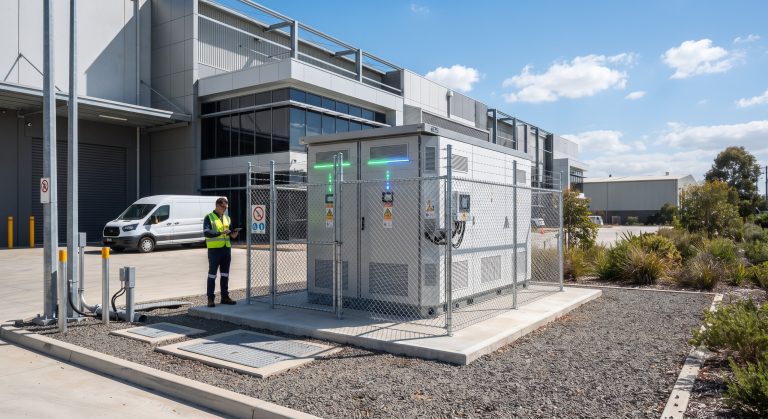
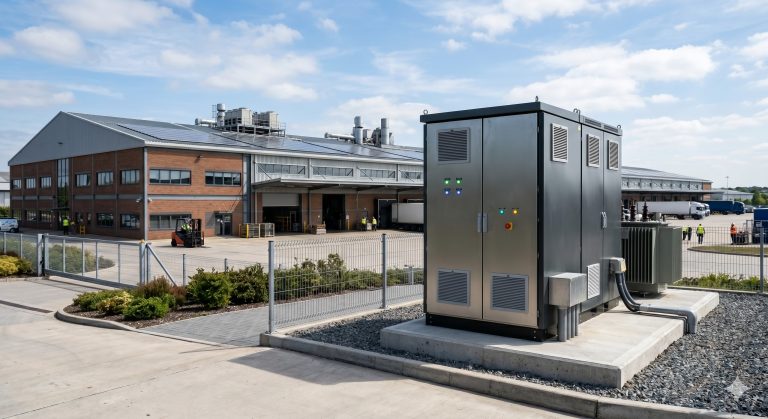
The commercial and industrial (C&I) energy landscape is undergoing a seismic shift. As utilities phase out traditional baseload generation and industrial electricity tariffs become increasingly volatile, Future of B2B Energy Storage has emerged as the cornerstone of enterprise energy resilience. No longer a mere backup asset, modern Battery Energy Storage Systems (BESS) are dynamic revenue-generating instruments capable of peak shaving, demand response, and seamless renewable integration. This guide dissects the architectural, economic, and regulatory dimensions of deploying MWh-scale storage in commercial environments.
Core Architecture & Battery Management
PCS & BMS Integration
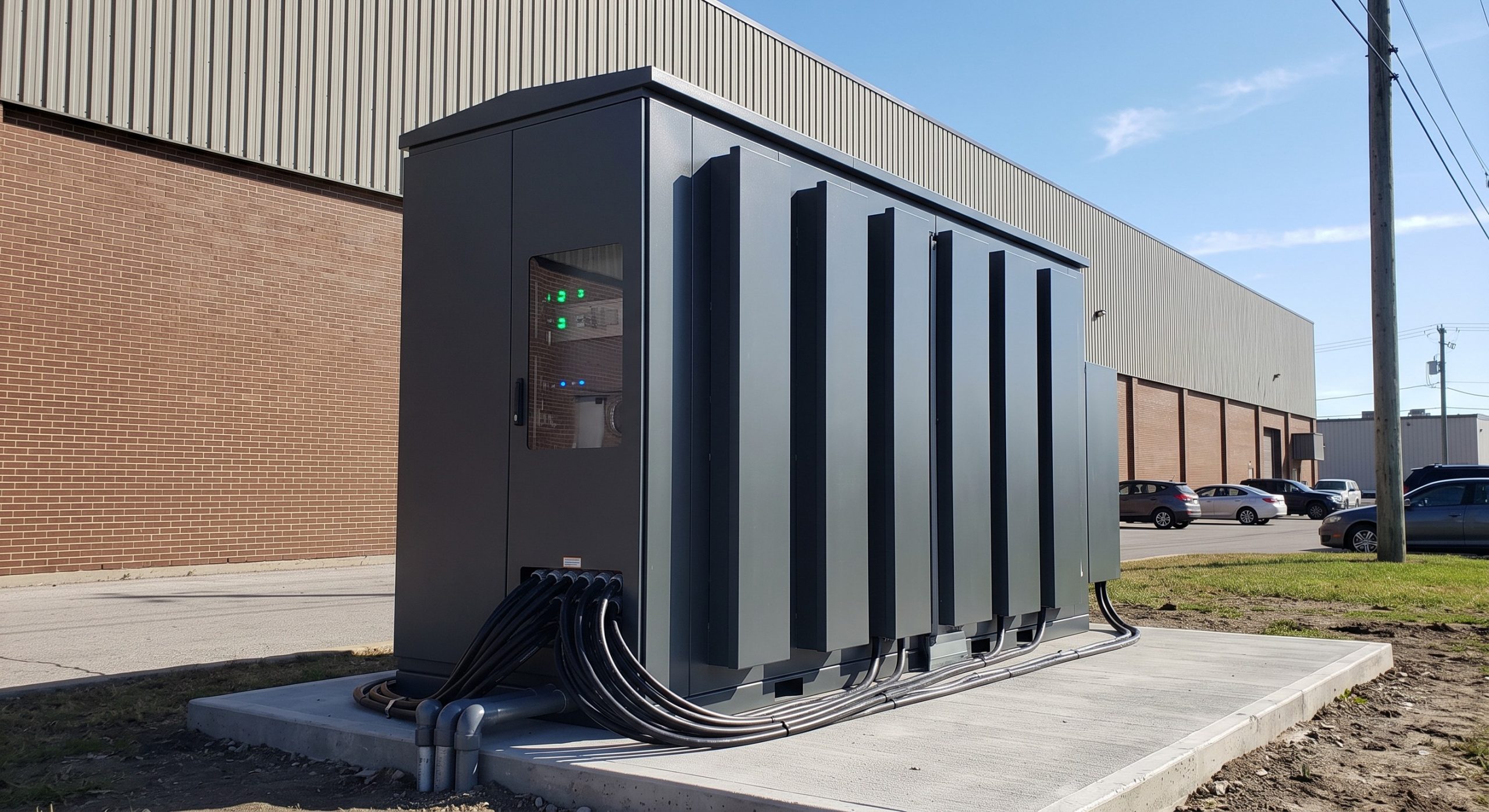
At the heart of any high-performance C&I system lies the symbiotic relationship between the Power Conversion System (PCS) and the Battery Management System (BMS). Tier-1 systems utilize bi-directional PCS units with efficiency ratings exceeding 98.5%, enabling rapid grid synchronization and seamless transition between grid-tied and island modes. The BMS employs advanced algorithms for active cell balancing, ensuring that individual cell voltages remain within ±20mV, thereby maximizing usable capacity and mitigating degradation.
Modern architectures prioritize liquid cooling thermal control over traditional air cooling. Liquid cooling maintains cell temperatures within a narrow band of ±2°C, drastically reducing thermal runaway risks and extending operational lifespan. This is critical when deploying high-density LFP (Lithium Iron Phosphate) cells, which, while chemically stable, require precise thermal management to maintain optimal Round-trip efficiency (RTE) of 90% or higher.
Technical Specifications
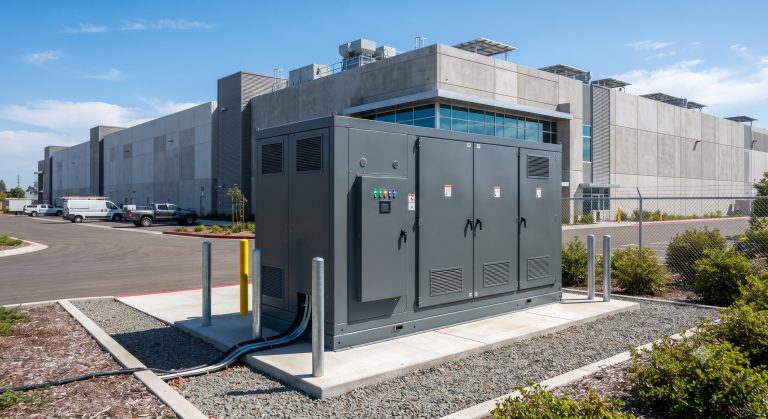
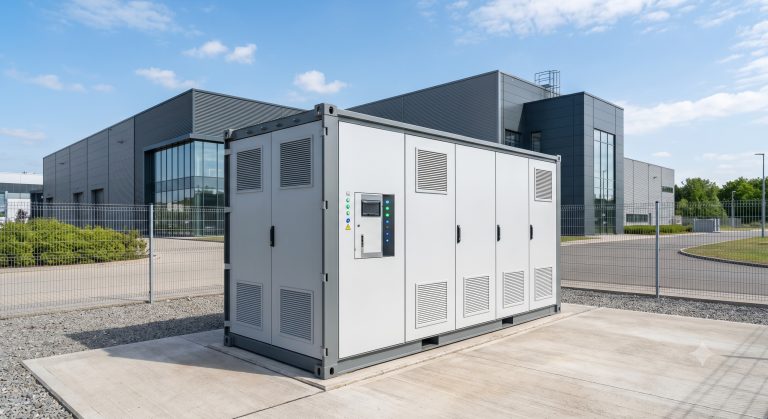
Evaluating hardware requires a granular understanding of key performance indicators. The following table outlines the benchmark specifications for a typical 1MW/2MWh commercial cabinet. These metrics are pivotal for calculating Levelized Cost of Storage (LCOS) and ensuring compliance with international safety standards.
| Key Parameter | Technical Specification |
|---|---|
| Battery Chemistry | Tier-1 LFP (Lithium Iron Phosphate) |
| System Capacity | 1 MW / 2.15 MWh (Configurable to MWh scale) |
| Cycle Life | >8,000 cycles @ 90% DoD, 25°C |
| Round-trip Efficiency | ≥ 90% (DC-DC), ≥ 88% (AC-AC) |
| Depth of Discharge (DoD) | 95% Maximum |
| Thermal Management | Liquid Cooling (Intelligent Thermal Control) |
| Communication Protocol | Modbus TCP/IP, IEC 61850 |
| Safety Standards | IEC 62619, UL 9540, UL 9540A, UN38.3, CE |
| Operating Temperature | -20°C to +55°C (Derated above 45°C) |
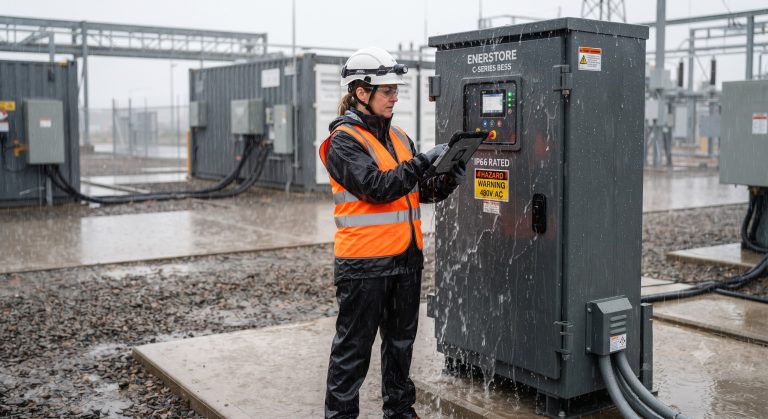
| Protection Rating | IP54 (Cabinet), IP67 (Modules) |
Safety & Compliance Standards
Compliance is non-negotiable. Systems must adhere to IEC 62619 for industrial battery safety, UL 9540 for energy storage system integration, and UN38.3 for transport safety. Furthermore, CE marking ensures adherence to European health, safety, and environmental protection standards, while UL 9540A fire testing validates the system’s ability to prevent thermal runaway propagation.
Commercial ROI & Grid Support
Maximizing Peak Shaving ROI
The primary economic driver for C&I storage is peak shaving. By discharging during high-tariff periods and charging during low-tariff windows, facilities can reduce demand charges by up to 40%. A well-designed system utilizes smart EMS (Energy Management System) dispatch to predict load curves and optimize arbitrage opportunities.
Demand Response & VPP Readiness
Beyond static peak shaving, Future of B2B Energy Storage systems are inherently VPP-ready. They provide fast frequency regulation (response time <100ms) and voltage support, enabling commercial entities to participate in ancillary service markets. This transforms storage from a cost-center into a profit-center, generating additional revenue streams through utility incentive programs.
Deployment Scenarios
Industrial Park Energy Independence
In industrial parks, modular storage cabinets are deployed in parallel to create micro-grids. These systems integrate seamlessly with existing diesel generators, eventually phasing them out to achieve zero-carbon operations. The modularity allows for N+1 redundancy, ensuring critical processes remain uninterrupted during grid outages.
PV-Storage-Charging Synergy
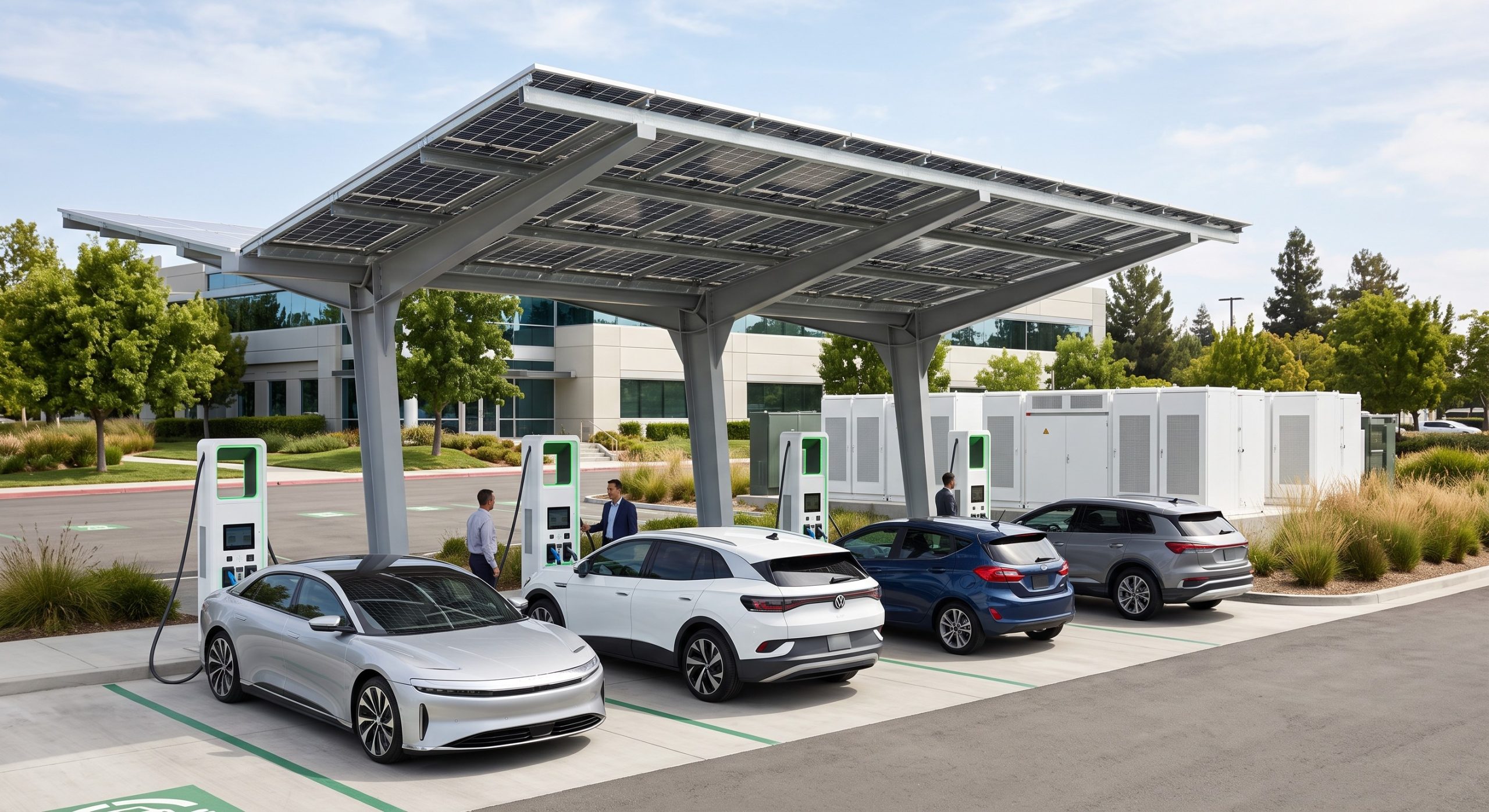
The integration of solar canopies, storage, and EV superchargers represents the pinnacle of commercial energy strategy. Storage buffers the intermittent nature of solar PV, ensuring that high-power EV chargers (350kW+) receive a stable, high-capacity feed without triggering demand spikes. This synergy is essential for fleet operators and retail centers looking to future-proof their infrastructure.
Conclusion
The Future of B2B Energy Storage is defined by intelligence, safety, and economic viability. As grid instability grows and carbon regulations tighten, deploying a Tier-1, liquid-cooled, LFP-based BESS is no longer optional—it is a strategic imperative. By leveraging advanced BMS, VPP capabilities, and turnkey micro-grid architectures, commercial enterprises can secure their energy independence while unlocking significant financial returns.