Introduction: The Economic Imperative of Energy Storage Tax Incentives
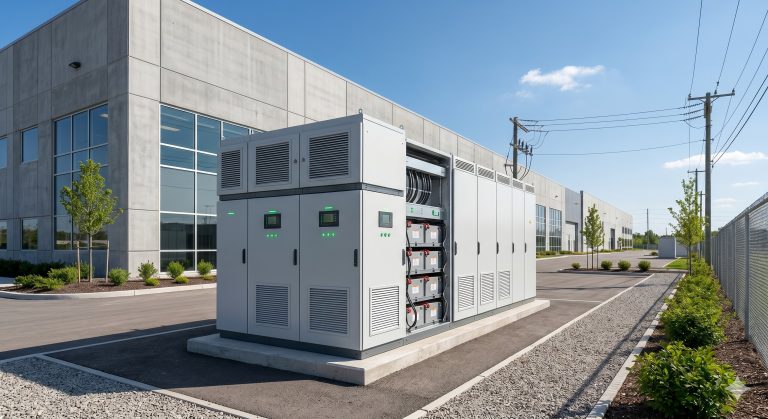
For B2B decision-makers in the Commercial & Industrial (C&I) sector, the volatility of energy markets and the pressure to meet decarbonization targets are creating unprecedented operational challenges. The strategic deployment of commercial energy storage systems (CESS) is no longer just a sustainability choice but a financial necessity. However, the high capital expenditure (CapEx) associated with BESS wholesale procurement and integration often presents a significant barrier. This is where a deep understanding of Energy storage tax incentives B2B becomes the cornerstone of a profitable energy strategy. These incentives, including the Investment Tax Credit (ITC) and accelerated depreciation, can drastically alter the Levelized Cost of Energy (LCOE) and improve the return on investment (ROI) for C&I battery storage projects. This guide provides a system architect’s perspective on navigating these financial mechanisms alongside the technical architecture required to maximize asset value.
Core Architecture: Power Conversion and Battery Management
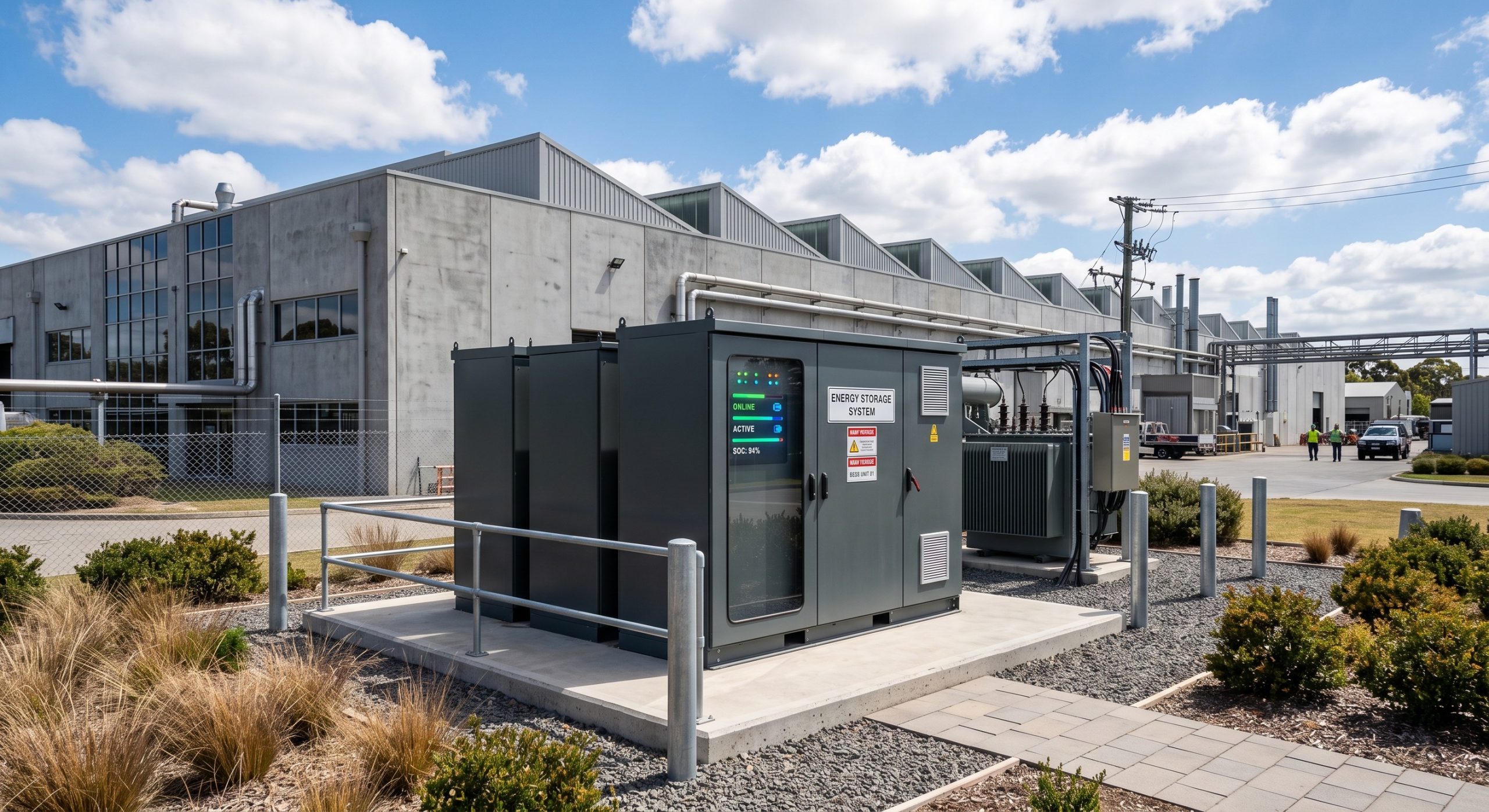
The technical foundation of any high-performing C&I storage solution lies in the seamless integration of its core components. A robust Battery Energy Storage System (BESS) is built around three primary pillars: the battery pack, the power conversion system (PCS), and the battery management system (BMS).
Power Conversion System (PCS) Integration
The PCS acts as the bi-directional brain of the system, converting AC to DC for charging and DC to AC for grid discharge. For modern liquid cooling thermal control systems, the PCS must be designed to handle high power densities while maintaining efficiency. Advanced PCS units now feature multi-level topologies that ensure round-trip efficiency of over 98%, a critical metric for peak-shaving and demand response applications. When integrating PV-storage-charging synergy, the PCS must also manage variable input from solar canopies and the high-demand pulses from EV superchargers, requiring intelligent dispatch algorithms within the smart EMS dispatch framework.
Battery Management System (BMS) and Thermal Control
The BMS is the safety and performance sentinel of the energy storage system. It monitors cell voltage, temperature, and state of charge to prevent thermal runaway. Modern BMS units incorporate cell balancing to ensure uniform aging across all cells, thereby extending the system’s cycle life beyond 8,000 cycles at a 90% Depth of Discharge (DoD). A critical differentiator in system architecture is the cooling technology. While air cooling is cost-effective for smaller systems, liquid cooling thermal control is becoming the industry standard for high-capacity MWh-scale deployments. It offers superior temperature uniformity, which directly impacts battery degradation and longevity, ensuring stable performance in demanding industrial environments. This efficiency is vital for optimizing LCOE and maintaining the performance warranties required for financing incentive-backed projects.
Technical Specifications: A System Architect’s Ledger
To qualify for specific Energy storage tax incentives B2B, systems must meet rigorous safety and performance standards. The following specifications are not just technical details; they are benchmarks for compliance and financial viability.
| Key Parameter | Technical Specification |
|---|---|
| Battery Chemistry | Tier-1 LFP (Lithium Iron Phosphate) |
| Cycle Life | >8000 cycles @ 90% DoD |
| Round-trip Efficiency | >98% (DC to AC) |
| Cooling Method | Liquid Cooling / Air Cooling (Optional) |
| Safety Certifications | UL 9540, IEC 62619, UN38.3 |
| Nominal Voltage | 768V – 1500V DC |
| Degree of Protection | IP54 / IP55 (Indoor/Outdoor) |
| Communication Protocol | Modbus TCP/IP, CAN, IEC 61850 |
Safety and Compliance Standards
Compliance with international standards is non-negotiable for both insurance and incentive qualification. Key certifications include UL 9540 for system safety, IEC 62619 for industrial battery safety, and UN38.3 for transportation. These certifications provide the necessary risk mitigation data for underwriters and are often prerequisites for grid interconnection agreements. Furthermore, the adoption of Tier-1 LFP cells is preferred not only for their inherent thermal stability and safety but also because their long calendar life aligns perfectly with the depreciation schedules often tied to tax credits, maximizing the financial benefits over the asset’s lifetime.
Commercial ROI and Grid Support: Calculating the Incentive Advantage
The financial case for C&I storage hinges on a total cost of ownership (TCO) analysis that incorporates CapEx, OpEx, and revenue streams. Energy storage tax incentives B2B, particularly the ITC, allow businesses to deduct a significant percentage of the installed cost from their federal taxes. When combined with accelerated depreciation (MACRS), the effective cost of the system can be reduced by over 30-40%. This reduction transforms the project’s economics, making peak-shaving and load-shifting strategies highly lucrative. Beyond tax benefits, the system generates revenue through demand response programs, where utilities pay for capacity during peak events, and through grid support services like frequency regulation. The smart EMS dispatch software enables automated arbitrage, buying energy when prices are low and selling it back or offsetting consumption during peak pricing periods, further enhancing the ROI.
Deployment Scenarios: Maximizing Value Across C&I Segments
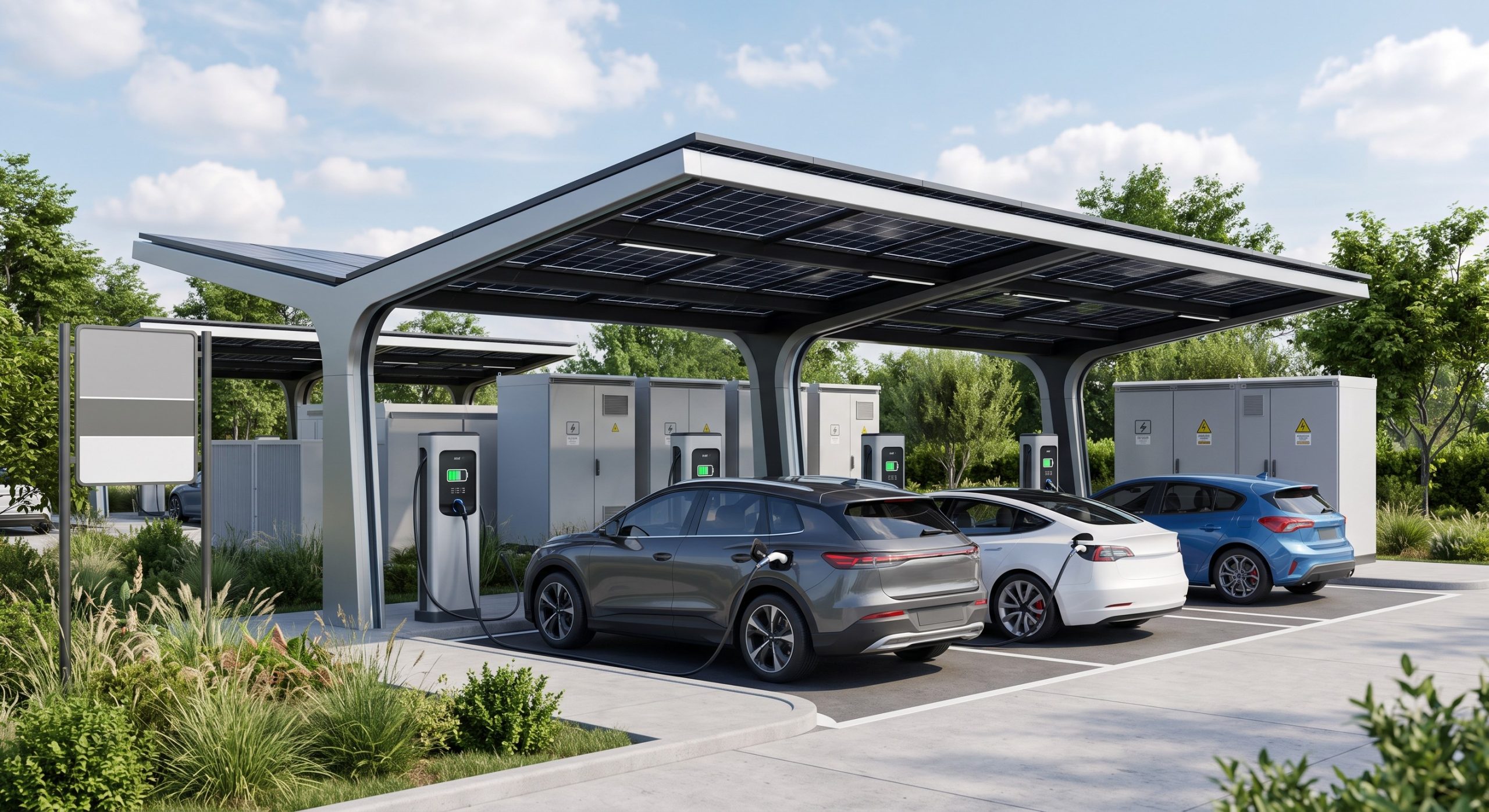
The versatility of modern modular C&I battery storage allows for deployment across a wide range of scenarios, each benefiting uniquely from tax incentives. In industrial parks, large-scale systems (1-10 MWh) support critical loads, protect against grid instability, and reduce demand charges. For retail and office complexes, smaller systems (200-500 kWh) provide backup power and enable participation in virtual power plants (VPPs). A growing area of deployment is the integration with PV-storage-charging synergy for EV supercharging hubs. Here, storage buffers the high power draw from the grid, reducing infrastructure upgrade costs and enabling the capture of renewable energy generated on-site, a key factor for maximizing zero-carbon migration and sustainability incentives.
Conclusion: A Strategic Investment for the Future
Navigating the landscape of Energy storage tax incentives B2B is essential for any B2B energy executive looking to secure a competitive advantage. The interplay between advanced system architecture—featuring liquid cooling, high-cycle LFP cells, and intelligent EMS—and the financial structure of tax credits creates a compelling proposition. By reducing the LCOE and providing resilient, grid-supportive power, these systems pay for themselves over their operational lifespan while future-proofing businesses against rising energy costs and stricter environmental regulations. For system architects and procurement managers, the message is clear: the technology is mature, the incentives are favorable, and the time to deploy is now.