Overview
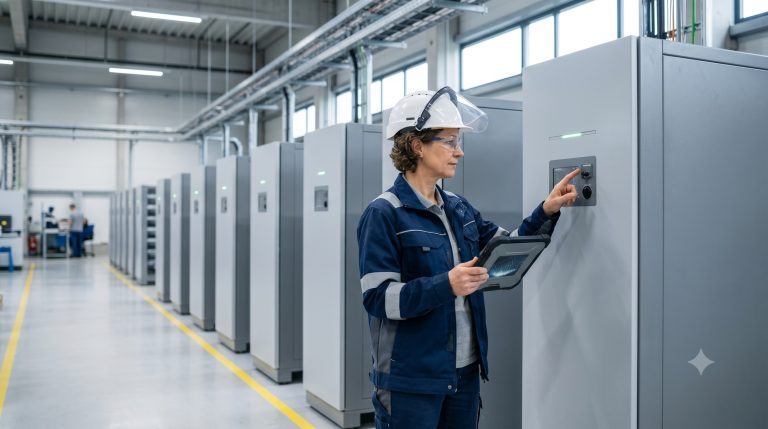
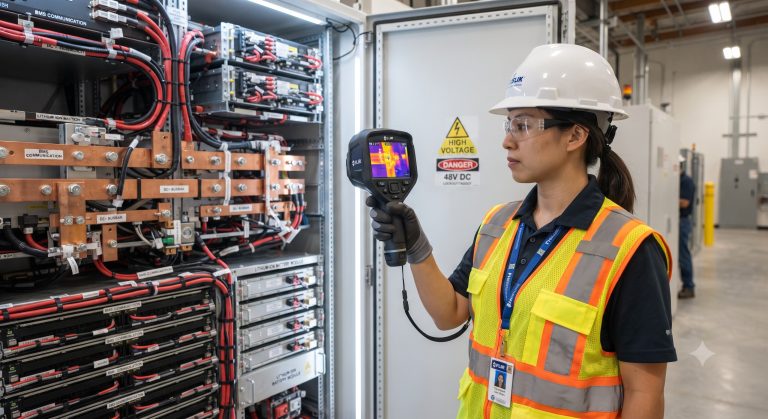
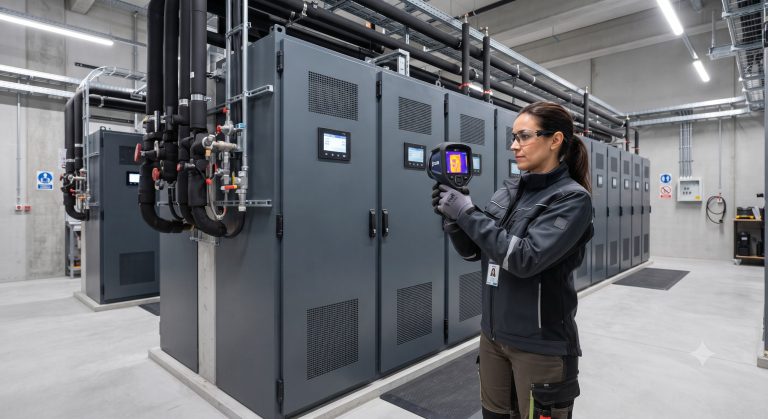
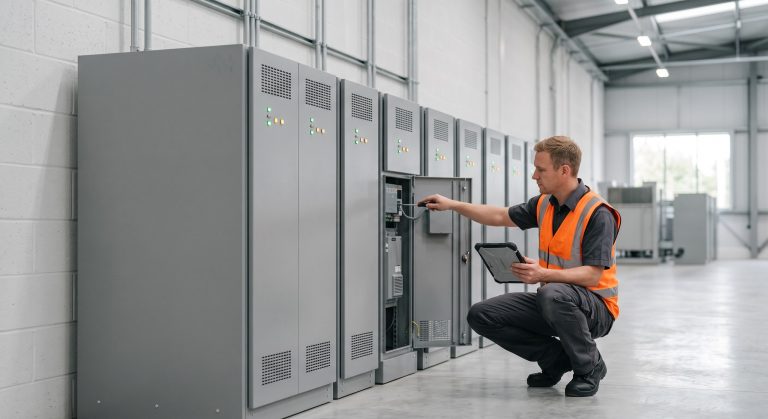
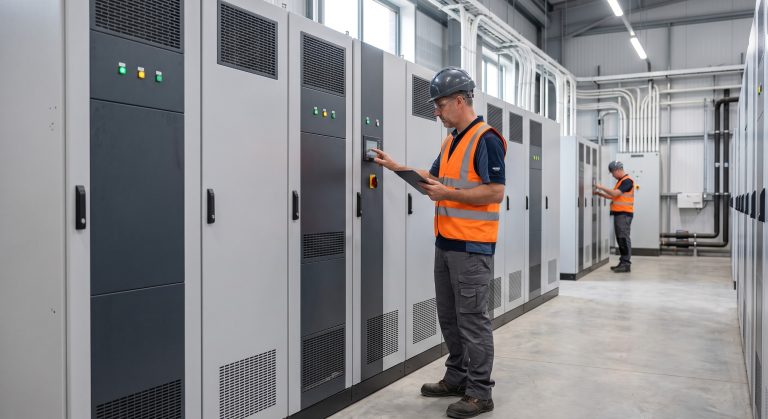
Ensuring the safety of factory technicians working on or around Battery Energy Storage Systems (BESS) requires a comprehensive blend of personal protective equipment (PPE), advanced safety hardware, and rigorous operational protocols. This FAQ addresses the critical safety measures, emergency response procedures, and compliance standards designed to mitigate risks associated with high-voltage DC circuits, thermal events, and hazardous materials during manufacturing, testing, and maintenance.
Frequently Asked Questions
- Q1: What specific PPE is required for BESS factory technicians during high-voltage testing?
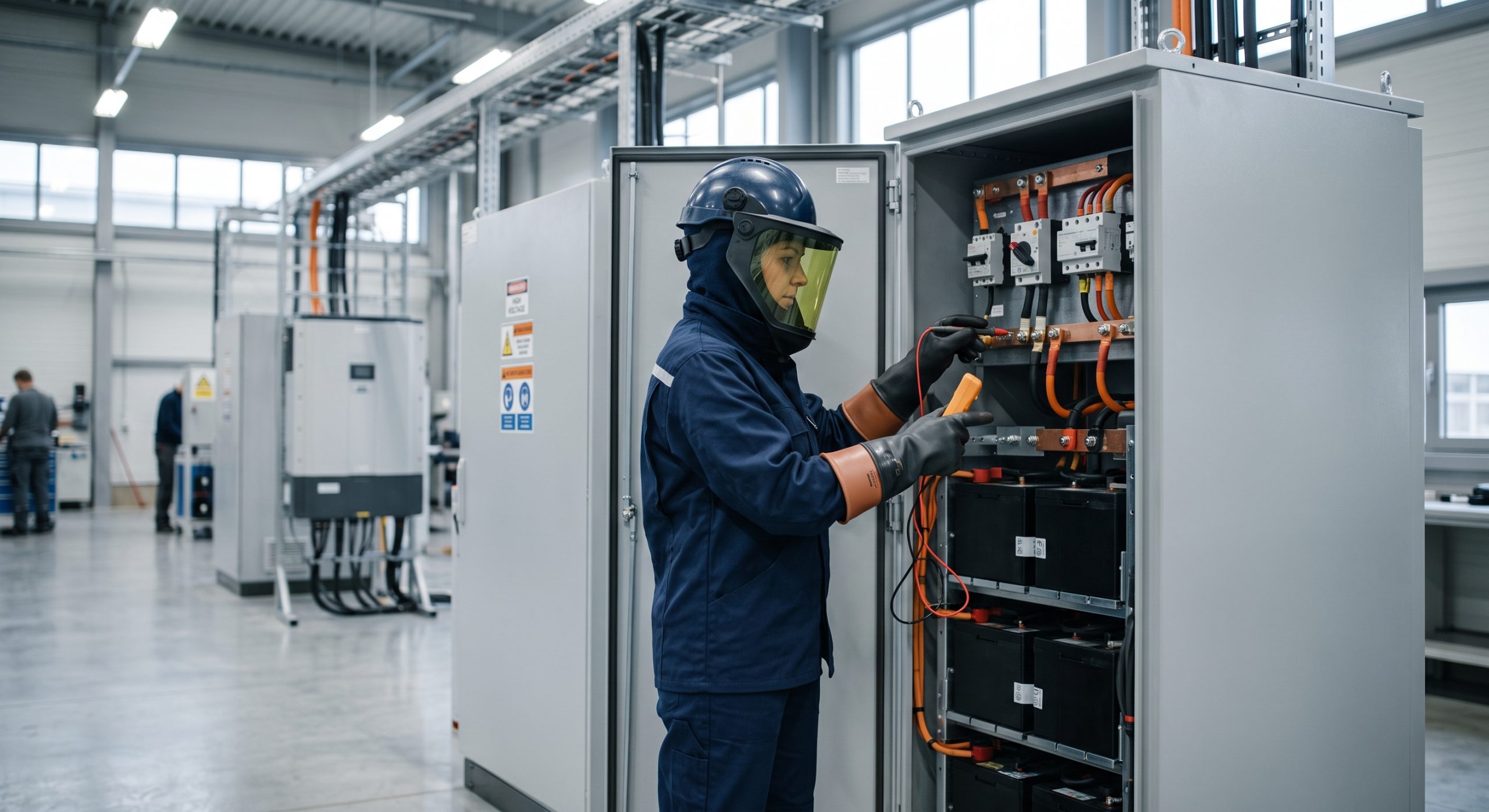
- Factory technicians must wear Class 00 or Class 0 insulating gloves (tested daily), arc-rated face shields, flame-resistant coveralls, and safety glasses with side shields. This PPE is mandatory when working on live DC buses above 60V or during insulation resistance testing to prevent arc flash and shock hazards.
- Q2: What are the primary fire suppression systems integrated into BESS cabinets to protect technicians?
- Modern BESS cabinets use aerosol-based or clean agent (e.g., Novec 1230) fire suppression systems, often combined with an early-warning gas detection system that monitors for hydrogen and carbon monoxide. These systems are designed to rapidly suppress incipient fires without harming personnel or damaging sensitive electronics.
- Q3: What is the standard lockout/tagout (LOTO) protocol for servicing a BESS unit?
- The LOTO procedure requires technicians to de-energize the main AC and DC disconnects, verify zero voltage across all terminals with a calibrated tester, and physically lock the disconnect handles with a personal padlock. Additionally, a 5-minute wait period is enforced to allow internal DC bus capacitors to discharge to safe levels below 50V.
- Q4: How is thermal runaway prevented and managed during factory assembly and testing?
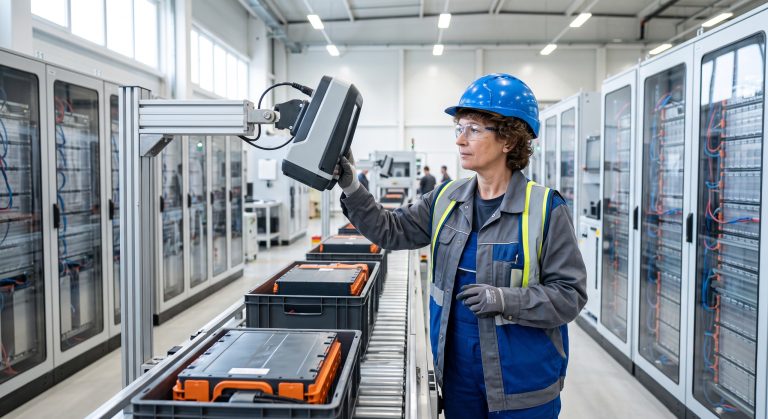
- Thermal runaway is prevented through a multi-tiered approach: 1) Automated cell sorting and welding inspection to detect internal shorts; 2) Compulsory formation testing with constant voltage/current profiling; and 3) Active BMS monitoring that triggers immediate current interruption if temperatures exceed 55°C at the cell terminal level.
- Q5: What are the emergency response drills and evacuation protocols for BESS facilities?
- Facilities conduct monthly fire and gas leak drills, emphasizing rapid egress, the use of emergency shutdown (ESD) pushbuttons located every 10 meters, and communication with a central control room. Technicians are trained to use fire blankets and portable fire extinguishers rated for Class C electrical and Class D metal fires.
- Q6: How are cooling systems safely maintained and filled to prevent coolant exposure?
- Maintenance on liquid cooling systems is performed using a closed-loop fill cart to prevent spills and air ingress. Technicians wear nitrile gloves and safety goggles during coolant handling, and all work is done with the system pressure relieved to below 2 bar, following a strict purge and flush protocol to avoid chemical exposure.
- Q7: What are the key safety compliance standards governing BESS manufacturing and testing?
- All safety protocols adhere to UL 9540 (for energy storage systems), NFPA 70E (for electrical safety in the workplace), and IEC 62619 (for battery operation safety). Compliance includes mandatory ground fault monitoring, insulation monitoring devices (IMD), and a safety interlock system on all cabinet doors that instantly cuts off power upon opening.
- Q8: What are the first-aid and emergency medical procedures specific to BESS incidents?
- In the event of an electrical burn or shock, the immediate action is to de-energize the system and call for emergency medical services. On-site first responders are equipped with automated external defibrillators (AEDs) and trauma kits and are trained to treat both electrical burns and chemical exposure from electrolyte leaks.