Introduction: The Critical Need for Reliable Battery Module Production in Modern C&I Energy Systems
In the rapidly evolving landscape of commercial and industrial (C&I) energy, the phrase reliable battery module production has transcended marketing jargon to become a foundational pillar of operational security and financial viability. For enterprise decision-makers, facility managers, and system architects, the procurement of battery modules is not merely a component purchase; it is a long-term strategic investment that directly impacts peak-shaving ROI, grid independence, and decarbonization timelines. The global C&I energy storage market is projected to exceed $200 billion by 2030, yet the difference between a profitable asset and a stranded investment often lies in the manufacturing quality, thermal management, and electrochemical consistency of the battery modules themselves. This guide serves as a definitive B2B sourcing manual, dissecting the engineering metrics, safety certifications, and commercial frameworks that define bankable, reliable battery module production.
Core Architecture & Battery Management: The DNA of Reliable Modules
Cell Chemistry Selection: The LFP Imperative
At the heart of reliable battery module production lies the choice of cell chemistry. While NMC (Nickel Manganese Cobalt) batteries offer higher energy density, Tier-1 LFP (Lithium Iron Phosphate) cells have become the undisputed standard for C&I applications due to their superior thermal stability, extended cycle life, and cost-effectiveness. LFP chemistry inherently reduces the risk of thermal runaway, a critical safety parameter validated by UL 9540A testing. Moreover, modern LFP cells from leading manufacturers exhibit a calendar life exceeding 15 years, with cycle life performance surpassing 8,000 cycles at 90% Depth of Discharge (DoD). When sourcing battery modules, procurement professionals must demand traceability of cell provenance, ensuring that the internal resistance and capacity grading adhere to IEC 62619 standards.
BMS and PCS Integration: The Neural Network of Energy Storage
The Battery Management System (BMS) is the critical safeguard that ensures each cell operates within its optimal voltage and temperature window. In reliable battery module production, the BMS employs a distributed architecture with individual cell monitoring to perform passive or active balancing. This precision prevents capacity degradation caused by cell-to-cell variations, maximizing the usable energy over the system’s lifetime. Concurrently, the Power Conversion System (PCS) acts as the bi-directional bridge between DC battery storage and AC grid power. High-performance PCS units with 98.5% round-trip efficiency and <50ms grid synchronization capabilities are non-negotiable for peak-shaving and frequency regulation applications. The synergy between a robust BMS and a responsive PCS is what transforms a collection of cells into a reliable battery module production asset capable of participating in Virtual Power Plant (VPP) programs.
Technical Specifications: The Metrics that Define Excellence
To conduct a comprehensive technical due diligence, system integrators must evaluate battery modules based on a standardized set of performance indicators. These metrics directly influence the Levelized Cost of Energy (LCOE) and the total cost of ownership. The table below encapsulates the critical specifications that procurement specialists should benchmark against industry leaders.
| Key Parameter | Technical Specification |
|---|---|
| Battery Chemistry | Tier-1 LFP (Lithium Iron Phosphate) with Grade A cells |
| Nominal System Capacity | 5 MWh to 10 MWh per containerized unit |
| Cycle Life (@ 90% DoD) | >8,000 cycles to 70% EOL (End of Life) |
| Round-Trip Efficiency | ≥ 98.5% (DC side) with liquid cooling |
| Thermal Control | Active Liquid Cooling with ±2°C cell variance |
| Safety Certifications | UL 9540, IEC 62619, CE, UN38.3 |
| Warranty & Performance | 10-year standard warranty with capacity retention >80% |
Commercial ROI & Grid Support: From CapEx to Cash Flow
Calculating Peak-Shaving ROI and Demand Response Value
Reliable battery module production translates directly into predictable financial returns. By deploying battery modules with precise DoD management and low degradation rates, C&I facilities can reduce peak demand charges by up to 40%. For example, a facility with a 5 MWh system utilizing modules with >8,000 cycle life can realize a payback period of under 4 years in regions with high demand charges, such as California or New York. Furthermore, the integration of intelligent Energy Management Systems (EMS) allows facilities to participate in demand response (DR) programs, generating an additional revenue stream of $50-$150 per kW per year. When sourcing, it is vital to ensure that the battery modules are equipped with the communication protocols (Modbus, CANbus, IEC 61850) required for seamless EMS integration.
Grid Support and Frequency Regulation Capabilities
Beyond behind-the-meter savings, reliable battery module production enables C&I facilities to become active participants in grid stabilization. Modern battery modules with high C-rate capabilities (0.5C to 1C) are ideally suited for frequency regulation and reactive power compensation. The liquid cooling thermal control systems integrated into high-density modules ensure that thermal variance is minimized to ±2°C, maintaining consistent power output even during rapid charge/discharge cycles. This capability is essential for complying with grid interconnection standards and unlocking ancillary service market revenues.
Deployment Scenarios: Real-World Applications of High-Reliability Modules
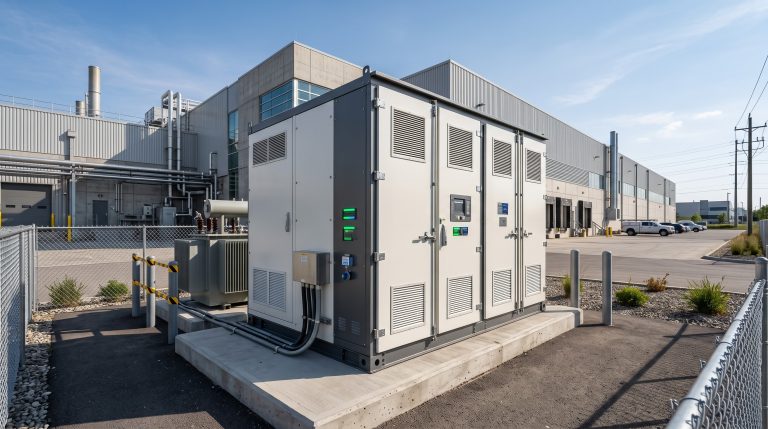
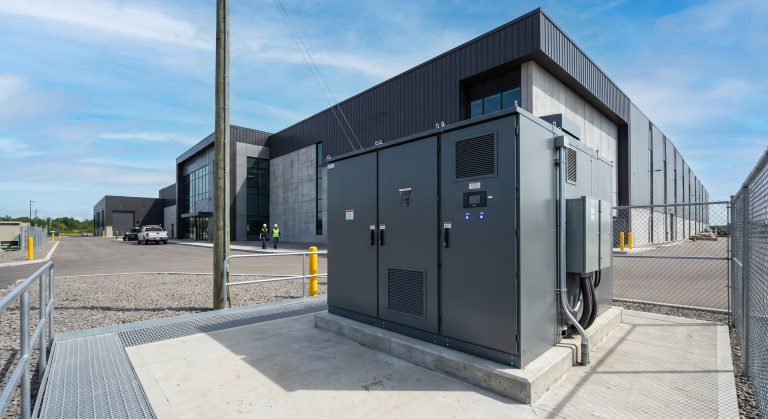
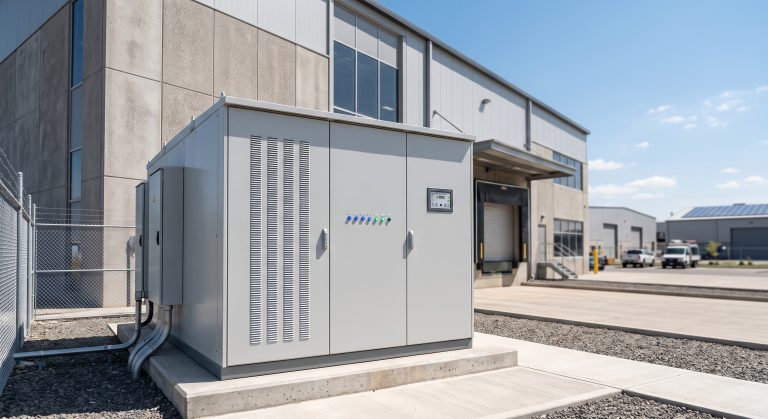
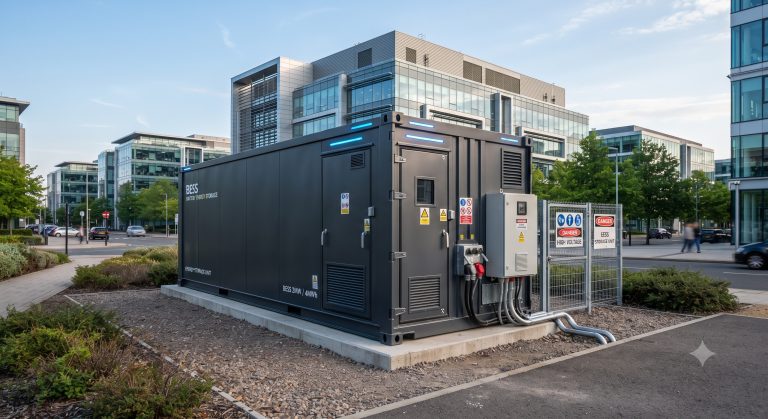
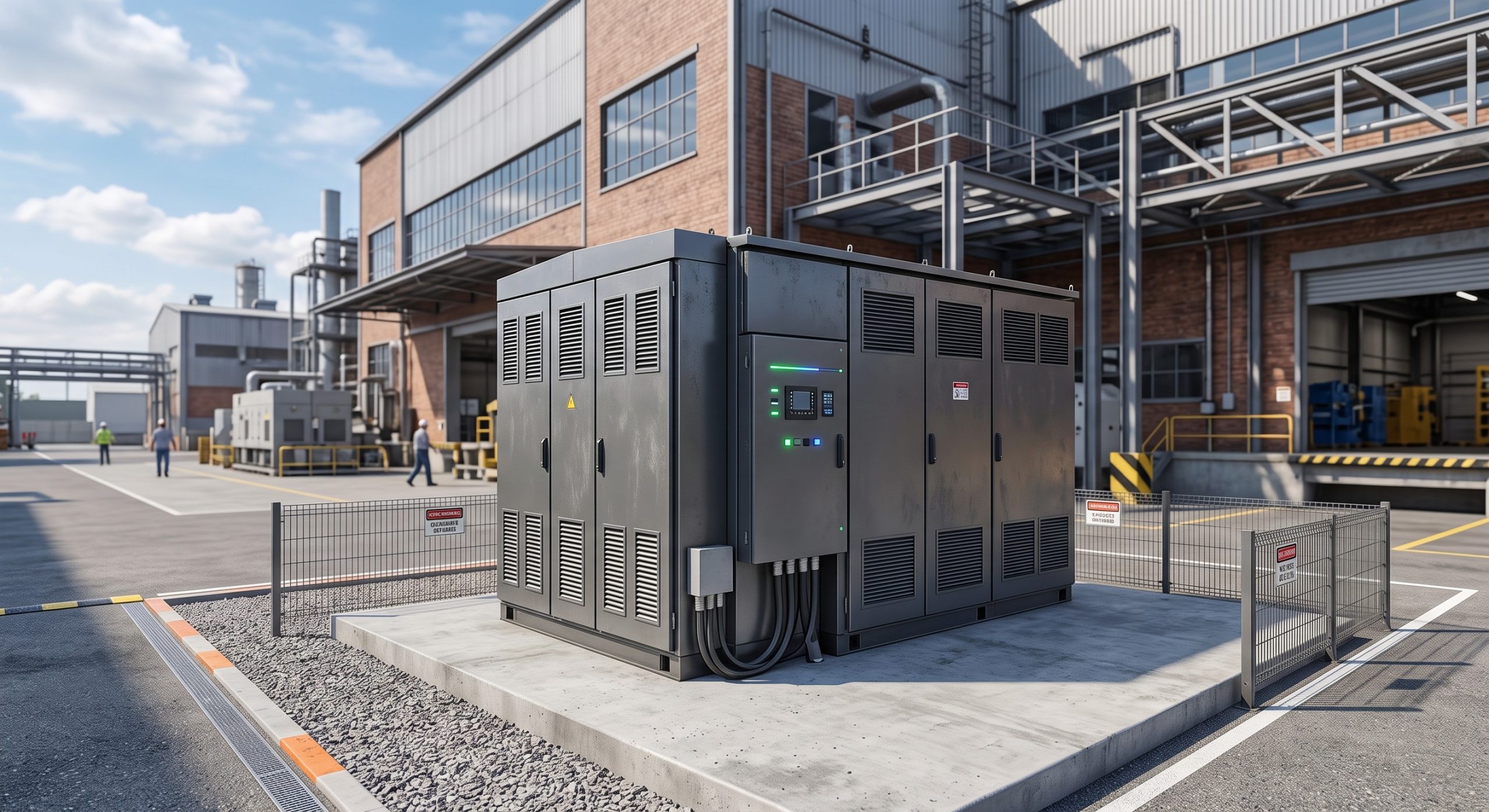
The versatility of reliable battery module production is evident across diverse C&I ecosystems. In industrial parks, modular energy storage cabinets are being deployed to mitigate transformer overloading and support the electrification of material handling equipment. In EV supercharging stations, high-cycle-life battery modules are integrated with PV canopies to buffer grid demand, enabling a 30% reduction in grid connection capacity while ensuring 150kW+ charging speeds. Data centers, which require uninterrupted power and precise thermal management, are increasingly adopting liquid-cooled battery modules to replace traditional UPS systems, achieving a 15% increase in energy efficiency. These deployments underscore the necessity of sourcing battery modules that are factory-tested (FAT) and site-validated (SAT) for turnkey delivery, ensuring that the production quality translates to operational resilience.

Conclusion: The Future of C&I Energy Relies on Production Excellence
As the global energy transition accelerates, the demand for reliable battery module production will only intensify. The industry is moving toward AI-driven manufacturing, where real-time quality control and predictive analytics ensure that every cell exiting the production line meets the stringent requirements of UL 9540 and IEC 62619. For B2B buyers, the path to a profitable and secure energy future is paved with rigorous technical evaluation, transparent supply chain audits, and a deep understanding of the electrochemical architecture that underpins system performance. By prioritizing reliability over upfront cost, commercial enterprises can secure energy independence, achieve aggressive sustainability targets, and maximize long-term ROI. The era of commoditized energy storage is ending; the era of engineered, reliable battery module production is now.