COMMERCIAL SYSTEMS ENGINEERING REFERENCE MANUAL: INDUSTRIAL BATTERY PACK MAINTENANCE PROCEDURES
EXECUTIVE SUMMARY
This engineering reference manual provides comprehensive technical documentation for the maintenance procedures applicable to Tier-1 industrial battery packs deployed within commercial and industrial (C&I) energy storage systems. As a global leader in energy storage solutions, we emphasize that rigorous, systematic maintenance is not merely an operational recommendation but a critical prerequisite for ensuring the safety, longevity, and optimal financial performance of BESS assets. This document details the recommended maintenance intervals, diagnostic protocols, hardware replacement guidelines, and safety procedures designed to maximize the return on investment for system owners and operators. The procedures outlined herein are engineered to align with international best practices, ensuring that each storage platform operates at its peak efficiency throughout its designed lifecycle.
SYSTEM ARCHITECTURE & SAFETY OVERVIEW
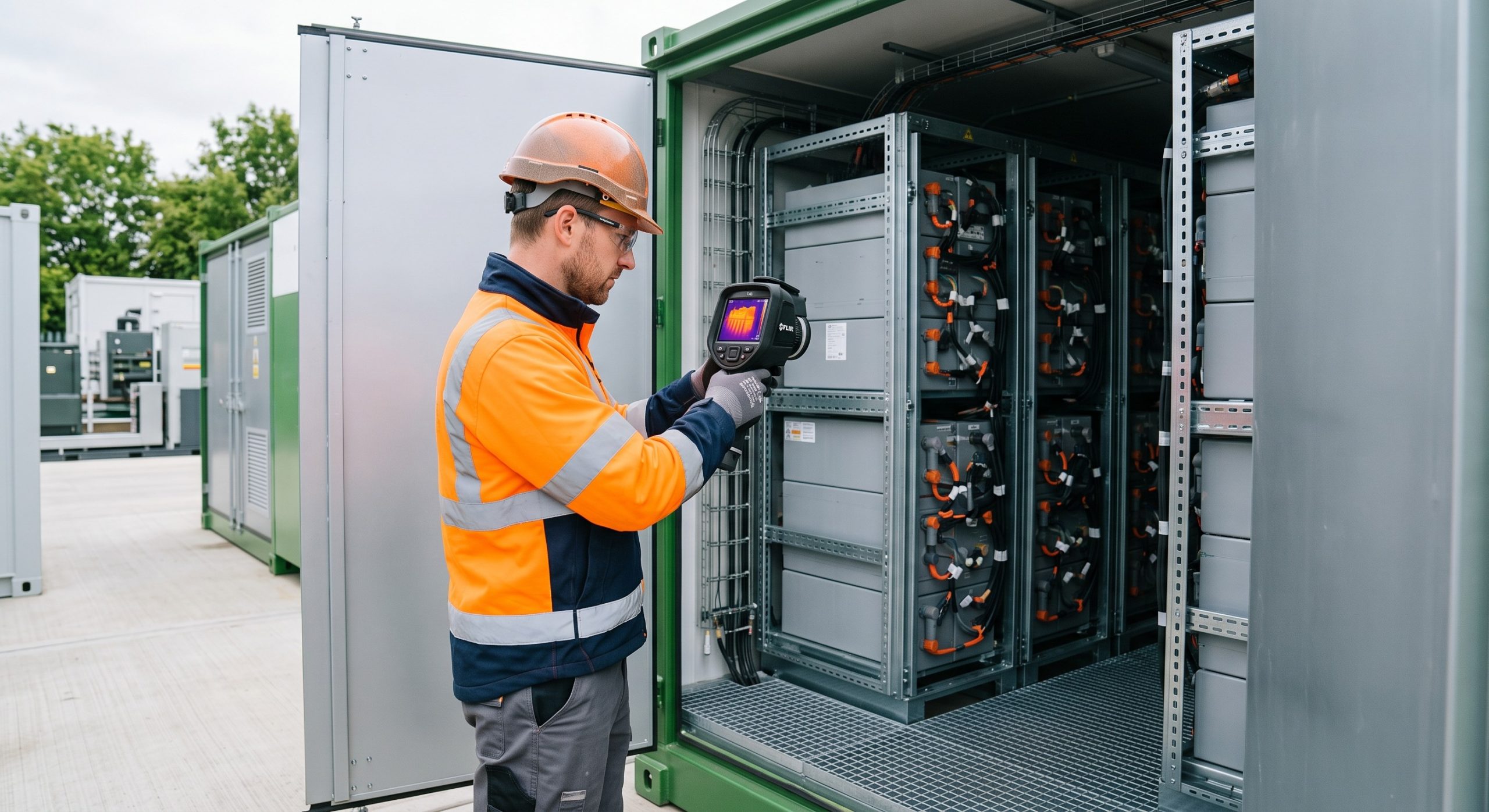
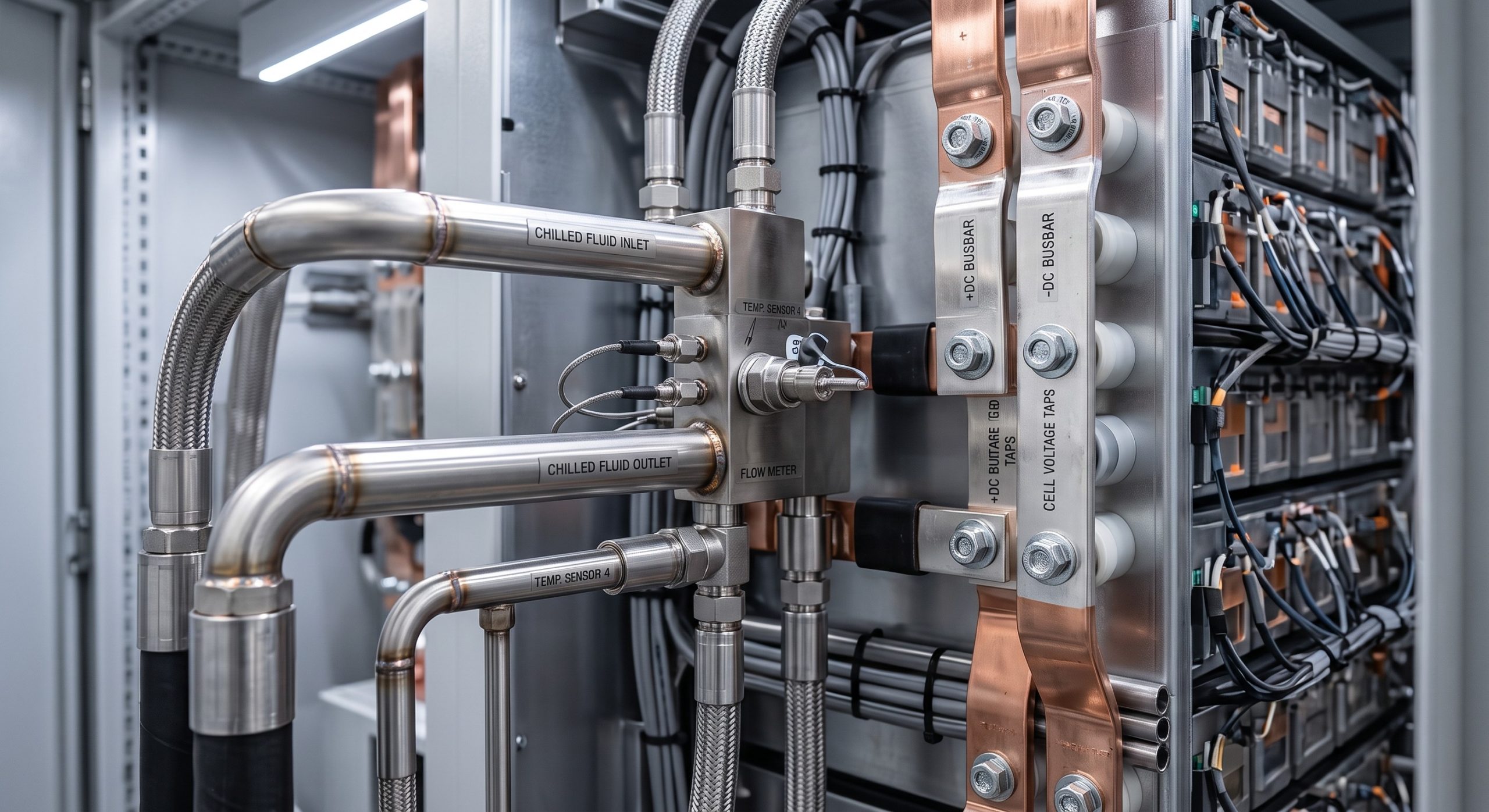
The maintenance framework is intrinsically linked to the robust architecture of our battery packs. The system is composed of modular, rack-mounted enclosures housing prismatic LFP cells, each integrated with a sophisticated Battery Management System (BMS). The BMS is the central nervous system for maintenance, providing real-time data on cell voltages, temperatures, and state of charge. A multi-layered safety strategy is implemented, beginning with high-grade insulating materials and extending to an integrated active and passive thermal management system. The liquid cooling circuit maintains optimal cell temperatures, preventing thermal stress. For maintenance personnel, the system is designed with clearly marked high-voltage disconnects, lockout/tagout (LOTO) points, and isolated service access panels that comply with NFPA 70E standards. Before any maintenance activity, mandatory safety protocols require the system to be fully de-energized and isolated, with a verifiable zero-energy state confirmed through the BMS interface and physical metering.
KEY FEATURES
– Comprehensive Maintenance Schedule: A structured, time-based and condition-based maintenance schedule provides clear guidance for daily, monthly, quarterly, and annual procedures to ensure system reliability.
– Advanced BMS Diagnostic Integration: The maintenance protocol leverages the built-in BMS for automated diagnostics, allowing for predictive and proactive maintenance interventions based on data-driven insights.
– Certified Safety Protocols: All maintenance procedures are strictly aligned with UL 9540, NFPA 70E, and IEC 62619 standards, ensuring the highest level of personnel and system safety.
– Thermal Management System Verification: The maintenance manual provides detailed procedures for inspecting and servicing the liquid cooling system, a vital component for maintaining pack efficiency and extending battery cycle life.
– Smart Equalization and Reconditioning: The maintenance procedures include specific instructions for enabling and monitoring active cell balancing during scheduled maintenance windows, ensuring uniform performance across all cells in the string.
COMPLIANCE & STANDARDS
Maintenance procedures are developed and documented in strict adherence to the following international standards and regulations:
– UL 9540: Standard for Energy Storage Systems and Equipment.
– UL 9540A: Test Method for Evaluating Thermal Runaway Fire Propagation in Battery Energy Storage Systems.
– IEC 62619: Secondary cells and batteries containing alkaline or other non-acid electrolytes – Safety requirements for secondary lithium cells and batteries, for use in industrial applications.
– NFPA 70E: Standard for Electrical Safety in the Workplace.
– IEEE 1578: Recommended Practice for Stationary Battery Electrolyte Spill Containment and Management.
– Applicable local electrical codes and fire safety regulations.
TECHNICAL SPECIFICATIONS
| Parameter | Specification |
|---|---|
| Maintenance Protocol Standard | IEC 62477-1 & UL 1973 Compliant |
| Recommended Visual Inspection Interval | Monthly |
| Thermal Management Fluid Type | Deionized Water & Ethylene Glycol Mixture (ASTM D1384) |
| BMS Health Check Cycle | Real-time & During Scheduled Maintenance |
| High-Voltage Isolation Resistance | > 1 MΩ at 1000V DC (Per IEC 62619) |
| Coolant System Pressure Test | Bi-Annual (4 bar gauge, 15-minute hold) |
| Contactor & Relay Check | Annual Contact Resistance Test (< 0.5 mΩ) |
| Torque Verification (Power Cables) | Annual, per Manufacturer Spec (e.g., 50 Nm ±10%) |
| Firmware Update Schedule | As per released Service Bulletins |
INDUSTRIAL DEPLOYMENT & MAINTENANCE LOGIC
Effective maintenance is the cornerstone of successful industrial deployment. The procedures are designed to be integrated seamlessly into existing facility operations. For peak shaving and demand response applications, where the system cycles daily, the maintenance logic prioritizes health monitoring during periods of rest. The BMS’s cloud-based monitoring platform allows for remote diagnostics, enabling off-site technical experts to analyze data and recommend targeted maintenance before a physical inspection is required. This ‘predictive maintenance’ approach significantly reduces downtime and service costs.
– Diagnostic Sequence: At the start of each maintenance interval, the technician must retrieve the BMS event log and evaluate key health indicators.
– Visual Inspection: A methodical visual inspection is mandated to check for any physical anomalies, including corrosion, loose connections, or coolant leakage.
– Coolant System Check: A crucial part of the maintenance procedure involves verifying the liquid coolant level and pressure, and checking for any signs of particulate contamination.
– Firmware Updates: The maintenance manual includes a clear procedure for applying approved BMS and power conversion system (PCS) firmware updates to ensure the system operates with the latest performance and security enhancements.
– Documentation: All maintenance activities, including measurements and software updates, are to be meticulously documented in the system’s service log to create a comprehensive maintenance history.
📥 Download Technical Specification
Click the button below to view or download the full official PDF datasheet.