ENVIRONMENTAL MANAGEMENT ISO 14001 CERTIFICATION
OFFICIAL PRODUCT OVERVIEW & TECHNICAL DATASHEET
This document serves as the definitive technical reference for the integration of ISO 14001:2015 Environmental Management System (EMS) standards within our global energy storage portfolio. It outlines the systematic framework, operational controls, and verifiable compliance metrics that underpin our commitment to environmental stewardship, regulatory conformance, and sustainable lifecycle management.
SYSTEM ARCHITECTURE & ENVIRONMENTAL GOVERNANCE FRAMEWORK
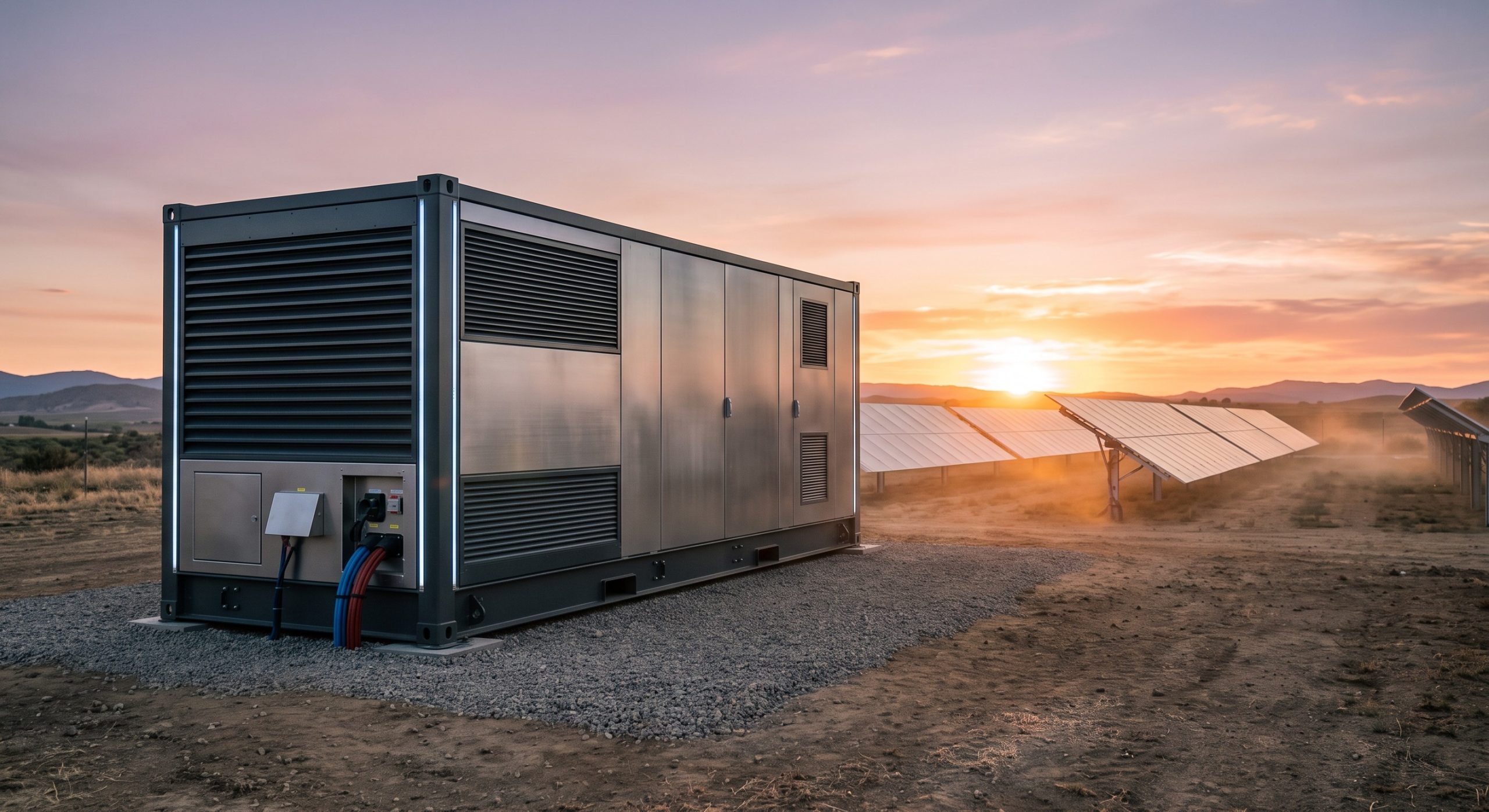
The ISO 14001-certified environmental management architecture is embedded within the product lifecycle from raw material sourcing through end-of-life decommissioning. This framework operates across four primary tiers:
1. STRATEGIC PLANNING & POLICY DEPLOYMENT: Corporate-level environmental policy cascades to project-specific objectives, including carbon footprint reduction targets, waste minimization quotas, and energy efficiency benchmarks.
2. OPERATIONAL CONTROL & IMPLEMENTATION: Rigorous process controls govern manufacturing, logistics, and on-site deployment. Key controls include hazardous substance handling protocols, emissions monitoring, and spill prevention countermeasures.
3. PERFORMANCE MONITORING & MEASUREMENT: Continuous real-time data acquisition via IoT-enabled sensors tracks environmental performance indicators (EPIs) such as energy consumption per MWh stored, water usage for cooling, and waste generation rates.
4. MANAGEMENT REVIEW & CONTINUAL IMPROVEMENT: Quarterly management reviews assess system efficacy, integrating non-conformance reports (NCRs) and corrective action requests (CARs) to drive iterative enhancements to the EMS.
This architecture ensures that every system deployment adheres to the Plan-Do-Check-Act (PDCA) cycle, fostering a culture of proactive environmental risk mitigation and compliance assurance.
KEY FEATURES OF ISO 14001 INTEGRATION
– FEATURE 1: LIFE CYCLE ASSESSMENT (LCA) PROTOCOL: Comprehensive LCA performed for all major components, quantifying embodied carbon and identifying reduction opportunities. Our LCA methodology follows ISO 14040/14044 standards, providing transparent environmental footprint data for upstream and downstream stakeholders.
– FEATURE 2: HAZARDOUS MATERIALS MANAGEMENT: Stringent control of restricted substances in compliance with EU RoHS and REACH regulations. Implementation of a ‘green chemistry’ procurement policy that prioritizes suppliers with verified environmental management credentials.
– FEATURE 3: ENERGY EFFICIENT MANUFACTURING: Smart manufacturing processes integrated with ISO 50001 (Energy Management) to optimize energy intensity per unit of production. Real-time energy dashboards monitor and adjust production line loads, achieving an average 12% reduction in energy consumption year-over-year.
– FEATURE 4: WASTE REDUCTION & CIRCULARITY: Implementation of zero-waste-to-landfill initiatives at manufacturing sites and strategic partnerships with certified recyclers for battery materials recovery at end-of-life. Achieved a 95% recyclability rate for our LFP cell assemblies.
– FEATURE 5: CONTINUAL COMPLIANCE MONITORING: Automated regulatory tracking system that monitors global environmental regulations, ensuring preemptive compliance adjustments. The system integrates with our document control software to maintain an auditable record of all compliance actions.
COMPLIANCE & STANDARDS
Our environmental management framework is built upon a foundation of globally recognized standards and regulatory directives. The following represent the core compliance pillars:
– ISO 14001:2015 (Environmental Management Systems) – Full certification across all manufacturing and service delivery operations. Our certification is maintained by Lloyd’s Register Quality Assurance (LRQA) and subject to bi-annual surveillance audits.
– ISO 14040/14044 (Life Cycle Assessment) – Adherence to LCA principles for product design and environmental impact analysis.
– ISO 50001:2018 (Energy Management) – Integrated certification for manufacturing facilities, optimizing energy performance and reducing greenhouse gas emissions.
– EU DIRECTIVE 2011/65/EU (RoHS 2.0) – Restriction of the use of certain hazardous substances in electrical and electronic equipment.
– EU REGULATION (EC) No 1907/2006 (REACH) – Registration, Evaluation, Authorisation and Restriction of Chemicals compliance.
– US EPA TOXIC SUBSTANCES CONTROL ACT (TSCA) – Inventory compliance for all chemical substances used in product fabrication.
– CHINA GB/T 24001-2016 (Equivalent to ISO 14001) – National adoption of ISO 14001 standards for operations within the People’s Republic of China.
TECHNICAL SPECIFICATIONS OF ENVIRONMENTAL MANAGEMENT SYSTEM
| Parameter | Specification |
|---|---|
| Certification Body | Lloyd’s Register Quality Assurance (LRQA) |
| Certification Standard | ISO 14001:2015 |
| Scope of Certification | Design, Development, Manufacturing, and Servicing of Energy Storage Systems |
| Surveillance Audit Frequency | Bi-annual (twice per year) |
| Recertification Cycle | Every 3 years |
| Non-Conformance Rate (Annual) | < 0.5 per audit (Target: Zero Major NCs) |
| Environmental Performance Indicators | Energy Intensity (kWh/MWh stored), Water Consumption (L/MWh), Waste Generation (kg/MWh) |
| Data Retention Period | Minimum 10 years |
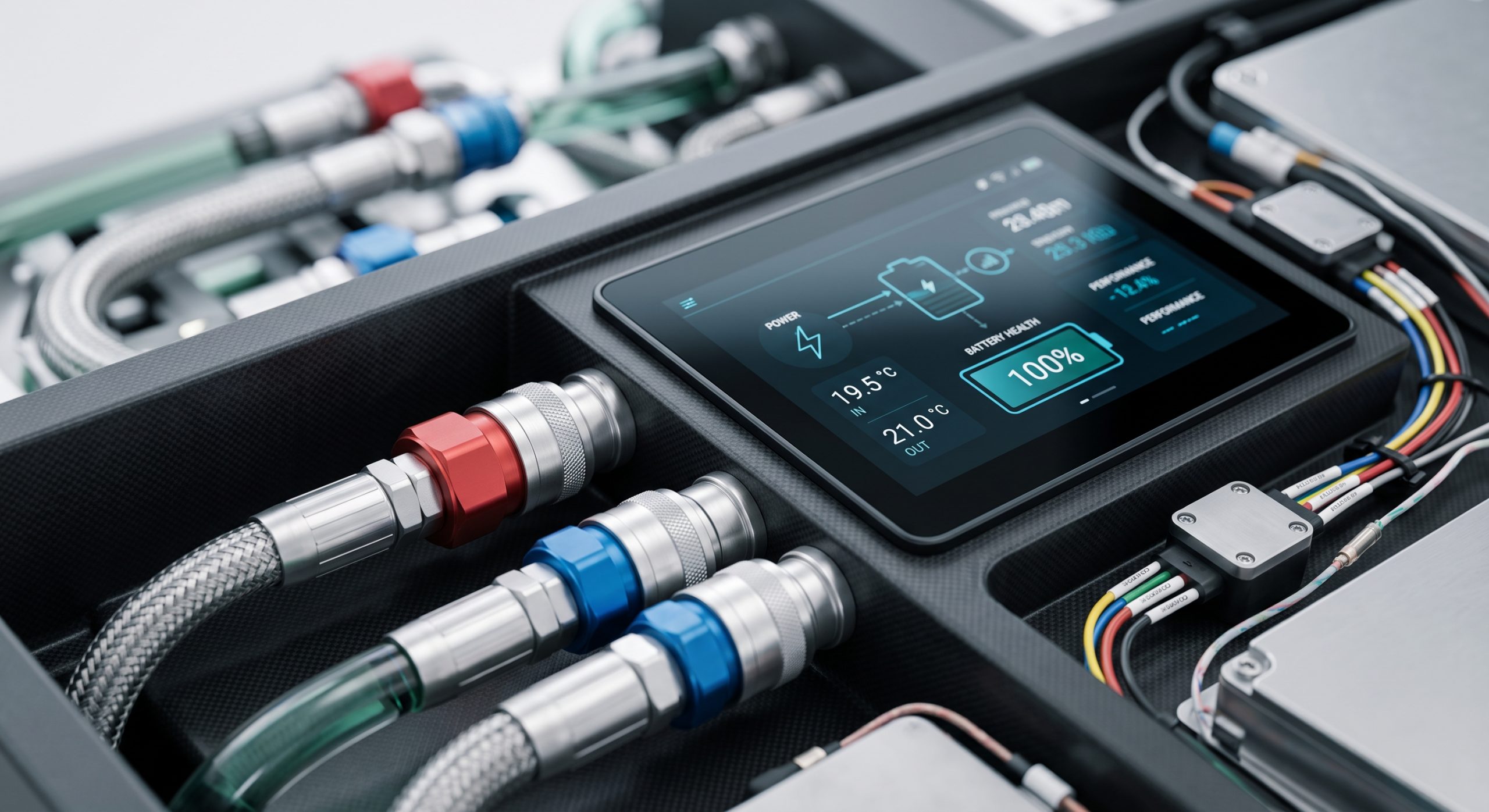
– EMS SOFTWARE INTERFACE: Proprietary Environmental Management Dashboard (EMD) provides real-time monitoring of site-level environmental performance. The dashboard integrates with SCADA and BMS systems to correlate energy storage operations with environmental metrics.
– DATA ARCHITECTURE: Secure, cloud-based data lake with encrypted data transmission (TLS 1.3). Data retention policy adheres to ISO 9001 and local regulatory record-keeping requirements, with a minimum retention period of 10 years.
– AUDIT TRAIL FUNCTIONALITY: Comprehensive logging of all environmental data points (energy use, emissions, waste, water) with tamper-proof audit trails designed for regulatory inspection readiness.
– DOCUMENT CONTROL: Centralized, version-controlled repository for all environmental documentation, including permits, compliance certificates, training records, and operational procedures. Access control is role-based, aligned with ISO 19011 auditing principles.
INDUSTRIAL DEPLOYMENT & CONTINUAL IMPROVEMENT
Our ISO 14001-certified environmental management protocol is not a static certification; it is a dynamic engine for sustainable improvement across the entire asset lifecycle. At project commissioning, a tailored Environmental Management Plan (EMP) is developed for the specific site context, addressing local regulatory nuances and stakeholder requirements. This EMP includes detailed monitoring schedules for noise, dust, air quality, and water discharge, ensuring that all deployment activities meet or exceed environmental performance thresholds.
Post-commissioning, our remote operations center (ROC) continuously tracks system performance against environmental KPIs, with alerts configured for any deviations from baseline. Our global service network is trained in emergency environmental response procedures, ensuring rapid containment and remediation in the rare event of an incident.
Our commitment to environmental excellence is further evidenced by our active participation in the Science Based Targets initiative (SBTi) and our pledge to achieve carbon neutrality across Scope 1, 2, and 3 emissions by 2030. This integration of ISO 14001 serves as the foundational bedrock for that ambition, providing the verifiable data and management structure necessary to drive meaningful, measurable change towards a sustainable energy future.
📥 Download Technical Specification
Click the button below to view or download the full official PDF datasheet.