Introduction: The Energy Paradigm Shift in C&I Infrastructure
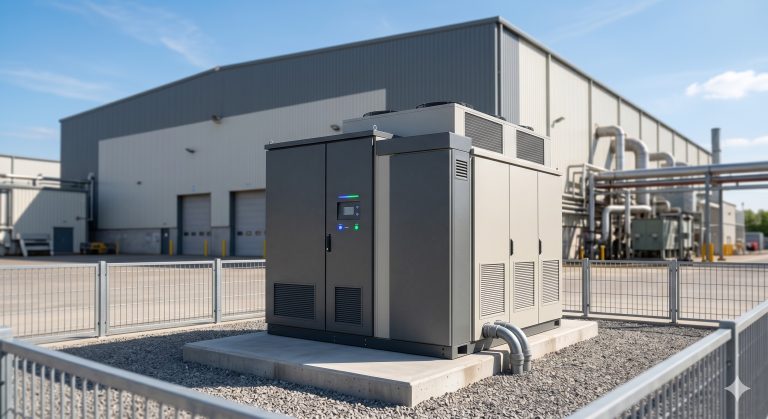
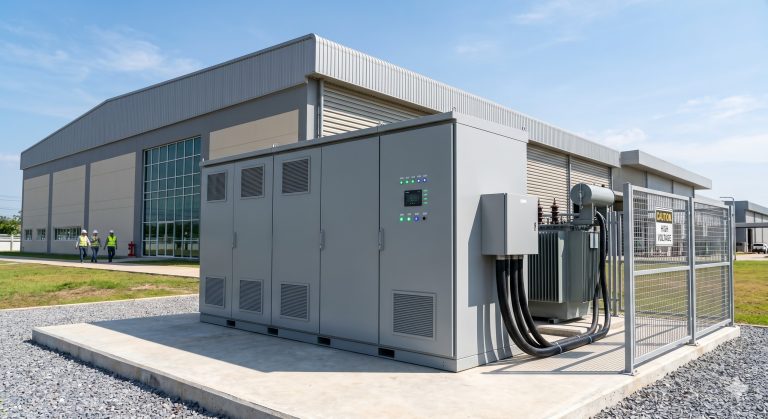
As commercial and industrial (C&I) energy costs escalate and grid instability becomes a global norm, the demand for resilient, scalable, and intelligent energy storage has never been higher. Enter the Microgrid Containerized BESS – a fully integrated, modular powerhouse designed to decouple large-scale facilities from traditional grid constraints. For B2B decision-makers, sourcing this technology requires navigating a complex landscape of electrochemistry, thermal dynamics, and financial modeling. This guide provides a comprehensive technical and commercial deep dive, ensuring you understand the architecture, total cost of ownership, and grid-supportive capabilities of modern containerized battery energy storage systems.
Core Architecture: The Anatomy of a Containerized Microgrid
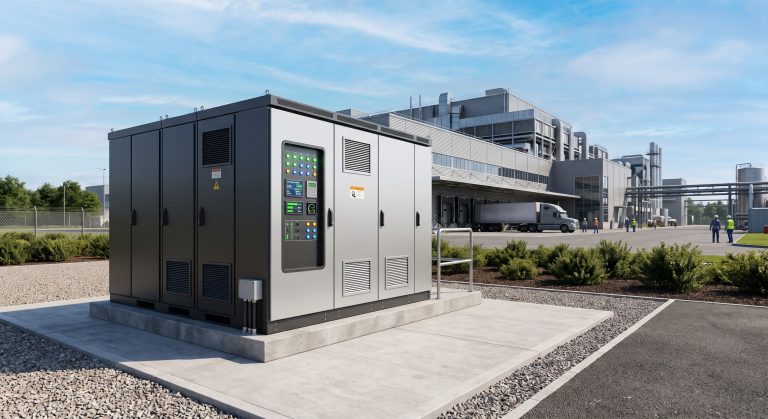
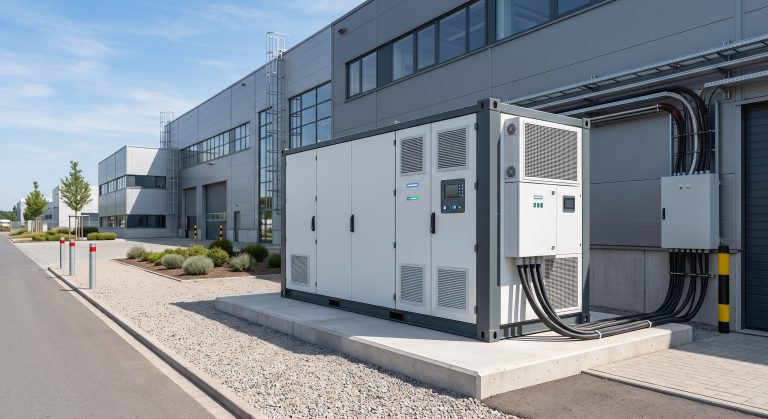
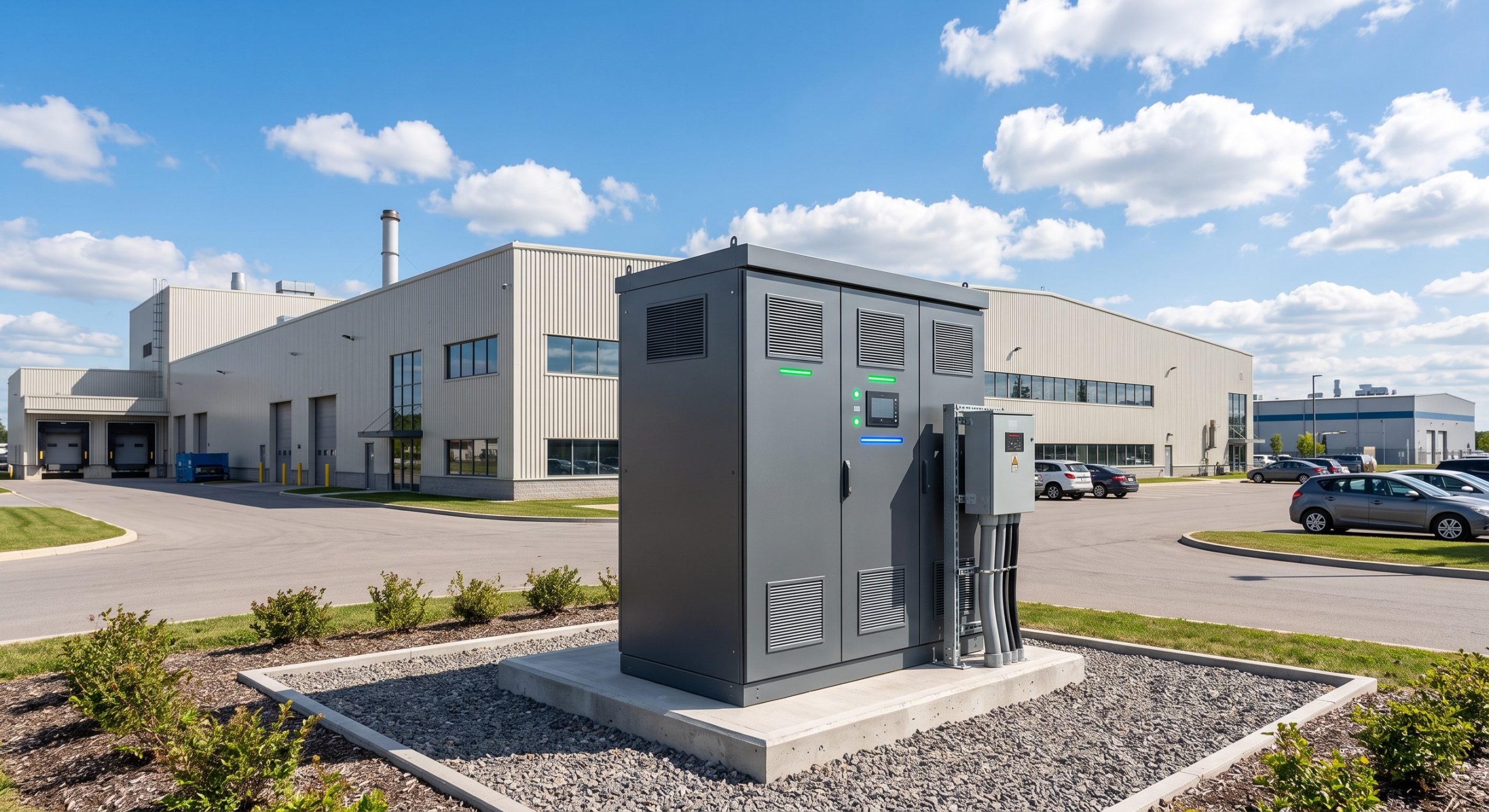
A high-performance Microgrid Containerized BESS transcends the simple sum of batteries. It is a symphony of power conversion systems (PCS), advanced battery management systems (BMS), and an energy management system (EMS), all housed within a robust, IP-rated enclosure. The architecture is designed for rapid deployment and high-density energy storage, typically utilizing Tier-1 LFP (Lithium Iron Phosphate) cells for their superior thermal stability and extended cycle life.
Battery Chemistry and Cell Balancing
Within the container, the battery racks are organized into high-voltage DC buses. The BMS plays a critical role in passive and active cell balancing, ensuring that each of the thousands of individual cells operates within a strict voltage and temperature window. This precision prevents capacity degradation and is essential for achieving the expected cycle life of >8000 cycles at a 90% Depth of Discharge (DoD).
Power Conversion System (PCS) Integration
The bi-directional PCS is the bridge between the DC side of the battery and the AC side of the micro-grid or utility. Modern systems feature integrated liquid cooling thermal control for the power stack, ensuring high efficiency even at peak loads. The PCS is responsible for grid-forming and grid-following capabilities, allowing the container to operate in island mode during grid outages or seamlessly support frequency regulation services.
Technical Specifications and Compliance Matrix
When evaluating vendors, sourcing managers must demand strict adherence to international safety and performance standards. Key certifications include IEC 62619 (industrial battery safety), UL 9540 (fire safety for ESS), CE (European conformity), and UN38.3 (transportation safety). The following specification table outlines the benchmark parameters for a best-in-class containerized solution.
| Key Parameter | Technical Specification |
|---|---|
| Battery Chemistry | Tier-1 LFP (Lithium Iron Phosphate) |
| System Capacity | 1MWh to 5MWh+ (Modular expansion) |
| Cycle Life (@ 90% DoD) | >8000 cycles |
| Round-trip Efficiency | >94% (Liquid Cooling @ 25°C) |
| Thermal Control | Integrated Liquid Cooling (Active) |
| Safety Certifications | IEC 62619, UL 9540, CE, UN38.3 |
| Protection Rating | IP54 / IP65 |
| EMS Functionality | Peak Shaving, Load Shifting, VPP Ready |
Commercial ROI: Peak Shaving and Total Cost of Ownership (TCO)
The economic viability of a Microgrid Containerized BESS hinges on the Levelized Cost of Storage (LCOE) and the optimization of peak-shaving strategies. For C&I facilities with high demand charges, the ability to deploy stored energy during peak tariff periods is the primary revenue stream. A rigorous TCO analysis must include the initial CapEx, operational maintenance costs, and the degradation rate of the battery. However, the revenue side extends beyond simple savings. By integrating with a Virtual Power Plant (VPP), the system can capture grid service revenues through fast-frequency response and demand response programs, significantly shortening the payback period.
Optimizing Round-Trip Efficiency
Round-trip efficiency (RTE) is a critical metric. Systems equipped with advanced liquid cooling maintain optimal temperature, reducing auxiliary consumption and ensuring >94% RTE. This efficiency ensures that for every 1 MWh charged, over 940 kWh is available for dispatch, directly maximizing asset profitability.
Deployment Scenarios and Integrations
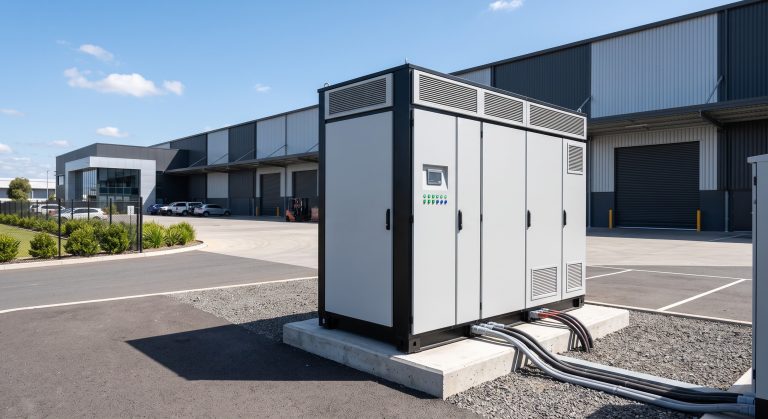
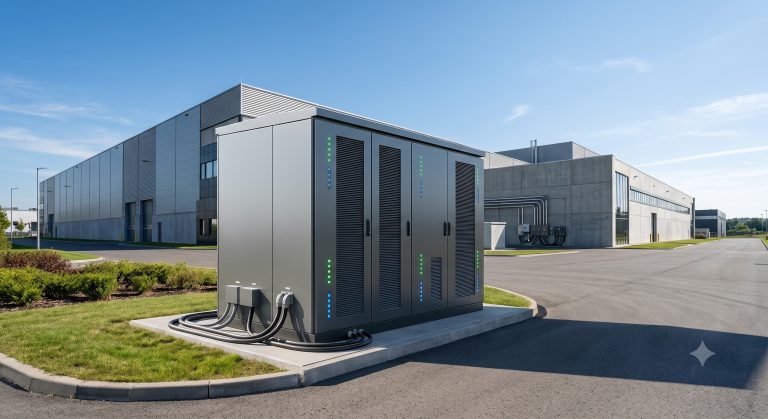
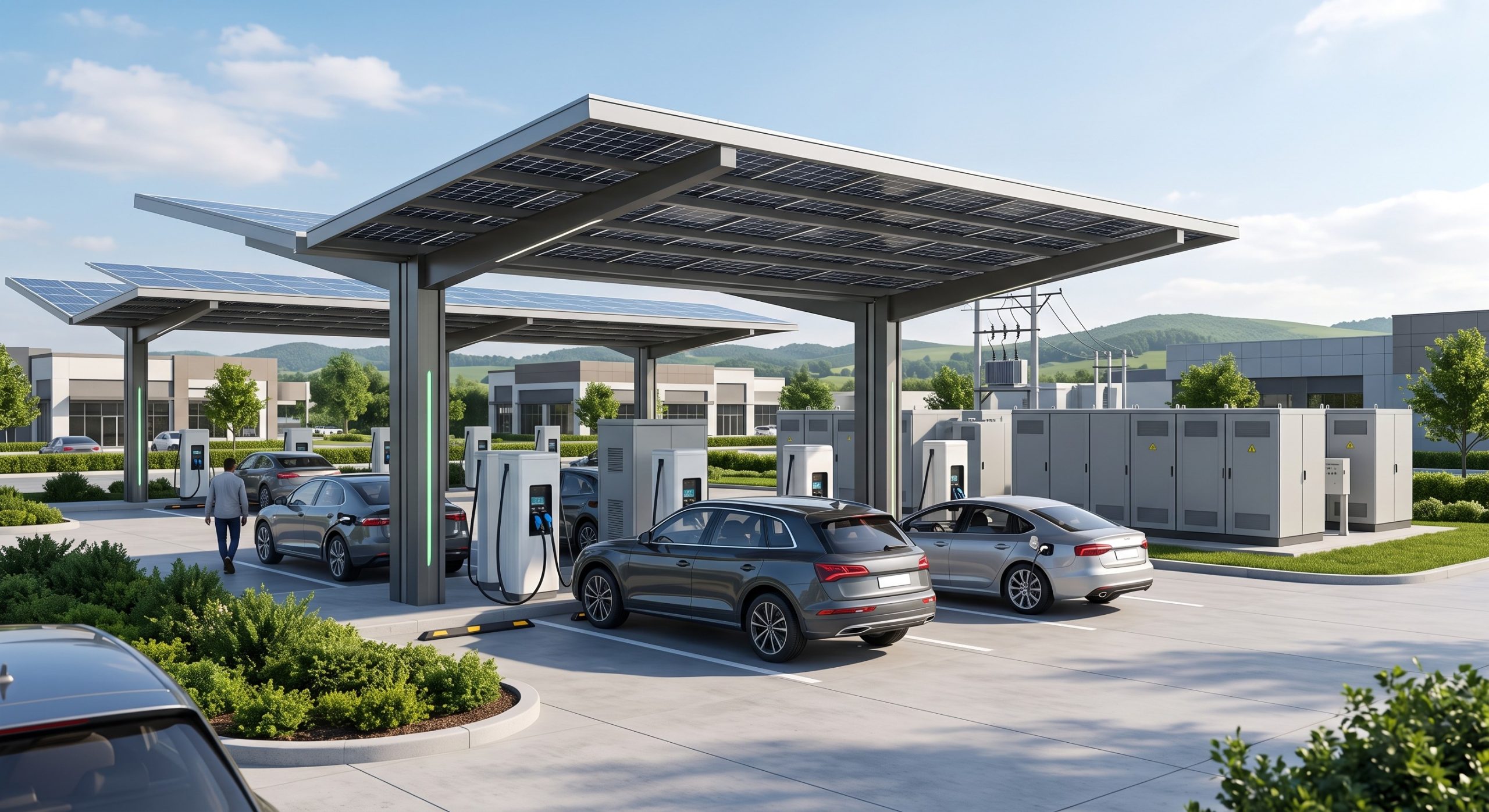
The versatility of the modular container form factor allows for a wide array of applications. From integrating with PV-Storage-Charging (光储充) synergy for EV supercharging stations to providing backup power for critical data centers, the system is designed to be grid agnostic. The container’s standardized footprint (typically 20ft or 40ft) facilitates rapid installation and scalability, allowing businesses to start with MWh-scale deployments and expand as demand grows. A key advantage is the seamless grid transition, where the system utilizes its smart EMS to dispatch power within milliseconds during grid faults, ensuring zero downtime for sensitive manufacturing processes.
Conclusion: The Strategic Imperative for Energy Independence
The Microgrid Containerized BESS represents a paradigm shift in how C&I facilities manage energy. By leveraging Tier-1 LFP chemistry, advanced liquid cooling, and sophisticated EMS dispatch logic, these systems offer a reliable, safe, and high-ROI pathway to energy independence. For B2B sourcing professionals, understanding the intricate balance between technical architecture and financial strategies is crucial. As global regulatory standards tighten and the transition to net-zero accelerates, investing in a robust, certified microgrid solution is not just an operational upgrade—it is a strategic imperative for long-term resilience and competitiveness.