Overview
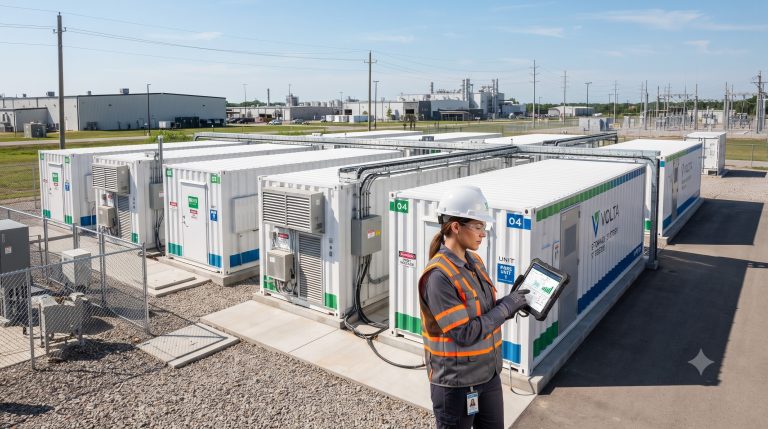
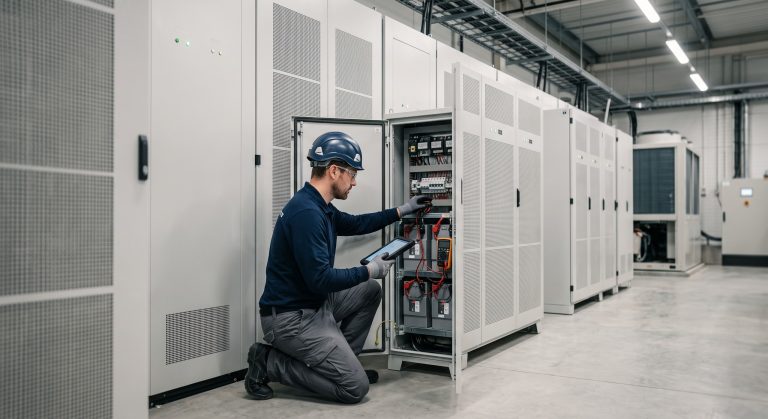
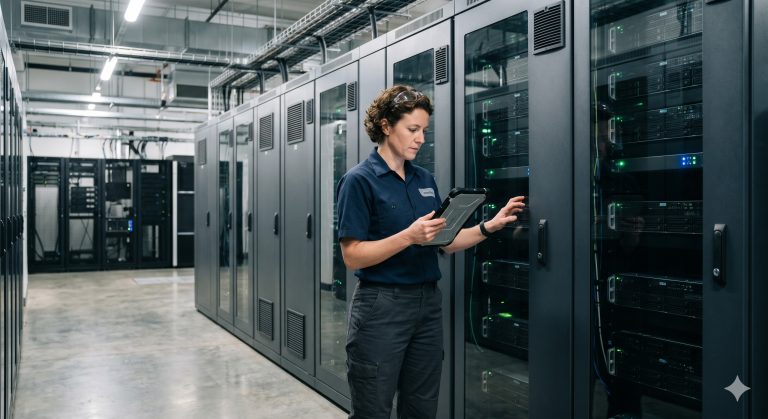
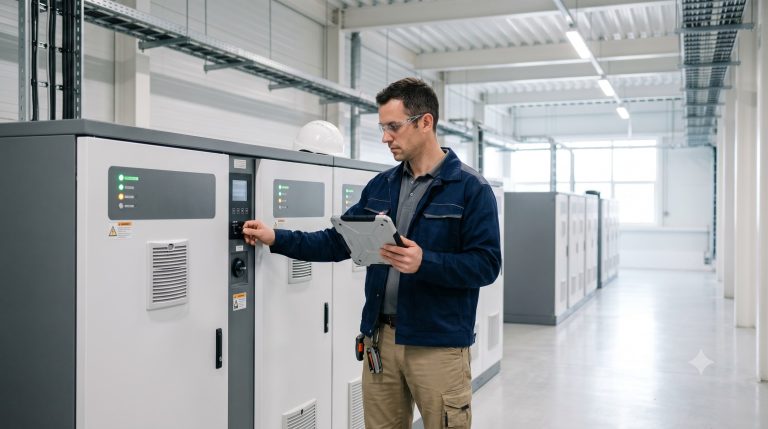
For B2B energy managers and plant engineers, the ability to monitor a commercial Battery Energy Storage System (BESS) via a smartphone app is no longer a luxury—it is a non-negotiable operational requirement. Modern cloud-based Energy Management Systems (EMS) provide real-time visibility into state of charge, grid synchronization, and thermal performance. This FAQ addresses the critical pre-sales and post-sales technical questions we receive daily regarding remote monitoring, system scalability, and lifecycle management.
Frequently Asked Questions
- Q1: Can I monitor my commercial BESS usage and performance metrics from a smartphone app?
- Yes, the BESS can be monitored in real-time via a dedicated smartphone application connected to the cloud-based Energy Management System (EMS). The app provides live data on State of Charge (SoC), State of Health (SoH), power output, grid import/export, and alerts for any fault conditions, accessible 24/7 from any location.
- Q2: What specific battery health and safety data does the BMS provide through the app?
- The Battery Management System (BMS) transmits per-cell voltage, temperature differentials, and inter-cell balancing status directly to the smartphone interface. This ensures plant engineers can proactively detect thermal runaway precursors or degradation patterns, enabling immediate remote intervention to isolate cabinets and ensure safety compliance.
- Q3: How do I monitor grid-tie vs. off-grid configuration and peak shaving via the app?
- The app dashboard allows users to view the system’s current operational mode (Grid-Tie or Islanding) and historical data on peak shaving events. It tracks the battery’s discharge during high-tariff periods to calculate arbitrage savings, providing a visual ROI counter that verifies the financial performance of your peak shaving strategy in real-time.
- Q4: Does the smartphone monitoring platform include a Return on Investment (ROI) calculator?
- Yes, most commercial EMS platforms include an integrated ROI and savings dashboard. By pulling data on energy arbitrage, demand charge reduction, and participation in demand response programs, the app calculates your Levelized Cost of Energy (LCOE) and provides a dynamic projection of cumulative savings over the system’s lifespan.
- Q5: Is there a mobile application for monitoring thermal management (liquid cooling) system status?
- Absolutely. The app features a dedicated thermal management interface showing inlet/outlet coolant temperatures, flow rates, and compressor status. If the liquid cooling system detects a deviation from the optimal 15°C-35°C range, the app triggers an instant push notification to prevent capacity derating and extend cycle life.
- Q6: How does remote monitoring work for modular scalability and parallel cabinet expansions?
- When adding cabinets to increase capacity (e.g., from 500kWh to 2MWh), the master EMS automatically detects the new parallel modules. The smartphone app updates to display the aggregated total capacity and allocates load distribution across the DC busbar, allowing engineers to monitor the health of each individual string via a nested cabinet view.
- Q7: What are the international cybersecurity standards for remote BESS access via smartphone?
- Secure access adheres to strict interconnection standards such as UL 9540 and IEC 62443. The app utilizes end-to-end encryption, two-factor authentication (2FA), and role-based access controls to ensure that only authorized personnel can execute critical commands like forced charge/discharge or system shutdown from the mobile interface.
- Q8: What is the typical lead time for commissioning the remote monitoring software post-deployment?
- The remote monitoring platform is generally activated within 24 to 48 hours post-physical installation. This includes API integration with your facility’s local network, SIM card configuration for 4G/5G backup communication, and custom dashboard setup tailored to your specific revenue streams or operational priorities.