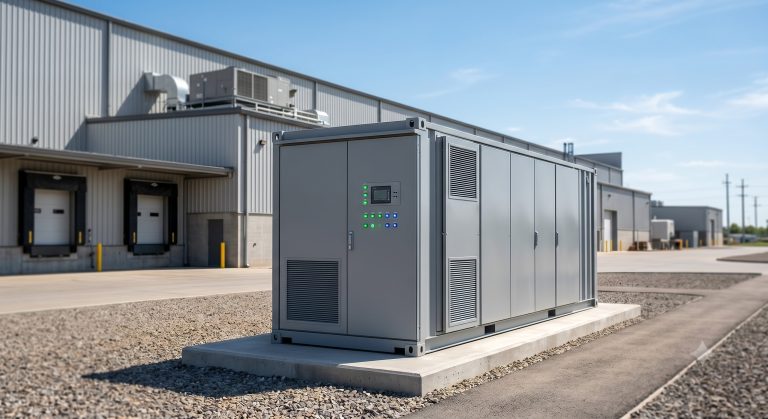
Overview
As a B2B energy storage system (BESS) technical support engineer, I understand that safety is the paramount concern when deploying any battery technology inside a residential or commercial property. This FAQ directly addresses the core question: How safe are lithium iron phosphate (LFP) batteries for indoor home use? We cut through the marketing noise to provide definitive, engineering-backed answers on thermal runaway prevention, BMS functionality, and the certifications that matter. This guide is designed for installers, facility managers, and procurement specialists seeking a technically robust and safe indoor energy storage solution.
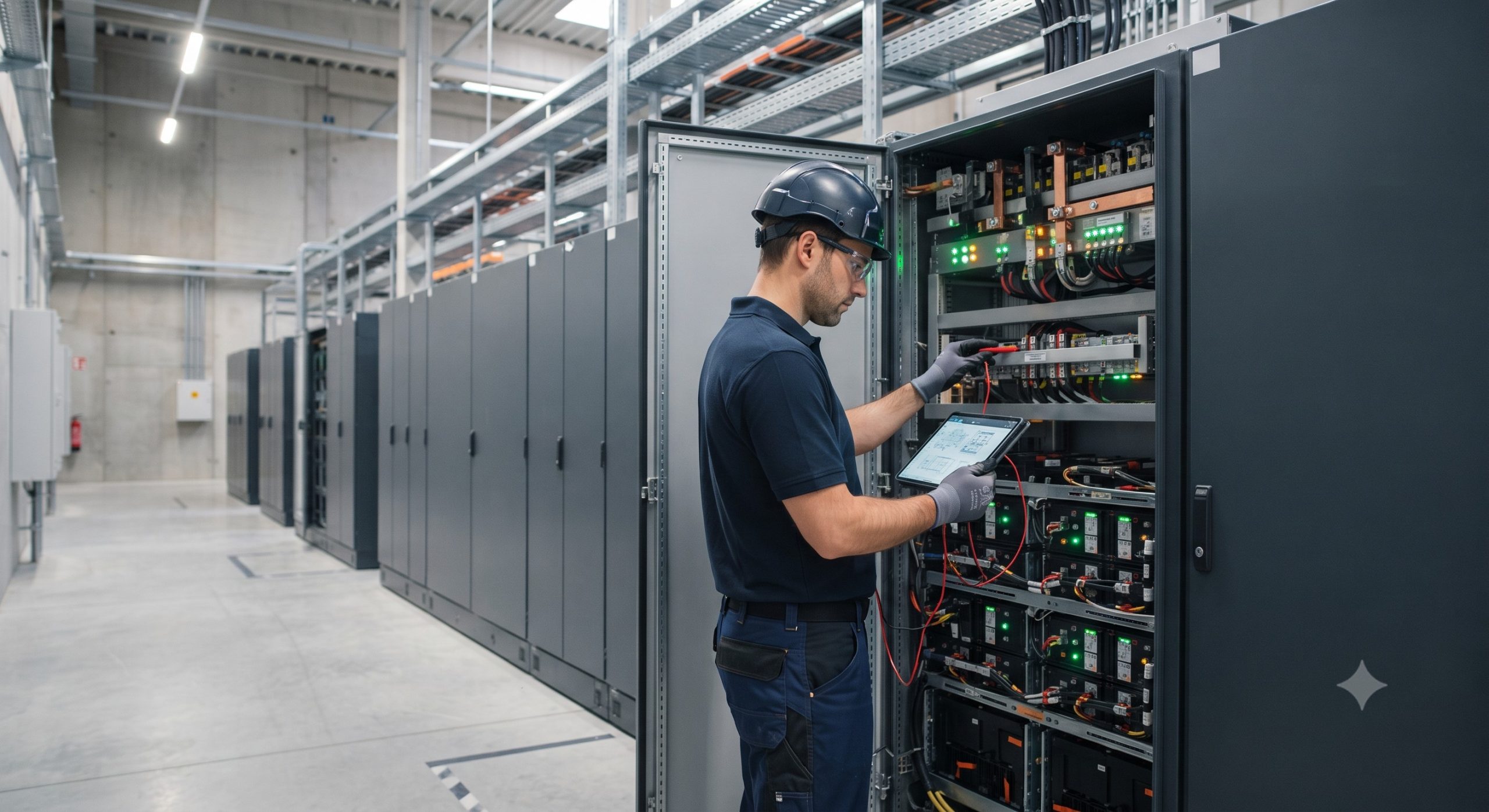
Frequently Asked Questions
- Q1: What is the primary safety advantage of LFP chemistry over NMC for indoor use?
- The primary safety advantage is its exceptional thermal and chemical stability, which makes it virtually immune to thermal runaway.
- Unlike Nickel Manganese Cobalt (NMC) batteries, Lithium Iron Phosphate (LFP) has a higher thermal runaway threshold (over 500°C) and does not release oxygen during decomposition. This means that even if punctured or subjected to extreme heat, the battery is significantly less likely to catch fire or explode, making it the safer choice for indoor environments.
- Q2: How does the Battery Management System (BMS) prevent fire hazards and thermal runaway?
- The BMS is the brains of the battery, actively monitoring cell voltage, temperature, and current to prevent conditions that could lead to a fire.
- It operates on three core safety layers: 1) Real-time monitoring of individual cell parameters, 2) Automatic disconnection via contactors if parameters exceed safe limits, and 3) Passive and active balancing to ensure all cells operate within a safe state of charge. In the event of a fault, the BMS initiates a controlled shutdown, preventing thermal runaway.
- Q3: What fire suppression and gas detection systems are standard for indoor LFP cabinets?
- Standard indoor LFP cabinets are equipped with a multi-tier fire suppression system that typically includes aerosol or clean-agent suppression and integrated gas/smoke detection.
- These systems are designed for early intervention. Before a thermal event occurs, gas and smoke detectors sense abnormalities and trigger alarms. If a fire is detected, the suppression system activates to extinguish it without damaging surrounding electronics, preventing the spread of fire to the building.
- Q4: Do I need special permits or certifications to install an LFP battery indoors?
- Yes, you must adhere to strict international standards, including UL 9540 for the complete system and UL 9540A for thermal runaway fire propagation testing.
- These certifications are not optional; they are a baseline for safety compliance. UL 9540 evaluates the entire energy storage system for fire and electrical shock hazards, while UL 9540A specifically tests how a system handles a single cell failure to ensure a fire does not propagate to adjacent cells or the building.
- Q5: Is the liquid cooling system itself a potential risk for indoor installations?
- No, advanced liquid cooling systems are engineered to be a risk-mitigation feature, not a risk factor, by maintaining optimal and uniform cell temperatures.
- The system uses a non-conductive coolant in a closed-loop, eliminating any risk of electrical shorts from leaks. By keeping cell temperatures within a narrow, ideal range (typically 15°C to 30°C), it prevents hotspots that degrade cells and reduces the long-term risk of failure, thereby enhancing overall safety and cycle life.
- Q6: What is the guaranteed cycle life and safety degradation profile for an indoor LFP system?
- The standard cycle life for a Tier-1 LFP battery is over 6,000 cycles at 80% Depth of Discharge (DoD), with a safe degradation profile that is linear and predictable.
- This means after 6,000 daily cycles (roughly 16 years of use), the battery will still retain 80% of its original capacity, maintaining a safe operational envelope. This predictable degradation allows the BMS to continuously recalibrate its safety parameters, ensuring the system operates safely throughout its entire lifespan.
- Q7: What are the specific clearance and ventilation requirements for safe indoor installation?
- Specific clearance and ventilation requirements are dictated by the manufacturer and must be followed explicitly to ensure safe operation.
- While LFP batteries do not vent toxic or flammable gases under normal operation, you must maintain a minimum clearance (e.g., 300mm front, 100mm sides) for service access and heat dissipation. For indoor installations, an ambient temperature of 0-40°C is typically required. The system must be installed away from direct sunlight and sources of combustible materials, per National Electrical Code (NEC) guidelines.
- Q8: What is the recommended ROI calculation period considering the premium for LFP safety?
- The longer lifespan and superior safety of LFP often result in a lower Total Cost of Ownership (TCO) and a competitive ROI over 10-15 years, often achieving payback within 5-8 years.
- While the upfront cost is typically higher than alternatives like lead-acid, the LCOE (Levelized Cost of Energy) is significantly lower due to the extended cycle life and minimal maintenance. Furthermore, the reduced insurance premiums and risk mitigation associated with fire-safe LFP batteries directly contribute to a stronger financial model for your home energy system.