Introduction: The Next Frontier in Residential Energy Autonomy
The global energy transition is rapidly moving from centralized utility-scale projects to the distributed edge of the grid. As solar PV penetration surges and dynamic electricity pricing becomes the norm, the low-voltage home Battery Energy Storage System (BESS) has evolved from a luxury backup device into a critical asset for energy cost optimization and grid resilience. However, the market is flooded with disparate solutions, making it challenging for system architects and discerning homeowners to differentiate between consumer-grade electronics and engineered energy systems.
This technical deep dive dissects the architecture, performance metrics, and integration strategies of modern low-voltage home BESS. We move beyond superficial marketing claims to analyze core engineering specifications—from LFP cell chemistry and BMS topology to liquid cooling thermal management and grid support capabilities. Leveraging data from real-world deployments and compliance with rigorous standards like IEC 62619, UL 9540, and PAS 63100, this guide provides a comprehensive framework for evaluating and deploying a system that delivers measurable ROI and decades of reliable service.
Core Architecture & Battery Management System (BMS) Topology
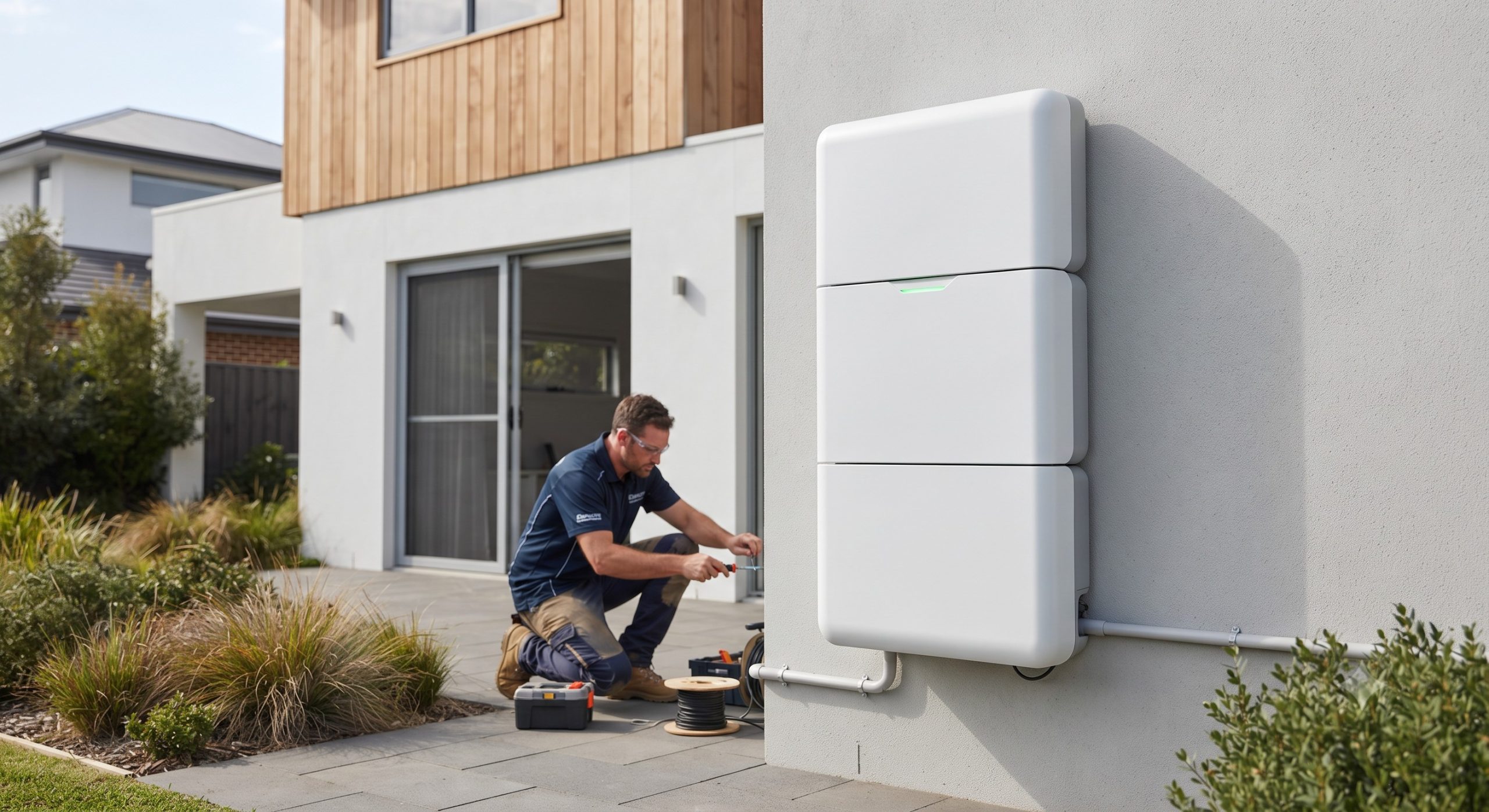
The foundational building blocks of a high-performance home BESS are its Battery Management System (BMS) and Power Conversion System (PCS). Unlike commercial systems operating at 800V+ DC buses, residential systems typically operate at a nominal voltage of 51.2V DC . This low-voltage architecture enhances safety for household installation and maintenance, but it places unique demands on the BMS for current handling and cell balancing.
The BMS: The Guardian of Cell Health
A sophisticated BMS is non-negotiable for ensuring safety and longevity. Its primary functions include monitoring individual cell voltages, temperatures, and State of Charge (SoC). A critical feature often overlooked is the cell balancing circuit. Passive balancing dissipates excess energy as heat, which is simple but inefficient. For systems utilizing recycled or high-performance cells, active balancing is superior, redistributing energy between cells to maximize usable capacity and extend cycle life . Advanced BMS solutions incorporate processors that continuously optimize voltage equalization, often using buck-boost topologies to transfer energy between adjacent cells, ensuring that a weak cell does not compromise the entire module’s performance .
Power Conversion System (PCS) & Hybrid Inverter Integration
The PCS handles the bidirectional flow of energy, converting DC from the battery to AC for the home and vice versa. For low-voltage systems, bidirectional DC-DC converters are integral. A common topology is the two-phase interleaved synchronous buck-boost converter, which utilizes 650V IGBTs or MOSFETs to manage the DC link voltage . Modern systems prioritize DC-coupled architectures where the BESS shares a common DC bus with the PV array. This requires only one conversion step (DC-AC), yielding higher round-trip efficiency compared to AC-coupled systems, which require two conversion steps .
Thermal Management: Liquid Cooling vs. Air Cooling
Thermal control is paramount for maintaining performance and preventing premature degradation. As systems increase in capacity and power density, managing internal heat becomes a primary engineering challenge. While many home BESS units utilize natural or forced air cooling, high-performance systems are adopting advanced thermal strategies.
Liquid cooling offers superior thermal efficiency. By circulating a coolant through fluid pipelines connected to the battery packs, it maintains a more uniform temperature across all cells . This is particularly critical for systems pushing high C-rates or operating in extreme ambient conditions. Uniform temperature distribution minimizes cell-to-cell variation, directly contributing to a longer cycle life and safer operation by reducing the risk of localized hotspots that could trigger thermal runaway. While air cooling remains cost-effective for lower-capacity units, liquid cooling is emerging as the standard for high-capacity, high-throughput systems, often integrated with the inverter’s thermal management loop.
Technical Specifications & Compliance Ledger
For a B2B procurement perspective, engineering specifications must be quantified. The following table provides a benchmark of key parameters expected from a Tier-1 low-voltage home BESS.
| Parameter | Specification / Metric |
|---|---|
| Battery Chemistry | LFP (Lithium Iron Phosphate) – Tier-1 Prismatic Cells |
| Nominal Voltage | 51.2 V DC |
| Usable Energy Capacity | 5 kWh – 40.9 kWh (Modular, stackable up to 15+ modules) |
| Round-trip Efficiency | Typically >92% (DC-coupled) |
| Cycle Life | >6,000 cycles @ 80% DoD, up to 10,000+ cycles @ 90% DoD |
| Depth of Discharge (DoD) | Up to 95% (recommended 90% for optimal longevity) |
| Operating Temperature Range | Charge: 0°C to +55°C; Discharge: -20°C to +55°C |
| Ingress Protection (IP) | IP65 (outdoor-rated) or IP30 (indoor) |
| Max. Continuous Power (kW) | Varies by capacity; supports up to 1C charge/discharge |
| Communication Protocols | RS485, CAN 2.0, Wi-Fi, Bluetooth |
| Safety Certifications | IEC 62619, UL 9540, CE, UN38.3, GB/T 44114, PAS 63100 compliant |
| Cell Balancing | Active (preferred) / Passive (BMS-integrated) |
| Cooling | Liquid Cooling (high-end) / Natural Air Cooling (standard) |
Safety & Regulatory Compliance
Certification to international safety standards is mandatory for grid interconnection and insurance. Key certifications include:
- IEC 62619: Safety requirements for secondary lithium cells and batteries, covering electrical, mechanical, and thermal safety .
- UL 9540: Standard for Safety of Energy Storage Systems and Equipment, ensuring comprehensive system-level safety .
- UN38.3: Transportation testing for lithium batteries, crucial for logistics .
- CE Marking: Compliance with EU health, safety, and environmental protection standards.
- PAS 63100:2024: UK specification for fire protection of BESS in dwellings, emphasizing safe siting (outdoors or separated from habitable rooms) and fire compartmentation .
- GB/T 44114-2024: Chinese national standard for electrochemical energy storage systems connecting to low-voltage distribution networks, covering operation control and power quality .
Commercial ROI & Grid Support Economics
The economic case for a home BESS is driven by three primary factors: peak shaving, grid service participation, and energy arbitrage.
Research from the University of Edinburgh demonstrates that combining voltage stabilization (a grid support service) with spot market trading can enhance the cost-effectiveness of BESS by approximately 57% compared to a single-use case . This multi-stream revenue model is becoming increasingly viable as Virtual Power Plants (VPPs) aggregate residential assets to provide frequency regulation and congestion management to Distribution System Operators (DSOs) .
For the homeowner, the primary benefit is demand charge reduction. By discharging the battery during peak tariff periods (typically evening hours), the system avoids purchasing expensive grid electricity. Modeling indicates that a system’s Depth of Discharge (DoD) strategy is critical; a higher DoD (e.g., 95%) increases usable capacity but must be balanced against cycle life to optimize the Levelized Cost of Storage (LCOS) .
Deployment Scenarios & Integration
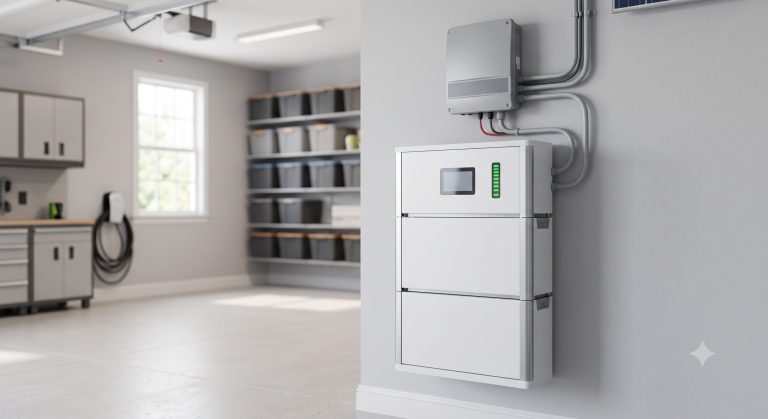
The versatility of modern modular systems allows for integration into diverse environments. Whether in a suburban home, a rural off-grid cabin, or a mixed-use commercial building, the system scales to meet demand.
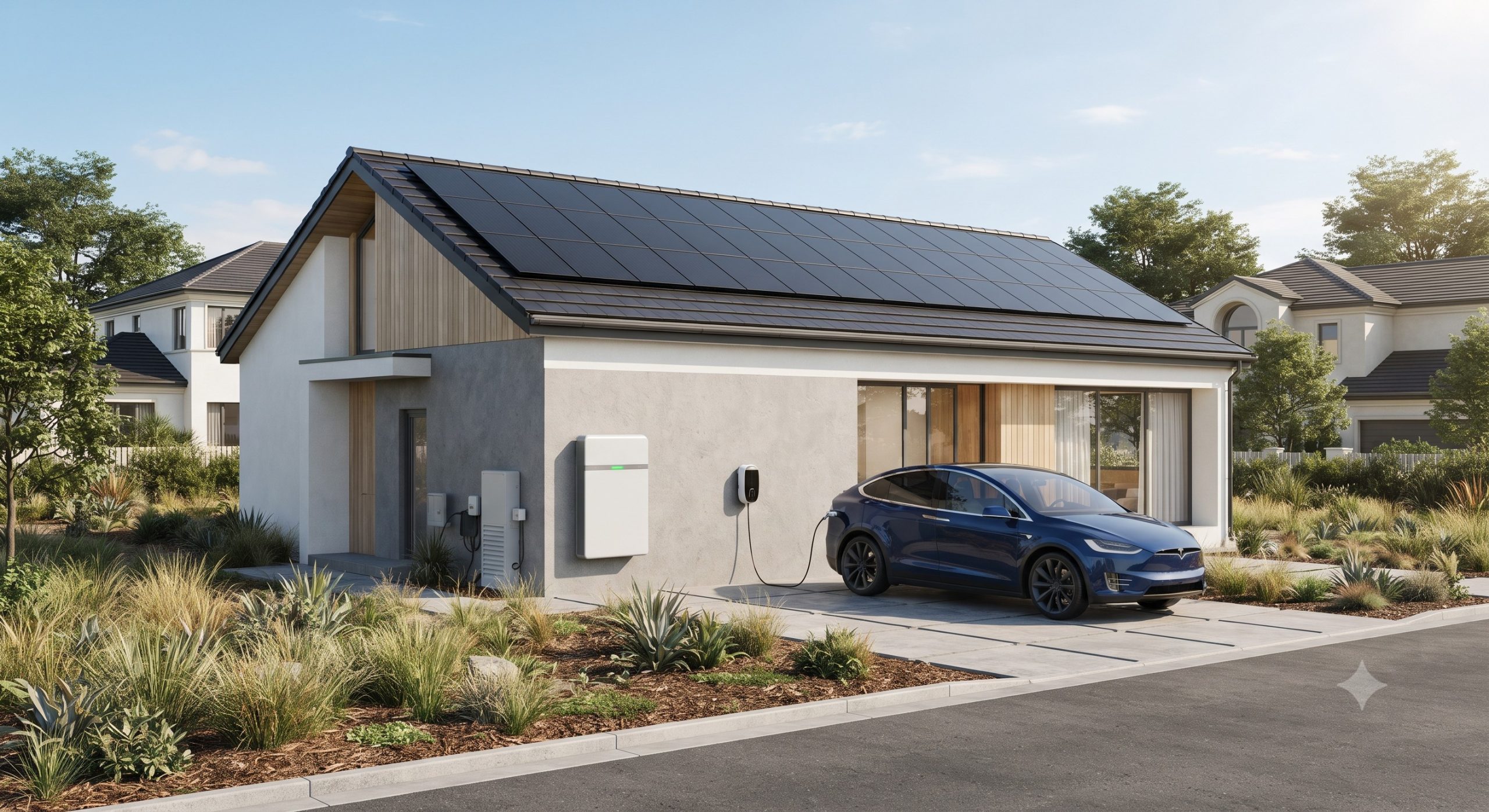
- Residential PV-Storage Synergy: The most common deployment integrates the BESS with rooftop solar. The system charges during the day and discharges in the evening, maximizing self-consumption and achieving near-energy independence.
- EV Supercharging Integration: As electric vehicle adoption accelerates, the BESS can buffer high-power EV chargers, preventing grid overloading and allowing for faster charging rates without costly infrastructure upgrades.
- Backup Power & Micro-grids: The BESS provides seamless off-grid transition during grid outages, ensuring critical loads (refrigeration, internet, lighting) remain powered. Advanced EMS controls can isolate the home into a self-sufficient micro-grid.
- VPP Aggregation: Multiple home systems are aggregated via cloud-based EMS to provide grid ancillary services, such as frequency response, transforming passive consumers into active grid participants .
Conclusion: The Path to Energy Sovereignty
The low-voltage home BESS is no longer a speculative technology; it is a mature, bankable asset. However, success lies in the details. System architects and buyers must scrutinize the cell chemistry (LFP), the sophistication of the BMS, the efficiency of the thermal management system, and the robustness of safety certifications. By prioritizing systems that offer modular scalability, intelligent EMS for grid interaction, and proven cycle life >6,000 cycles, you are not just buying a battery—you are investing in resilience, sustainability, and long-term energy price security in an increasingly electrified world.