STRATEGIC ASSET PROCUREMENT EVALUATION REPORT: B2B ENERGY STORAGE PROCUREMENT BEST PRACTICES
EXECUTIVE OVERVIEW
This document serves as a definitive technical and commercial framework for industrial, commercial, and utility-scale procurers navigating the complex B2B energy storage system (ESS) landscape. Moving beyond basic specifications, this report establishes a rigorous, multi-layered evaluation methodology designed to mitigate financial risk, ensure long-term asset performance, and align with international safety and reliability standards. It addresses the entire lifecycle, from technical due diligence and supplier qualification to operational optimization and end-of-life planning, representing the collective expertise of a Tier-1 global energy storage vendor.

TECHNICAL DUE DILIGENCE & SYSTEM ARCHITECTURE
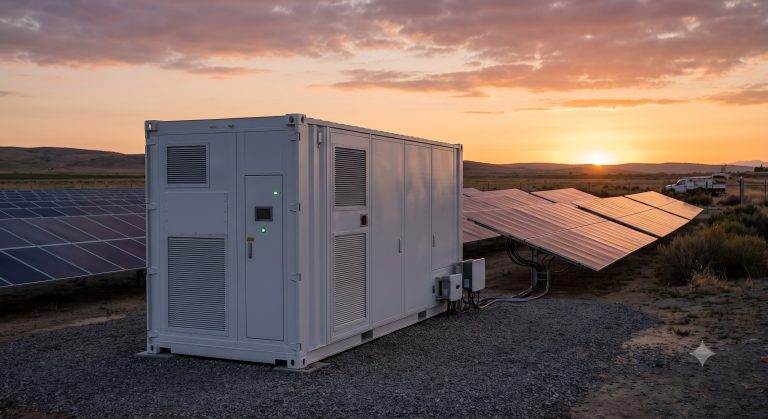
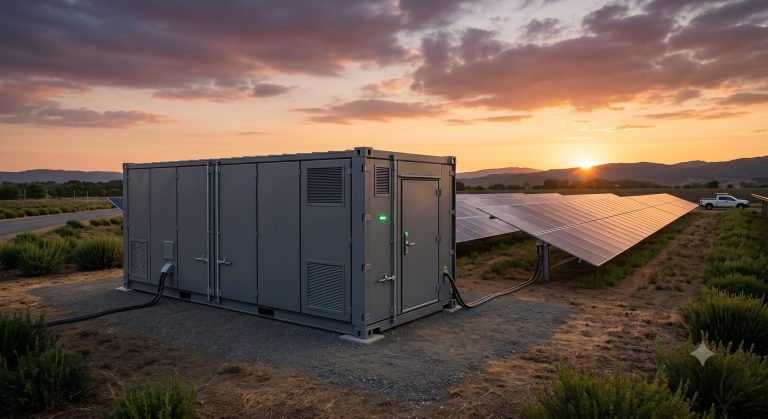
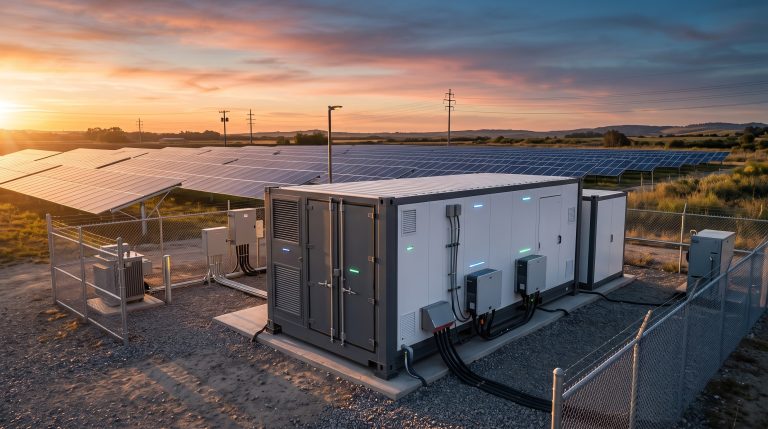
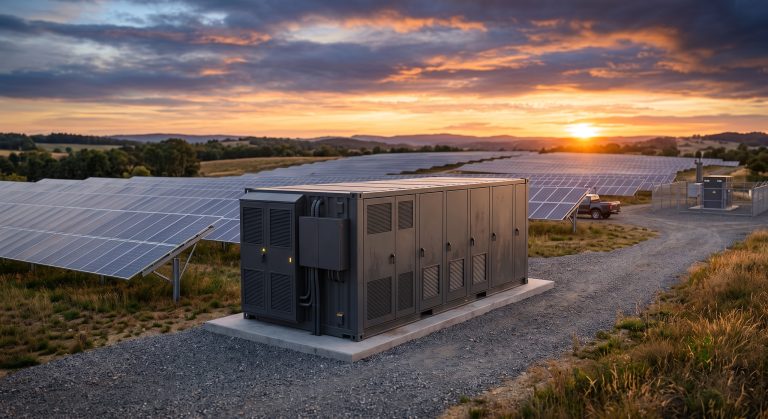
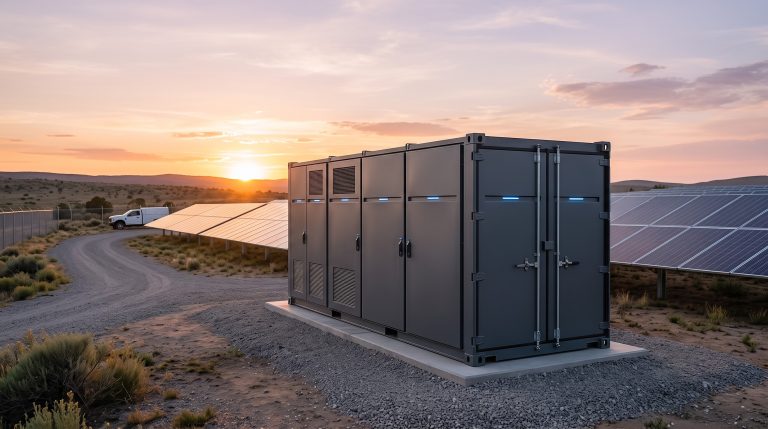
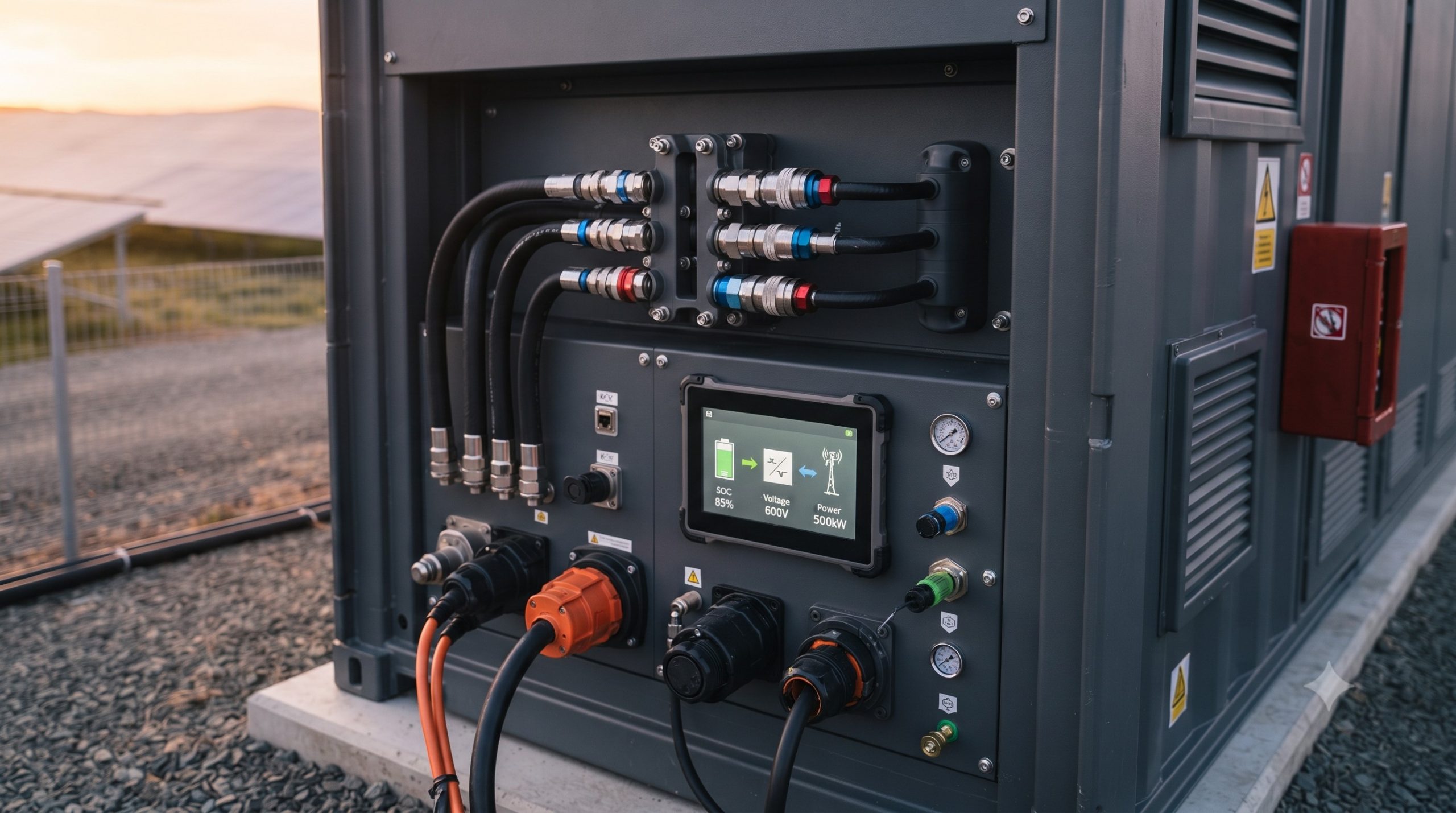
A fundamental pillar of best-practice procurement is a deep technical interrogation of the proposed system architecture. This requires moving beyond nameplate capacity to understand the interplay of core components: the battery management system (BMS), power conversion system (PCS), and energy management system (EMS). Procurers must demand transparent data on cell chemistry provenance, module assembly quality, and thermal management strategy. The architecture must be evaluated for its scalability, redundancy, and ability to integrate seamlessly with existing or planned on-site generation and loads. Critical interrogation points include the system’s black-start capability, grid-forming vs. grid-following modes, and the communication protocol stack (e.g., Modbus TCP/IP, IEC 61850) that ensures interoperability with utility networks and microgrid controllers. A modular, containerized or cabinet-based approach with pre-commissioned internal wiring offers significant advantages in reducing on-site installation risk, cost, and time, making it a preferred procurement target.
KEY FEATURES & OPERATIONAL ADVANTAGES
– Feature 1: Advanced Liquid Cooling Thermal Management: An intelligent liquid cooling system actively regulates cell temperature across a wide ambient range, ensuring a minimal temperature differential within the battery rack. This precision directly enhances cycle life, maximizes usable capacity, and reduces the risk of thermal runaway, ensuring consistent performance and a projected 10+ year operational lifespan.
– Feature 2: Tier-1 LFP Cell Chemistry Integration: The system is engineered around prismatic LiFePO4 (LFP) cells from a verified, top-tier supplier. This chemistry offers intrinsic thermal and chemical stability, a flat discharge voltage curve, and eliminates the risk of cobalt-related supply chain volatility. This ensures the highest levels of safety and a superior total cost of ownership.
– Feature 3: Intelligent EMS & Cloud Monitoring Platform: An integrated, AI-powered Energy Management System provides predictive analytics, demand charge management, and peak shaving optimization. The platform features a secure, cloud-based monitoring interface for real-time visibility into asset health, state of charge (SoC), state of health (SoH), and financial performance, enabling proactive O&M and data-driven decision-making for the procurer.
COMPLIANCE, STANDARDS & SAFETY CERTIFICATIONS
Rigorous adherence to international standards is non-negotiable. Best practice demands that a procured system holds active, verifiable certifications that guarantee its safety and performance. Procurers must request and validate certificates for the complete system (not just components), which should include:
– UL 9540: Standard for Safety of Energy Storage Systems and Equipment.
– UL 9540A: Test Method for Evaluating Thermal Runaway Fire Propagation in Battery Energy Storage Systems.
– IEC 62619: Secondary cells and batteries containing alkaline or other non-acid electrolytes – Safety requirements for secondary lithium cells and batteries, for use in industrial applications.
– IEC 63056: Secondary cells and batteries containing alkaline or other non-acid electrolytes – Safety requirements for secondary lithium batteries and batteries for use in electrical energy storage systems.
– CE, UN 38.3 (Transportation), and relevant IEEE standards for grid interconnection.
| EVALUATION PARAMETER | PROCUREMENT CRITERIA & BEST PRACTICE |
|---|---|
| Cell Chemistry & Supplier | Tier-1 LiFePO4 (LFP) with verifiable supply chain & UN38.3 certification. Request cell-level test reports for cycle life and safety. |
| Thermal Management | Intelligent liquid cooling system. Critical for maintaining optimal temperature differential (<5°C between cells) to ensure long-term performance and safety. |
| Key Certifications | Complete system-level certifications including UL 9540 & IEC 62619. Validate active status and scope of certification, not just compliance claims. |
| Warranty Structure | Performance-backed warranty (e.g., 70% capacity retention or a defined MWh throughput over 10+ years). Clearly define exclusions and performance test conditions. |
INDUSTRIAL DEPLOYMENT & PROCUREMENT PROCESS
Successful procurement is contingent upon a transparent process that includes supplier financial stability audits, factory acceptance testing (FAT) witnessing, and a clear definition of warranty terms and conditions. The warranty should be performance-backed, specifying a minimum energy throughput (MWh) or a guaranteed capacity retention (e.g., 70% of nominal capacity) over a defined period (e.g., 10 years). Procurers are advised to insist on a turnkey proposal that includes all balance-of-system (BOS) components, such as the skid, AC/DC disconnects, transformers, and the site-specific civil engineering requirements (pad preparation, grounding, and fencing). A collaborative engagement with the supplier during the design phase—including a detailed site survey and grid impact study—is essential to de-risk the project and ensure the final asset meets its financial and operational objectives, such as peak shaving, demand charge reduction, and backup power provision for critical industrial loads.
📥 Download Technical Specification
Click the button below to view or download the full official PDF datasheet.