COMMERCIAL SYSTEMS ENGINEERING REFERENCE MANUAL: DEMAND CHARGE MANAGEMENT STRATEGY
EXECUTIVE SUMMARY
This document serves as the definitive engineering reference for deploying Sungrow’s advanced Battery Energy Storage System (BESS) platform specifically optimized for Demand Charge Management (DCM) in commercial and industrial (C&I) applications. As utility tariffs increasingly penalize peak power consumption, the ability to dynamically shave peak demand through intelligent energy storage dispatch has become a critical economic imperative for facility operators. Our DCM strategy leverages proprietary predictive algorithms, high-performance Tier-1 LFP cells, and a bi-directional power conversion system to deliver guaranteed peak load reduction, transforming a facility’s energy cost structure from a fixed operational liability into a manageable, optimized asset.
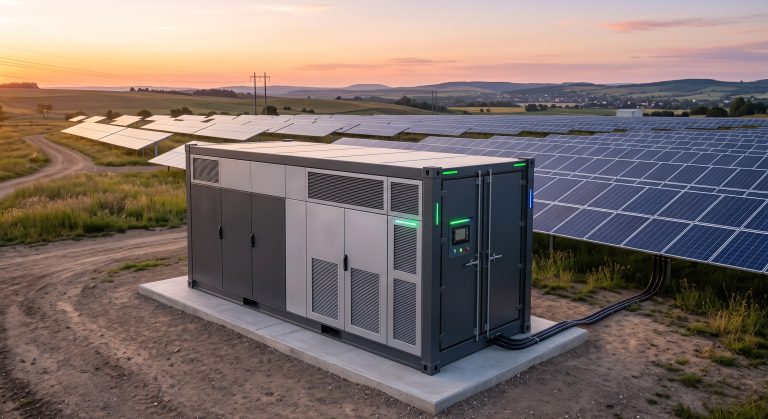
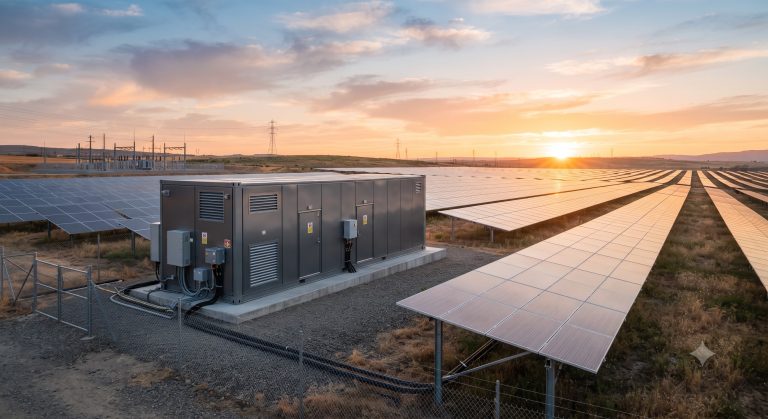
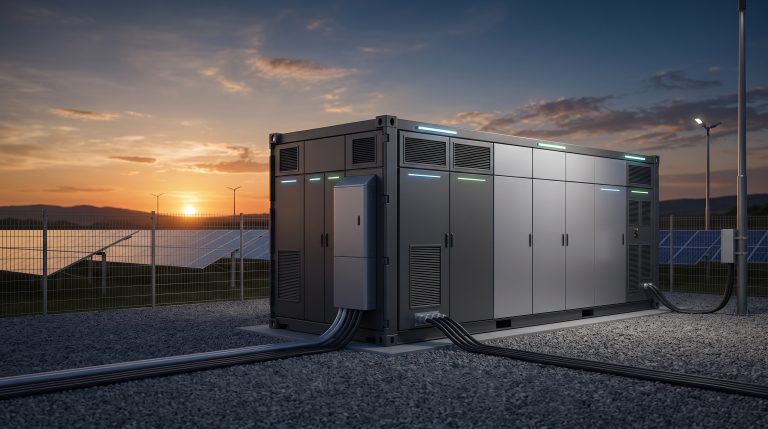
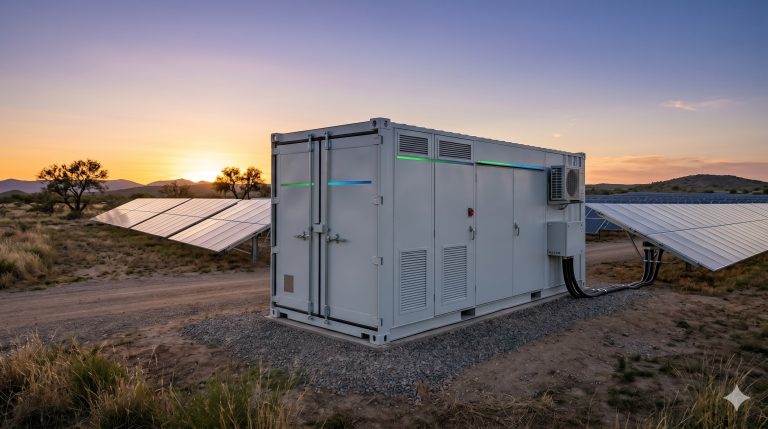
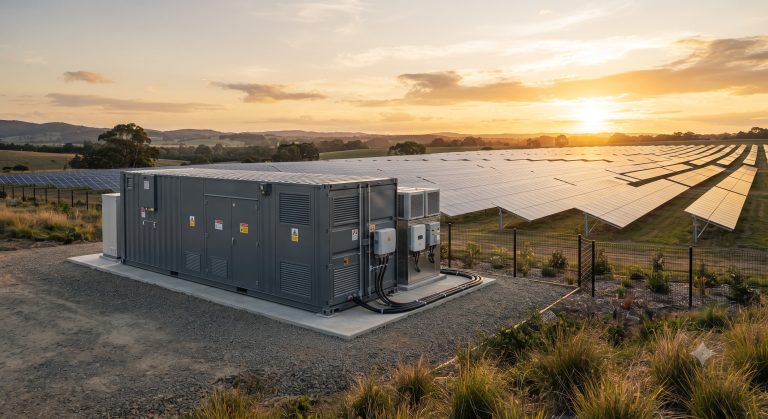
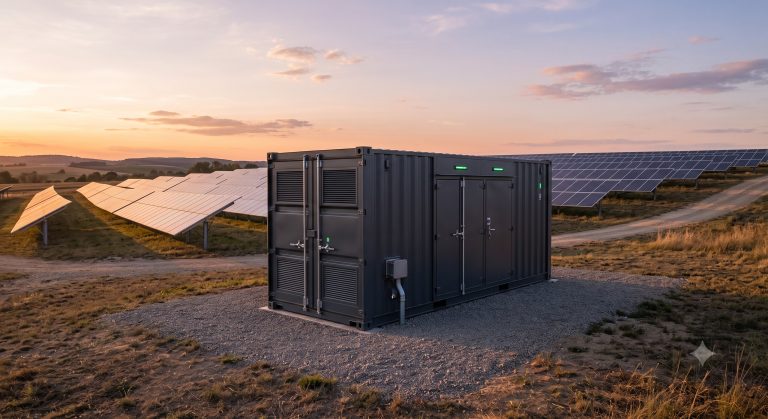
The core architecture is designed around a 215 kWh to 372 kWh modular outdoor cabinet, scalable to multi-MWh configurations through parallel expansion. This system integrates seamlessly with existing facility loads, PV solar arrays, and EV charging infrastructure, providing a unified energy management solution that minimizes demand charges while maximizing on-site renewable self-consumption.
SYSTEM ARCHITECTURE & SAFETY
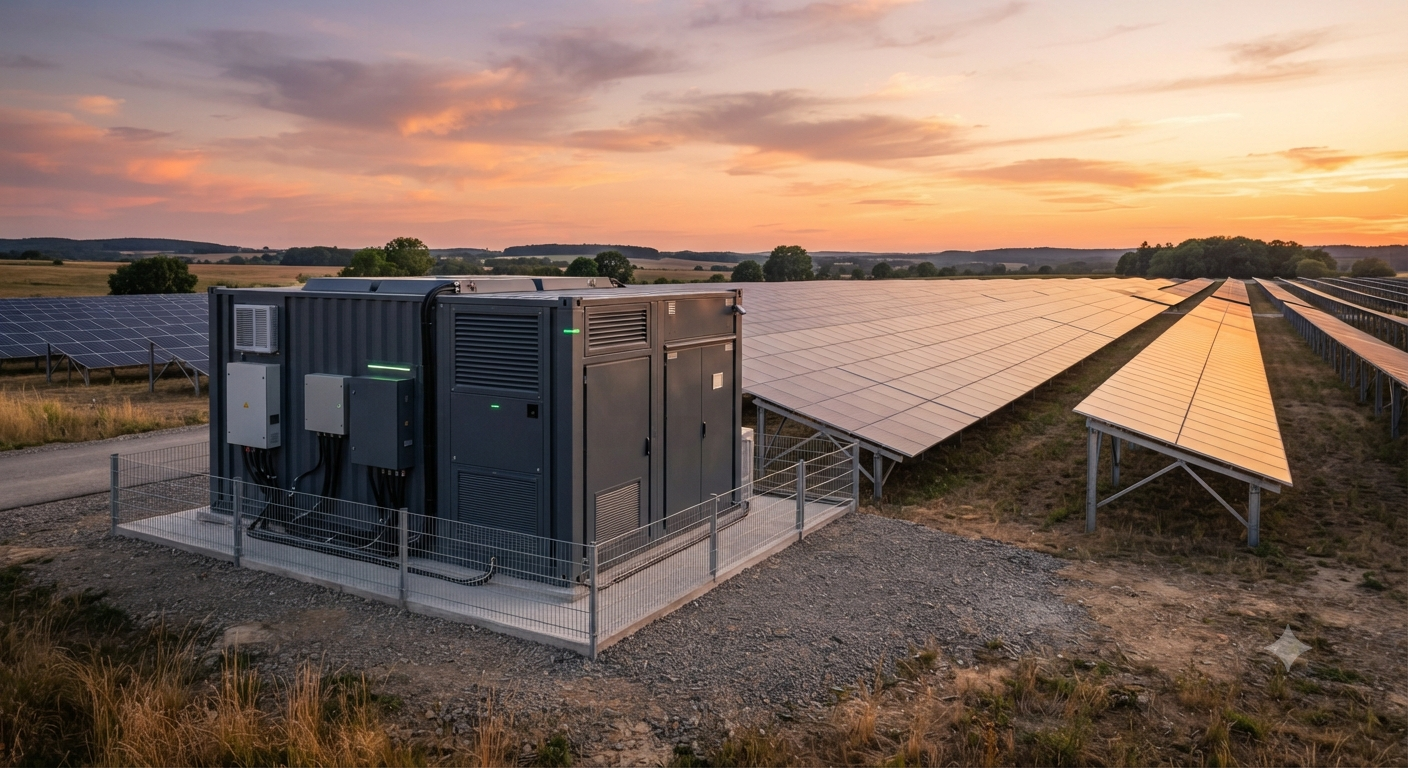
The system is anchored by a high-voltage DC bus architecture, interfacing with the grid through a robust bi-directional PCS. The power conversion unit features a wide DC input voltage range, enabling efficient operation across varying battery states of charge. A sophisticated Battery Management System (BMS) continuously monitors each individual cell, ensuring balanced voltage, temperature, and current distribution. Communication between the BMS, PCS, and the cloud-based Energy Management System (EMS) is facilitated via high-speed Modbus TCP and CAN protocols, enabling real-time dispatch commands and remote firmware updates.
Safety is embedded at every layer of the design. The system enclosure meets UL 9540 and IEC 62619 standards, featuring a multi-layered protection scheme. This includes an active thermal management system with fault detection and isolation, a dedicated fire suppression system compliant with NFPA 855, and rapid shutdown capabilities for emergency response. The cabinet is engineered with a ruggedized, weatherproof design (IP55 / NEMA 3R), ensuring reliable operation in diverse outdoor environments, from extreme heat to heavy snowfall.
KEY FEATURES
– Predictive Peak Shaving Algorithm: The integrated EMS utilizes advanced machine learning models to forecast facility load profiles and utility tariff structures. It autonomously schedules battery dispatch to minimize peak demand during utility-defined peak windows, optimizing for maximum cost savings without compromising operational capacity.
– Dynamic Grid Interfacing: The bi-directional PCS supports both grid-tied and micro-grid operations, enabling seamless transitions between charging, peak shaving, and backup power modes. This allows the system to participate in demand response programs and provide ancillary grid services.
– High-Density Liquid Cooling: A bespoke liquid cooling system maintains cells within an optimal temperature band of 20-25°C, improving round-trip efficiency to >90% and extending cell cycle life beyond 6,000 cycles at 90% Depth of Discharge (DoD).
– Scalable Modular Design: The cabinet-based form factor allows for parallel expansion up to 10+ MWh, enabling facilities to scale their storage capacity as operational demands or financial metrics evolve. The design includes a standardized DC busbar for simplified electrical integration.
– Tier-1 LFP Cell Chemistry: The platform is built upon the safest and most durable lithium-ion chemistry on the market. LFP cells are inherently resistant to thermal runaway and provide a long service life, making them ideal for high-cycling C&I applications where daily charge/discharge is standard.
COMPLIANCE & STANDARDS
Full compliance with international standards ensures global bankability and project financing viability. Key certifications include UL 9540 (Energy Storage Systems and Equipment), UL 1973 (Batteries for Use in Stationary Applications), IEC 62619 (Secondary Cells and Batteries), and IEC 62477 (Safety for Power Converters). The system also meets IEEE 1547 for grid interconnection requirements, ensuring a smooth integration with local utility networks. The complete system is UN 38.3 certified for transport safety.
TECHNICAL SPECIFICATIONS
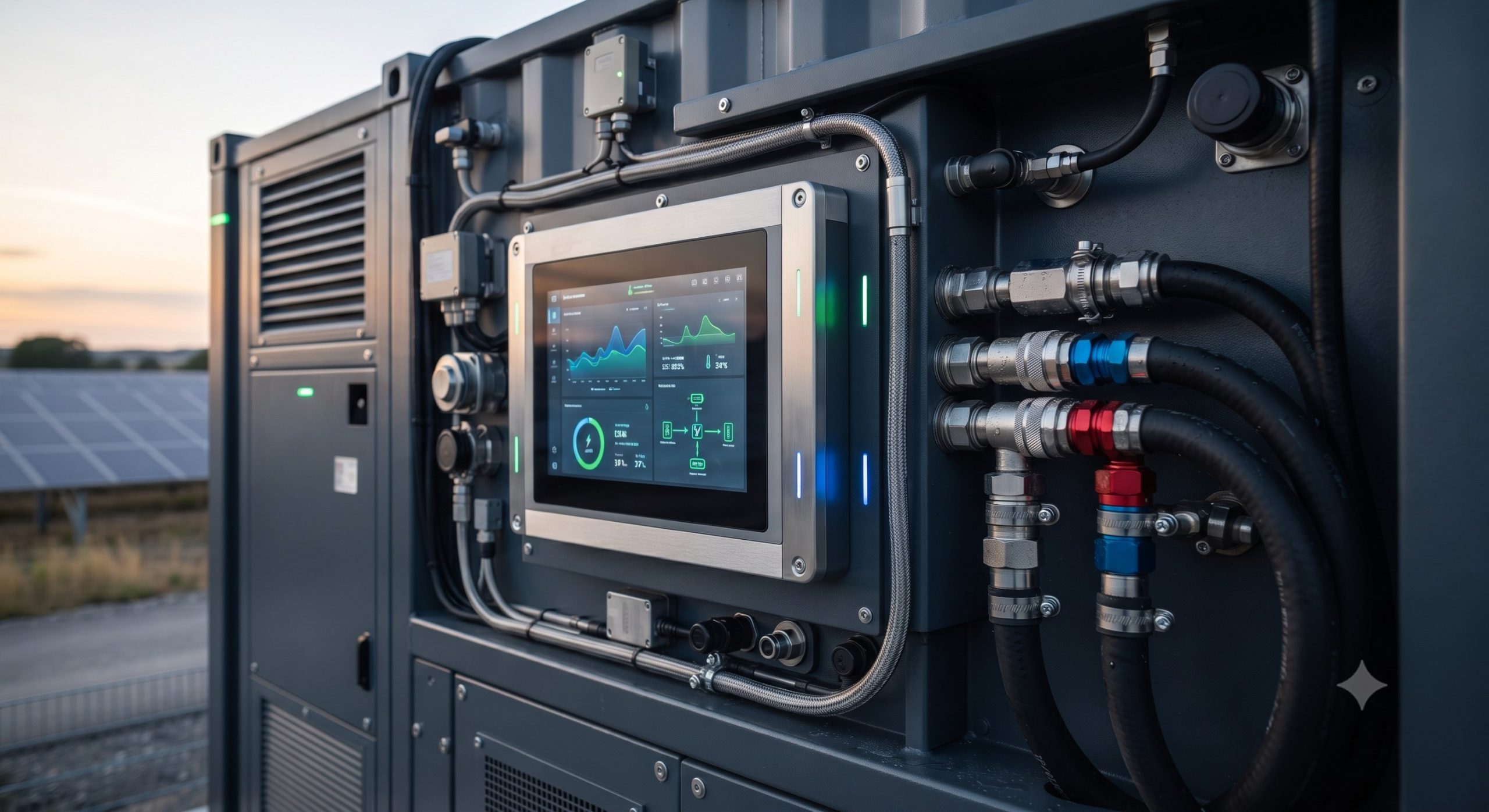
| Parameter | Specification |
|---|---|
| Nominal Energy | 215 kWh / 372 kWh per cabinet |
| Cooling Method | Smart Liquid Cooling (Anti-condensation) |
| Cell Chemistry | Tier-1 LFP (Lithium Iron Phosphate) |
| System Voltage | 600-900 VDC |
| Round-trip Efficiency | > 90% (at 25°C, 0.5C rate) |
| Cycle Life | > 6,000 cycles at 90% DoD |
| Operating Temperature | -20°C to +55°C |
| Enclosure Rating | IP55 / NEMA 3R |
| Communication Protocols | Modbus TCP, CAN 2.0 |
| Standards Compliance | UL 9540, IEC 62619, UL 1973, IEEE 1547 |
INDUSTRIAL DEPLOYMENT & ROI
The Demand Charge Management Strategy is particularly effective for manufacturing plants, data centers, food processing facilities, commercial office complexes, and EV charging hubs. By reducing peak demand by up to 30-40%, the system typically achieves a payback period of 3-5 years, depending on local utility rates. Furthermore, the system can be optimized to shift energy from low-cost off-peak periods to high-cost on-peak periods, driving a favorable LCOE and enhancing the facility’s sustainability profile. The modular design simplifies transportation and deployment, reducing installation time and upfront capital expenditure.
📥 Download Technical Specification
Click the button below to view or download the full official PDF datasheet.