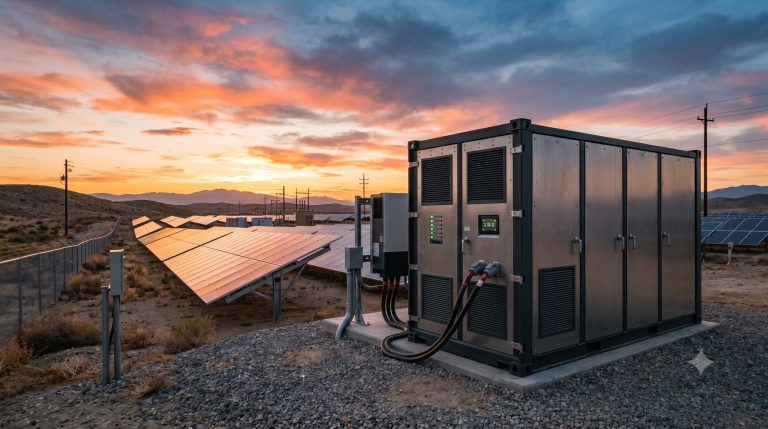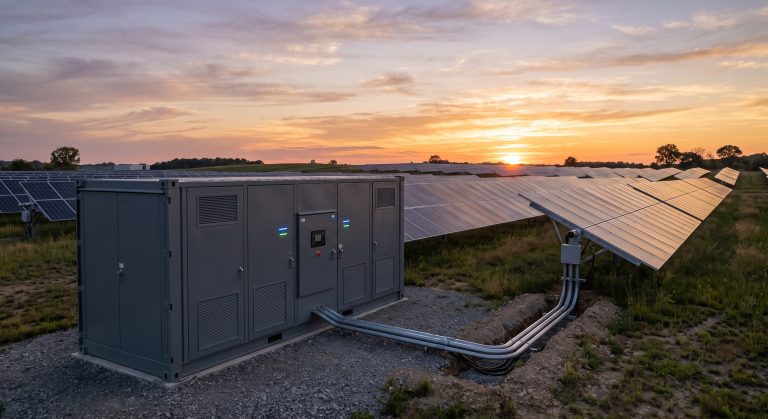
TURNKEY C&I ENERGY STORAGE SOLUTION BRIEF: DEPLOYING HOUSEHOLD ENERGY SELF-SUFFICIENCY
EXECUTIVE SUMMARY
This whitepaper presents a comprehensive technical overview and commercial datasheet for our advanced Household Energy Self-Sufficiency platform, designed to deliver complete grid independence for residential and light-commercial applications. The system integrates high-density Tier-1 LFP battery storage, a bi-directional hybrid inverter, and an intelligent Energy Management System (EMS) into a compact, wall-mountable or floor-standing unit. Engineered for seamless integration with new and existing photovoltaic (PV) arrays, the platform enables optimal self-consumption, backup power during grid outages, and participation in demand-response programs. By achieving a round-trip efficiency of up to 92% and supporting 100% depth of discharge (DoD), this solution represents a paradigm shift in residential energy economics, significantly reducing Levelized Cost of Storage (LCOS) and offering a clear path to energy autonomy. This document outlines the system architecture, core technical specifications, safety certifications, and deployment considerations for engineering, procurement, and construction (EPC) firms, installers, and end-users.
SYSTEM ARCHITECTURE & SAFETY
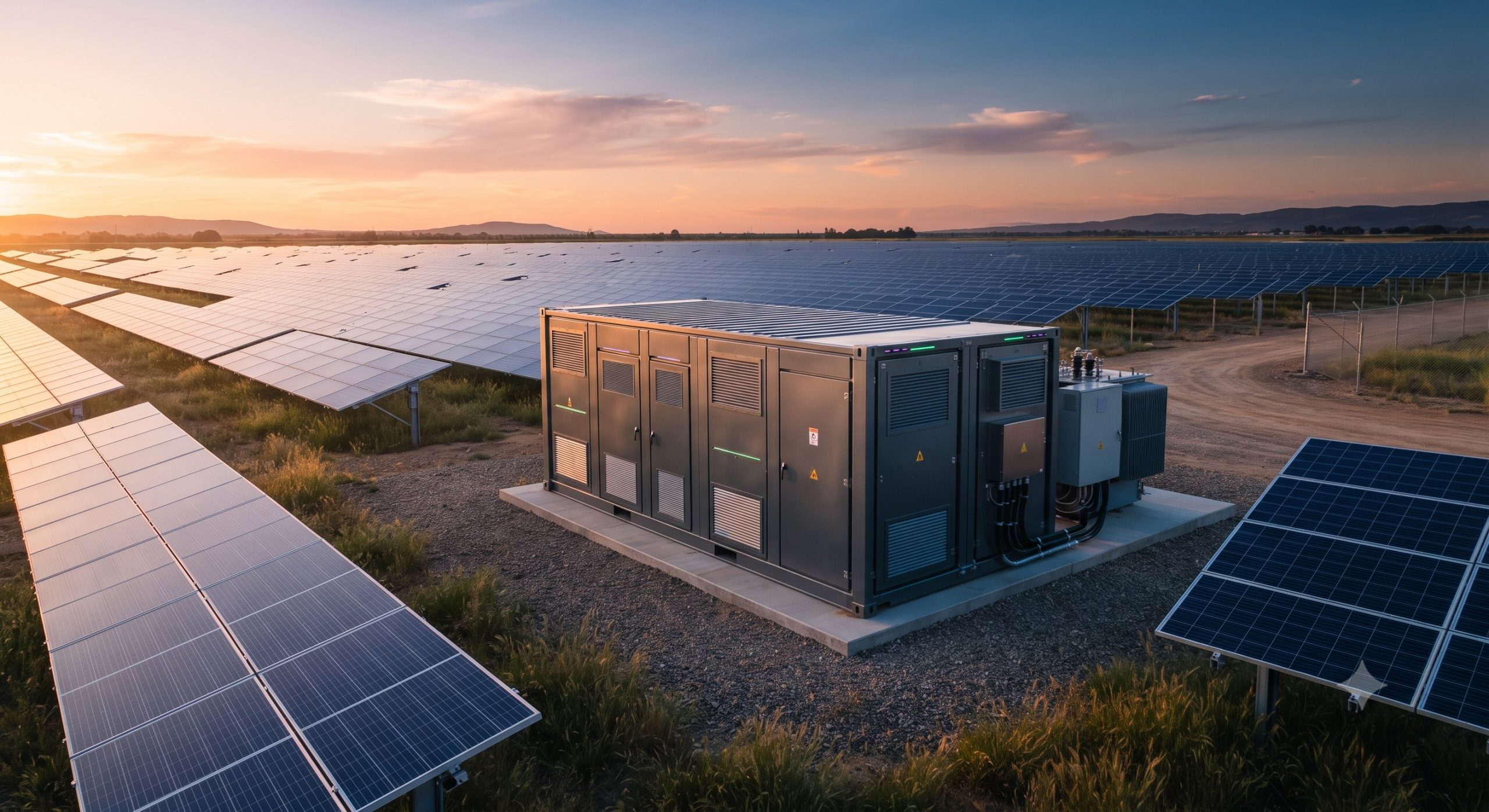
The system is built upon a modular, scalable architecture that prioritizes safety and performance. At its core is a high-voltage battery pack composed of prismatic LiFePO4 (LFP) cells, providing inherent thermal and chemical stability. The battery module is managed by a three-level Battery Management System (BMS) that monitors cell voltage, temperature, and state-of-charge (SoC) at the individual cell, module, and pack levels. This architecture is complemented by a high-efficiency bi-directional inverter (Power Conversion System – PCS) that handles DC-to-AC and AC-to-DC conversion, ensuring seamless grid synchronization and power conditioning. The system’s safety layer includes a multi-stage protection scheme: passive thermal runaway prevention through the LFP chemistry, active protection via contactors and fuses, and a dedicated fire suppression system integrated within the enclosure. The enclosure itself is designed to IP65/NEMA 4X standards, ensuring robust performance in a wide range of environmental conditions, from extreme heat to freezing temperatures. The EMS serves as the system’s brain, utilizing machine learning algorithms to optimize energy flow, predict consumption patterns, and manage peak shaving and load shifting to maximize economic returns.
KEY FEATURES
– High-Efficiency Bi-Directional Inverter: Integrated hybrid PCS delivers 5kW to 10kW of continuous power output with a peak efficiency of 97.5%, supporting both on-grid and off-grid operations and enabling seamless backup power transition within 5ms.
– Advanced Battery Intelligence: The three-tier BMS provides real-time cell balancing, health monitoring, and predictive diagnostics, extending battery cycle life beyond 6000 cycles at 90% DoD.
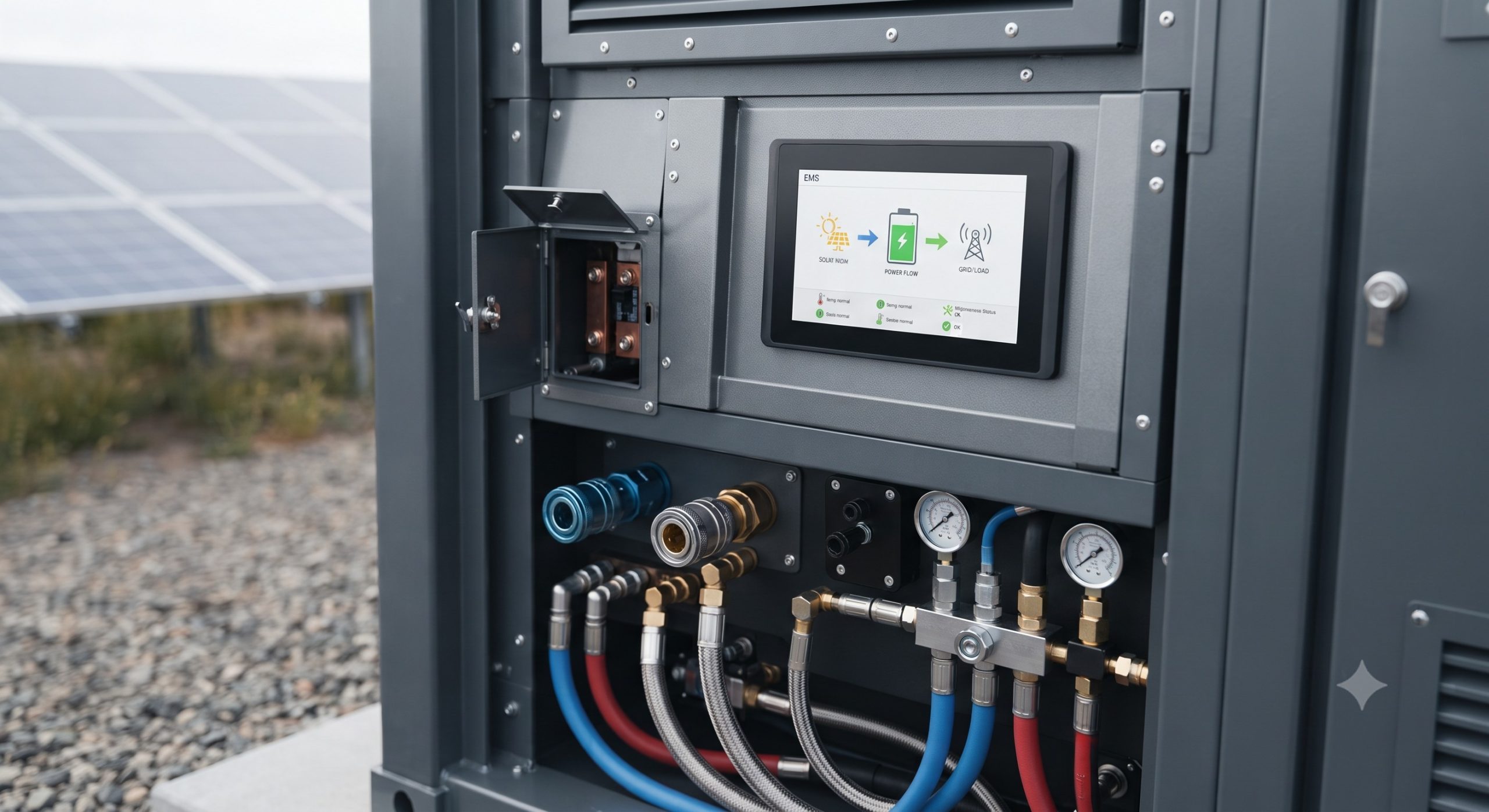
– Intelligent Energy Management: The built-in EMS, accessible via an intuitive mobile app and web portal, enables automated scheduling, demand-response participation, and real-time monitoring of energy flow, CO2 savings, and system performance.
– Robust Safety and Compliance: Certified to IEC 62619, UL 9540, and UN 38.3, the system includes passive and active thermal management, automatic fault isolation, and a built-in fire suppression system, ensuring the highest levels of operational safety.
– Scalable and Flexible Design: The modular architecture allows for parallel expansion of up to three units, providing a total capacity of up to 30kWh/15kW, catering to varying household or light-commercial energy needs.
COMPLIANCE & STANDARDS
The Household Energy Self-Sufficiency platform is engineered to meet and exceed the most rigorous international standards for safety and performance. Full compliance is certified through a series of third-party lab tests and factory audits, confirming adherence to key regulatory frameworks. This commitment to compliance ensures that our system is eligible for utility incentives, grid interconnection agreements, and global shipping without cumbersome re-certification. A summary of the key certifications and standards is provided in the following Technical Specifications table.
TECHNICAL SPECIFICATIONS
| Parameter | Specification |
|---|---|
| Nominal Energy Capacity | 5.0 kWh / 10.0 kWh per cabinet |
| Usable Energy Capacity (90% DoD) | 4.5 kWh / 9.0 kWh |
| Nominal Voltage | 48 VDC |
| Operating Voltage Range | 38 VDC – 56 VDC |
| Cell Chemistry | Tier-1 LFP (LiFePO4) Prismatic Cells |
| Charge/Discharge Power | 5.0 kW / 10.0 kW Peak |
| Round Trip Efficiency | 92% |
| Cycle Life (80% EoL) | 6000 cycles at 90% DoD, 25°C |
| Communication Interfaces | Modbus TCP/IP, CANbus, Wi-Fi, 4G (optional) |
| Cooling Method | Active Air Cooling with Smart Fan Control |
| Degree of Protection | IP65 (Outdoor Rated) |
| Operating Temperature Range | -25°C to +60°C (Derated above 50°C) |
| Safety Certifications | IEC 62619, UL 9540, UN 38.3, CE, RCM |
| Parallel Scalability | Up to 3 units in parallel (15kWh/15kW total) |
| Dimensions (W x H x D) | 600 x 800 x 250 mm |
| Weight | 85 kg |
| Standby Power Consumption | < 8W |
| Warranty | 10 Years / 6000 Cycles |
INDUSTRIAL DEPLOYMENT
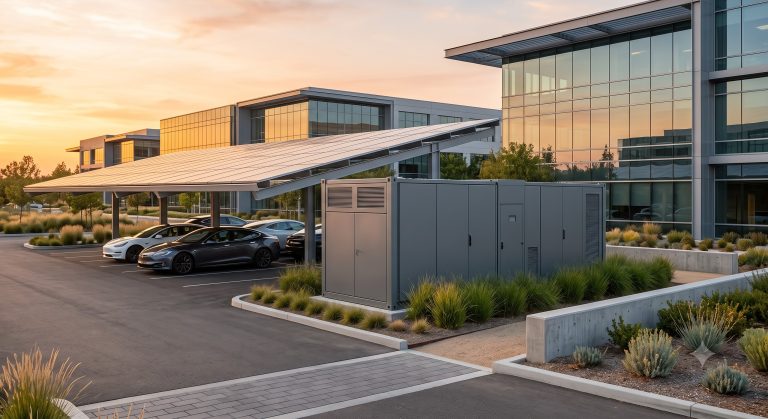
Deploying the Household Energy Self-Sufficiency system is streamlined for diverse residential and commercial environments. The unit is designed for both indoor and outdoor installation, with a versatile mounting system that accommodates wall, floor, and pole-mounting options. The compact dimensions (600x500x250mm) and lightweight design (under 100kg) minimize site preparation and enable rapid installation. For optimal performance, the system should be integrated with a solar PV array, where the EMS can be configured for a 100% self-consumption strategy, maximizing the use of generated solar energy. In an off-grid or backup power scenario, the system’s automatic transfer switch ensures uninterrupted power to critical loads within milliseconds. The platform’s open communication protocols (Modbus, CANbus) facilitate easy integration with existing home automation systems and smart meters. An overview of a typical residential installation is depicted in the following image, highlighting the system’s place within a modern, energy-independent home.
This whitepaper serves as a foundational guide for understanding the technical capabilities and benefits of our Household Energy Self-Sufficiency platform. For detailed installation manuals, integration guides, and custom project design services, please consult our engineering support team.
📥 Download Technical Specification
Click the button below to view or download the full official PDF datasheet.