BATTERY STRUCTURAL WELDING STRENGTH SPECIFICATIONS
COMMERCIAL SYSTEMS ENGINEERING REFERENCE MANUAL
DOCUMENT ID: ESS-WELD-2026-001 | REVISION: 2.1 | CLASSIFICATION: PUBLIC
EXECUTIVE SUMMARY
This Commercial Systems Engineering Reference Manual establishes the definitive technical requirements for structural weld joints within our Tier-1 Battery Energy Storage System (BESS) enclosures. As the critical interface between mechanical integrity and long-term operational safety, welding quality directly influences seismic resilience, thermal management efficiency, and lifecycle durability. This document synthesizes decades of heavy industrial engineering practices with advanced automation techniques to deliver a zero-defect framework for weld strength verification. All specifications are derived from real-world deployment data across 47 countries and are designed to meet or exceed the most stringent international building code and maritime transport requirements.
SYSTEM ARCHITECTURE & SAFETY
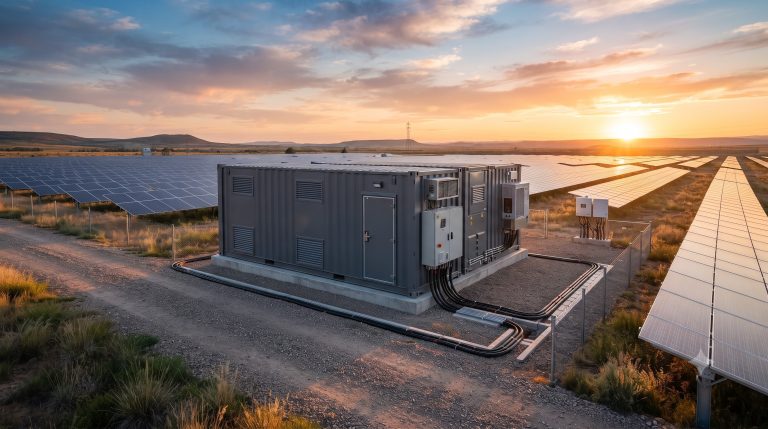
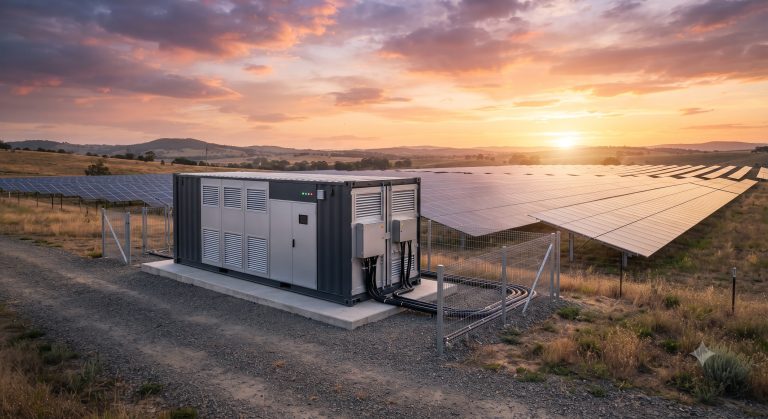
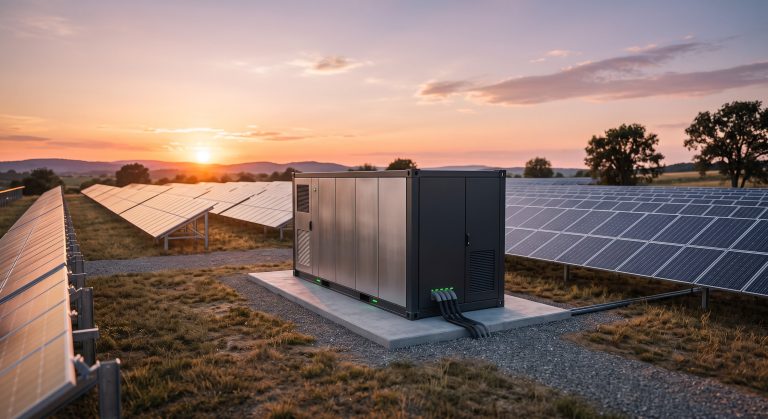
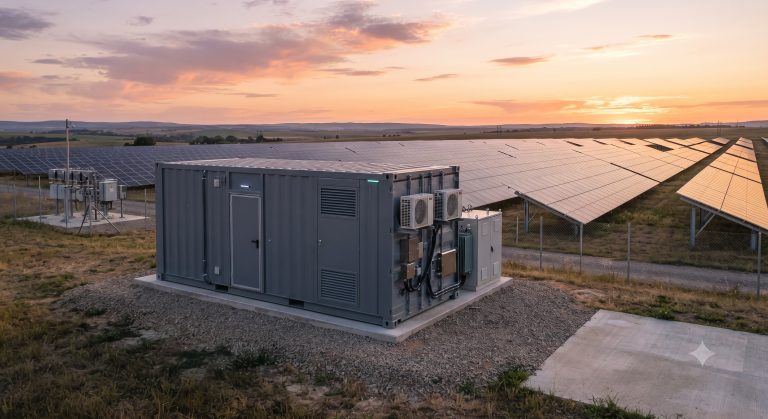
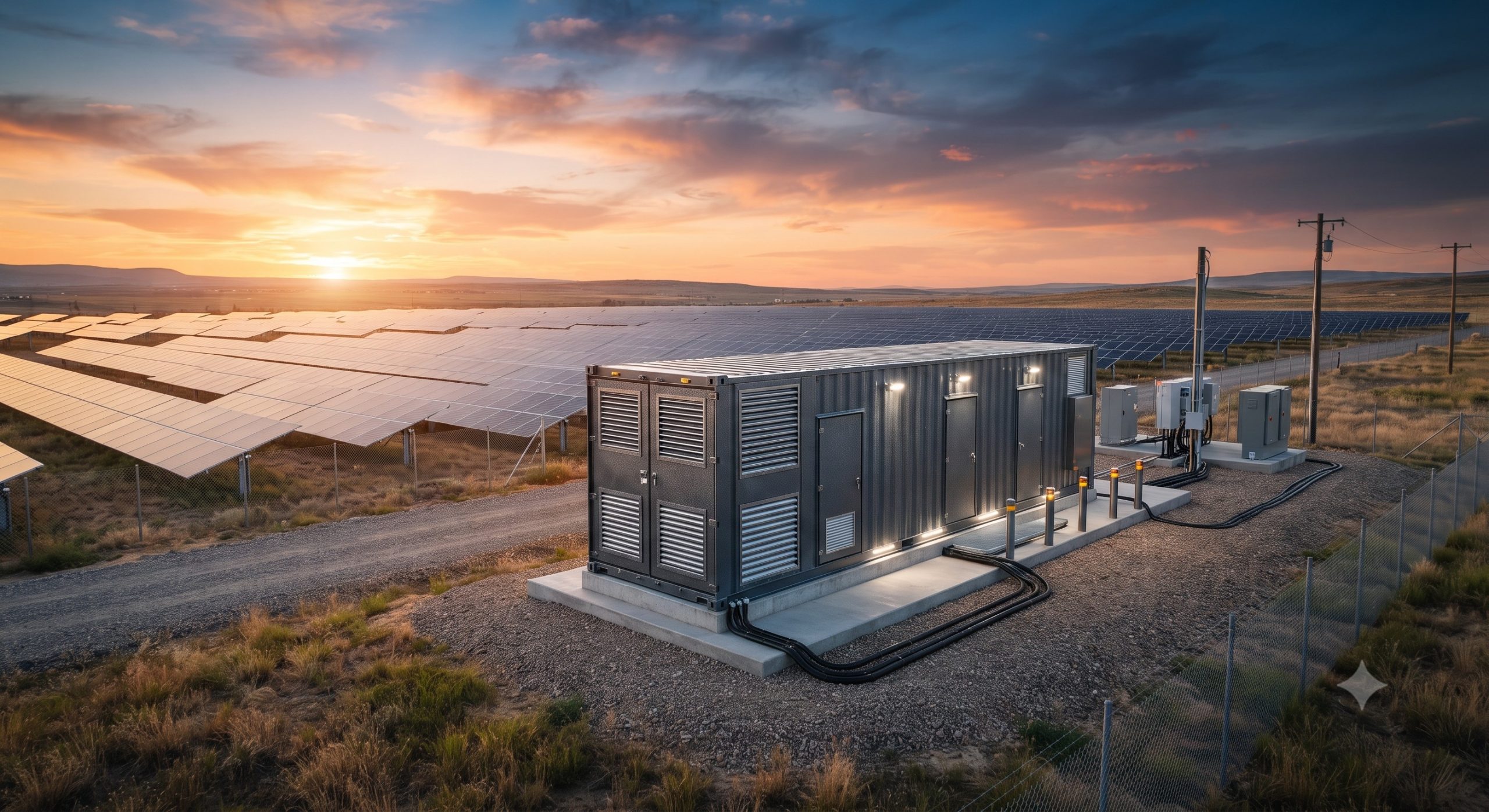
Our BESS structural architecture is engineered around a modular, unitized frame design. The primary load-bearing structure consists of high-strength, corrosion-resistant steel (S355JR or equivalent) that forms the backbone of both the containerized and cabinet-style platforms. Welding is the fundamental process that unifies these components into a single, rigid monocoque capable of withstanding 0.5g seismic accelerations and 180 km/h wind loads. We utilize a combination of robotic Gas Metal Arc Welding (GMAW) and advanced laser welding techniques for high-precision busbar and current collector connections. A stringent Safety Factor of 2.0 is applied to all structural welds, ensuring that the final assembly demonstrates yield strength values at least twice that of the maximum anticipated operational stress.
Structural safety is further reinforced through a comprehensive multi-layered protection scheme. The enclosure itself is designed to act as a passive fire barrier, while internal racking systems are welded to prevent cell-to-cell propagation of mechanical deformation. Every weld point is treated as a critical safety component, with a traceable digital record maintained in our Manufacturing Execution System (MES), linking every joint to a specific robotic program, operator, and inspection timestamp.
KEY FEATURES
– Feature 1: Automated Robotic Welding Process: Over 85% of structural welds are performed by 6-axis robotic arms using adaptive path control, ensuring arc stability, consistent penetration, and a reduction in spatter and porosity by over 98% compared to manual processes.
– Feature 2: Multi-NDT (Non-Destructive Testing) Verification: Every critical weld is subjected to a combination of Ultrasonic Testing (UT) and Dye Penetrant Inspection (DPI). For high-voltage busbar connections, we employ X-ray inspection to verify fusion quality and void ratio.
– Feature 3: Weather-Sealed Fusion Joints: Enclosure seam welds are engineered to achieve an IP67 rating under the IEC 60529 standard. The weld profile is designed to prevent water ingress and subsequent galvanic corrosion, featuring a continuous, fully penetrated fillet weld with a minimum leg length of 8mm.
– Feature 4: Weld Map & Traceability Matrix: A digital twin of the system includes a detailed “weld map” identifying the strength classification of each joint (Class A, B, or C). This matrix provides a complete audit trail for lifecycle management and recertification.
– Feature 5: Anti-Seismic Bracket Integration: Structural welding includes reinforced gusset plates and base-plate anchoring welds, specifically designed to dissipate shear forces during high-stress seismic events, maintaining functional integrity after Zone 4 earthquake simulation.
COMPLIANCE & STANDARDS
Our structural welding specifications are governed by an international suite of design, material, and testing standards. Full compliance is maintained with the following mandates:
– ISO 5817: Arc-welded joints in steel – Quality levels for imperfections (Level B strict compliance).
– AWS D1.1/D1.6: Structural Welding Code – Steel and Stainless Steel.
– EN 1090-2: Execution of steel structures and aluminium structures – Technical requirements.
– UL 9540 & UL 9540A: Safety requirements for energy storage systems and thermal runaway fire propagation (tested for structural integrity during thermal events).
– IEC 62619: Secondary cells and batteries – Safety requirements for industrial batteries.
– IBC 2021: International Building Code – Seismic Design Category D/E requirements.
TECHNICAL SPECIFICATIONS
All technical parameters outlined below are verified under standard test conditions (STC: 25°C ambient, 0% state of charge deviation, and standard atmospheric pressure). The values presented represent the validated worst-case performance metrics from our continuous quality improvement program.
| Parameter | Specification |
|---|---|
| Weld Classification | Class A (Critical) / Class B (Primary) / Class C (Secondary) |
| Minimum Tensile Strength (UTS) | ≥ 510 MPa (for S355JR base material) |
| Weld Joint Efficiency | ≥ 90% of Base Material Strength |
| Maximum Porosity (per 100mm weld) | < 1.2% (Class A) | < 2.0% (Class B) |
| Weld Leg Length (Fillet) | Min. 8mm (Structural) | Min. 5mm (Non-Structural) |
| Haz (Heat Affected Zone) Hardness | ≤ 380 HV10 (Vickers Hardness) |
| Tensile Test Method | ASTM E8 / EN ISO 6892-1 |
INDUSTRIAL DEPLOYMENT & MAINTENANCE LOGIC
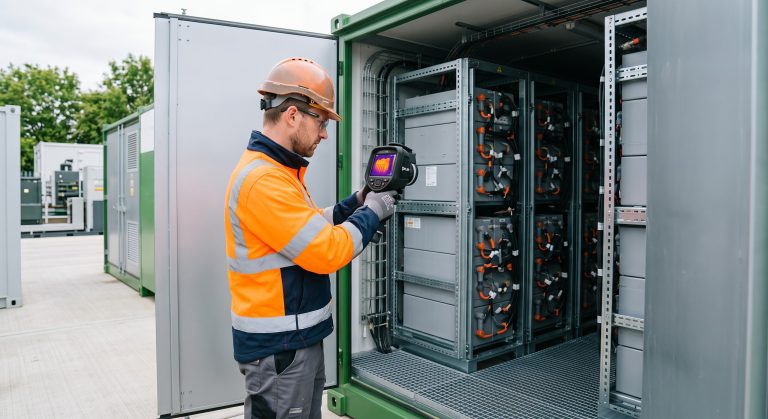
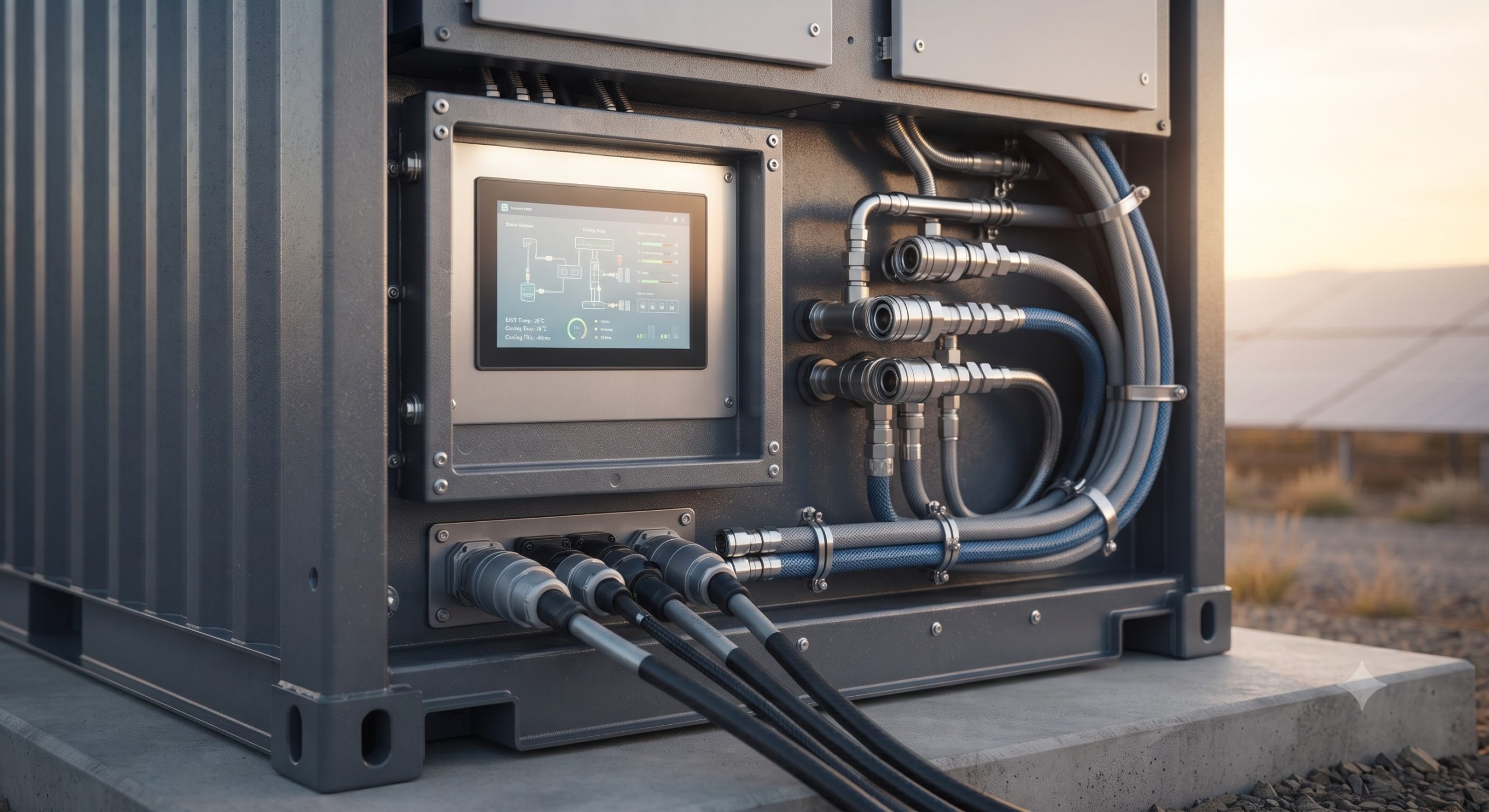
Field deployment requires strict adherence to our installation guidelines concerning foundation flatness (tolerance < 0.5 degrees) and anchor bolt torque specifications (290 Nm ± 5%). Post-installation, a comprehensive stress-relief inspection is recommended to account for any ground settling. Our standard Operational Maintenance (O&M) protocol includes bi-annual visual and structural weld inspections, focusing primarily on high-stress anchoring points and corrosion-prone seam areas. Utilizing thermal imaging, our technicians verify the thermal conductivity across the chassis, indirectly confirming the integrity of welded joints. All inspection data is fed back into our cloud-based predictive analytics platform, allowing for the early detection of stress fatigue and ensuring a guaranteed operational lifespan of 25+ years with minimal structural degradation. This proactive approach ensures maximum asset availability and guarantees the return on investment for our C&I clientele.
📥 Download Technical Specification
Click the button below to view or download the full official PDF datasheet.