ADVANCED THERMAL RUNAWAY SUPPRESSION ENGINE FACTSHEET: ESS FIRE PROTECTION SYSTEM
EXECUTIVE SUMMARY
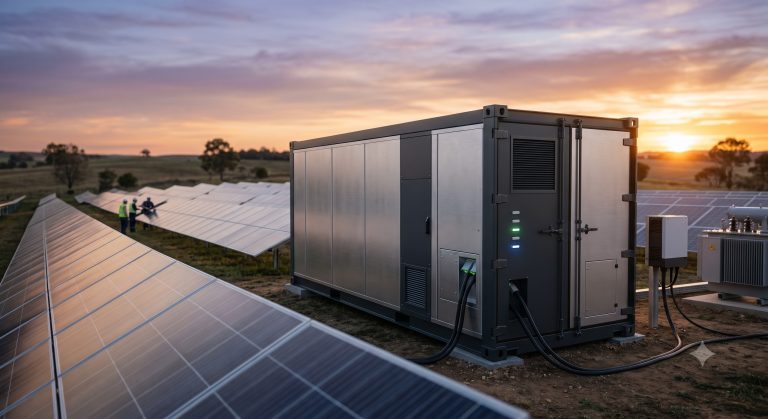
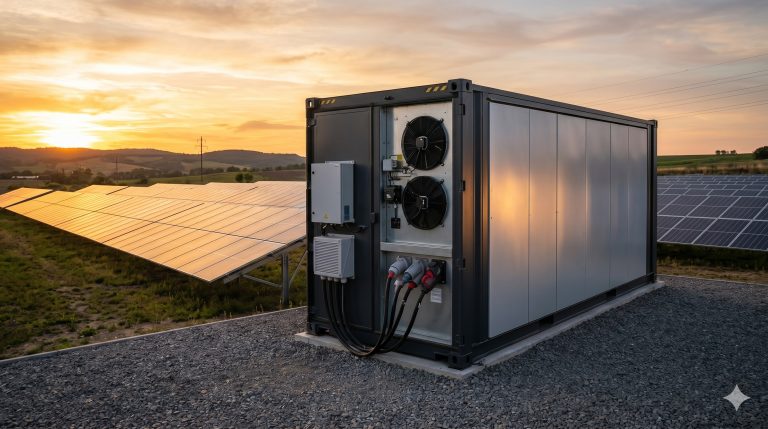
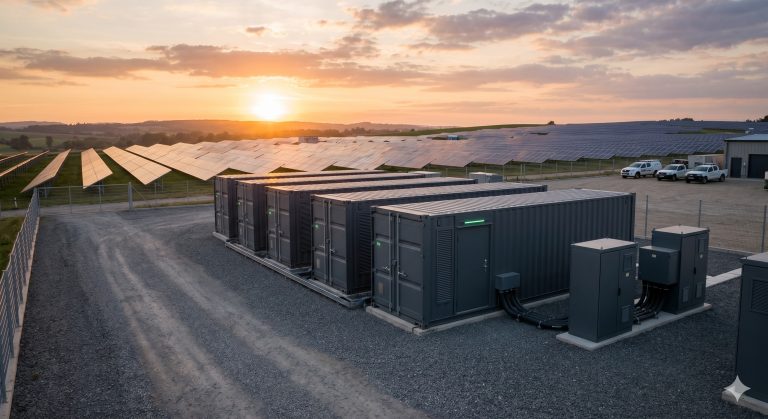
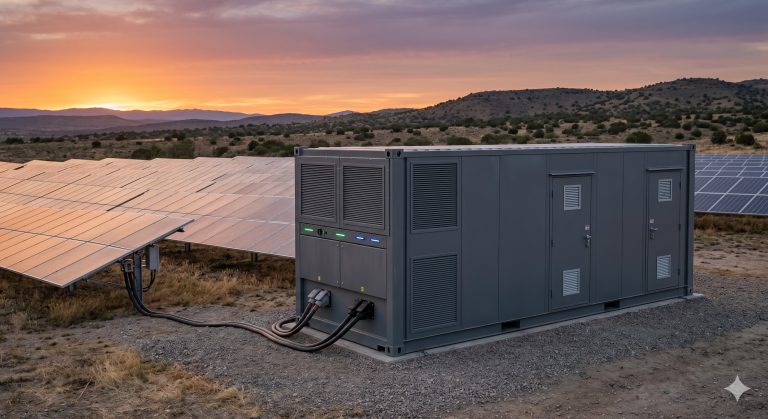
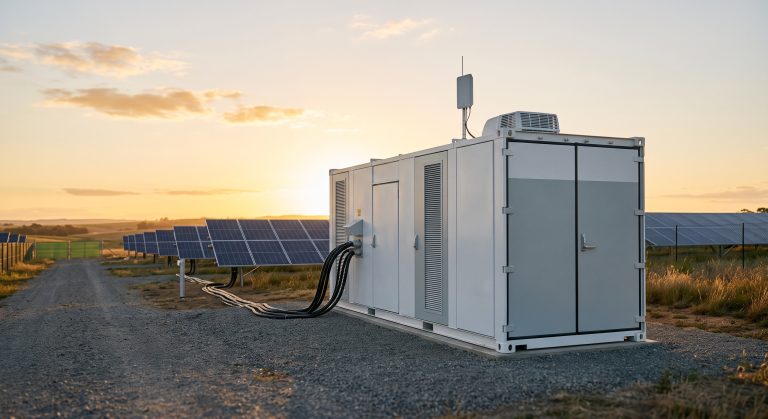
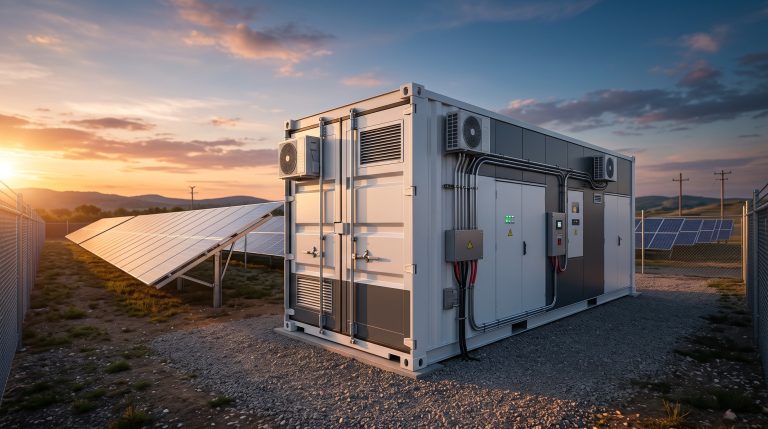
This document provides a comprehensive technical overview of the proprietary fire protection and thermal runaway suppression system integrated into our commercial Battery Energy Storage Systems (BESS). Engineered as a multi-layered, fail-safe architecture, this system transcends traditional fire suppression by combining early-warning detection, active gas and aerosol injection, and passive containment barriers to ensure personnel safety, asset protection, and operational continuity. Designed for both containerized and modular outdoor cabinet configurations, this protection suite is fully compliant with NFPA 855, UL 9540, and IFC requirements, delivering a total cost of ownership advantage through minimized downtime and insurance risk reduction.
SYSTEM ARCHITECTURE & SAFETY PHILOSOPHY
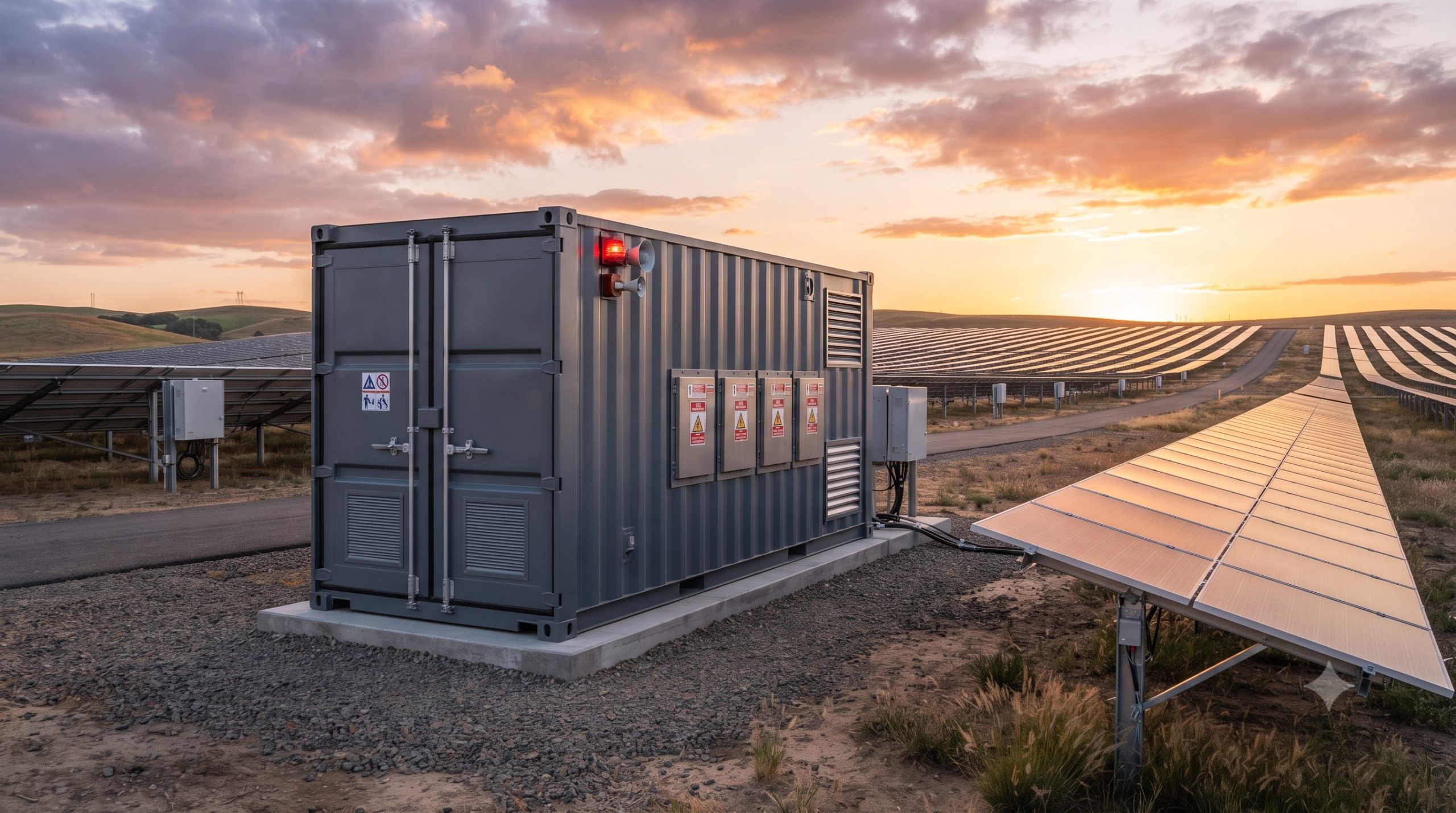
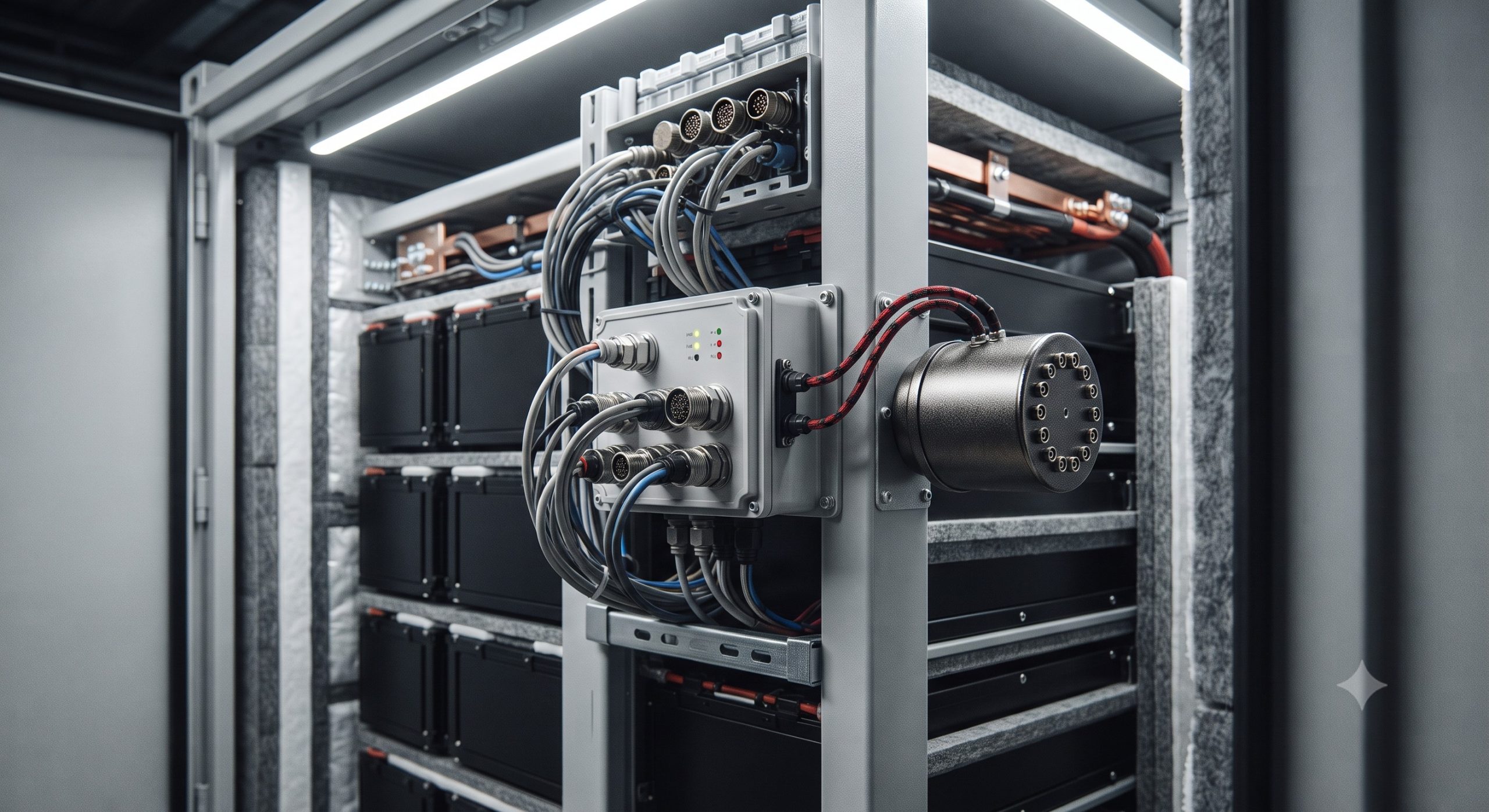
The fire protection system is architected around a defense-in-depth strategy comprising three distinct layers: detection, suppression, and containment. The detection layer utilizes a distributed network of electrochemical gas sensors (CO, H2, VOCs), photoelectric smoke detectors, and dual-rate-of-rise thermal sensors per battery rack. All sensor data is continuously monitored by a dedicated Fire Control Unit (FCU) that operates independently of the Battery Management System (BMS), ensuring failsafe response even during communication outages. Upon confirmation of a pre-ignition event (gas concentration threshold exceeded or rapid temperature differential), the FCU initiates a staged suppression sequence: first, a system alarm and ventilation shutdown; second, activation of the aerosol-based suppression units within the affected zone; and third, emergency power-off (EPO) via the PCS. The suppression medium is a potassium-based condensed aerosol (FK-5-1-12 clean agent alternative) that floods the enclosure within seconds, reducing oxygen concentration and interrupting the combustion chain reaction without damaging sensitive electronics. Passive containment is provided by a mineral wool and intumescent coating barrier between battery racks, rated for 90-minute fire resistance, which isolates thermal runaway propagation to a single module.
KEY FEATURES
– Multi-Sensor Detection Array: Combines CO, H2, and VOC gas sensing with photoelectric smoke and thermal sensors for the earliest possible warning, with response time < 3 seconds to gas concentration change. - Staged Suppression Logic: Proprietary algorithm differentiates between false alarms, pre-thermal runaway, and full ignition, applying proportional countermeasures (ventilation, aerosol, or total flooding) to minimize agent usage and unnecessary shutdowns. - Condensed Aerosol Generators: Solid-propellant-based units (no pressurized cylinders) with 5-year maintenance-free life, delivering 100% effective suppression in < 10 seconds per protected zone, with zero ozone depletion potential (ODP). - Passive Thermal Barriers: 90-minute fire-rated compartmentalization between battery racks, using non-combustible calcium silicate board and intumescent seals to prevent cascading failures. - Independent FCU Redundancy: Dual-redundant control units with dedicated battery backup (72-hour autonomy) ensure suppression activation even during total AC power loss or BMS failure. - Remote Monitoring & Alerting: Real-time status and alarm forwarding to SCADA and local emergency services via dry contacts, Modbus TCP, and 4G cellular backup. - Automatic Ventilation Interlock: Upon first-stage alarm, forced-air cooling fans are immediately stopped and motorized fire dampers close to limit oxygen supply, while maintaining overpressure relief for safe agent discharge. - Post-Extinguish Gas Detection: After agent release, sensors continue monitoring for re-ignition and provide gas clearance indication for safe personnel entry. COMPLIANCE & STANDARDS The fire protection system is designed, tested, and certified to meet the following international and regional standards, ensuring seamless project permitting and insurance underwriting: - UL 9540: Standard for Energy Storage Systems and Equipment – full system listing includes fire safety sub-system evaluation. - UL 9540A: Test Method for Evaluating Thermal Runaway Fire Propagation in Battery Energy Storage Systems – passed with no propagation between modules. - NFPA 855: Standard for the Installation of Stationary Energy Storage Systems – compliant with all separation, detection, and suppression requirements for indoor and outdoor installations. - NFPA 72: National Fire Alarm and Signaling Code – integrated alarm reporting and supervisory signals. - IEC 62619: Secondary cells and batteries containing alkaline or other non-acid electrolytes – safety requirements for industrial batteries including fire prevention. - EN 50604-1: Secondary lithium batteries for light EV and industrial applications – thermal propagation test compliance. - FM Global Approval: Factory Mutual approved suppression generators and detection components (Class 6090). - CE & UKCA Marked: All control electronics and suppression actuators. TECHNICAL SPECIFICATIONS Detection Subsystem: - Gas Sensors: Electrochemical type, range 0-1000 ppm CO, 0-2000 ppm H2, 0-100% LEL VOCs, accuracy ±3% FS, response time T90 < 30s. - Smoke Detectors: Photoelectric, sensitivity 0.5-2.0 %/ft obscuration, with drift compensation. - Thermal Sensors: NTC thermistors, range -40°C to +125°C, accuracy ±0.5°C, dual-rate-of-rise (15°C/min) and fixed temperature (85°C) alarms. - Sensor Density: 1 gas + 1 smoke + 2 thermal per battery rack (24 sensors per 20-ft container). Suppression Subsystem: - Suppression Agent: Potassium-based condensed aerosol (e.g., FPC-500 equivalent), 5% concentration by volume, flooding time < 10 seconds. - Generator Specifications: Solid propellant, hermetically sealed, no pressurized storage, shelf life 10 years, activation via electrical igniter (12 VDC, 1.5A). - Agent Quantity: 2 x 500g generators per protected zone (each zone covers up to 4 battery racks). - Discharge Duration: Full discharge within 8-12 seconds, holding time 15 minutes. - Safe for Electronics: Non-corrosive, non-conductive residue, dielectric strength > 40 kV/mm.
Containment & Control:
– Thermal Barrier: 20 mm calcium silicate board with intumescent coating, rated for 90 minutes at 1100°C.
– Fire Dampers: Motorized, 1500°C rated, closing time < 60 seconds.
- Control Unit: Redundant microcontrollers, IP65 enclosure, operating temperature -20°C to +60°C, with 3.7V LiFePO4 backup battery (72h standby).
- Communication Protocols: Modbus RTU/TCP, dry contacts (NC/NO), 4-20 mA analog outputs for gas levels.
System Performance:
- Detection to Suppression Initiation Time: < 5 seconds.
- Full Suppression Achieved: < 15 seconds from first detection.
- Thermal Runaway Containment: No propagation beyond single module per UL 9540A testing.
- Agent Residue Cleanup: Dry powder removal via vacuum, no special solvent needed.
- Maintenance Interval: Annual visual inspection and sensor calibration; suppression generators require replacement every 10 years or after discharge.
| Parameter | Specification |
|---|---|
| Detection Sensors per Rack | 1x CO/H2/VOC gas + 1x photoelectric smoke + 2x thermal (rate-of-rise + fixed) |
| Suppression Agent Type | Potassium-based condensed aerosol (FK-5-1-12 alternative), ODP=0, GWP<1 |
| Agent Quantity per Zone | 2 x 500g generators (covering up to 4 racks, 1000g total) |
| Suppression Discharge Time | Full flooding in < 10 seconds; hold time 15 minutes |
| Thermal Barrier Fire Rating | 90 minutes at 1100°C (mineral wool + intumescent coating) |
| Control Unit Redundancy | Dual FCUs with independent 72h battery backup |
| Communication Protocols | Modbus TCP/RTU, dry contacts, 4-20mA, 4G cellular backup |
| Environmental Ingress Rating | IP65 / NEMA 4X for all outdoor components |
| Operating Temperature Range | -20°C to +60°C (control unit); -40°C to +85°C (sensors) |
| Compliance Certifications | UL 9540, UL 9540A (no propagation), NFPA 855, NFPA 72, IEC 62619, FM Approved |
| Maintenance Interval | Annual visual/functional; generator replacement every 10 years |
INDUSTRIAL DEPLOYMENT CONSIDERATIONS
The fire protection system is optimized for outdoor pad-mounted, rooftop, and indoor dedicated rooms. For outdoor installations, all components are rated IP65/NEMA 4X for dust and water ingress. The system includes a weatherproof audible/visual alarm strobe and manual pull station at the enclosure entrance. For indoor deployments, integration with building fire alarm systems is facilitated via addressable loop interfaces (SIGA, Apollo, or NOTIFIER compatible). The suppression agent is environmentally benign and safe for occupied spaces (no oxygen displacement risk) – NFPA 2001 Class 3 rating. A full system functional test is performed during commissioning, with remote verification of every sensor and actuator. We also provide a digital commissioning report with baseline sensor readings and time-stamped suppression event logs. For multi-unit sites, the FCUs can be networked to a central supervision panel, enabling coordinated shutdown and priority-based suppression across multiple containers.
MAINTENANCE & LIFE CYCLE SUPPORT
Our fire protection system is backed by a comprehensive service package including:
– Yearly calibration and functional testing of all sensors and controls.
– 10-year replacement cycle for aerosol generators (including factory re-certification).
– 24/7 remote technical support and spare parts availability (global logistics hubs).
– Fire system training for local O&M teams, including hands-on practice with test generators and simulation tools.
– Record-keeping and compliance documentation support for AHJ inspections.
This fire protection system is not an add-on but an integral, fully validated component of our ESS platform, delivering peace of mind and regulatory certainty for your energy storage investment.
📥 Download Technical Specification
Click the button below to view or download the full official PDF datasheet.