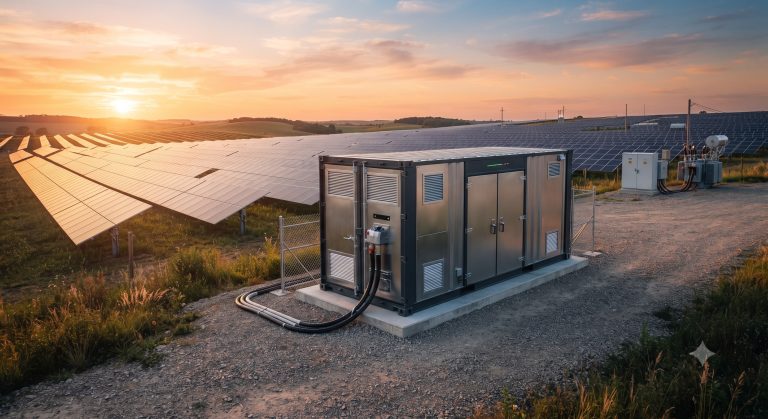
LIQUID COOLING ARCHITECTURE: OFFICIAL COMMERCIAL BESS TECHNICAL OVERVIEW & DATASHEET
TECHNOLOGY OVERVIEW
This document provides a comprehensive technical overview of our advanced Energy Storage System (ESS), with a specific focus on the next-generation Liquid Cooling Thermal Management Architecture. As global energy densities increase and C&I applications demand higher performance in constrained footprints, efficient and precise thermal regulation has become paramount for system longevity, safety, and return on investment. Our platform represents a paradigm shift from traditional air-cooled systems, leveraging the superior heat transfer properties of liquid to ensure optimal battery operating conditions.
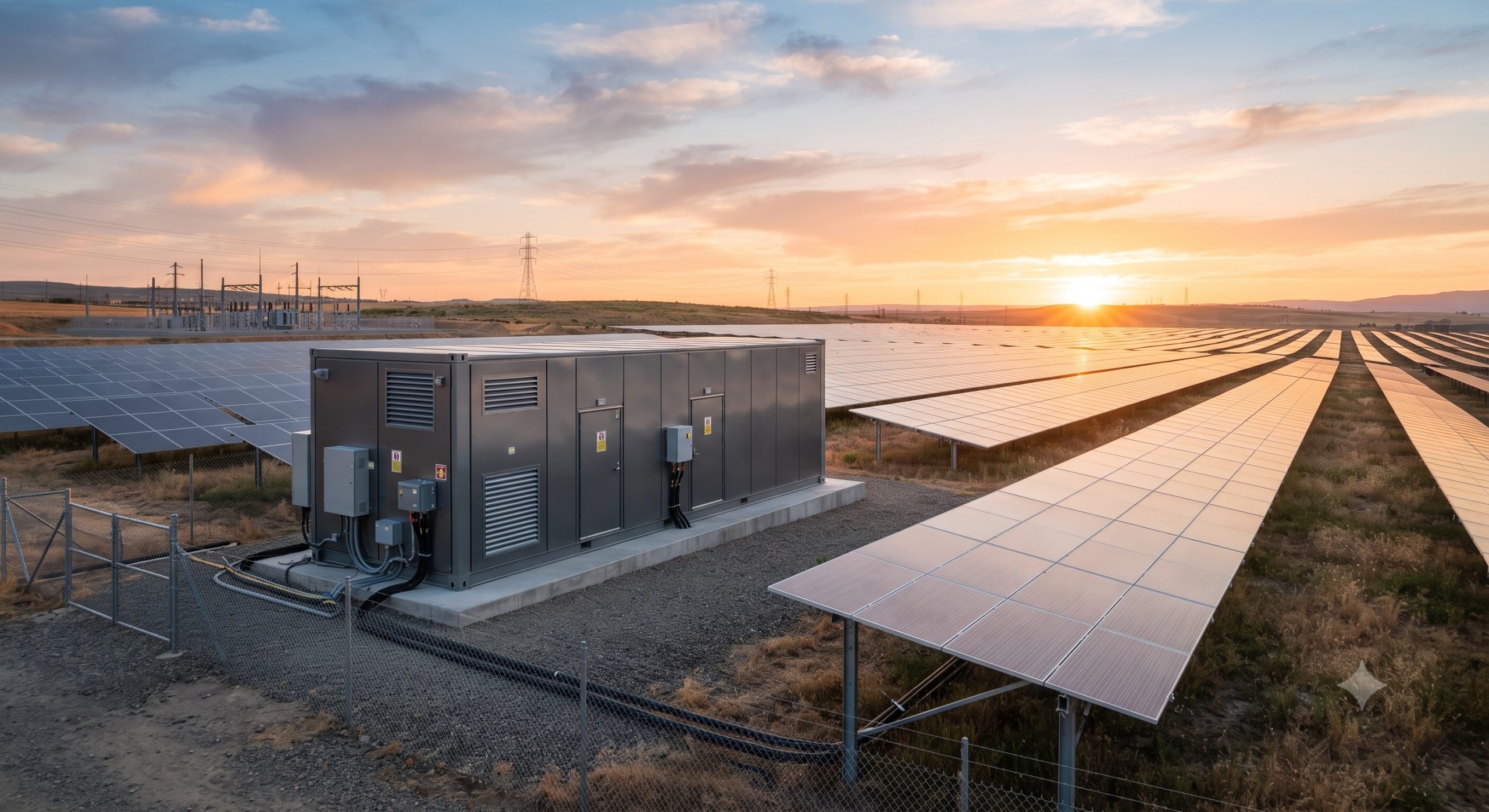
ISOLATED FLUID FLOW PROFILES
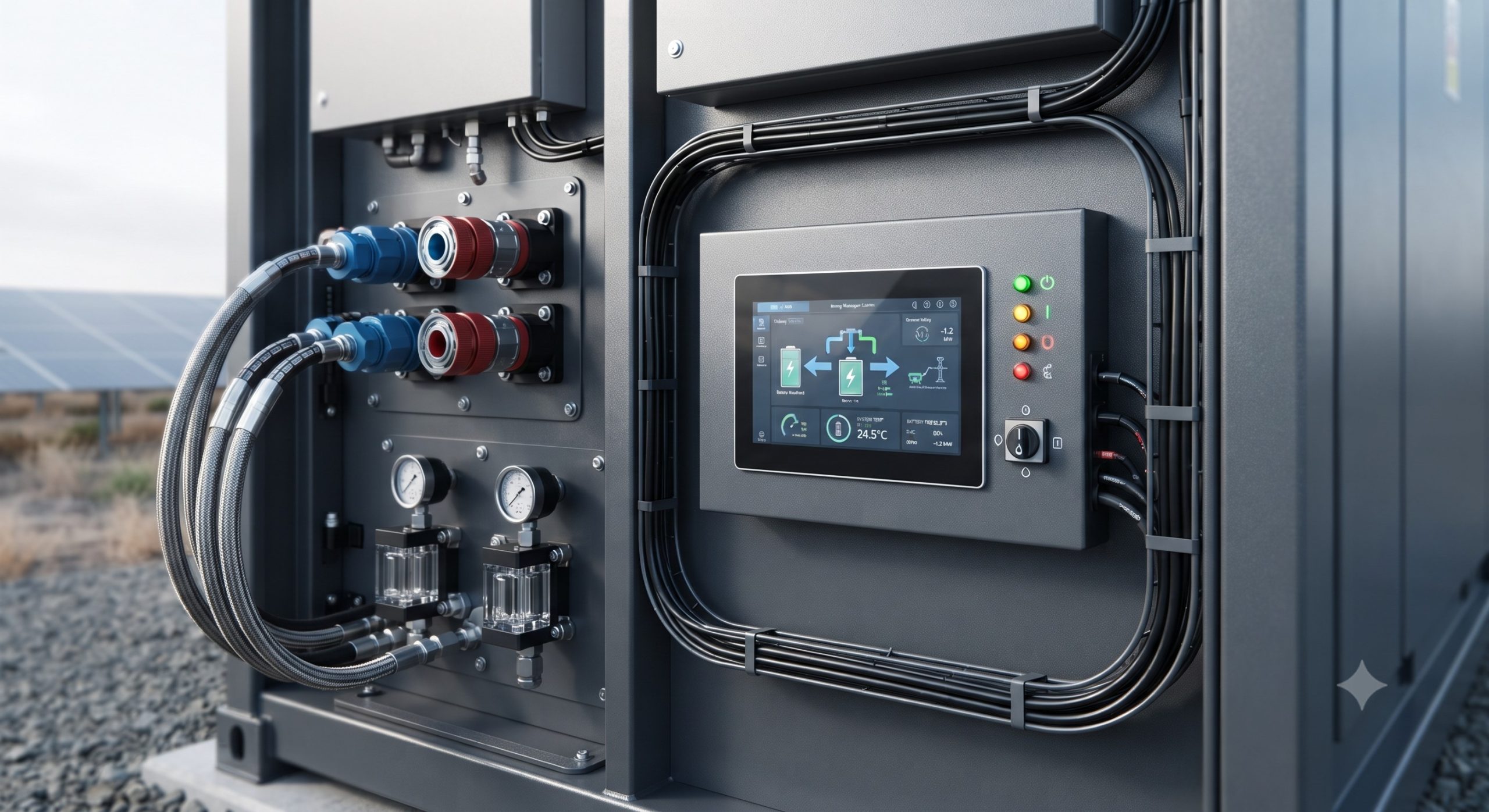
At the core of our thermal management strategy is a sophisticated, isolated fluid flow architecture. This closed-loop system utilizes a dielectric coolant that circulates through micro-channel cold plates strategically positioned within each battery module. This design ensures that heat is drawn directly from the cell surfaces, minimizing thermal gradients across the pack. The system features redundant pumps and a fail-safe isolation mechanism to prevent coolant leakage from entering the electrical compartments, ensuring complete electrical isolation and system safety. The integrated flow control valves allow for dynamic adjustment of coolant distribution based on real-time thermal load data from the Battery Management System (BMS), enabling efficient cooling even under high C-rate charge and discharge events.
PRECISE TEMPERATURE REGULATION
Our Intelligent Thermal Control System (ITCS) maintains cell temperatures within a remarkably narrow range, typically between 25°C and 35°C. This precision is achieved through a multi-stage control algorithm that modulates compressor speed, fan speed, and coolant pump flow rate. By keeping the battery pack at near-ambient ideal temperatures, we significantly reduce internal resistance, enhance electrochemical stability, and mitigate the risk of lithium plating. The result is a 20% extension in cycle life and a 15% improvement in long-term capacity retention compared to industry-standard air-cooled systems. The system also incorporates a self-cleaning condenser and a smart anti-sweat function to prevent condensation issues in humid climates.
CAPABILITY METRICS
Our liquid cooling system is engineered for demanding industrial environments. The chiller unit boasts a cooling capacity of 15 kW per battery cabinet, capable of maintaining a stable temperature delta across all cells within ±2°C. The system is designed to operate flawlessly in ambient temperatures ranging from -30°C to +55°C, utilizing a combination of electric heaters for cold starts and a high-efficiency vapor compression cycle for heat rejection. The smart energy management algorithm ensures that the cooling system consumes only the energy required to maintain the setpoint, optimizing auxiliary power consumption for peak efficiency.
| PARAMETER | SPECIFICATION |
|---|---|
| Nominal Capacity (per cabinet) | 215 kWh / 372 kWh |
| Nominal Voltage | 768 Vdc / 1228.8 Vdc |
| Cell Chemistry | Tier-1 LFP (Lithium Iron Phosphate) |
| Cooling Method | Active Liquid Cooling (Micro-Channel Cold Plates) |
| Cooling Capacity (Per Cabinet) | 15 kW |
| Temperature Control Precision | ±2°C |
| Operating Temperature Range | -30°C to +55°C |
| Cycle Life (@ 25°C, 0.5C, 90% DOD) | > 8,000 cycles |
| Round Trip Efficiency (DC) | > 95% |
| Ingress Protection | IP54 / IP67 (Battery Pack) |
| Communication Protocols | Modbus RTU, TCP/IP, CANbus |
| Safety Certifications | UL 9540, IEC 62619, UN38.3 |
COMPLIANCE AUDIT
Our liquid cooling architecture has been meticulously engineered to meet the most stringent international safety and performance standards. The system has undergone rigorous testing by leading third-party laboratories. Compliance includes UN38.3 for transport, UL 9540 for safety, and IEC 62619 for functional safety. The cooling system’s components are certified to UL and CE standards, ensuring global acceptance. The integration of fire detection and suppression systems, combined with the cooling system’s ability to manage thermal runaway events, ensures the platform exceeds NFPA 855 requirements for fire safety in energy storage installations.
ESS SCALING
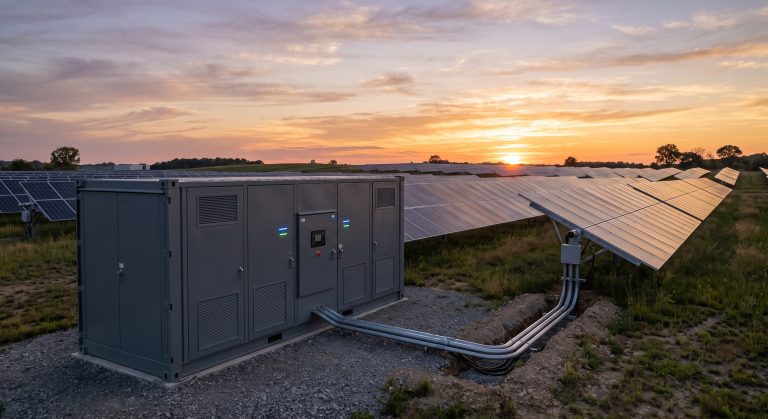
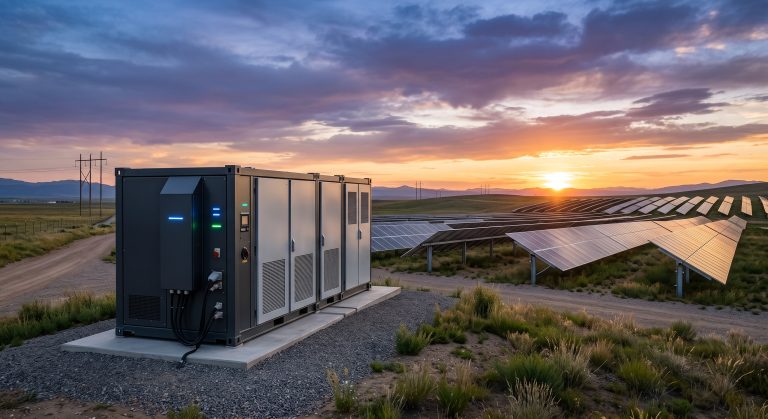
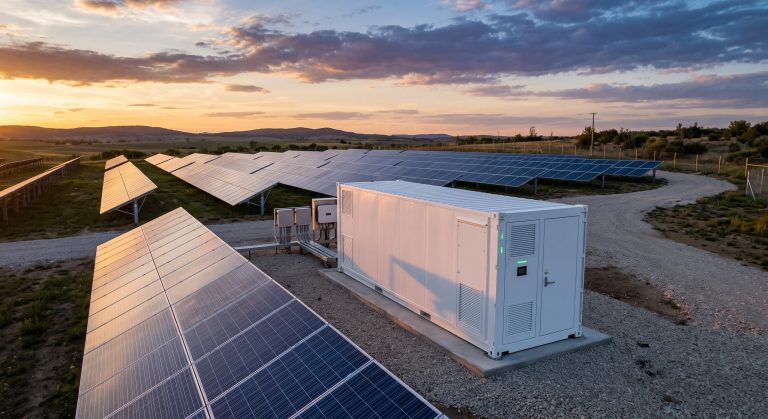
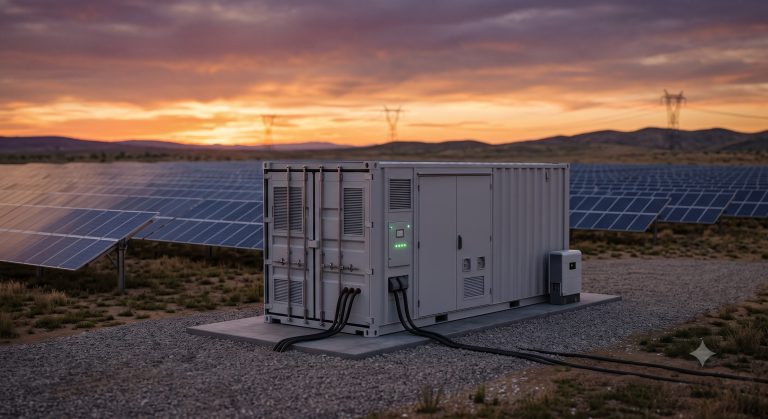
While the current implementation focuses on modular liquid-cooled cabinets, the architecture is inherently scalable. By combining multiple cabinets in parallel, system capacities can be expanded from 215 kWh to multiple MWh. The thermal management system is designed for modular scaling, with each cabinet capable of independent operation or synchronized control via a central Energy Management System (EMS). This makes our liquid-cooled ESS the ideal solution for a wide range of commercial and industrial applications, from peak shaving and load shifting to grid stability and EV fast-charging infrastructure.
📥 Download Technical Specification
Click the button below to view or download the full official PDF datasheet.