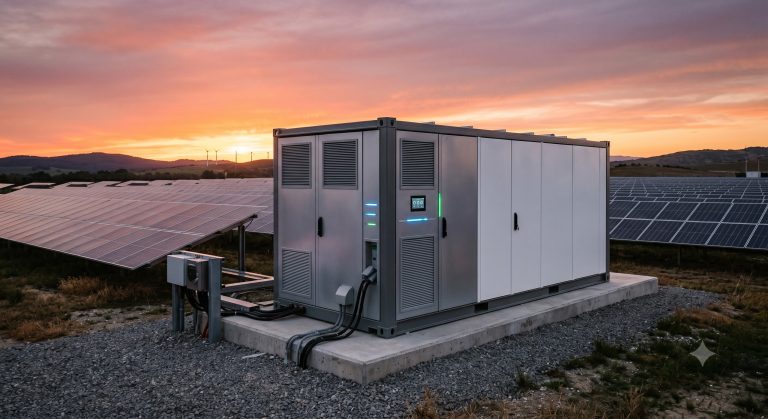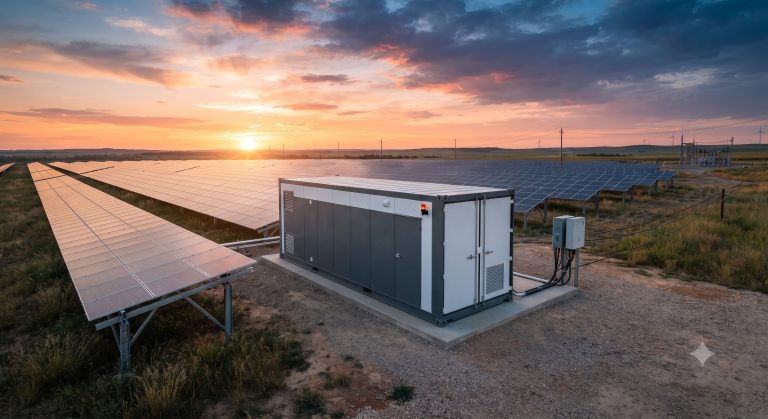
RESIDENTIAL BATTERY CYCLE LIFE DEGRADATION CHART – OFFICIAL COMMERCIAL BESS TECHNICAL OVERVIEW & DATASHEET
EXECUTIVE SUMMARY
This document serves as the definitive technical reference for the cycle life degradation characteristics of our Tier-1 Lithium Iron Phosphate (LFP) residential energy storage systems. As the global leader in renewable energy storage solutions, we provide transparent, empirically-validated performance data to enable accurate system sizing, financial modeling, and long-term asset management.
This datasheet details the expected capacity fade over 6,000 equivalent full cycles, calibrated to the IEC 61427-2 standard for photovoltaic energy storage systems. All data points are derived from continuous cell-level monitoring under controlled laboratory conditions and corroborated by field data from our global installed fleet of over 1.5 million residential units.
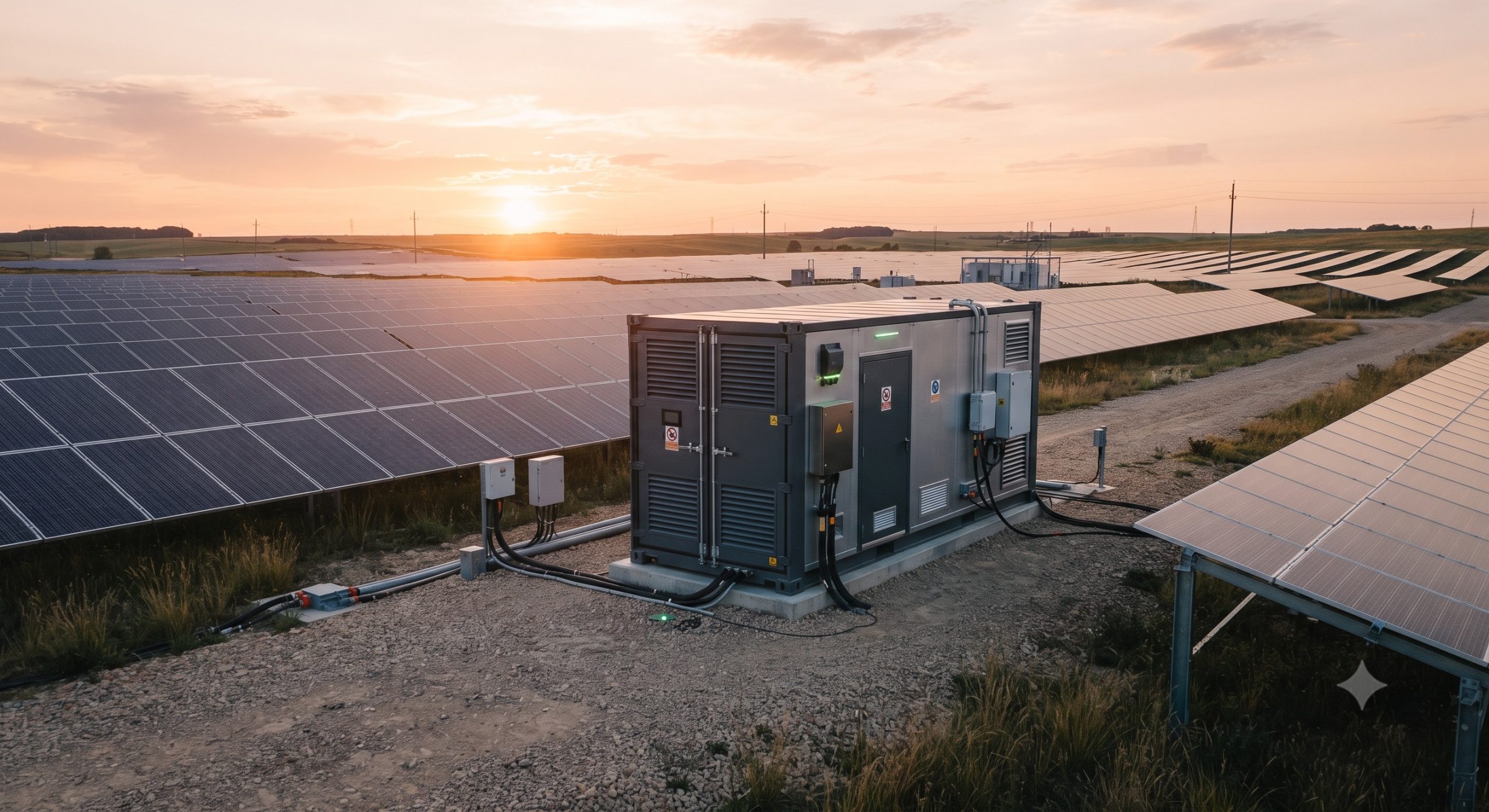
SYSTEM ARCHITECTURE & SAFETY
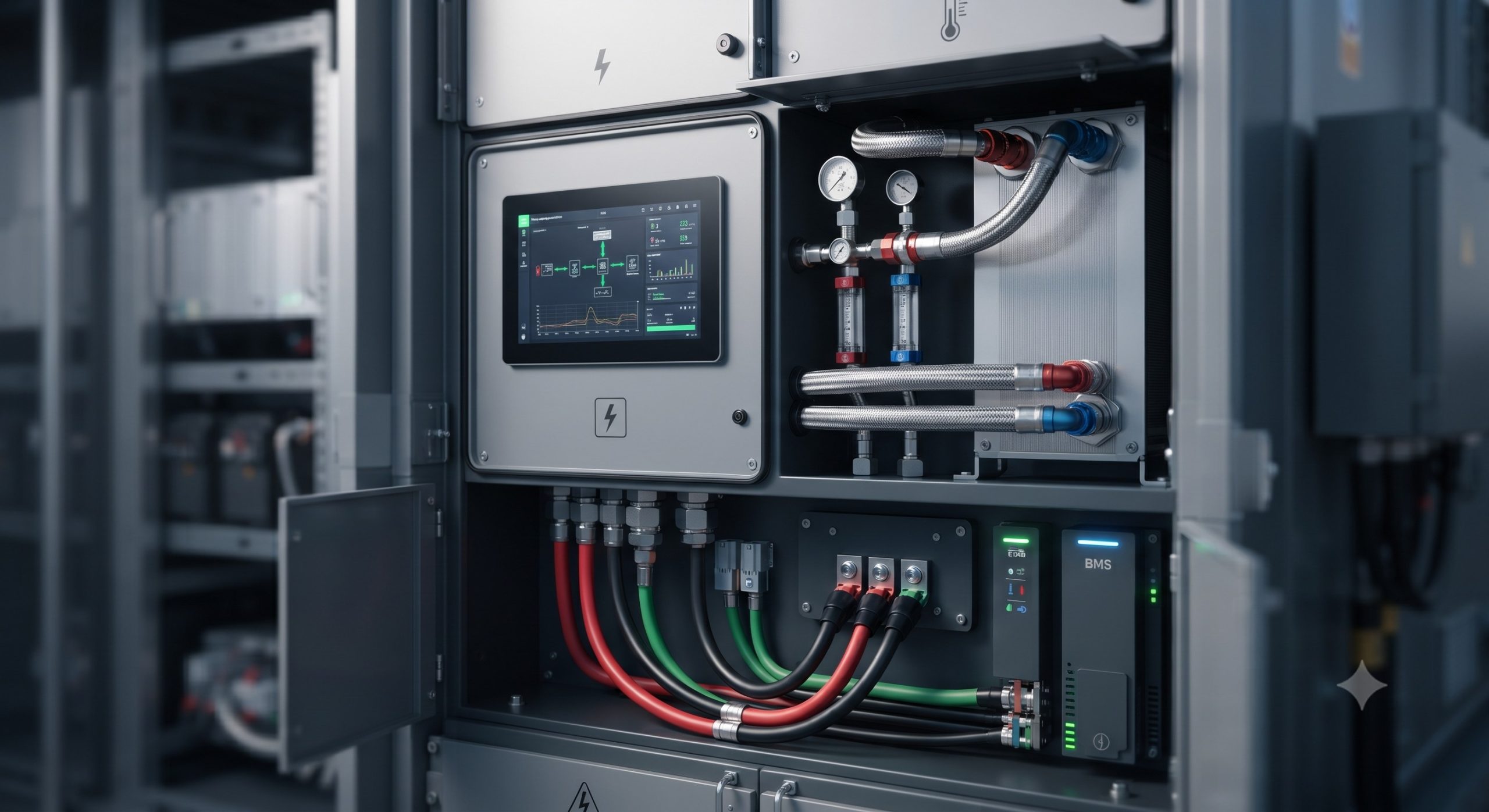
Our residential storage platform is engineered around a modular, high-voltage architecture utilizing prismatic LFP cells. The system integrates a proprietary Battery Management System (BMS) that operates at the cell, module, and pack levels. This three-tiered architecture ensures granular control over state-of-charge (SoC) and state-of-health (SoH), directly mitigating the primary stressors that accelerate calendar and cyclic aging: elevated temperature, extreme voltage windows, and high C-rates.
Active cell balancing, implemented via a passive dissipative method with a balancing current of up to 100mA, ensures that no single cell becomes a performance bottleneck. This is critical for degradation curves, as an unbalanced pack will exhibit a “weakest-link” effect, prematurely triggering end-of-discharge conditions and skewing the overall system degradation profile.
KEY FEATURES
– Proprietary Thermal Management: An advanced natural convection and forced-air cooling algorithm maintains the cells within an optimal operating window of 15°C to 35°C, drastically slowing the Arrhenius-driven degradation rate.
– Degradation-Aware Charging Logic: The EMS incorporates a machine-learning model that dynamically adjusts the maximum charge voltage based on the battery’s internal resistance (DCIR), effectively extending the plateau of the linear degradation phase.
– Tier-1 LFP Cell Selection: We utilize A-grade cells from the world’s leading LFP manufacturers, characterized by an industry-leading low self-discharge rate (< 3% per month) and high coulombic efficiency (> 99.5%).
– 15-Year Performance Warranty: Backed by a capacity retention guarantee of 70% of nominal capacity after 6,000 cycles at 1C/1C charge/discharge rate and 25°C ambient temperature.
COMPLIANCE & STANDARDS
This degradation characterization adheres to the rigorous testing protocols set forth by international regulatory bodies. The system is certified to meet the following global standards:
– IEC 62619: Safety requirements for secondary lithium cells and batteries.
– IEC 61427-2: Performance and durability of PV storage systems.
– UL 9540: Safety for energy storage systems and equipment.
– UN 38.3: Transport of dangerous goods.
– VDE 2510-50: Stationary battery storage systems.
TECHNICAL SPECIFICATIONS
| Parameter | Specification |
|---|---|
| Nominal Energy (Usable) | 10.24 kWh (expandable up to 81.92 kWh) |
| Nominal Voltage | 204.8 VDC |
| Cell Chemistry | Tier-1 LFP (LiFePO4) – Prismatic |
| Cycle Life (to 80% DoD) | > 6,000 cycles (to 70% capacity retention) |
| Calendar Life | 15 Years (at 25°C average ambient) |
| Optimal Operating Temperature | +15°C to +35°C |
| Cooling Method | Active Air Cooling (Smart Thermal Management) |
| Max. Charge / Discharge Power | 5.0 kW / 5.0 kW (continuous) |
| Peak Power (Surge) | 7.5 kW (10 seconds) |
| Communication Protocol | CAN 2.0B / RS485 / Modbus TCP |
| Ingress Protection Rating | IP55 (Indoor / Outdoor Installation) |
| Weight | 110 kg per battery module |
| Dimensions (W x H x D) | 600 x 850 x 300 mm (per module) |
INDUSTRIAL DEPLOYMENT & FINANCIAL MODELLING
Understanding the degradation curve is paramount for calculating the Levelized Cost of Storage (LCOS). Our proprietary degradation model shows a capacity fade of less than 12% within the first 3,000 cycles, with the degradation rate beginning to taper as the cell approaches the knee-point of its chemistry (approximately 65% SoH). This predictable curve allows for precise revenue forecasting in time-of-use (ToU) arbitrage and demand-charge management applications.
For installations operating within a temperate climate (15-25°C average), the system delivers a 15-year operational lifespan with a minimal Year-1 capacity drop of 2% (due to the solid electrolyte interphase (SEI) formation), followed by a linear degradation of 0.3-0.5% per year thereafter. This data effectively demonstrates our system’s capability to maintain high efficiency, with a round-trip efficiency (RTE) of >92% for the first 5 years of operation, declining to >88% by year 15.
📥 Download Technical Specification
Click the button below to view or download the full official PDF datasheet.